

Every first grade classroom has the student who looks up at the wall clock around 11:20 and asks if it is lunch yet. The question is sincere. The clock is right there, the answer is right there, and the hands might as well be decoration. That gap between seeing a clock and reading one is exactly where this lesson lives.
Telling Time is a first grade math lesson from our Grade 1 Mathematics course, and it is short: about 15 minutes. Its objective is one sentence a six-year-old can repeat back: “I can tell time to the hour and half-hour.” That is the whole promise, and I like that it stays small. Students at this age do better with one clean idea than with a tour of the entire clock.
How the lesson moves from start to finish
When I watch a lesson like this, I think about it in five beats: what students already bring, the concept, the skill, guided practice, and a closing check. Telling time fits that arc well because first graders arrive with more than we give them credit for.
Start with prior knowledge. Most first graders can count to twelve, and plenty of them have seen digital times on a microwave or a tablet. They know that some numbers on a clock matter. What they usually do not know is which hand to trust. A good opening asks them to notice that a clock face is a circle of the numbers 1 through 12, and that there are two hands of different lengths. That observation is the foundation for everything after it.
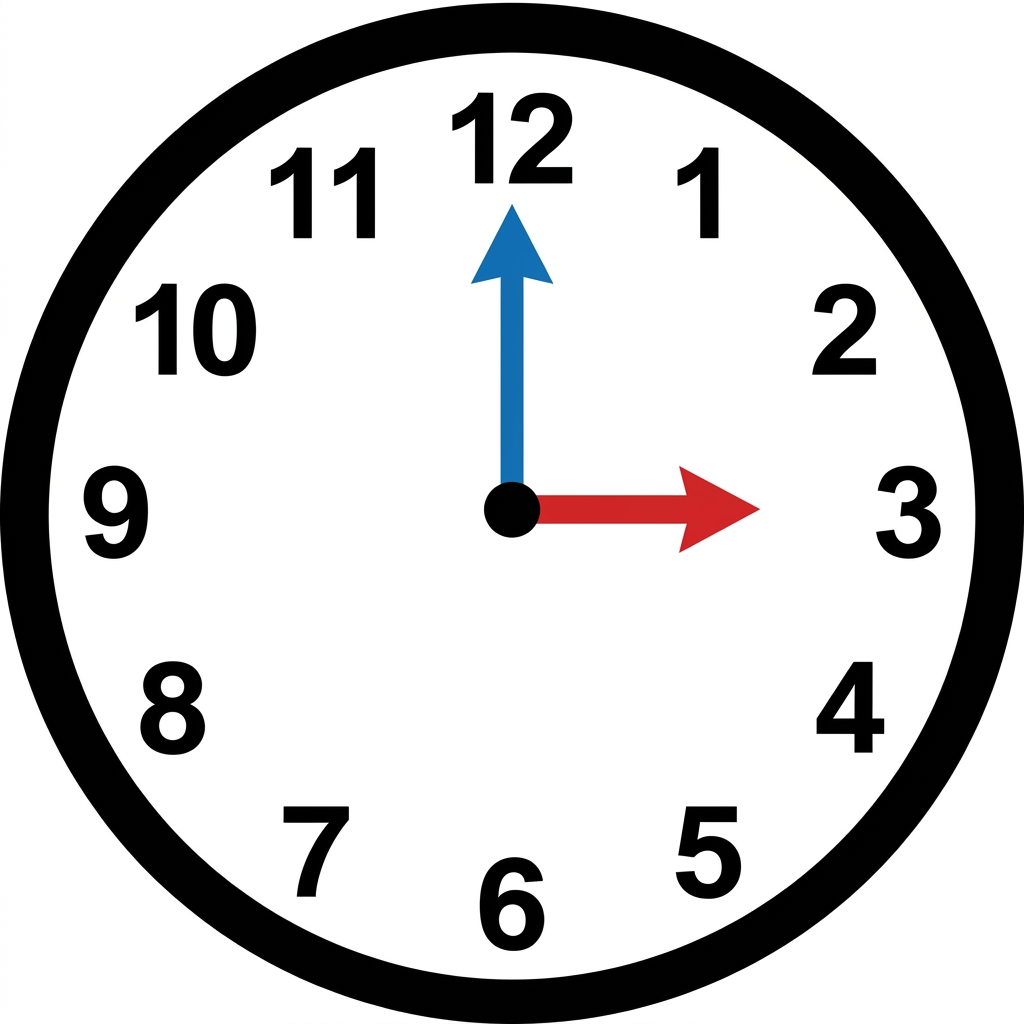
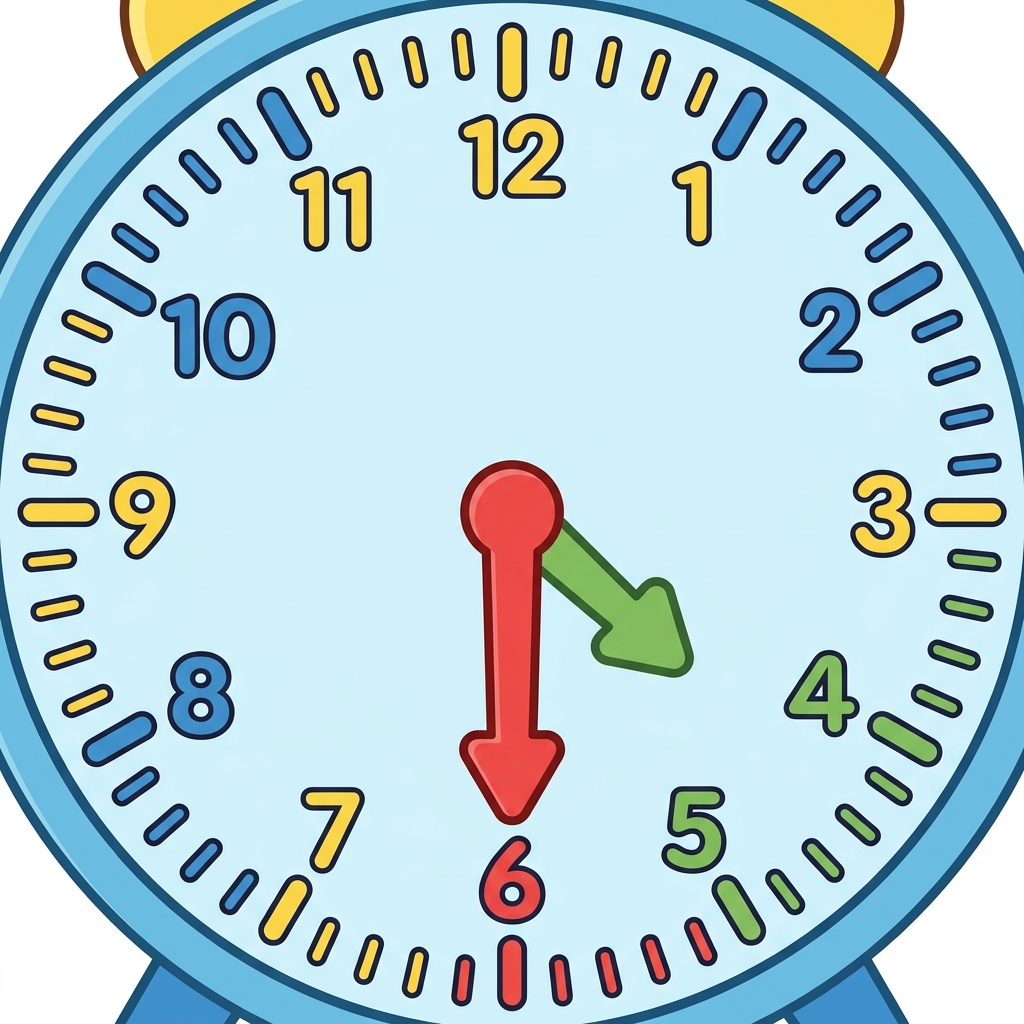
Then the concept. The heart of telling time to the hour is a single relationship: when the long hand points straight up at the 12, the short hand tells you the hour. That is it. If the short hand is on the 3, it is three o’clock. Half-hour time builds on the same picture. When the long hand points straight down at the 6, the hour has gone halfway around, and the time is something-thirty. I am using my own example times here, but the logic is the one the standard asks for.
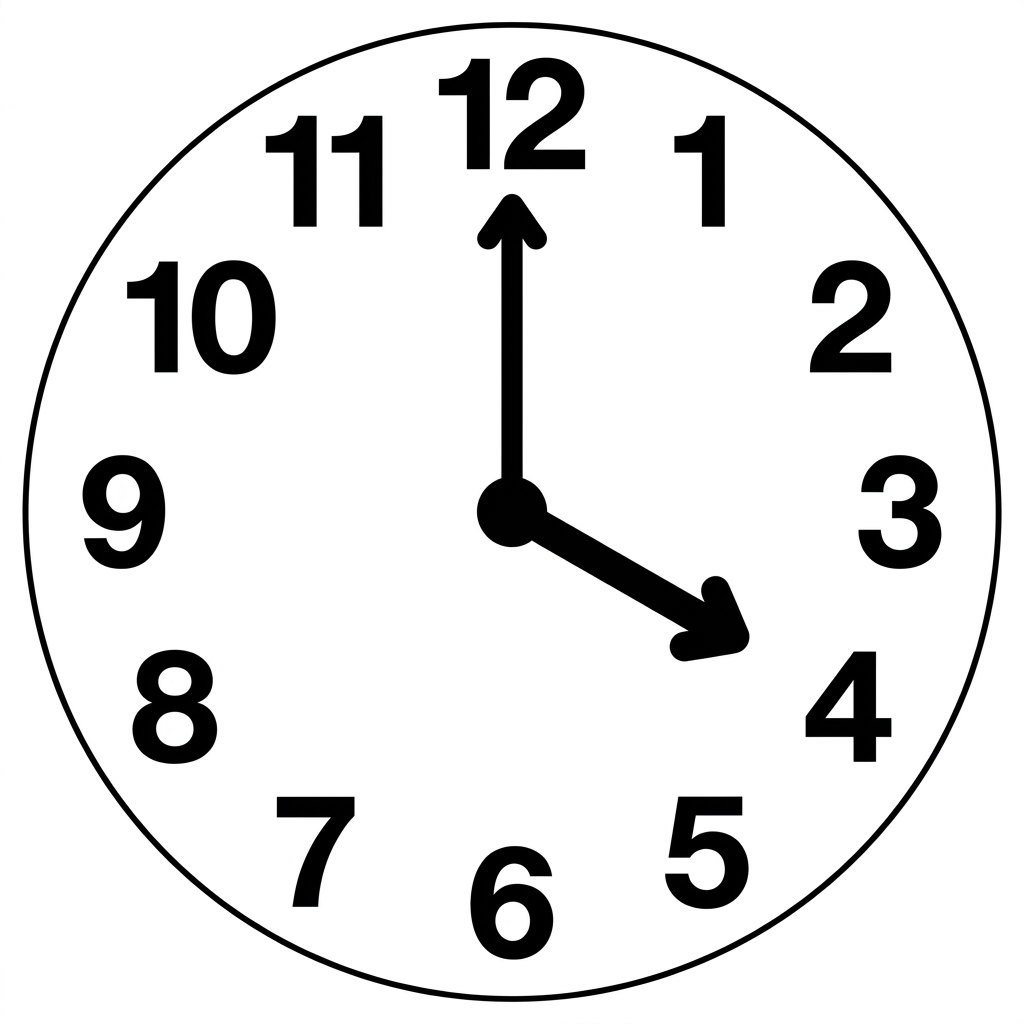
Next comes the skill, and this is where the standard gets specific. Students need to tell time and also write it, in both analog and digital form. So a student looking at a clock face with the short hand on the 4 and the long hand on the 12 should be able to say “four o’clock” and write 4:00. A student looking at a digital display reading 7:30 should be able to picture or show where the hands go. Moving in both directions is what makes the skill stick. A child who can only read a clock face, and freezes at a digital time, has learned half of it.
Guided practice is where the half-hour trips students up, and I want to be honest about that. At half past, the short hand is not sitting on a number. It is between two numbers. A first grader looking at half past two will often say three-thirty, because the short hand is drifting toward the 3. The fix is a simple rule worth repeating in practice: when the hour hand sits between two numbers, the hour is the number it just passed. Students need several reps of this before it feels natural, and a 15-minute lesson gives them a start, not mastery.
Closure, for a lesson this size, should be quick and visible. Show a clock, have students say the time and write it. If they can do that for a time on the hour and a time on the half-hour, the objective is met for the day.
The standard, and where this lesson fits
The lesson is aligned to CA.MATH.1.MD.3, a California Common Core math standard in the Measurement and Data domain, under the cluster called Tell and write time. The text reads: tell and write time in hours and half-hours using analog and digital clocks. In plain terms, it asks first graders for three things at once. They read the time, they record it in writing, and they do both on two kinds of clocks. It stops at the half-hour on purpose. Quarter hours and five-minute intervals come later, so there is no need to rush students toward them.
I have always thought this is one of the friendlier first grade standards. It connects to something students see every day, and progress is easy to spot. A first grader in Capistrano Unified, Elk Grove Unified, Dublin Unified or Escalon Unified is working toward this same standard, because it is the same statewide expectation everywhere in California.
A few terms come up naturally and are worth saying out loud with students:
- hour hand (the short hand)
- minute hand (the long hand)
- o’clock
- half-hour
- analog clock
- digital clock
As for uses, this first grade telling time lesson works as a whole-class assignment on the day you introduce clocks, especially if you have a demonstration clock with movable hands nearby for follow-up. It is also a good fit for a student who missed the week you taught time, since the 15-minute length means they can catch up without losing another full math block. And it suits intervention well, for the student who still guesses at the half-hour after the rest of the class has moved on. Pair it with the classroom clock afterward, and ask that student the time at a few points during the day. The lunch question becomes a chance to practice.
Related lessons
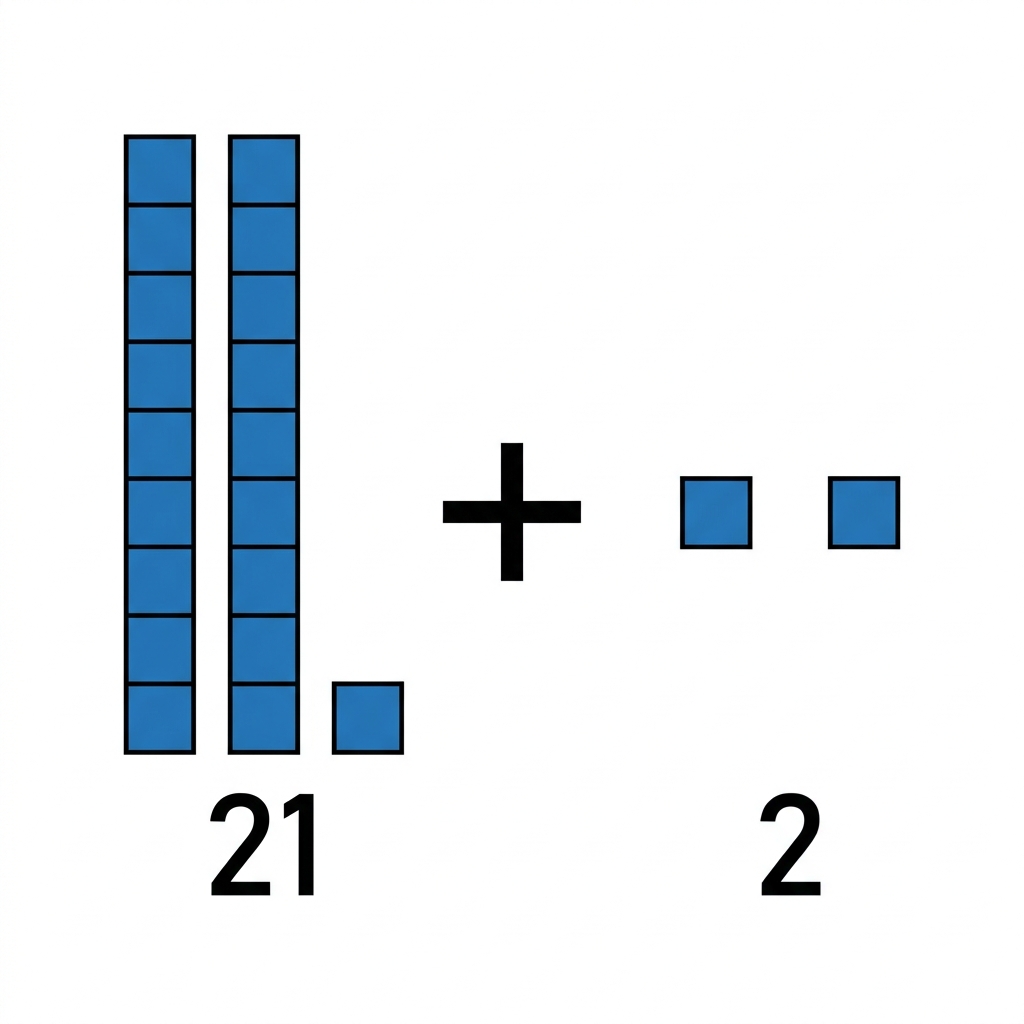
Adding More Together, Combining groups to find how many there are in all
Sharing Fairly, Splitting a group into equal shares so everyone gets the same
Adding and Taking Away, Practicing both addition and subtraction with small numbers