

Helping first graders understand what it means to be part of a group is a common challenge in social studies. The concept of community can be abstract for young children, but finding ways to connect their personal experiences to the broader classroom unit helps them grasp these important ideas.
Breaking down the community concept
Most first graders operate with a very localized definition of community. They often view it strictly through the lens of their own front door or their neighborhood playground. When you try to explain that a group of thirty kids from different families, different origins, and different cultural practices makes up a single team, you are asking them to move from concrete observation to abstract social belonging. It is a big leap for six-year-olds. The first grade social studies lesson We Are One Big Team does a fair job of bridging that gap by focusing on what connects us rather than what separates us.
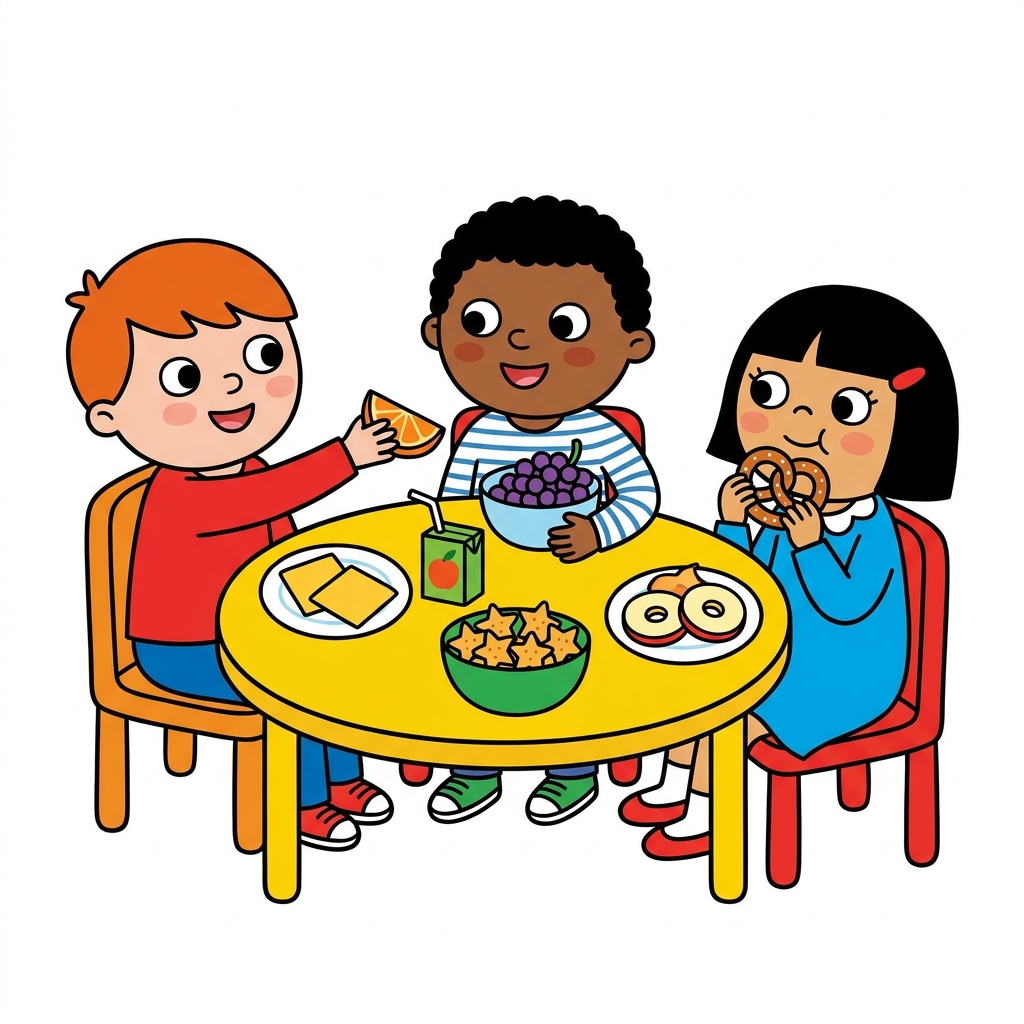
This lesson moves away from the idea that a community is just a location on a map. Instead, it pushes students to consider the shared parts of their lives that exist regardless of their family history. For a first grade teacher, the value here is in how the lesson turns the abstract idea of a shared goal into something a child can actually name. When students begin to realize that they share principles and traditions even if their home lives look different, they start to settle into the idea of a classroom unit more naturally.
Aligning with the standard
The core of this work is tied to CA.HSS-1.5.1, which is the California-adopted standard for this grade level. The standard asks students to “Recognize the ways in which they are all part of the same community, sharing principles, goals, and traditions despite their varied ancestry; the forms of diversity in their school and community; and the benefits and challenges of a diverse population.” This is a heavy lift for a primary student, but the standard asks them to notice the commonalities that bind a diverse group together. Whether you are in Fremont Unified, Visalia Unified, Carmel Unified, or Whittier City School District, this standard serves as the foundation for helping kids understand their role in a wider society.
When you break the standard down, it really has three parts. First, it asks students to identify how they belong to one community while holding onto their own unique backgrounds. Second, it requires them to look at the diversity in their own school. Finally, it touches on the idea that having different viewpoints and backgrounds is not just a fact of life, but a genuine benefit. That last part is often where teachers worry they might hit a wall. Young students can be quick to point out differences, but the lesson helps guide that observation toward appreciating those differences as strengths.
Practical classroom application
Finding a first grade community lesson that avoids being overly simplistic is difficult. Many materials treat the concept of community as a list of public helpers, but this one keeps the focus on the internal mechanics of a group. I have found this material particularly useful for independent study or as a backup plan for a day when the regular flow of the classroom needs a reset. It does not require a pile of supplemental materials or hours of preparation, which makes it a solid choice for a substitute teacher who needs to keep the students focused on social studies objectives without needing to know the complex history of the class dynamic.
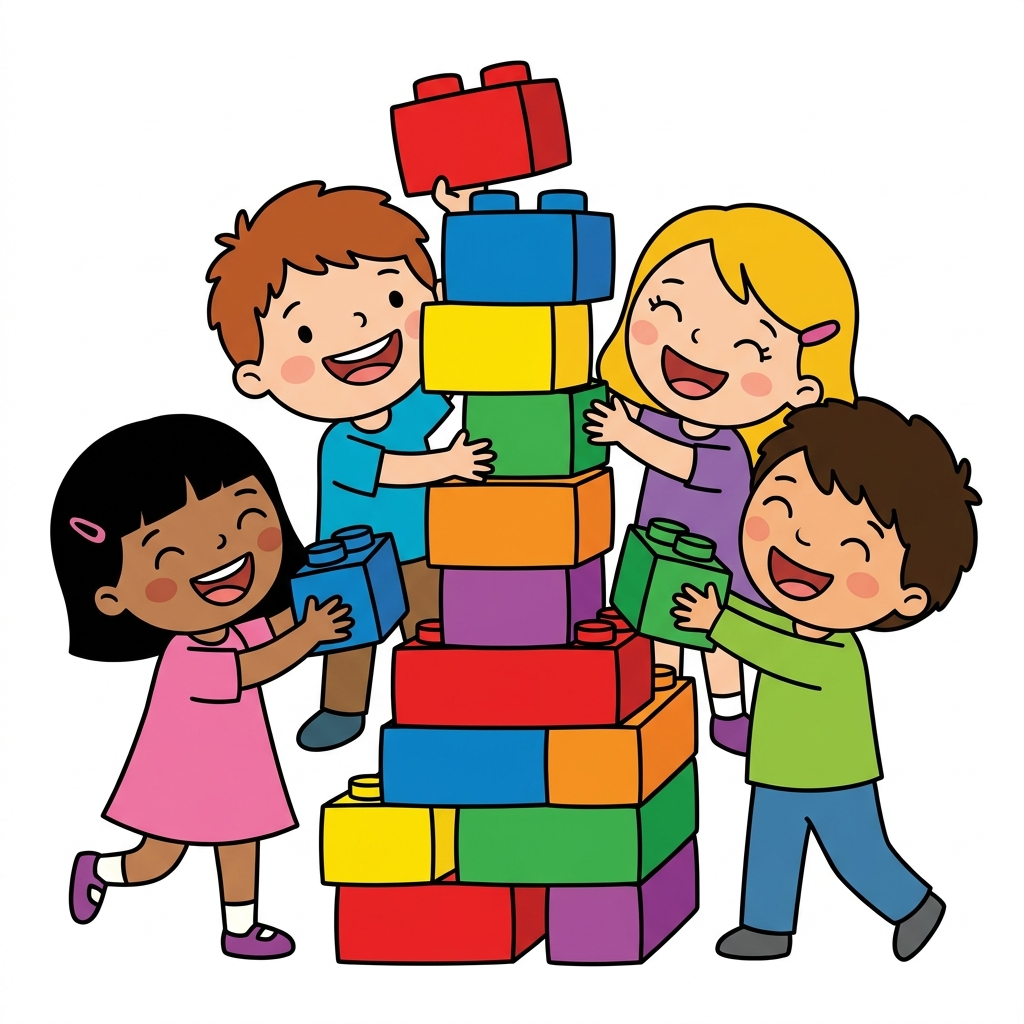
You might find that some students need extra support when discussing the challenges of a diverse population. The lesson handles this by keeping the language accessible and centered on how we treat one another. If you have a student who missed the earlier work on family traditions, this is a good spot to have them catch up because it contextualizes those traditions within the larger group. It turns the focus from what happens at home to what happens when we all gather in the same room. I like that the lesson does not shy away from the idea that community requires effort. It frames the community not as a given, but as something the students actively participate in creating every single day.
There is an inherent limitation here to keep in mind. While the lesson provides the necessary vocabulary and framework, it is up to you to manage the specific stories your students bring into the room. The lesson provides the structure, but the reality of your classroom is the living example. Because the content stays focused on the concepts of principles and goals, it stays manageable for the age group. It is a clean way to cover a standard that could otherwise become overly academic or disconnected from the lived experience of a six-year-old. You can assign this as a whole-class activity or keep it in your rotation for intervention when you need a quiet, focused task that reinforces social awareness.
Related lessons
Our Kind Community, Discussing ways to show kindness to others in the community

Our Special Symbols, Identifying symbols that represent our country and local community
Making Choices, Understanding how individual choices affect the school and community environment