

Some eighth graders need RL.8.9 a second time, and this lesson is a sensible place to send them.
Reimagining Myths in Modern Fiction is an eighth grade English language arts lesson from the ELA 8 Reading: Literature course, and it runs about 45 minutes. I’m writing this one for the counselor, the intervention teacher, or the independent-study coordinator who has a student’s name on a list and a gap next to it. You want to know what the student will actually do, whether it fits in one sitting, and whether the classroom teacher will be able to tell the standard got covered. Short answers: a focused look at how modern stories borrow from old ones, yes, and yes, if you set it up with one small step I describe below.
What the lesson actually asks students to do
The objective is plain. Students analyze how modern stories borrow themes and character types from traditional myths to create something new. That last part matters more than it looks.
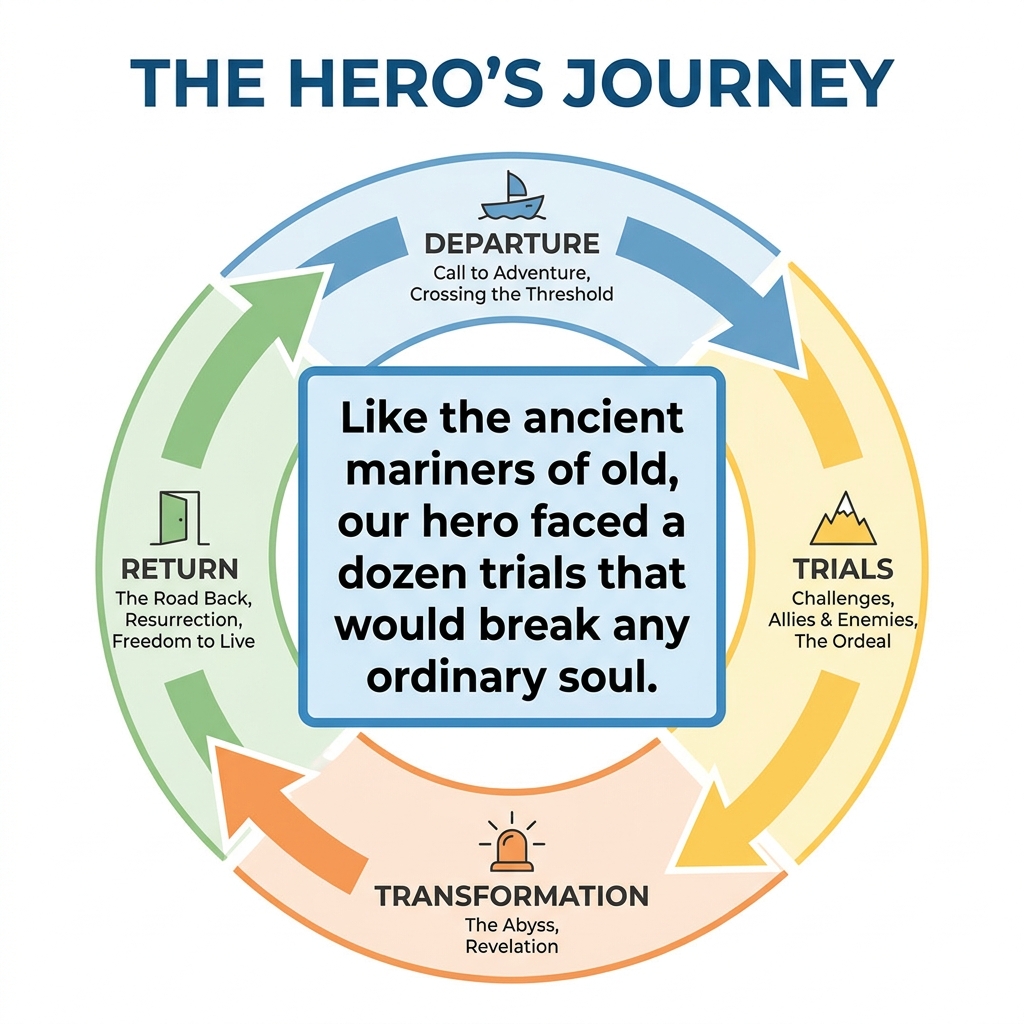
The lesson opens by reminding students that readers build understanding by noticing patterns, recurring elements that help predict how a character will act or how a plot will unfold. It uses the Odyssey as the anchor: Odysseus faces a string of hard tasks on his long way home, and those tasks test both his courage and his wit. That gives students a familiar shape to hold onto before anything new arrives.
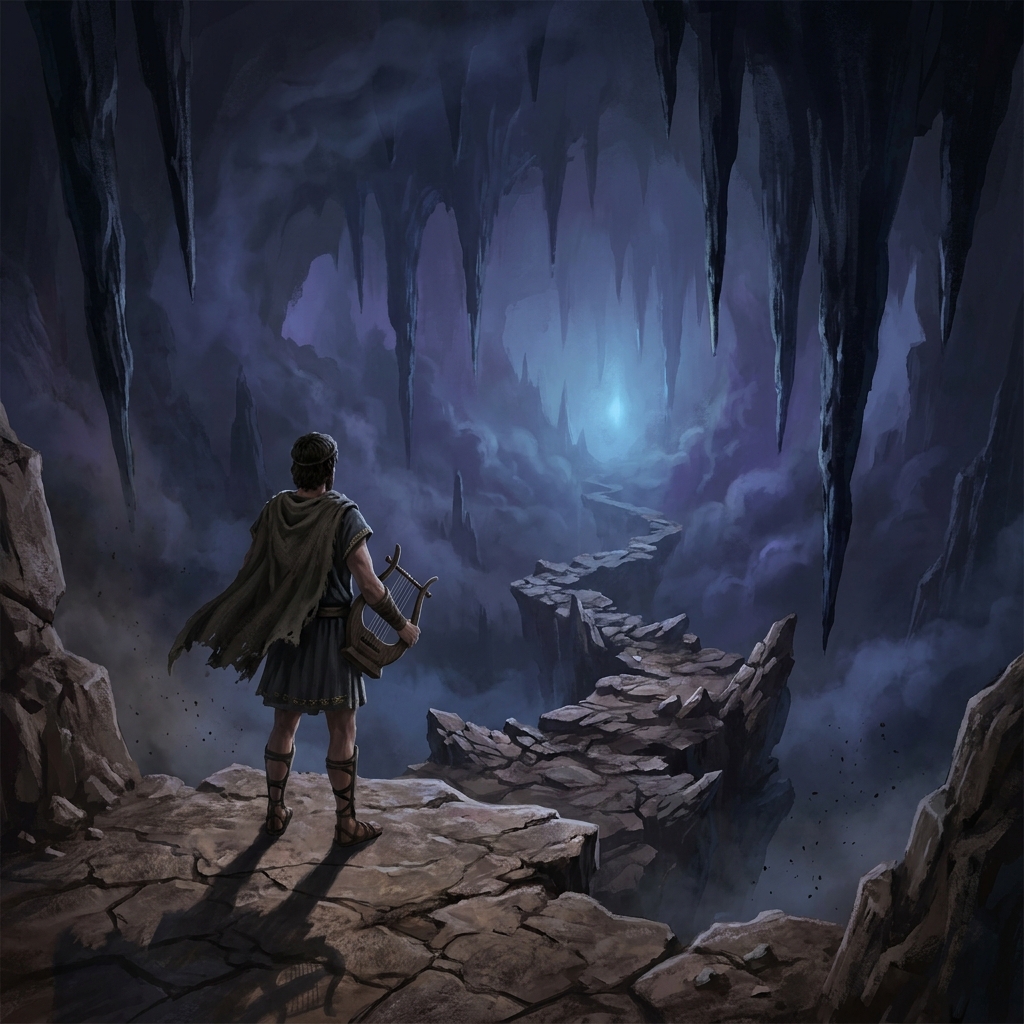
The worked example is the myth of Orpheus, who goes down into the Underworld to bring back his wife. The lesson treats this as a motif: the Underworld as a dangerous place a hero has to enter to reach a goal, with the descent into the dark standing for the hero’s internal growth and for how much is riding on the mission. I like this choice. It’s a short myth, the stakes are obvious, and the idea of a literal descent standing for an internal one is something a student can carry into almost any book.
Then comes guided practice on a passage from a sports drama about a young athlete who has to get through a series of physical challenges to win a championship. This is where students do the real work of the standard. A kid who has been nodding along now has to say, out loud or on paper, that the athlete’s string of trials echoes the hero facing tasks, and then say what’s different about a gym and a championship compared with an ancient sea voyage.
Three vocabulary terms carry the lesson:
- Archetype: a classic character type, symbol, or pattern of events that shows up again and again across cultures and eras.
- Allusion: a brief, indirect reference to a person, place, thing, or idea with historical, cultural, literary, or political weight.
- Reimagining: retelling an existing story or myth in a new setting or context so it takes on fresh meaning.
The standard behind all of this is CA.ELA.RL.8.9, the California Common Core standard in the Reading: Literature domain, under Integration of Knowledge and Ideas. It asks students to analyze how a modern work of fiction draws on themes, patterns of events, or character types from myths, traditional stories, or religious works, and to describe how that material is rendered new. California’s version adds a phrase I appreciate: it names traditional myths and stories from various cultures, which widens the pool beyond the Greek and biblical examples students usually get. The national wording, CCSS.ELA-LITERACY.RL.8.9, is the same expectation on the same lesson page, so a student working this lesson is meeting both at once rather than doing two separate things.
Here’s my honest opinion about the standard. Spotting the borrowed pattern is the easy half. Most eighth graders can say a story “is like” a myth. The half they skip is explaining how the material is rendered new, and that’s the half that shows up on assessments and in essays. This lesson keeps returning to that second half, which is the main reason I’d pick it for review.
It’s the same standard whether a student sits in Tulare City School District, Moreno Valley Unified, San Leandro Unified, or Evergreen Elementary School District; California teaches RL.8.9 the same way statewide, so a student who changes schools mid-year isn’t learning a different target.
Where it fits and what to watch for
Forty-five minutes makes this a good fit for three situations. First, a student who missed the week the class covered myth and modern fiction: one sitting closes that gap cleanly. Second, intervention, where a student who keeps writing plot summary instead of analysis needs a structured example and a practice passage. Third, independent study, because the lesson moves from opener to worked example to guided practice in an order a student can follow without someone at the elbow.

About getting the work back to the classroom teacher. Because the lesson is tied to a single standard, it’s easy to log: you can record it against CA.ELA.RL.8.9 and the teacher knows exactly which skill was revisited. I’d add one step of my own. Ask the student to finish by writing two or three sentences about the sports drama passage: which mythic pattern it borrows, and one thing the new setting changes. Send that to the teacher with the completion. It takes the student five minutes and gives the teacher real evidence instead of a checkmark.
The caveat. The lesson works with short passages, not a full novel. A student will practice the move in miniature, which is right for review, but connecting it to whatever book the class is reading takes a follow-up conversation with the teacher. Don’t expect the lesson alone to produce a literary essay.
If you have a student on your list who needs this standard again, the eighth grade myths in modern fiction lesson is ready to assign, and the Orpheus example alone is worth the 45 minutes.
Related lessons

Analyzing Narrative Elements, Examining how the parts of a narrative work together
Analyzing Complex Literary Texts, Reading and analyzing challenging works of literature closely
Adapting Stories: Script to Screen, How a written story or script changes when filmed