

Balancing the demands of the 11th grade history curriculum requires efficiency, especially during the packed spring semester. Finding resources that meet specific state standards while allowing for independent study can make a significant difference in keeping your pacing on track. This approach ensures that important units on post-World War II economic development receive the attention they deserve without disrupting your overall schedule.
Managing the timeline for your US History class
It happens every spring. You check your calendar, look at the remaining weeks in the semester, and realize you are staring down the post-World War II era with far less time than you need. By the time you reach the late 1940s and 1950s, the pressure to cover everything from the Cold War to the Civil Rights Movement often leaves the economic transformation of the era on the cutting room floor. If you teach eleventh grade US History and Geography, you know that this section of the curriculum is essential for understanding how the modern state functions. When a student misses class or you find yourself behind schedule, you need a way to cover the material that is both efficient and academically sound.
This is where Mexican Labor and the California Agricultural Economy steps in to help. It is designed to fit into a forty-five minute block, which makes it perfect for a substitute day or an independent study session when you cannot lead the discussion yourself. Many colleagues in districts like Visalia Unified, Long Beach Unified, Barstow Unified, and Fillmore Unified use these materials to keep their pacing on track without sacrificing the rigor that the state framework requires. The material is straightforward and relies on specific historical context rather than broad generalizations about labor.
Understanding the economic relationship
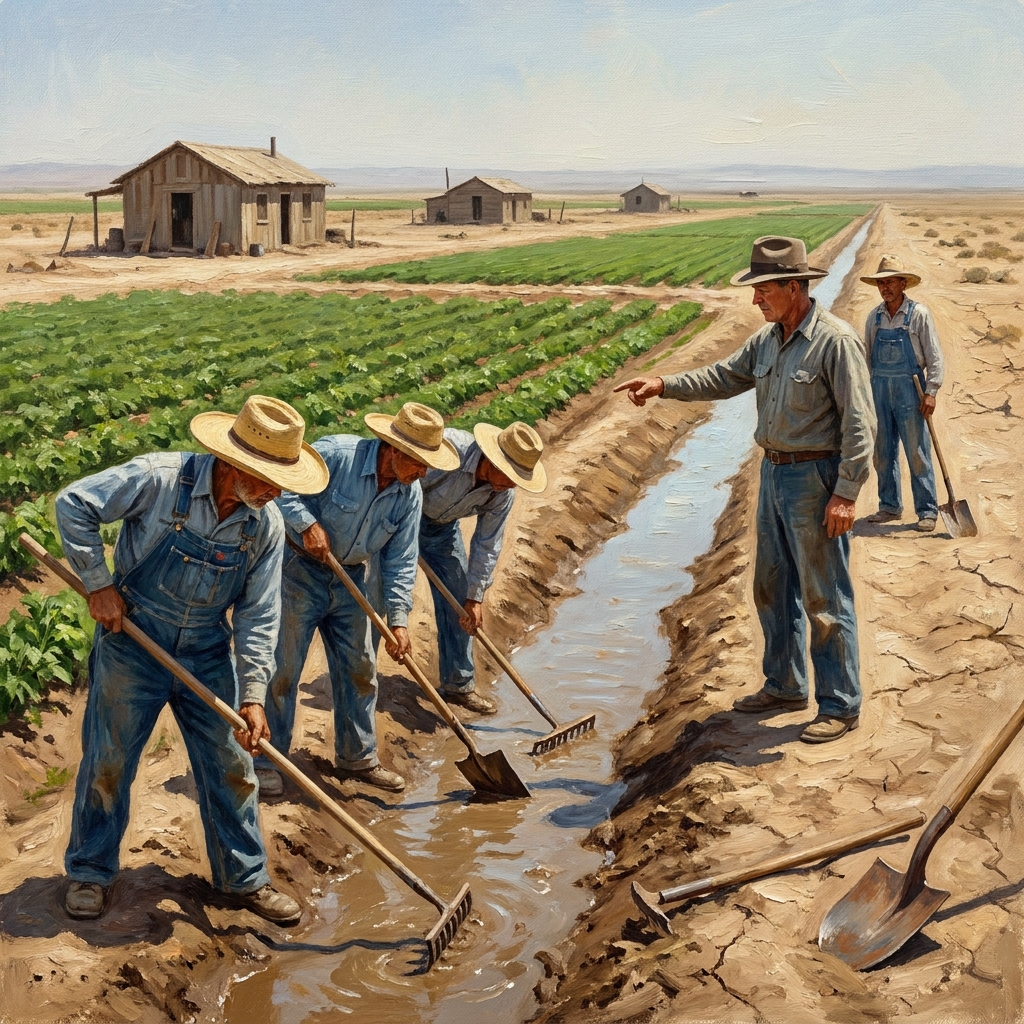
The core objective here is to help students grasp the connection between historical immigration patterns and the production systems that keep the state running. The lesson uses the Imperial Valley as a worked example. It explains how irrigation systems turned dry desert land into fertile farmland, which then created a massive demand for manual labor. The logic is simple but often overlooked by students: a farm depends on a consistent workforce to harvest crops at the exact moment of ripeness. If the workers are not there when the fruit or vegetables are ready to be picked, the crops spoil in the field.
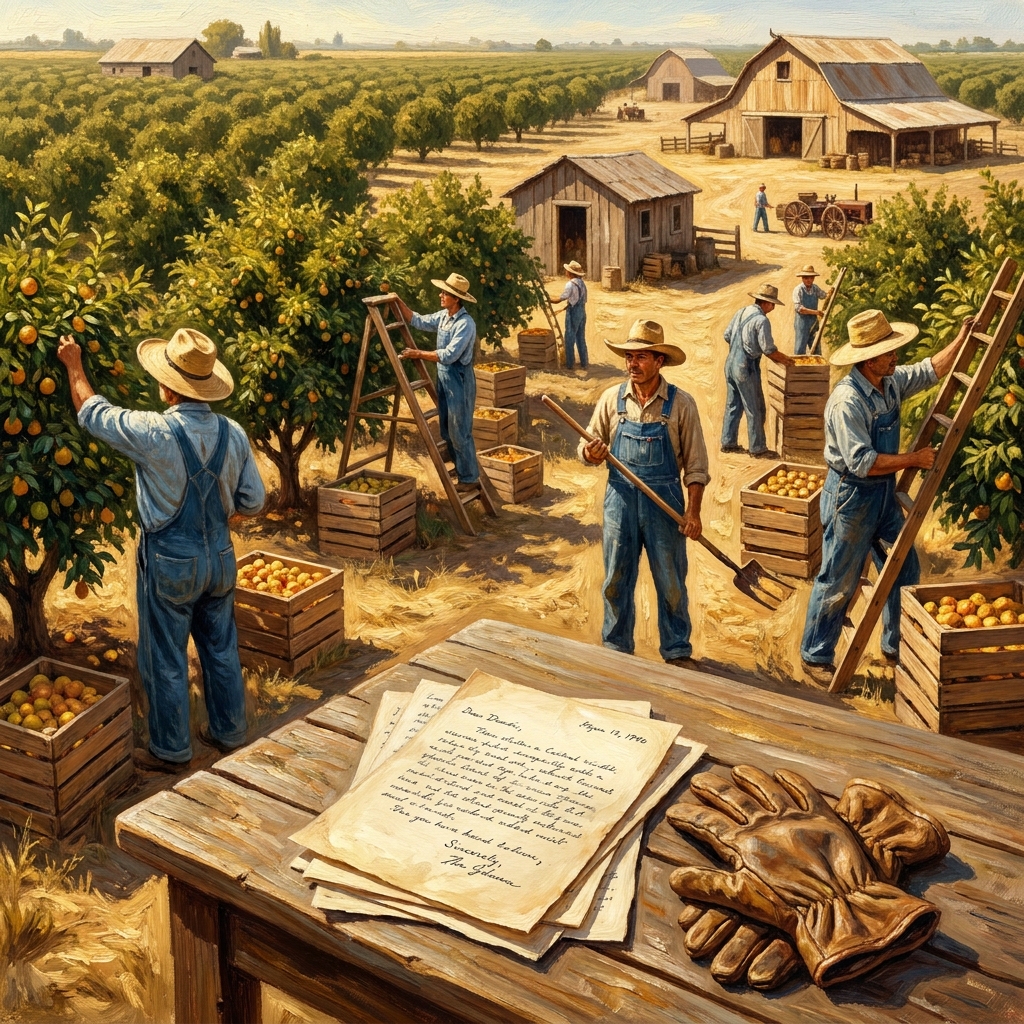
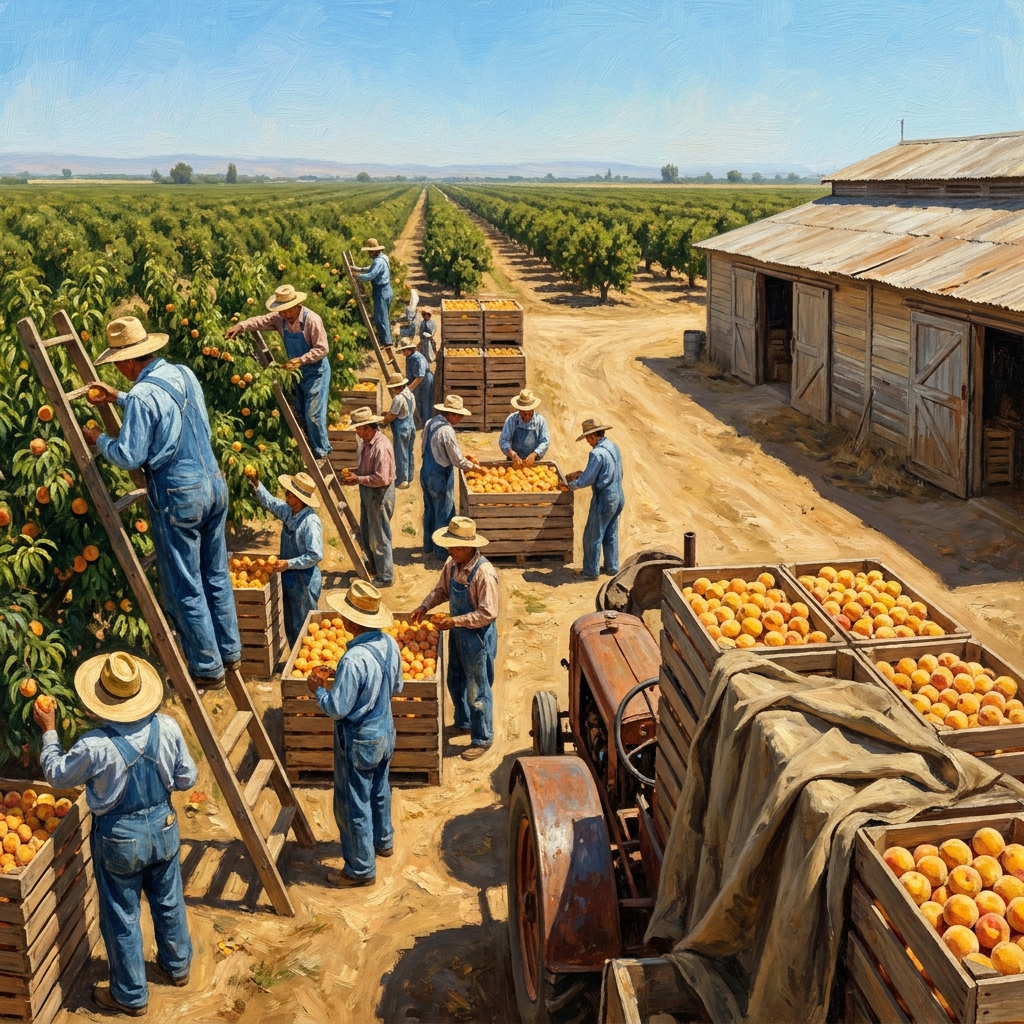
Students look at the California agricultural history lesson to analyze how the Bracero Program shaped these labor patterns from 1942 until it ended in 1964. The vocabulary list is manageable and clear: they work with terms like agricultural economy, which is the system of producing and distributing crops that serves as a primary source of wealth in a region, and migrant labor, referring to workers who travel to follow seasonal harvests. By engaging with these concepts, students connect past government agreements to the food supply chain we see today.
This content satisfies CA.HSS-11.8.2, which requires students to describe the significance of Mexican immigration and its relationship to the agricultural economy in California. This is the California-adopted standard for the eleventh grade, and it functions as part of the broader cluster for HSS-11.8 where students analyze the economic boom and social transformation of post-World War II America. One limitation of this digital format is that it cannot replace the nuance of a classroom debate about the social implications of the Bracero Program, but it does an excellent job of establishing the historical facts that students need before they can start that conversation. Using this resource for a student who missed the week or as a whole-class assignment allows you to move through this unit with confidence that the technical requirements of the standard are met while you turn your attention to the next era on your syllabus.
Related lessons
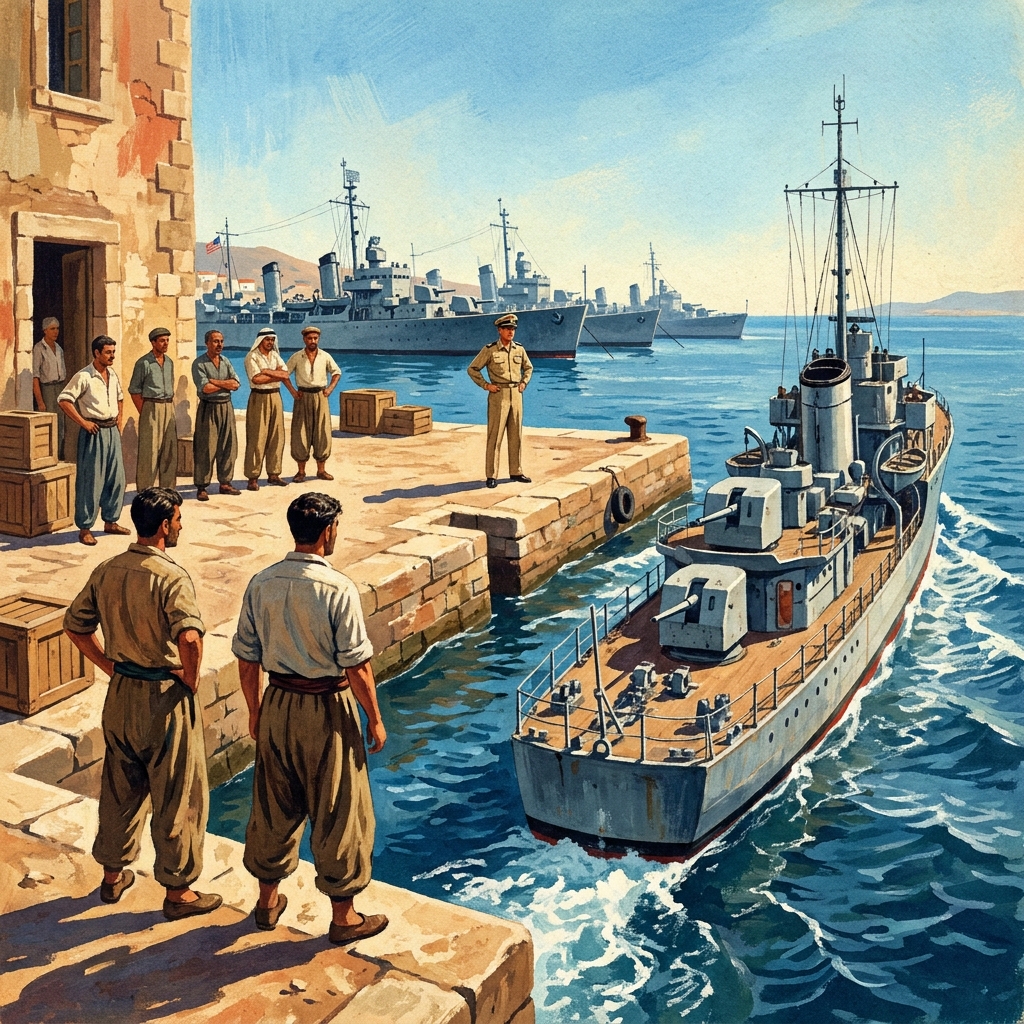
The Global Shift: From the British Empire to U.S. Leadership, Historical transition from British imperial power to American global leadership

Post-War Prosperity and the Changing American Society, Economic growth and social shifts in post-World War II America

Liberty and Security on the Home Front, Balancing civil liberties and national security during wartime conditions