

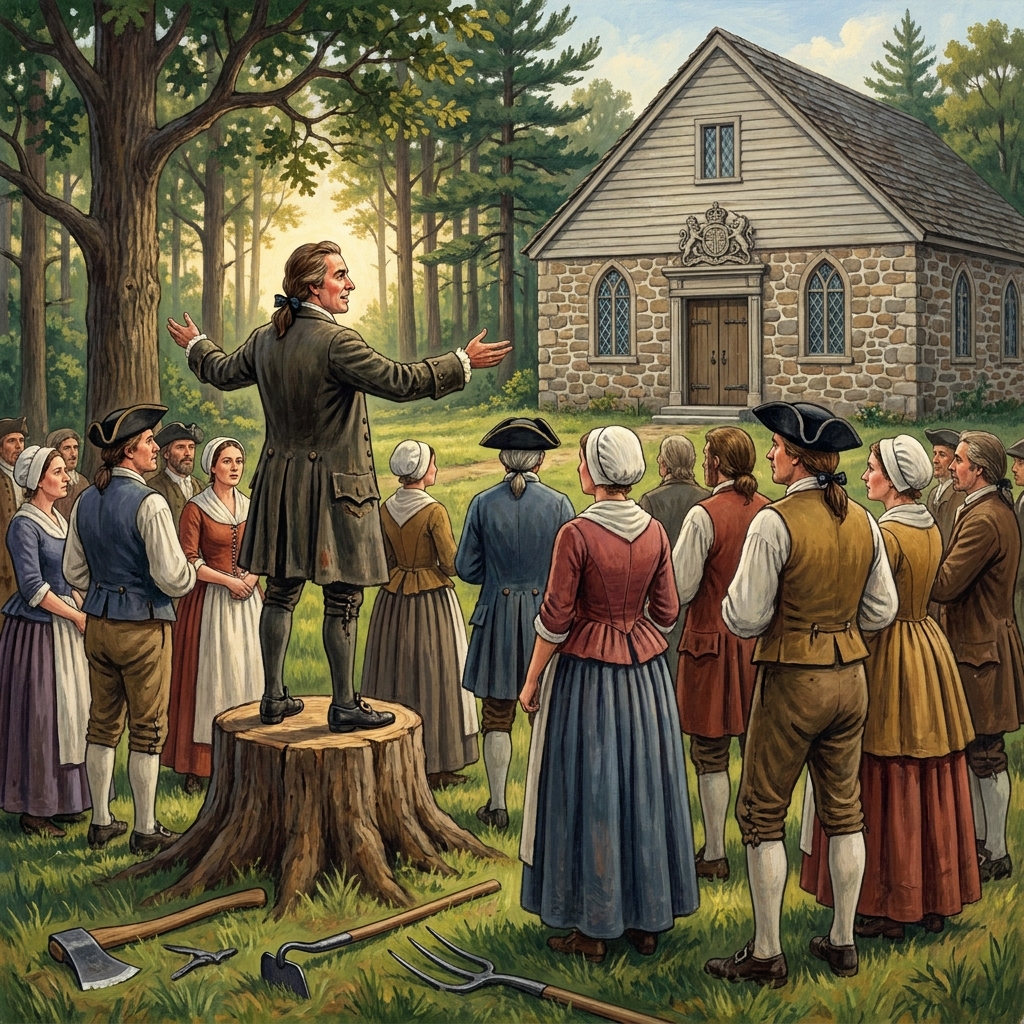
“Describe the relationship between the moral and political ideas of the Great Awakening and the development of revolutionary fervor.” That is the exact language of CA.HSS-8.1.1, but for many eighth graders, this standard feels like an abstraction. Students often make the mistake of viewing the religious revivals of the 1700s as separate from the political upheaval of the American Revolution. They see the church as a personal, private space and struggle to grasp why a preacher in a field matters to a soldier at Bunker Hill. This lesson helps bridge that gap by showing how the shift toward personal faith challenged the rigid hierarchy of the day.
Connecting faith to political rebellion
This Faith and Freedom: The Great Awakening and the American Revolution lesson starts by situating students in the 1700s, where colonial life was deeply tied to the church. It introduces key concepts like the Great Awakening, which it defines as a series of religious revivals emphasizing personal faith and individual connection to God. By comparing the ‘New Light’ preachers to the state-sanctioned Anglican Church, the lesson provides a concrete worked example: when those preachers held independent meetings, they were teaching colonists that established, government-backed institutions were not the only source of truth.

This is where the “revolutionary fervor” comes in. The material defines this as the intense, widespread desire for political change that often begins when people start questioning the authority of established leaders and institutions. It is a fantastic way to illustrate that the spirit of liberty did not just appear overnight; it was practiced in meeting houses and churches long before it moved into the halls of government.
Classroom use and practical application
If you are looking for a solid 8th grade US history colonial era lesson, this fits well for a whole-class assignment or a substitute day where you need students to dig into primary conceptual work. The guided practice moves the class into a colonial tavern, where students examine how political dissent was often masked or supported by religious arguments. It is a smart way to get them to see the tavern as the social media of its day, where news and ideas were traded over drinks and food.
The standard asks that students understand how those moral ideas translated into the political ideas that founded our democracy. Districts like Pajaro Valley Unified, Ontario-Montclair School District, Antioch Unified, and Vallejo City Unified all hold students to this same California-adopted standard. It is consistent across our state, and this resource does a clean job of keeping the focus on how individual conscience, the ability to decide right from wrong outside of a government mandate, eventually paved the way for self-governance.
Where students slip
The biggest hurdle here is the vocabulary. Terms like hierarchy can feel dusty to an eighth grader until you relate them to their own lives, such as the social structures they see in school or sports teams. The lesson successfully anchors this by pointing out that today, when citizens organize to advocate for change at a town meeting or through voting, they are participating in that same tradition of questioning authority. My only caveat is that the discussion can get quite philosophical, so keep a few concrete examples of modern protest or public organization ready if your class is the type that needs a bridge to the present day to get interested in the past. It is a short, 45-minute sprint, but it packs enough punch to help students see the link between a pulpit and a ballot box.
Related lessons
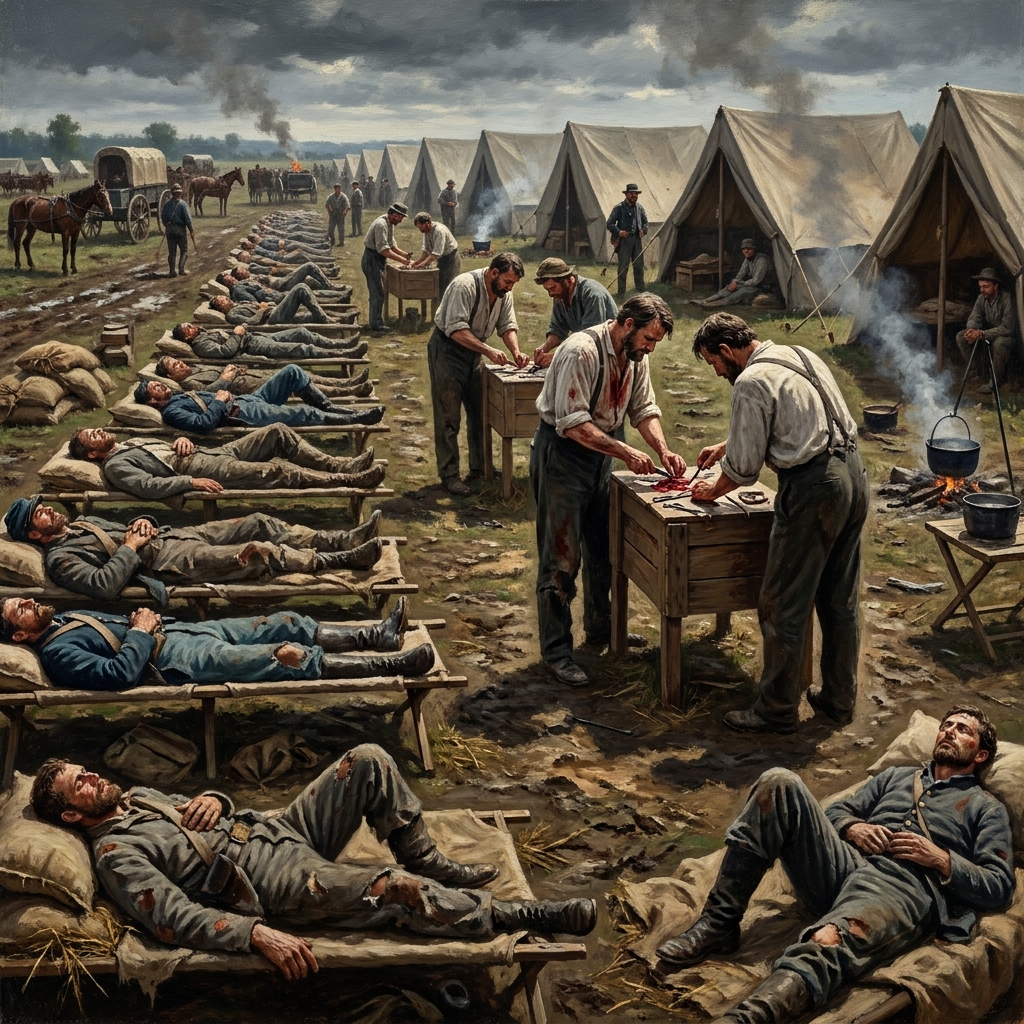
The American Civil War: A Nation Transformed, Examines the shifting political landscape during the American Civil War
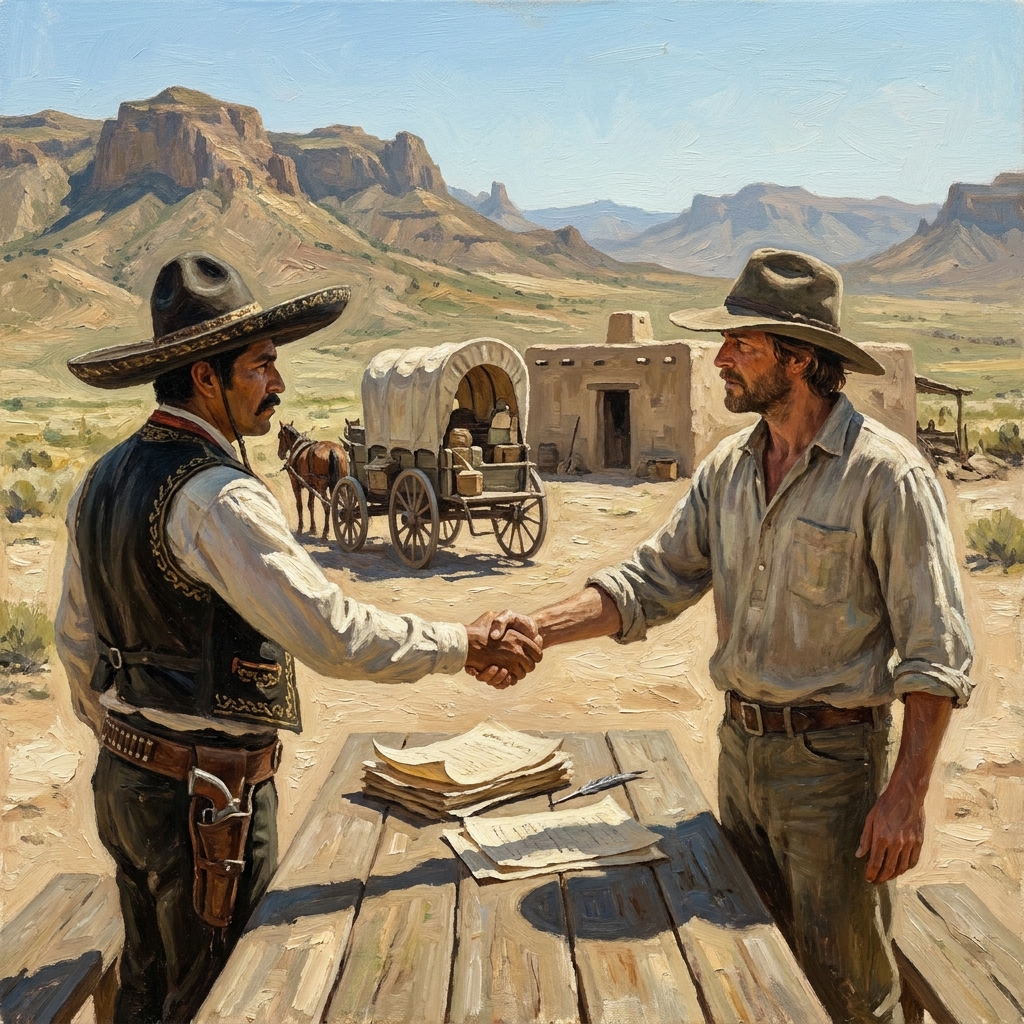
Expansion and Conflict: Texas and the Mexican-American War, Discusses territorial growth and the ensuing conflict over western lands
Building a Unified National Economy, Explores the development of markets and infrastructure in early America