

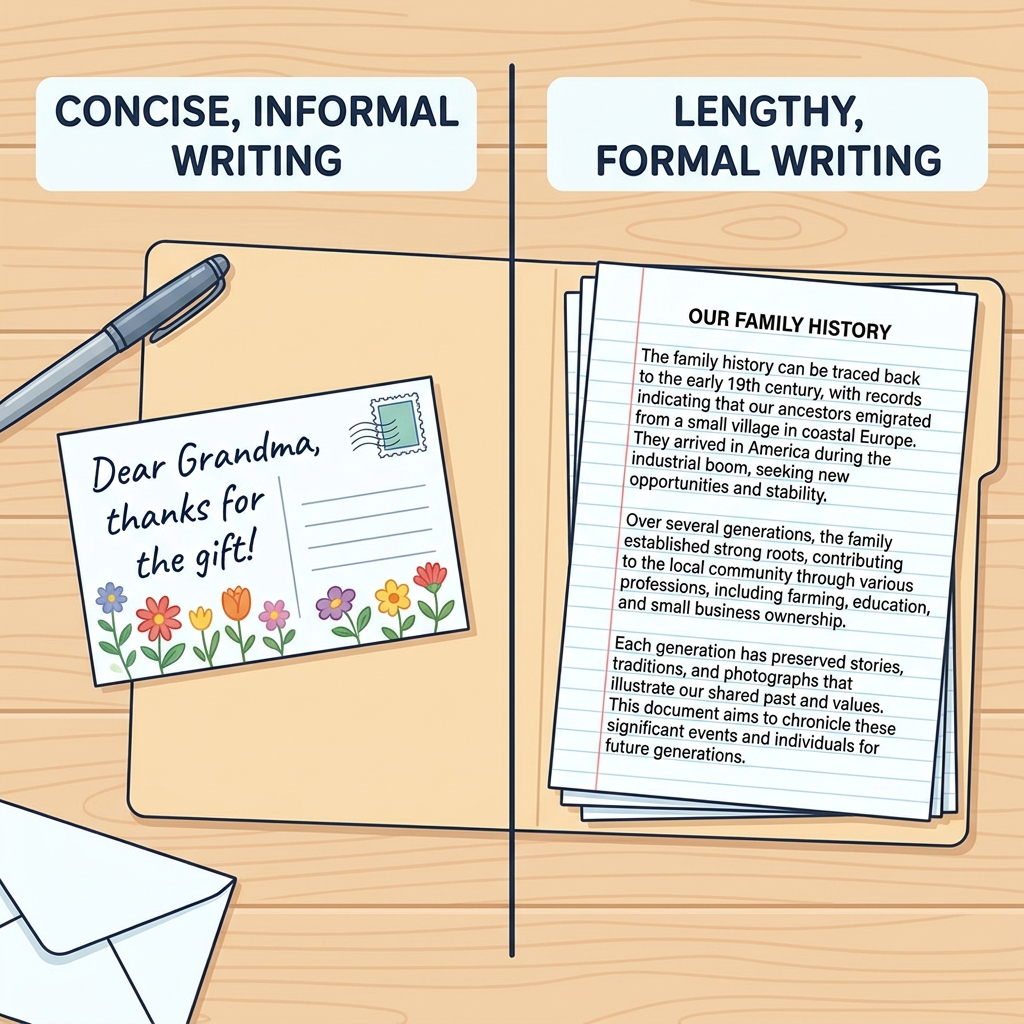
By the time students reach 8th grade English Language Arts, they have spent years mastering the basics of sentence structure and paragraph organization. The problem I see most often is that they think one single voice works for every task. They use the same informal, conversational style for a research paper that they would use for a quick note to a friend. When they hit that wall, they need a clear, structured way to pivot.
This is where Adapting Your Writing for Different Tasks makes a significant difference. It is designed to interrupt that habit of writing everything in the same tone. The lesson pushes students to analyze who is going to read their work and why they are writing it in the first place. These two ideas are defined clearly: purpose is the specific reason you are writing a piece of text, and audience is the group of people who will read it.
What the lesson actually asks students to do
The core of this eighth grade writing purpose lesson is to teach students that style and length must shift to match the situation. The material uses a practical example: a research paper about the Industrial Revolution requires a formal tone because the reader is usually a teacher or an expert. The lesson provides a concrete example of a formal research proposal: “This study aims to investigate the impact of urban green spaces on local air quality.” Students compare this to other forms of writing, like journalism, where the needs of breaking news require a different speed and level of detail compared to a feature story.
Teachers in San Francisco Unified, Escondido Union School District, Middletown Unified, and Central Elementary School District all use this framework to meet the requirements of CA.ELA.W.8.10. This is the California-adopted standard that asks students to write routinely over extended and shorter time frames for a range of discipline-specific tasks, purposes, and audiences. This lesson also covers CCSS.ELA-LITERACY.W.8.10, which adds the importance of focusing on revision and reflection as part of that routine writing process. It is the same requirement taught across the state, focusing on the flexibility required for academic and professional communication.
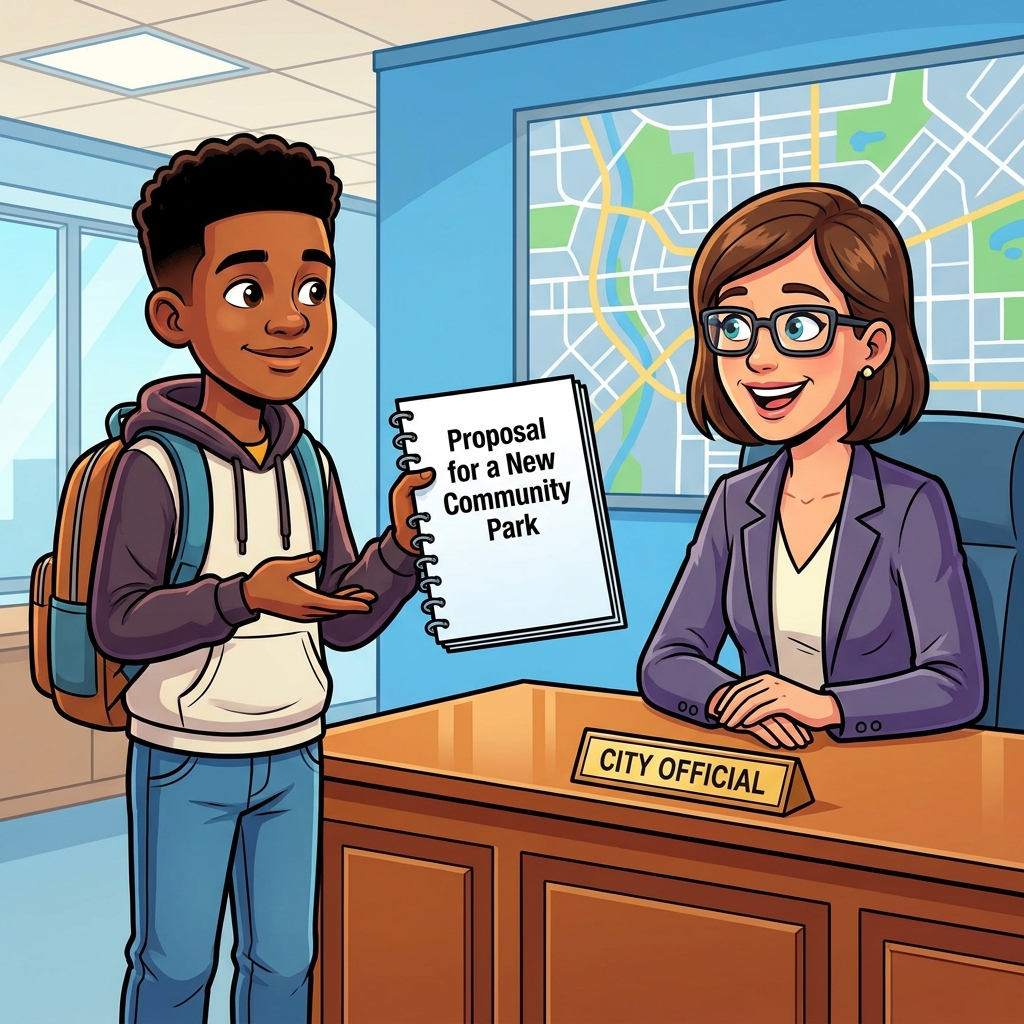
I appreciate how the guided practice moves away from abstract concepts. It asks students to imagine they are working on a science inquiry project about local water quality. This forces them to apply the skill immediately. They have to decide if their writing is for a city council meeting, a local newspaper, or a classroom lab report. The lesson takes about 45 minutes, which is exactly how much time you need to get them to see the shift in their own work.
Where students slip
The most common hurdle I witness is that students feel like being formal means using complex, confusing words. They try to sound academic and end up sounding robotic. This lesson helps by showing that formal writing is really about being clear, concise, and purposeful. It is about removing the fluff that clutter their writing when they try too hard to sound like an adult. You can help your class by emphasizing that the best writing is the kind that tells the audience exactly what they need to know without extra noise.

This lesson is perfect for a few different classroom situations. It works well as a whole-class assignment when you are introducing a new writing unit. I also find it incredibly helpful for a student who missed the week, as the guided practice is intuitive enough that they can catch up without needing you to reteach the entire concept. It is also a solid choice for a substitute day because the material is self-contained and requires the students to think critically about their own work rather than just completing a worksheet.
One caveat to keep in mind is that some students will need extra modeling to understand the difference between a “formal” tone and a “stiff” one. I suggest walking them through the science project example provided in the lesson before turning them loose. You might even ask them to rewrite one sentence from their project in two different ways: one for a friend and one for a scientist. The contrast is usually enough to make the lightbulb go on. Teaching students to adjust their voice is a slow process, but it is one of the most practical things you can give them for their future writing tasks.
Related lessons
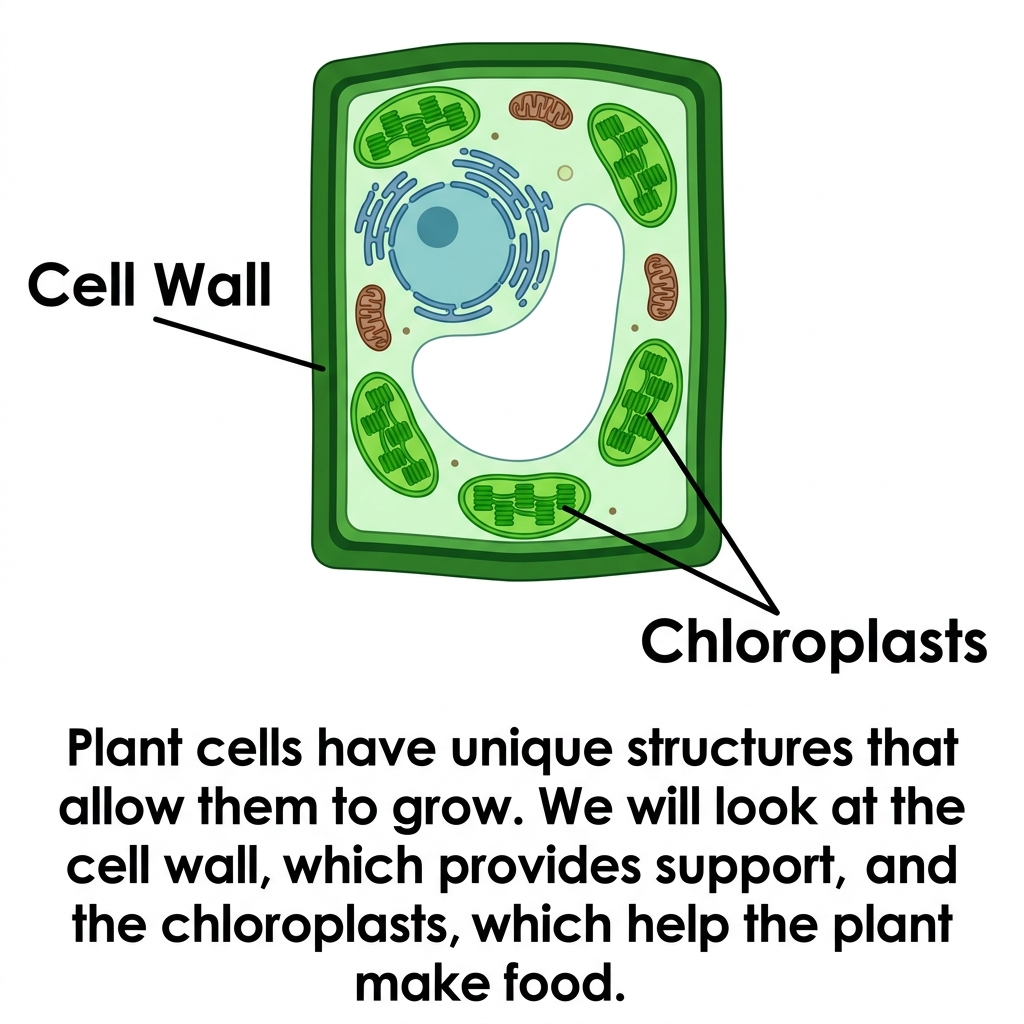
Constructing Informative Texts, Drafting factual pieces for diverse academic and real-world audiences
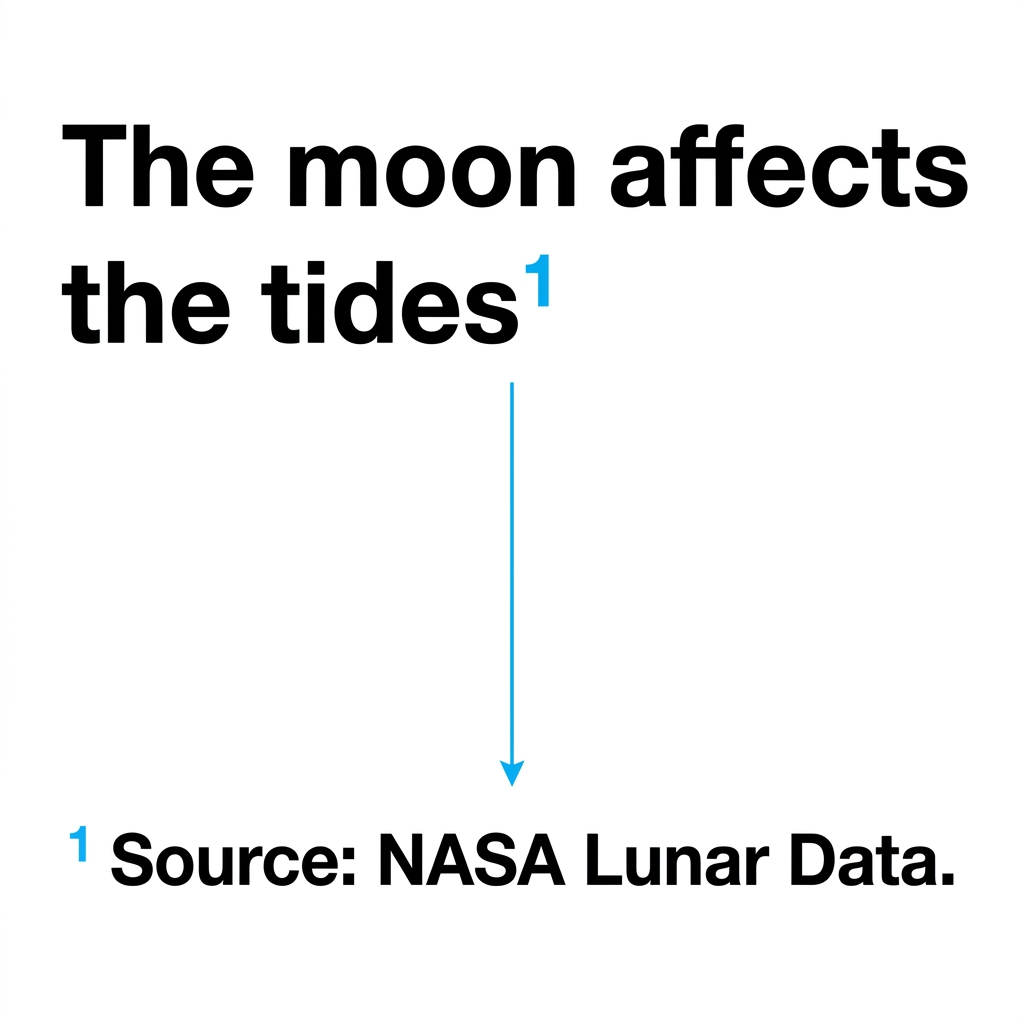
Building Credible Research Arguments, Developing supported claims for formal research and academic writing

Writing for Your Audience and Purpose, Selecting tone and style to match specific reading groups