

I remember a parent asking me years ago why their student needed to spend time listing factor pairs when they already knew their basic multiplication facts. It is a fair question. To a student, finding factors can feel like busy work if they do not see how it acts as the bridge between simple arithmetic and the more complex world of fractions and division. In the fourth grade mathematics classroom, this is where we begin to move beyond the rote memorization of products to a deeper understanding of how numbers are built.
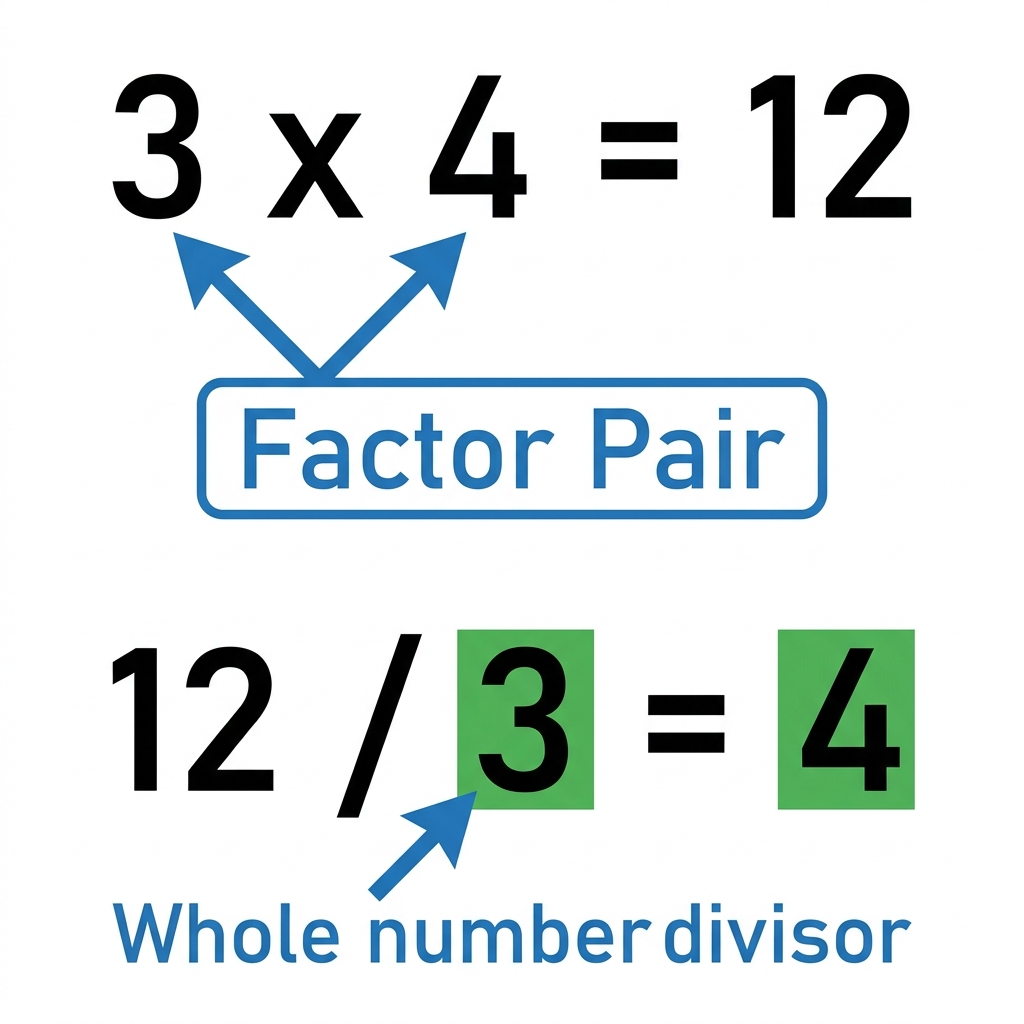
The lesson Finding Factor Pairs is a straightforward way to introduce these concepts in a fourth grade setting. It is designed to fit right into your Operations and Algebraic Thinking unit, where students need to gain familiarity with factors and multiples. The lesson builds on the idea that multiplication helps us find a total using equal groups, which is a concept your students likely solidified in the previous grade. It introduces the definition of a factor as a whole number that divides another number exactly without leaving a remainder. When we find two numbers that multiply to reach a specific total, those two numbers are called a factor pair.
This material aligns with the California-adopted standard CA.MATH.4.OA.4. This standard asks students to find all factor pairs for a whole number in the range 1-100 and to recognize that a whole number is a multiple of each of its factors. Students in Oakland Unified, Elk Grove Unified, Santa Monica-Malibu Unified, and Victor Elementary School District all work toward this same standard, as it provides the foundation for simplifying fractions and working with common denominators later in their schooling. When a student struggles with finding the greatest common factor or identifying equivalent fractions in fifth or sixth grade, the root of the problem is almost always a shaky grasp of these very basics.
What the lesson actually asks students to do
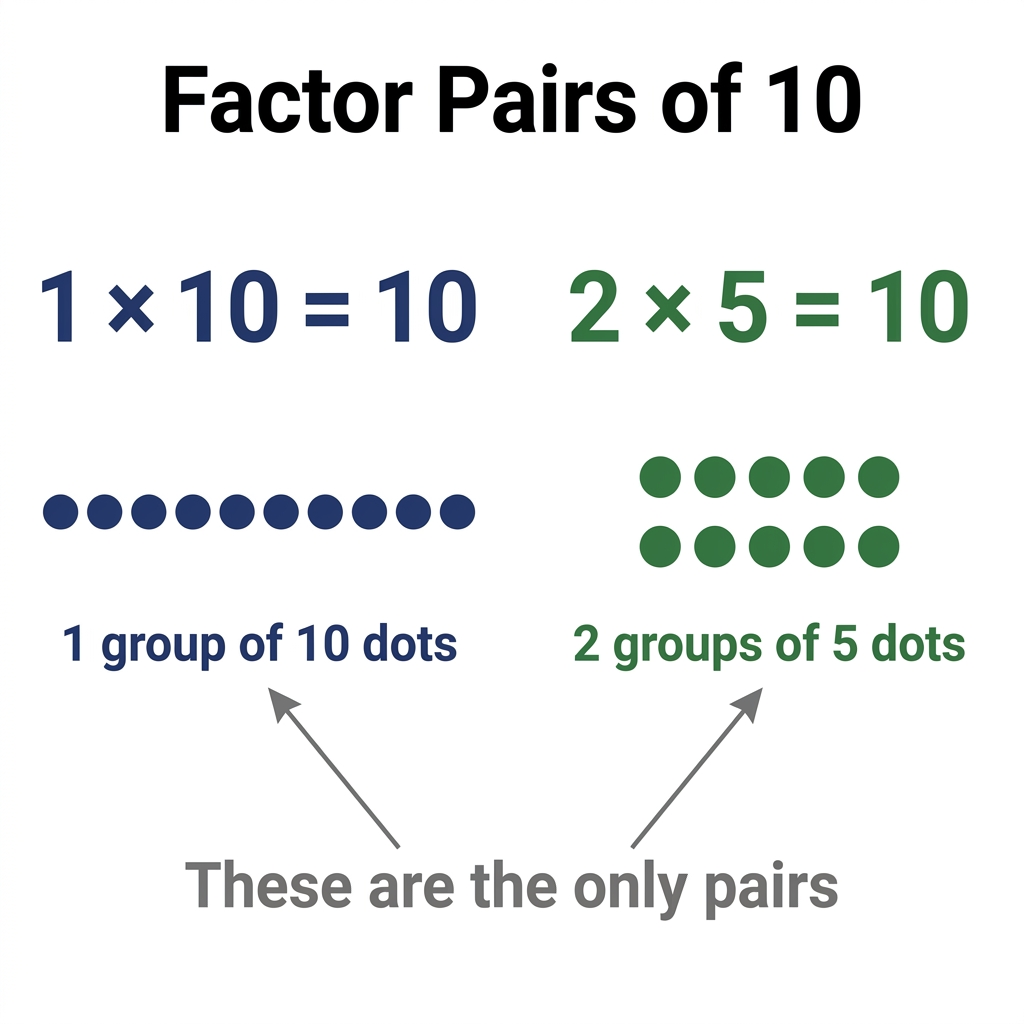
The lesson starts by anchoring the concept in the relationship between multiplication and division. It presents a clear, worked example using the number 10. The lesson explains that the factor pairs for 10 are 1 and 10, and 2 and 5, noting that these are the only pairs that multiply to 10. This is an excellent moment to pause and ask students to justify why there are no other pairs. By forcing them to check for numbers like 3 or 4, they get comfortable with the idea of a remainder, which really hits home the definition of a factor. For a student who missed the week or needs a quick refresh before a unit test, this logical flow is very helpful.
You will find that the guided practice makes the abstract nature of factors feel concrete. The lesson uses a scenario where there are 30 chairs in a classroom. Students must determine how many rows and columns those chairs could be arranged in, which is a perfect visualization of a factor pair. It forces them to see that 30 is not just a random number, but a product of 1 and 30, 2 and 15, 3 and 10, or 5 and 6. Once they visualize the arrays, they can apply this logic to the provided why-it-matters statement. The lesson suggests that if you have 60 items to pack into boxes, you can use factor pairs to decide how many boxes to use. If you have 60 items, you could pack them in 6 boxes of 10, or 5 boxes of 12. This is exactly the kind of practical application that sticks with a ten-year-old.
Using a 4th grade factors lesson like this one is best for whole-class instruction or for a student who is currently receiving intervention services. I would recommend assigning it as a core component of your instruction on factors and multiples. It is clean, focused, and avoids the common trap of adding too many layers of complexity too quickly. By sticking to the 1-100 range, it keeps the arithmetic manageable while still challenging the students to be exhaustive in their lists.
Where students slip
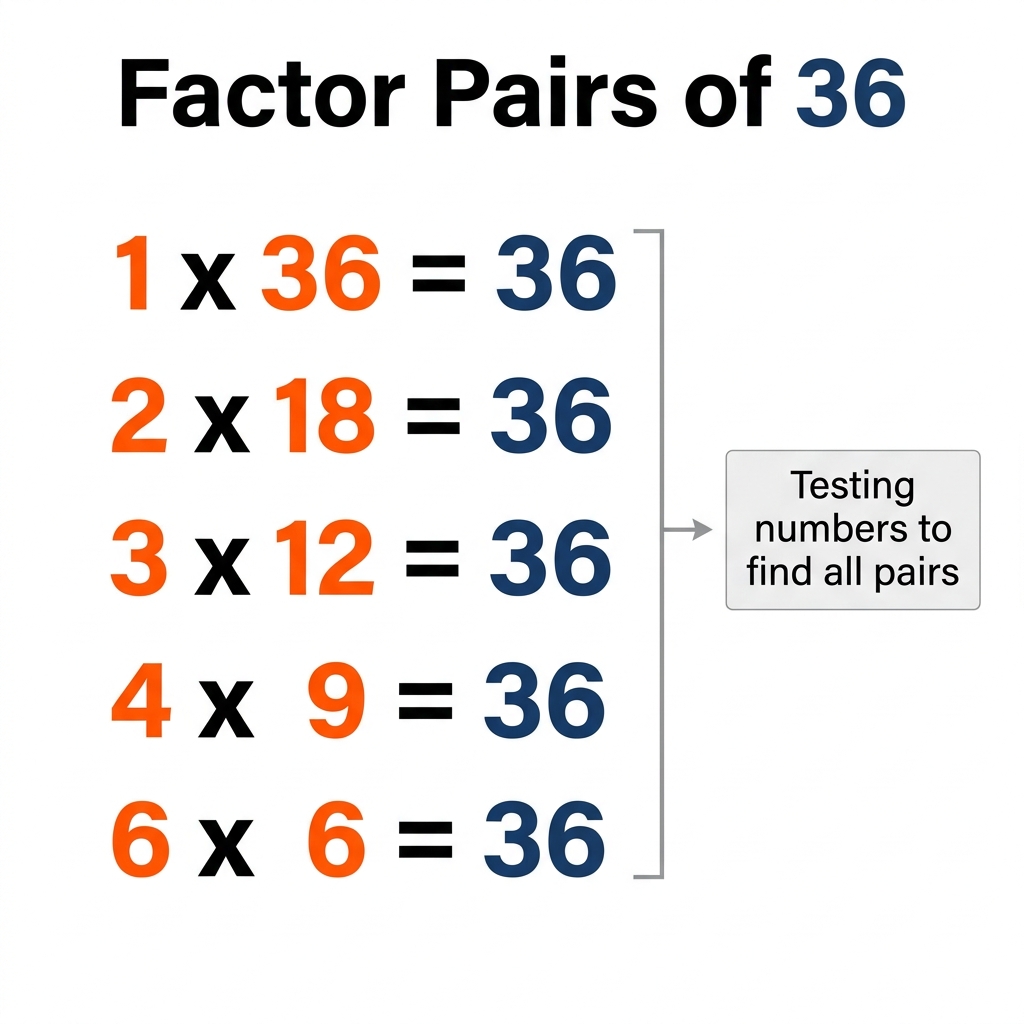
The most common error I see is not with multiplication, but with completeness. Students will often find the obvious pairs like 1 and the number itself, or maybe one other pair, and then stop before they have found everything. The challenge for the teacher is to guide them toward a system, such as testing numbers in order from 1 upward, to ensure they have not missed any. If you have a student who consistently stops after finding two pairs, ask them to show you their work process. Usually, they are just guessing rather than working through the divisors systematically. This is why the definitions provided in the lesson are so important. Understanding that a factor pair results in a specific product means they should be able to verify their work by multiplying their pairs back together.
If you have students who are ready to move on, this lesson is a great prerequisite for upcoming work with multiples. The lesson defines a multiple as a number that is the product of a given number and another whole number. Keep this in mind when you shift your instruction to prime and composite numbers. If they cannot list factor pairs, they will struggle to identify prime numbers later, as they will not know how to check for divisibility beyond the obvious. It is a domino effect: if this foundation is shaky, the later work with fractions becomes a guessing game rather than a set of logical steps. Use this time now to ensure that they are not just finding factors, but understanding the relationship between the numbers. This specific lesson is a great tool for that purpose because it stays on task and focuses on the core requirements of the standards without unnecessary filler.
Related lessons
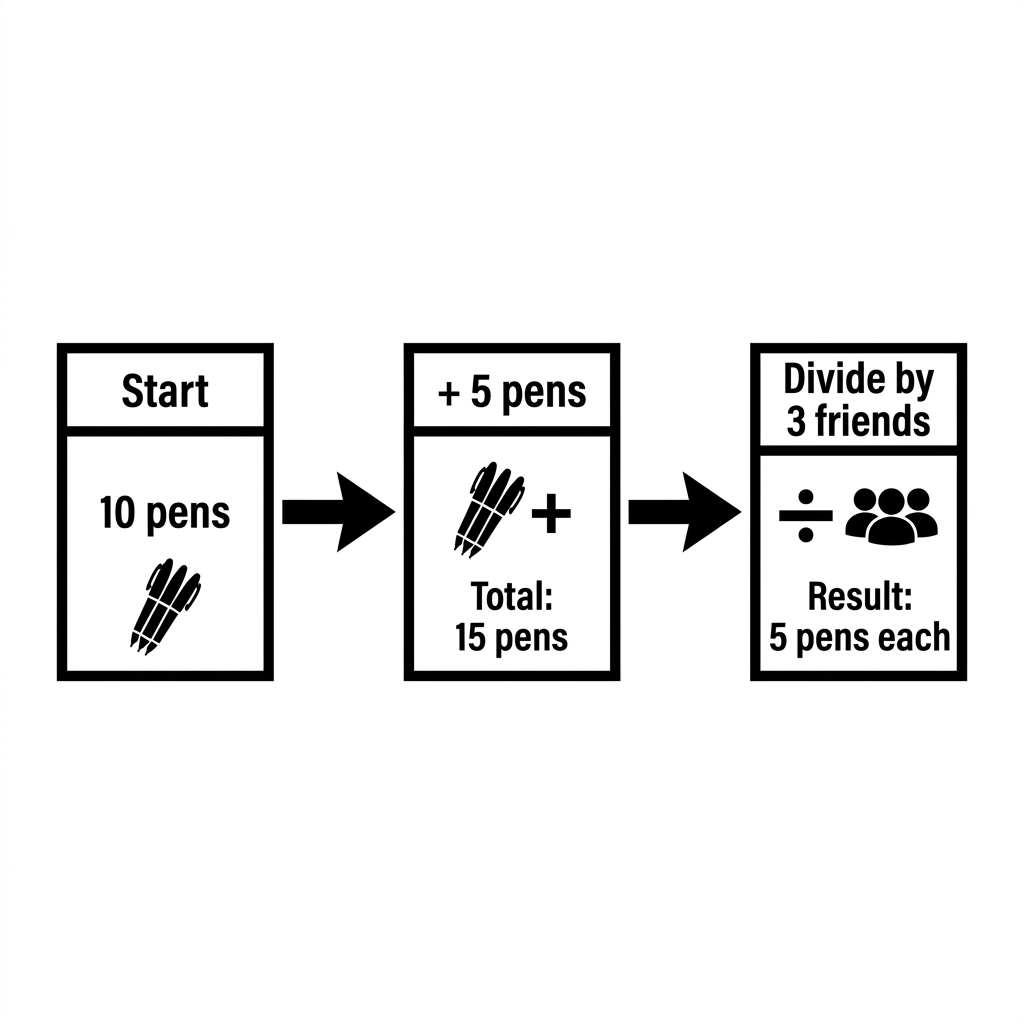
Solving Multi-Step Word Problems, Practice solving complex problems requiring multiple operations across various contexts
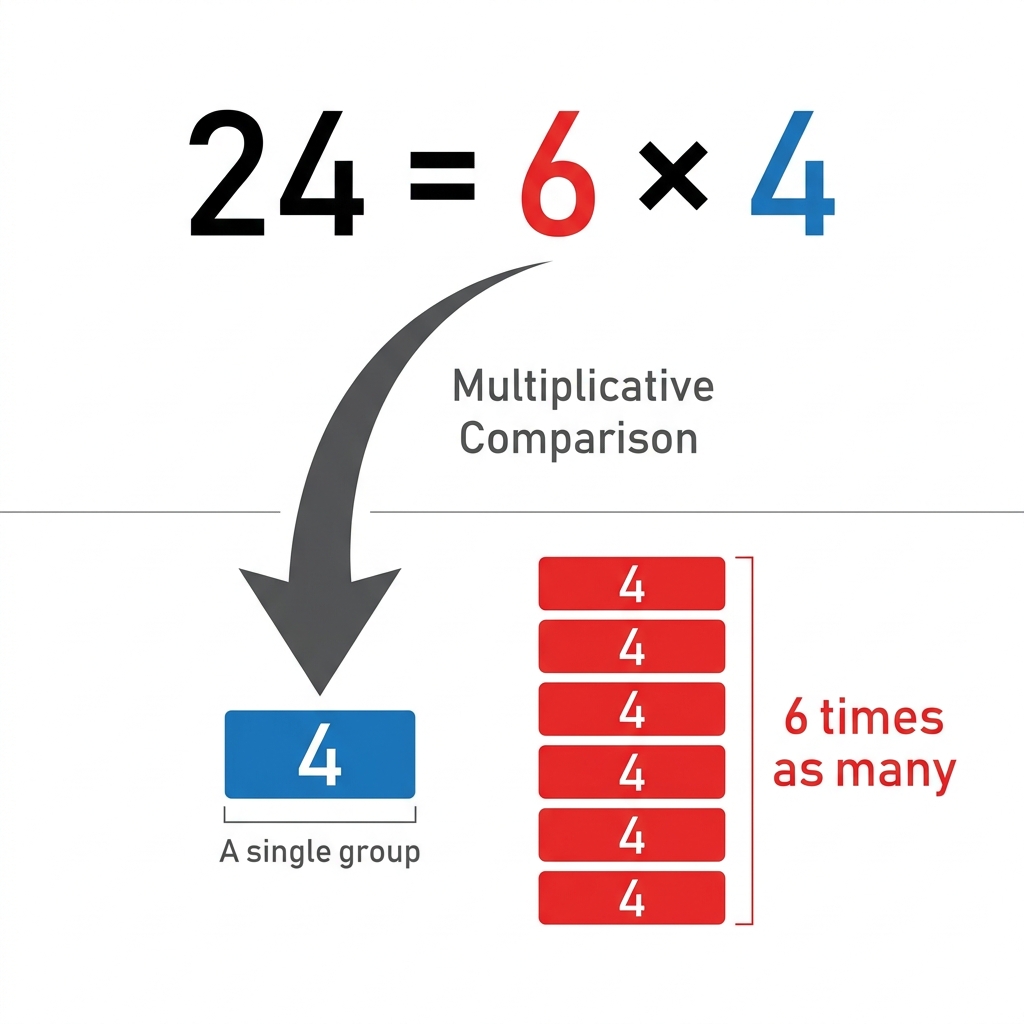
Comparing Quantities with Multiplication, Understand multiplicative comparisons in word problems and numerical scenarios
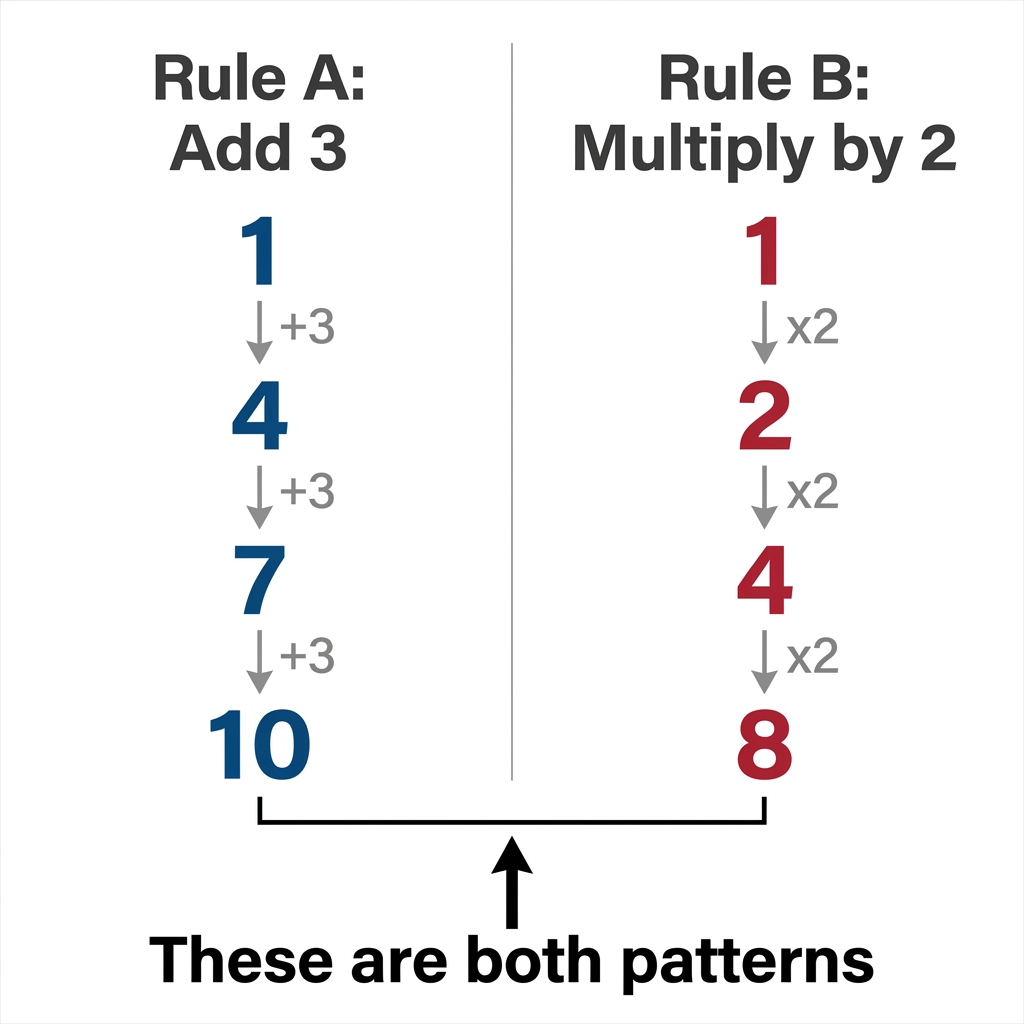
Exploring Number and Shape Patterns, Identify and analyze numerical or geometric sequences and patterns