

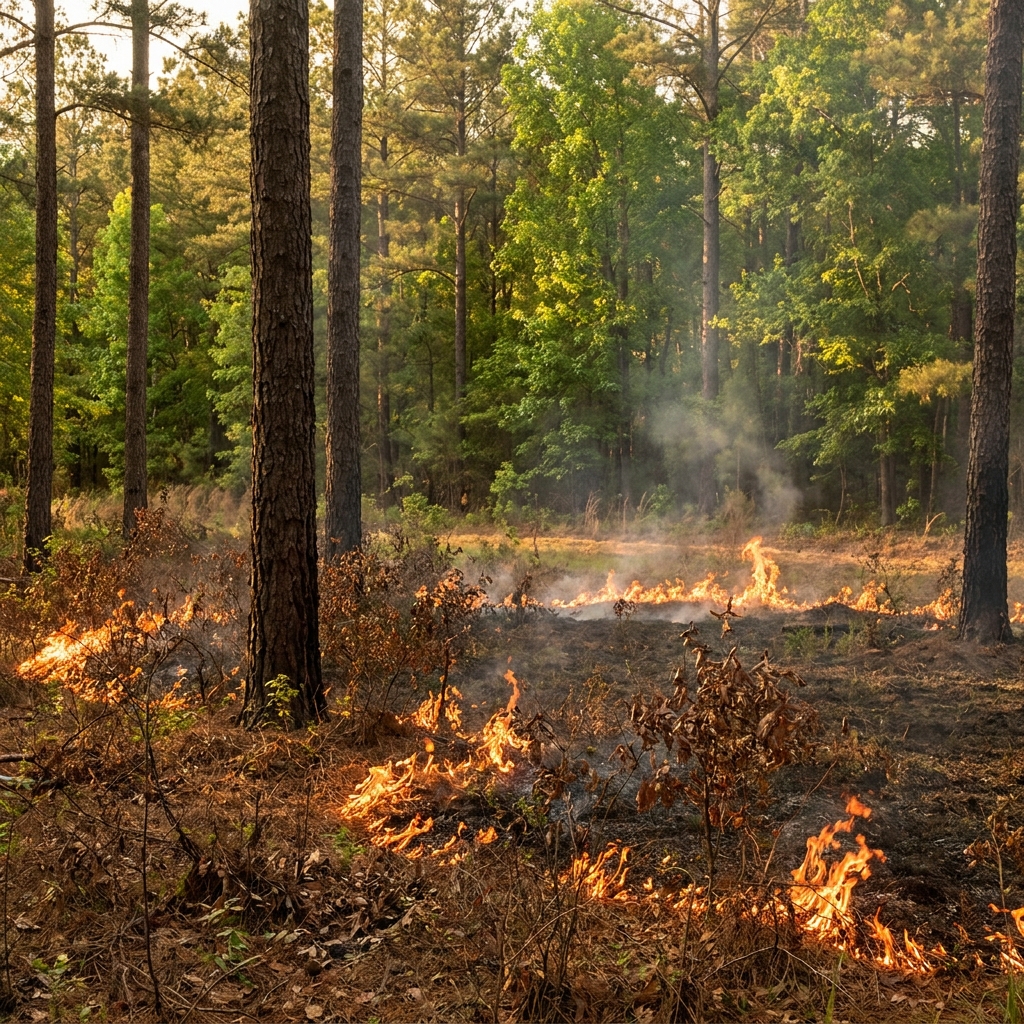
When we hit that point in the year where we look at how organisms interact with their surroundings, we usually focus on the survival basics. But shifting the conversation toward human intervention and environmental changes is where the real thinking happens for third graders. If you are prepping your science block, Helping Nature When the Environment Changes is a solid pick to ground those big, abstract concepts in real-world scenarios.
What the lesson actually asks students to do
This 3rd grade science lesson keeps it practical. It centers on the core objective of deciding if a human-made solution effectively supports plants and animals during environmental shifts. The material starts by anchoring students in a relatable scenario: the Sierra Nevada mountains. It describes how streams are vital for local wildlife and explains what happens when a drought causes those water sources to dwindle. Students learn about beaver dams as a natural wall of sticks and mud, which sets the stage for thinking about how we, as humans, might intervene.
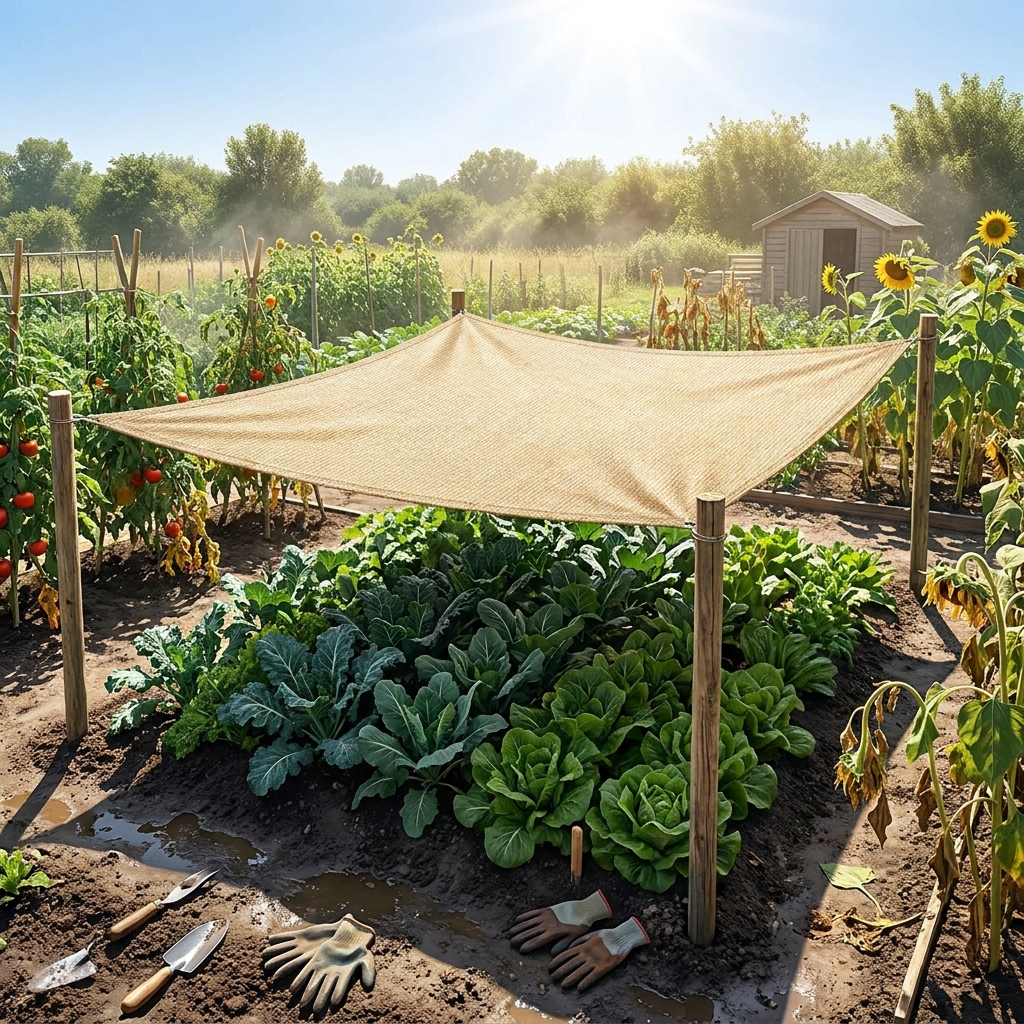
Students work through vocabulary like solution, which they define as a plan or tool to fix a problem, and merit, meaning how well a solution actually works. They look at a worked example involving controlled burns. The lesson explains that these purposeful, human-initiated fires clear away dry brush to prevent massive, out-of-control wildfires, protecting the forest habitat in the process. It is a straightforward way to show how one action carries weight for an entire ecosystem.
Addressing the primary standard
The lesson maps directly to 3-LS4-4. This standard asks students to make a claim about the merit of a solution to a problem caused when the environment changes and the types of plants and animals that live there may change. Because this is a California-adopted standard, the work is consistent across districts like Orange Unified, Anaheim Elementary School District, Culver City Unified, and Ross Valley Elementary School District. This is the California version of the standard, which emphasizes local environmental phenomena and native species.
The lesson also touches on the specific requirements of 3-LS4-4 by pushing students to consider the impact of environmental changes on the native species, those plants and animals that naturally live in a specific area, and whether human interventions have enough merit to justify the change to the affected area. It is not just about identifying a problem; it is about debating the effectiveness of the proposed fix.
Where students slip
The trickiest part for most of my third graders is moving past the simple binary of good or bad. They tend to want every solution to be perfect. During the guided practice, where they look at a project that plants native grasses to stop soil from washing away after a wildfire, listen for students who struggle to account for the tradeoffs. The why-it-matters statement in the text reminds us that scientists must look at all the ways a plan might help or hurt the environment. I usually nudge them by asking: what else might happen to the insects living in that soil if we plant those specific grasses? It forces them to look beyond the surface level.
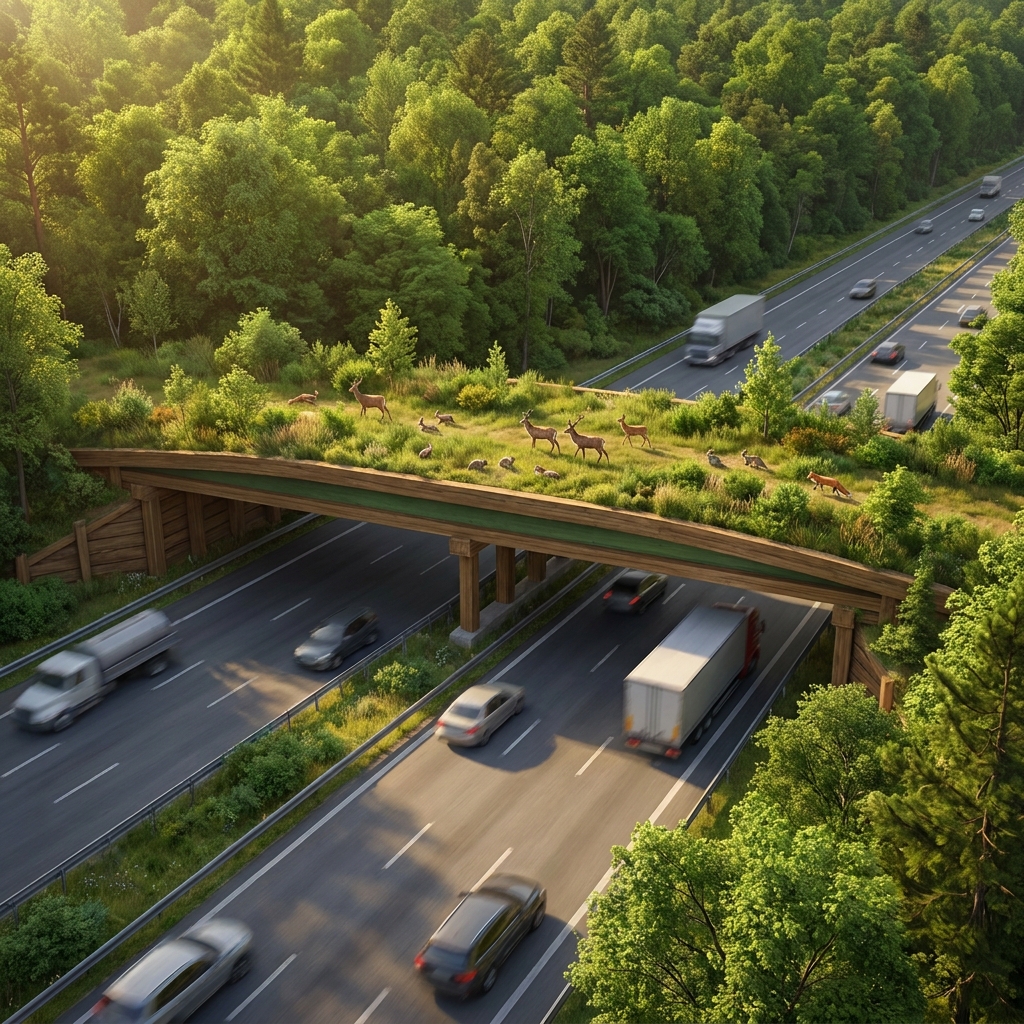
You do not need a massive lead-up to make this work. It runs in about 45 minutes, so it fits perfectly into a science block where you are already covering life science. I have found it works best as a whole-class assignment to get everyone on the same page before they start writing their own claims, but it is also excellent as a substitute day activity because the logic is so clearly scaffolded.
Planning your week
If you have students who missed the week or need a little bit of extra time to process the material, this is a clean choice for an independent study session or even attendance recovery. The language is accessible, and the examples, like the controlled burns and the beaver dams, are concrete enough that they do not get lost in jargon. When you sit down to plan your science unit, remember that the goal here is not to find a perfect answer to environmental problems but to train them to think like evaluators. They are learning to assess, argue, and defend a position based on evidence, which is exactly the kind of cognitive heavy lifting they need to practice now.
Related lessons
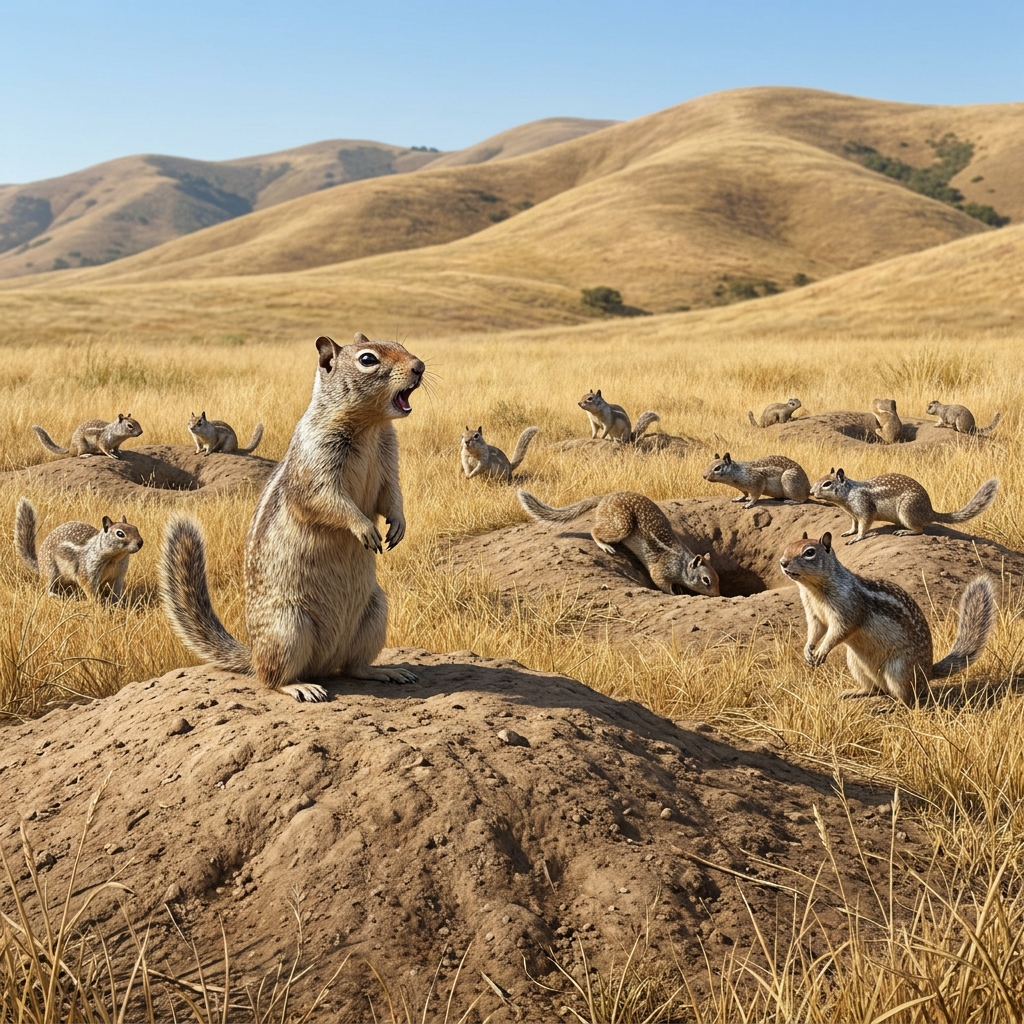
Working Together to Survive, Examines how different species cooperate for survival within their natural habitats
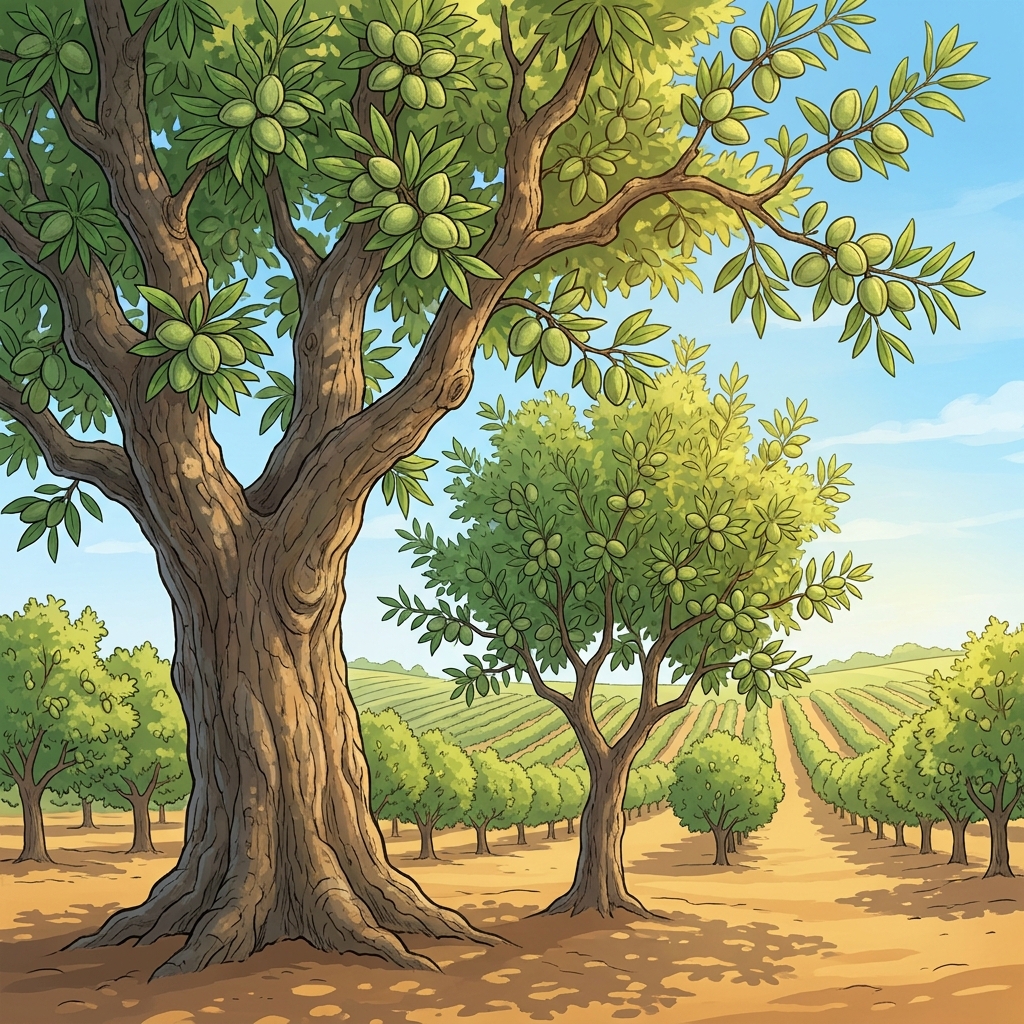
Traits and Variations in California Crops, Explores how environmental factors influence characteristics of various California grown crops
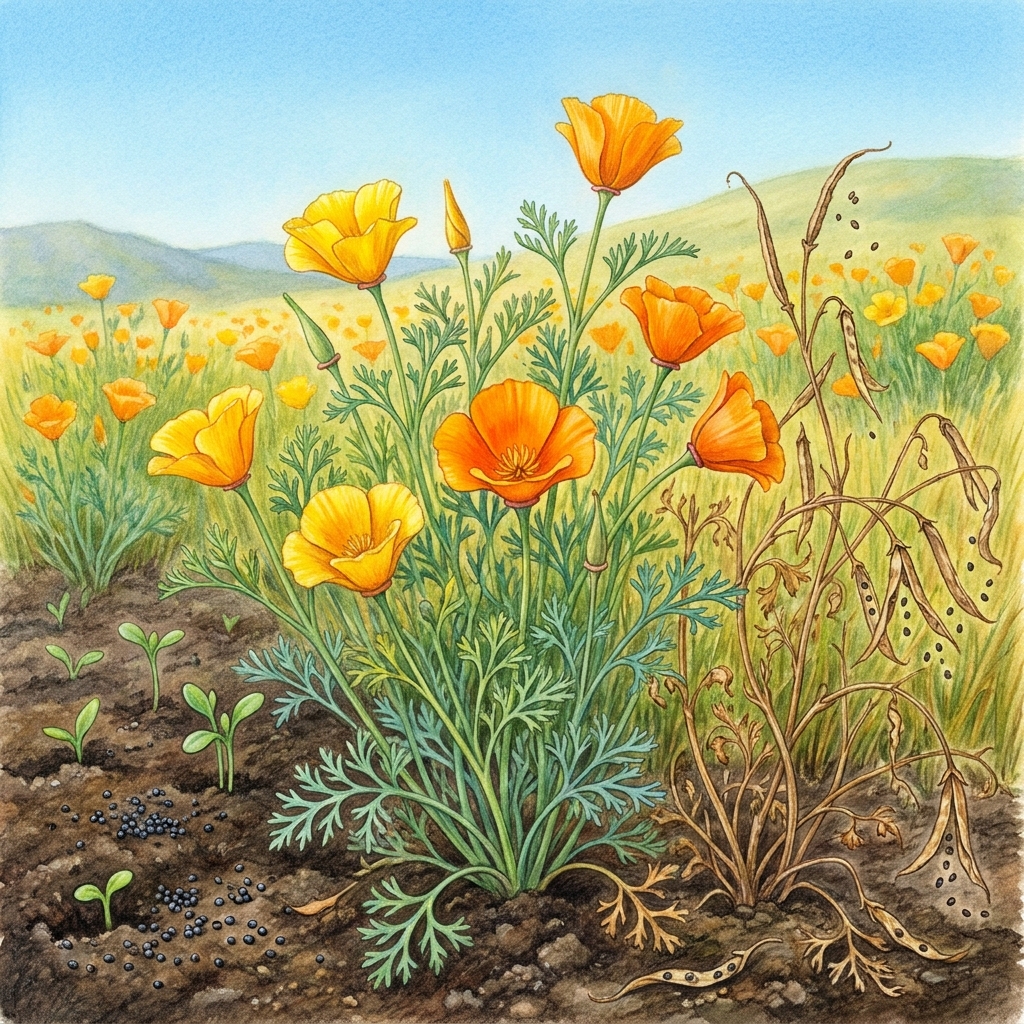
Life Cycles in California, Outlines growth and development stages for plants and animals in California