

When we look at Gathering and Citing Historical Evidence, we see that the goal is not just about following rules. It is a critical component of academic success in middle school.
Breaking down the standard
A parent once asked me why their student needed to worry about where a specific fact came from when they were writing about ancient civilizations. It is a common question. The California-adopted standard, CA.ELA.WHST.6-8.8, requires students to pull information from multiple print and digital sources, assess the credibility of those sources, and then cite their findings to avoid plagiarism. Teachers in Irvine Unified, West Contra Costa Unified, Rim of the World Unified, and Amador County Unified all utilize this same framework to ensure that students build a consistent set of skills as they move through middle school. The standard breaks down into three distinct tasks. First, students must gather data using effective search terms. Second, they must evaluate the quality of what they find. Third, they must present that information using a standard format for citation. It is a tall order for an eleven or twelve-year-old.
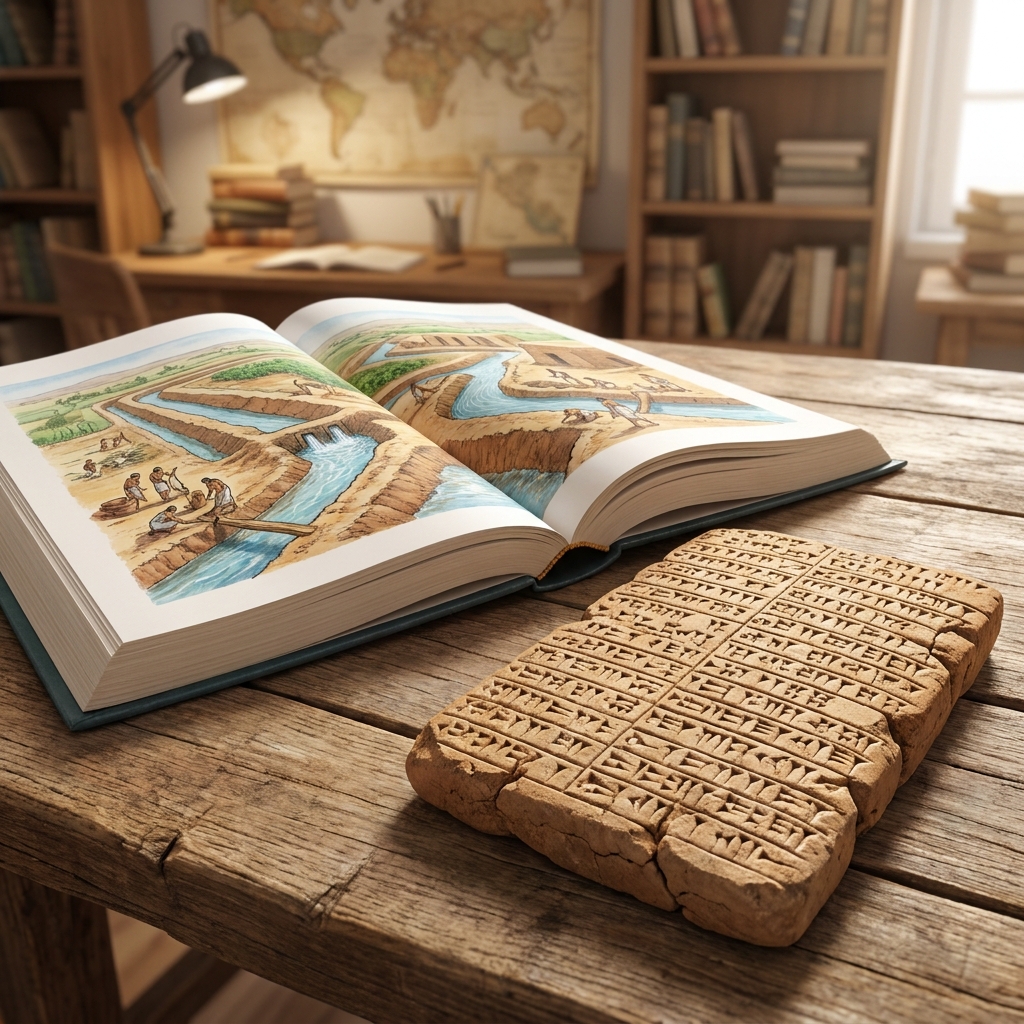
This 6th grade English Language Arts lesson provides a structure to move students through these tasks. The objective is simple: gather information from different sources and use it correctly in your writing. Students start by understanding that historians use library databases, which are digital collections of articles and books, to find facts. By using this 6th grade shared research writing lesson, you can show your class how to transition from simply finding information to synthesizing it. This is a practice that serves students well for the rest of their academic lives, particularly in history or science courses where relying on a single, unverified source is a recipe for a weak argument.
How the lesson builds historical literacy
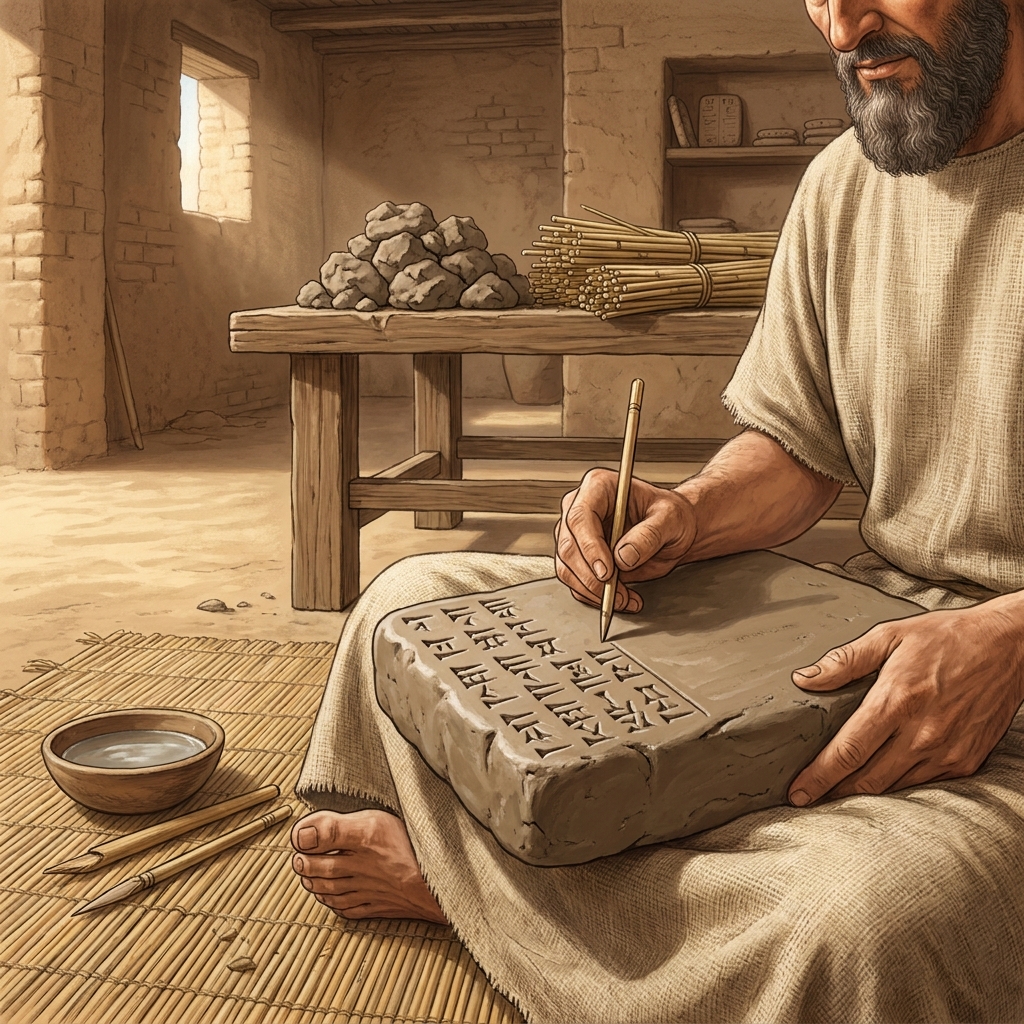
The lesson uses specific examples to make abstract concepts feel concrete. It introduces the Code of Hammurabi, a set of ancient laws from Mesopotamia, to help students understand what a historian actually does when they look for information. Vocabulary terms are woven into the material naturally: Academic Integrity is defined as the practice of being honest in your schoolwork by giving credit to the people who wrote the information you use. The lesson also distinguishes between a Primary Source, which is a document or object created by someone who lived through an event or witnessed it firsthand, and a Secondary Source, which is a document or book that discusses or analyzes an event. A citation, meanwhile, is a note in your writing that tells the reader exactly where you found your information.
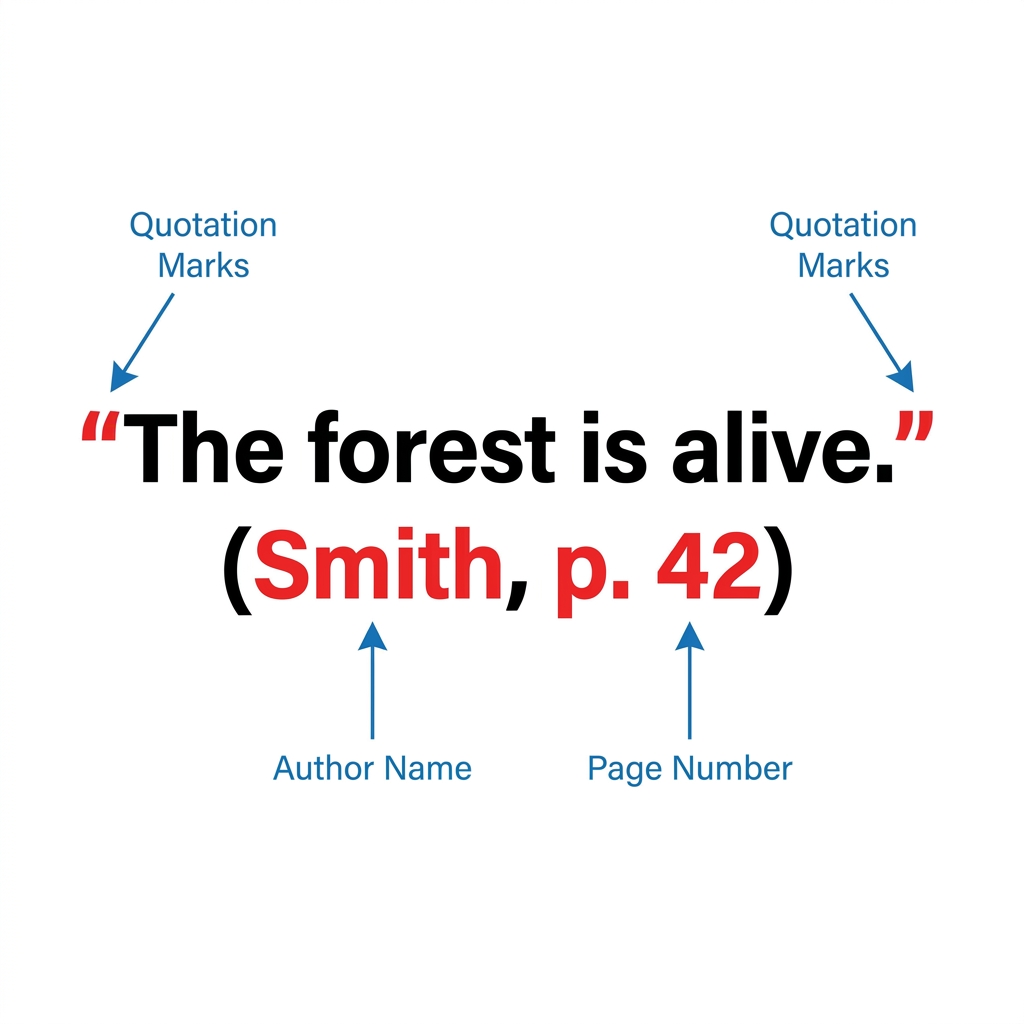
What I appreciate about the structure here is that it gives students a model for what a citation should look like in their own work. The example provided is clear: The author writes, ‘Sumerian merchants traveled long distances to trade grain for metal.’ In your paper, you write: According to the book, ‘Sumerian merchants traveled long distances to trade grain for metal’ (Smith 12). This allows students to see exactly how the original text is preserved while also giving credit where credit is due. For 6th graders who are just starting to integrate outside voices into their own writing, this model is a starting point that removes the guesswork from the process. It is a way to handle the mechanics of citation without feeling overwhelmed by the rules.
The practice of triangulation
One part of the lesson stands out because it forces students to think like investigators. Guided practice involves checking a passage about Mesopotamian agriculture. The lesson asks students to use triangulation by confirming facts in at least two independent, reliable sources. The material explains that accuracy is the quality of being correct and free from error. It reminds students that even a credible author can make mistakes, so cross-referencing is a necessity for historical truth. This is where the standard really comes to life.
Many students assume that if they find a fact on a website, it must be true. This lesson pushes back against that assumption. By having students look at three different sources and determine which one is the most credible, the lesson asks them to do more than just record information. They have to weigh the evidence. This fits perfectly for a classroom where you are trying to teach students how to be critical consumers of information. It is a skill that translates across every subject area you teach.
Where students slip and how to support them
The most common point of confusion for students is the difference between quoting and paraphrasing. They often want to copy long blocks of text because they are worried about changing the meaning. I suggest spending extra time on the portion of the lesson that explains how to use quotes effectively. The why-it-matters section is quite helpful here: Academic honesty is important for historians and museum curators. When they use sources correctly, they help preserve the truth about the past for everyone to learn. This gives students a sense of purpose. They are not just writing a paper to satisfy a requirement. They are acting as temporary historians.
This lesson is an excellent fit for a whole-class assignment when you are beginning a research project. It is also a solid choice for a student who missed the week of direct instruction or for a substitute day where you want to keep the class focused on a manageable, high-value task. If you have students who need a bit of support with their independent study, this lesson provides the structure they need to work on their own without constant supervision. The 45-minute timing is realistic for most 6th grade classes, assuming you have given them some time to access the necessary databases or printed articles. Watch for the student who chooses the first source they find and stops there. Encourage them to go back to the triangulation method and find a second source to confirm the information. That small push is often the difference between a student who checks a box and a student who learns how to perform actual research. Keep the focus on the habit of verifying sources early, and you will see an improvement in the quality of the work they turn in throughout the semester.
Related lessons

Researching with Purpose, Students learn to identify goals and objectives for effective historical research
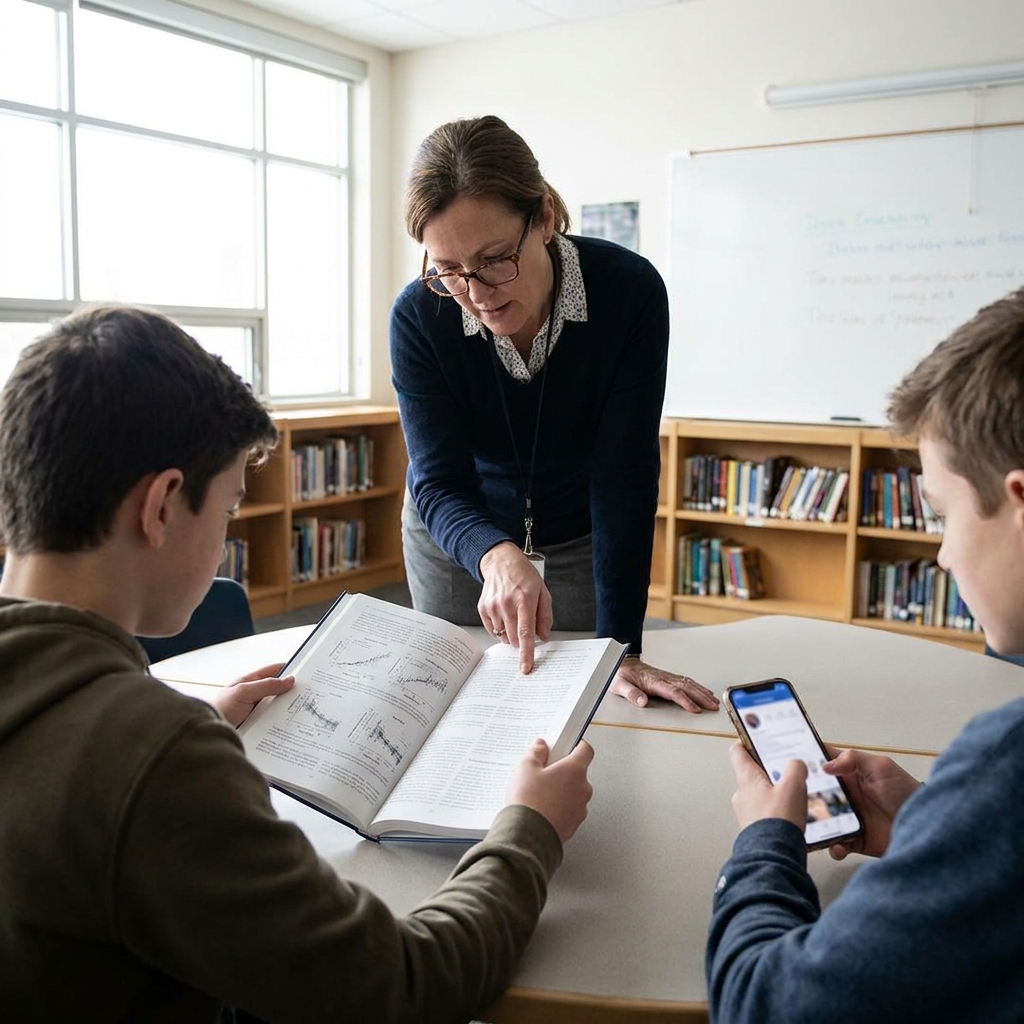
Researching with Credible Sources, Students evaluate the reliability of digital and print information sources
Organizing Informative Writing, Students structure their research findings into coherent and informative compositions