

Teaching 4th grade science can be a challenge when you are trying to make abstract concepts like energy feel real and immediate to students.
When I started teaching this fourth grade science lesson, I found that the best approach was to rely heavily on the local examples provided in the material. Energy Conversion in California creates a clear path for students to follow, starting from the basic definition of energy as the ability to do work or cause change and moving quickly into the application of that idea. It begins with the familiar example of a hand-crank flashlight. By having students think about the motion of their own hands as they turn the handle to power the bulb, the lesson grounds the concept of energy conversion in a physical action they can feel. It is a simple, effective starting point that avoids jargon while setting the stage for more complex ideas.
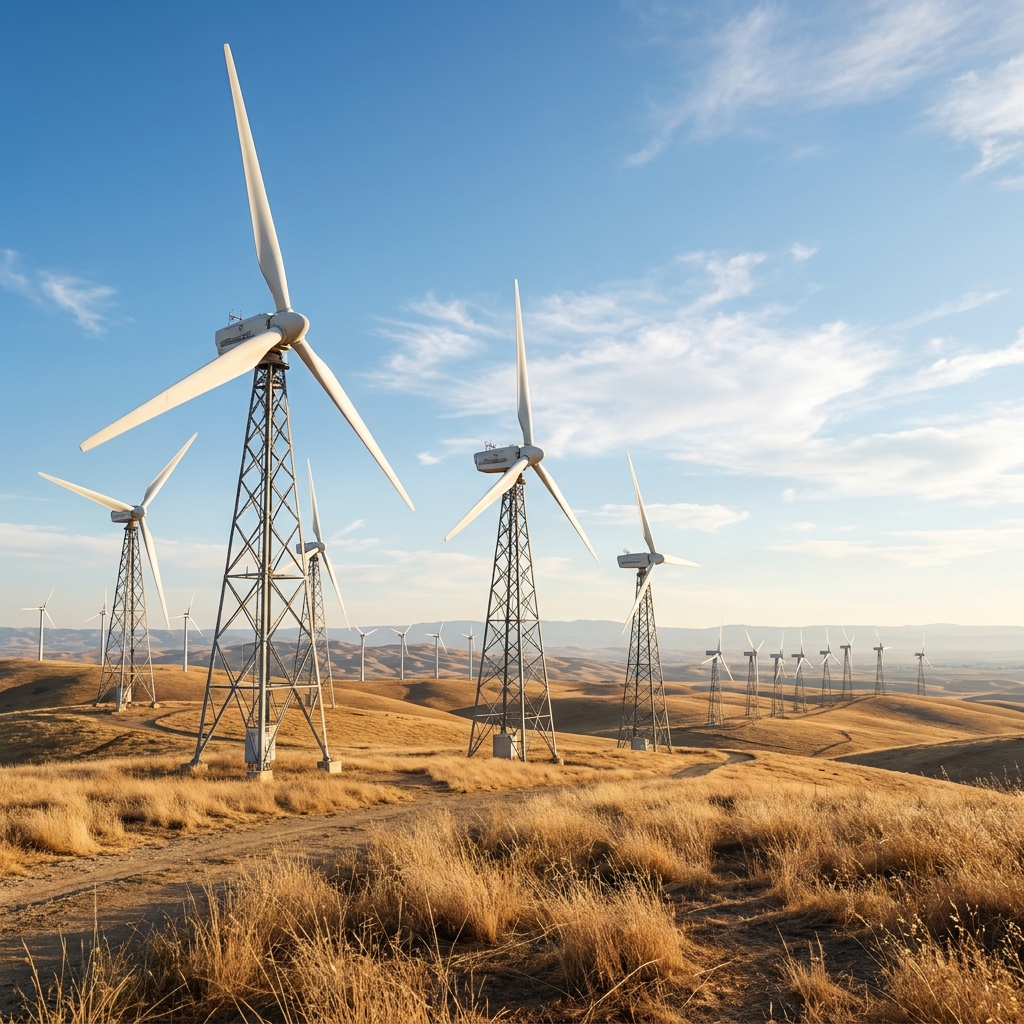
The lesson moves from that personal experience into broader applications like the wind turbines at the Altamont Pass. I appreciate how it explains that wind has kinetic energy, which is then converted by the turbine into electrical energy for homes. This fourth grade physical science lesson does not just ask kids to memorize definitions. Instead, it pushes them to think about how these energy transformations exist in the world right outside their windows. This is exactly what the California-adopted standard CA.4-PS3-4 requires. This standard asks students to apply scientific ideas to design, test, and refine a device that converts energy from one form to another. It is important to remember that California contextualizes this standard with local geological features including the San Andreas Fault, the Sierra Nevada, and coastal erosion, as well as energy transfer in our state environments. Whether you are teaching in Santa Ana Unified, Long Beach Unified, Ross Valley Elementary School District, or Alpine Union Elementary School District, you are using the same standard to help students understand how energy functions in their own backyard.
What the lesson actually asks students to do
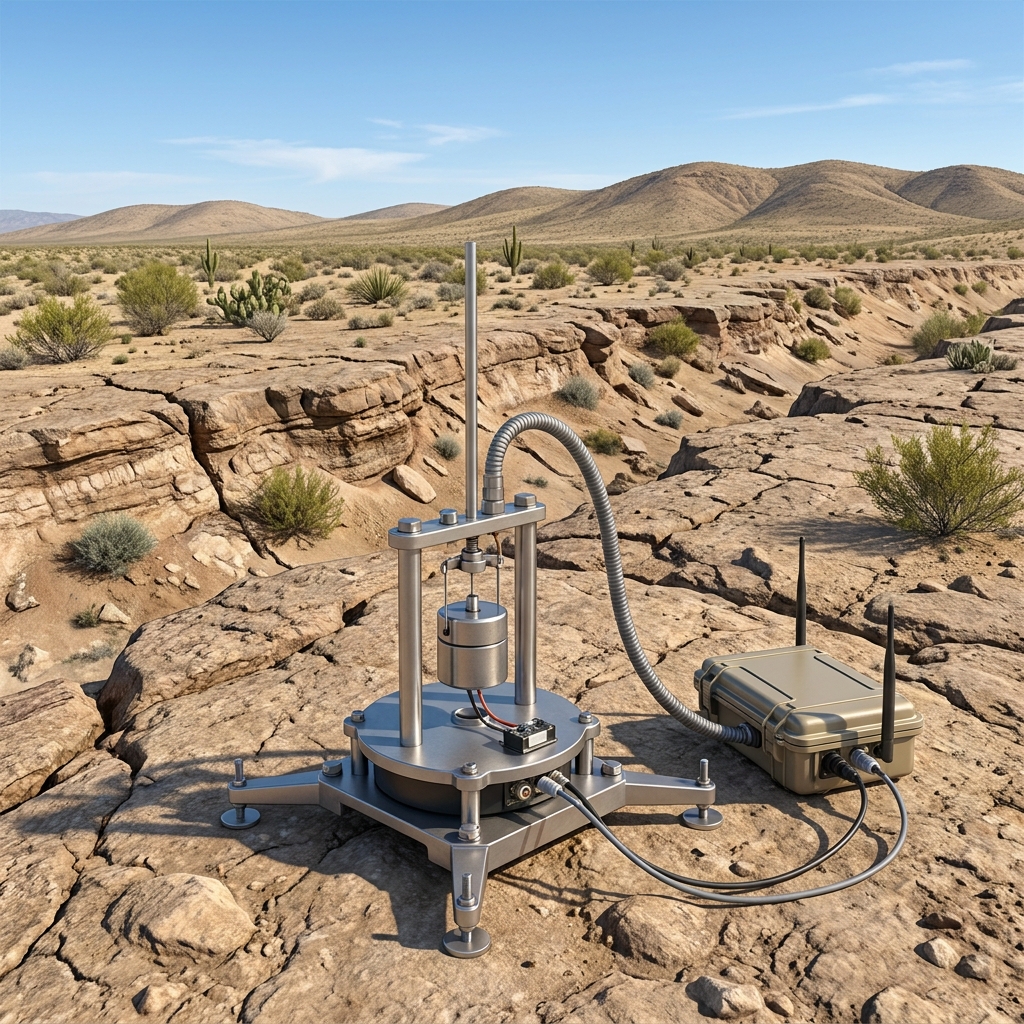
The core of this material is about moving from theory to application. Students are expected to use the provided vocabulary, which includes energy conversion, potential energy, and kinetic energy, to solve problems. Energy conversion is defined here as the process of changing energy from one form into another form to perform a task. Potential energy is presented as stored energy related to an object’s position or condition, while kinetic energy is the energy of movement. Once students have these terms down, the lesson shifts to the guided practice, which is my favorite part of the module. It asks them to consider the Sierra Nevada mountain range as a water tower that stores winter snow. When that snow melts in the spring, it creates a consistent source of water that can be harnessed for energy. Students then have to think through how that process could power a weather station. This forces them to bridge the gap between static knowledge and dynamic problem-solving. It is a fantastic way to check if they truly grasp how potential energy in a snowpack becomes the kinetic energy of flowing water, and eventually, the electrical energy needed for a station. This fits perfectly for a whole-class assignment where you want to see who can apply logic to a physical system, or as a resource for a student who missed the week and needs a concrete exercise to catch up.

Where students slip
The place where I see students trip up most often is distinguishing between the stored state of potential energy and the active state of kinetic energy during the design phase. They often assume that if a device is not currently moving, it has no energy at all. I try to point them back to the snowpack example. If the snow is sitting on the mountain, it represents stored potential energy. Once it melts and begins its descent, it becomes kinetic energy. It takes a little extra prompting for some students to realize that the design they are building must account for the change in the state of that energy. The lesson material is quite specific about this transition, which helps, but as a teacher, you have to be ready to walk around and ask those clarifying questions about where the energy is hiding before the device actually starts working. The lesson is designed to be completed in about 45 minutes, which is usually enough time, but I find that if I spend a bit more time at the start explaining the mechanics of the flashlight or the turbines, I might need an extra fifteen minutes for the design phase. If you have students who need a bit of a boost, this works well for intervention, as the clear, visual nature of the examples helps solidify the concepts better than a textbook diagram ever could. By the time they finish, they should be able to articulate why energy conversion matters for monitoring things like earthquakes or protecting coastlines from erosion. It is a practical, grounded way to teach physical science that feels relevant to the environment they live in every day.
Related lessons
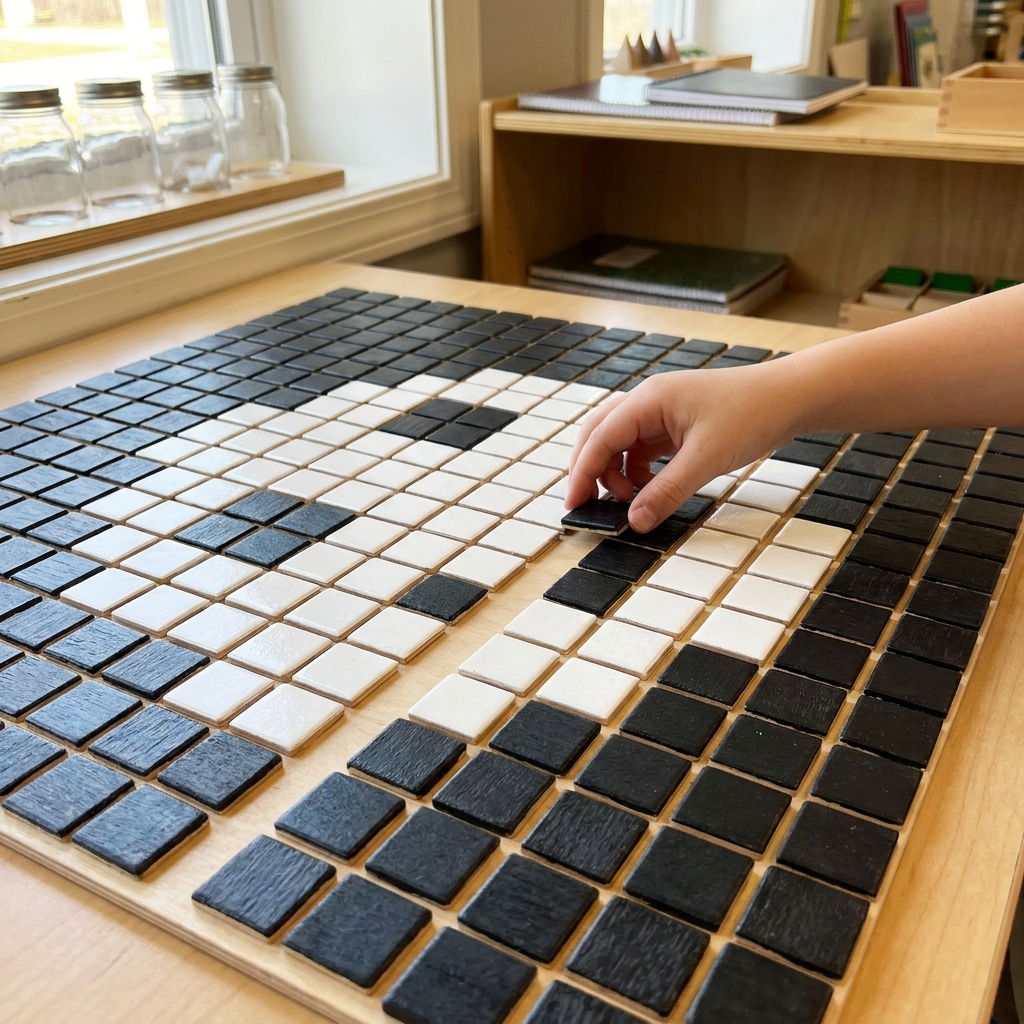
Sending Messages with Patterns, Teaches how patterns are used to send information across distances

Speed and Energy in California, Explores how an object speed relates to its energy levels
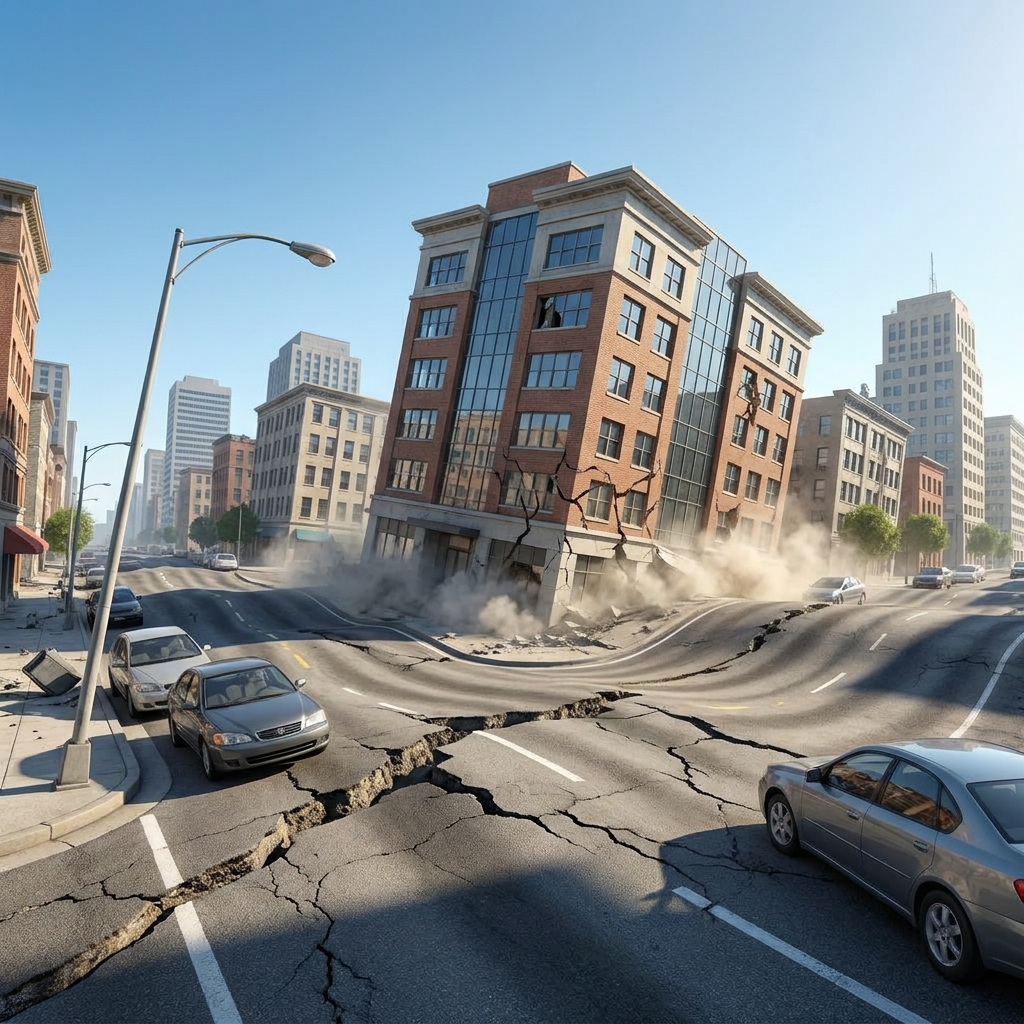
Understanding Waves and Energy, Investigates how waves are used to transfer energy through media