

You are probably looking for a solid way to bridge that gap between abstract physics concepts and tangible life science. I found this Cycles of Matter and Energy in California Ecosystems lesson, and it fits exactly where sixth graders need to start making connections between the sun and the soil.
The lesson opens with a simple, grounded observation: a campfire. It explains how burning wood releases stored energy as heat and light, leaving behind matter in the form of ash. It is a perfect, low-stakes hook to distinguish between energy and matter before getting into the more complex, biological stuff. From there, it jumps into the cycles of matter and energy for sixth grade science.
How the lesson builds the concept
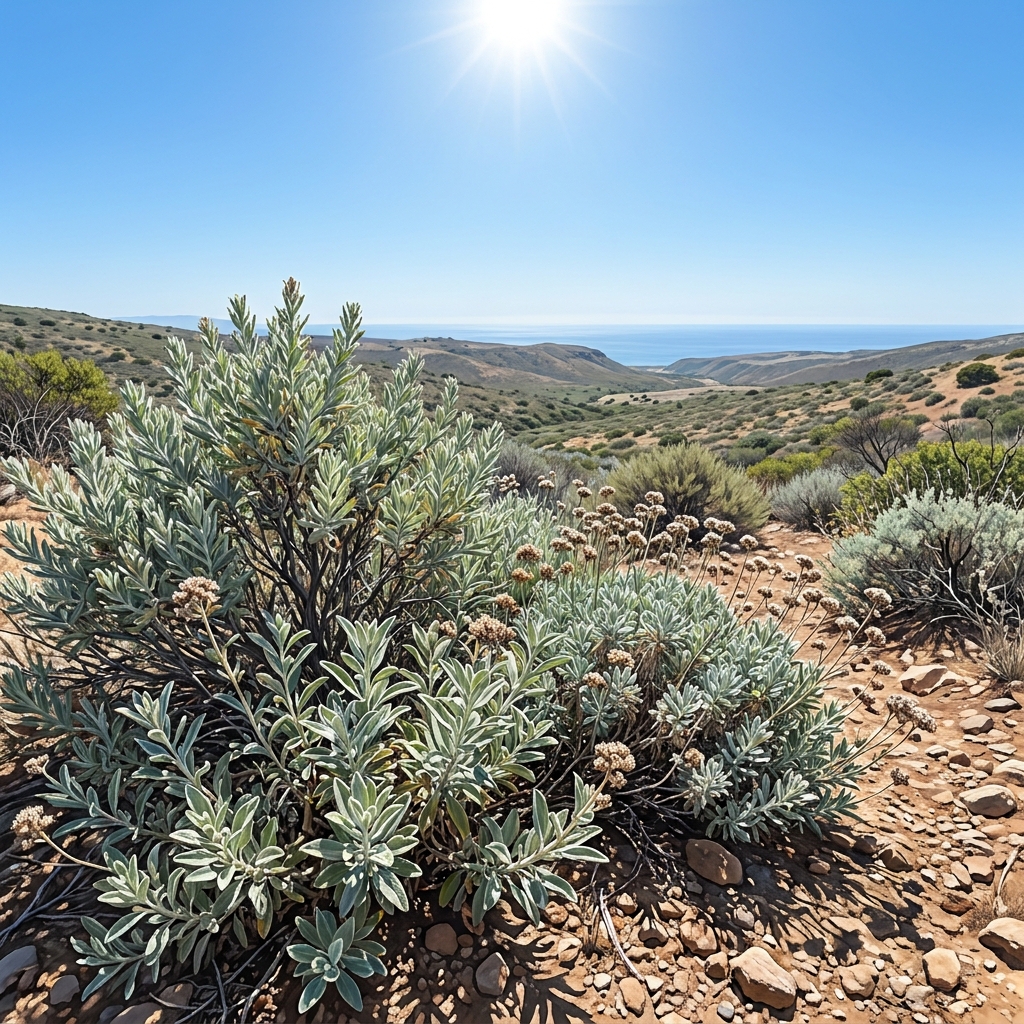
The core of the work focuses on identifying biotic and abiotic factors. It defines an ecosystem as a community of living organisms interacting with their nonliving environment. You get clear definitions for the essentials: matter is defined as anything having mass that cycles through the environment, while energy flow is described as the movement of energy, typically originating from the sun. The lesson distinguishes biotic elements, plants, animals, and fungi, from abiotic ones like sunlight, water, soil, and air. Students learn that energy is required for all life processes, and they use the coastal sage scrub as a concrete example, watching how sunlight fuels photosynthesis to help plants grow.
The required standard
This lesson is designed to meet MS-LS2-3, the California-adopted standard. This requirement asks students to build a model that describes how matter cycles and how energy moves among both the living and nonliving components of a system. The standard also includes the California addition that emphasizes an integrated science model, where students learn how life science interacts with physical and Earth sciences, a practice familiar to teachers in San Francisco Unified, Fresno Unified, Napa Valley Unified, and San Marcos Unified. It is refreshing because it forces the class to look at the environment as one cohesive unit rather than a collection of separate biological parts.
Applying the skill in class
After the coastal sage scrub example, the lesson moves into a guided practice session. It asks students to apply their new understanding to a grassland phenomenon, focusing on how these open areas rely on rain to sustain grass growth. It is a good check for understanding because it takes the student out of the specific example given and makes them apply the logic of energy flow to a different ecosystem. I usually find that my students struggle with the distinction between matter being recycled and energy being a one-way flow, so I appreciate that the lesson forces them to categorize the sunlight as abiotic and the grass as biotic during this part of the activity.
Why this matters for your room
The lesson closes by connecting these biological cycles to broader concepts like energy policy. It defines energy policy as the laws and decisions made by governments to manage power generation, which directly influences the ecosystems they just analyzed. It is a smart way to show students that what they learn in the lab has real-world consequences for the health of our water, soil, and wildlife. This lesson is a great choice for a whole-class assignment, a student who missed the week, or even for an independent study session when you need something that does not require much hand-holding. If your students are hitting a wall with the standard, this specific approach helps clear up those common misconceptions about how matter is never lost, just rearranged.
Related lessons
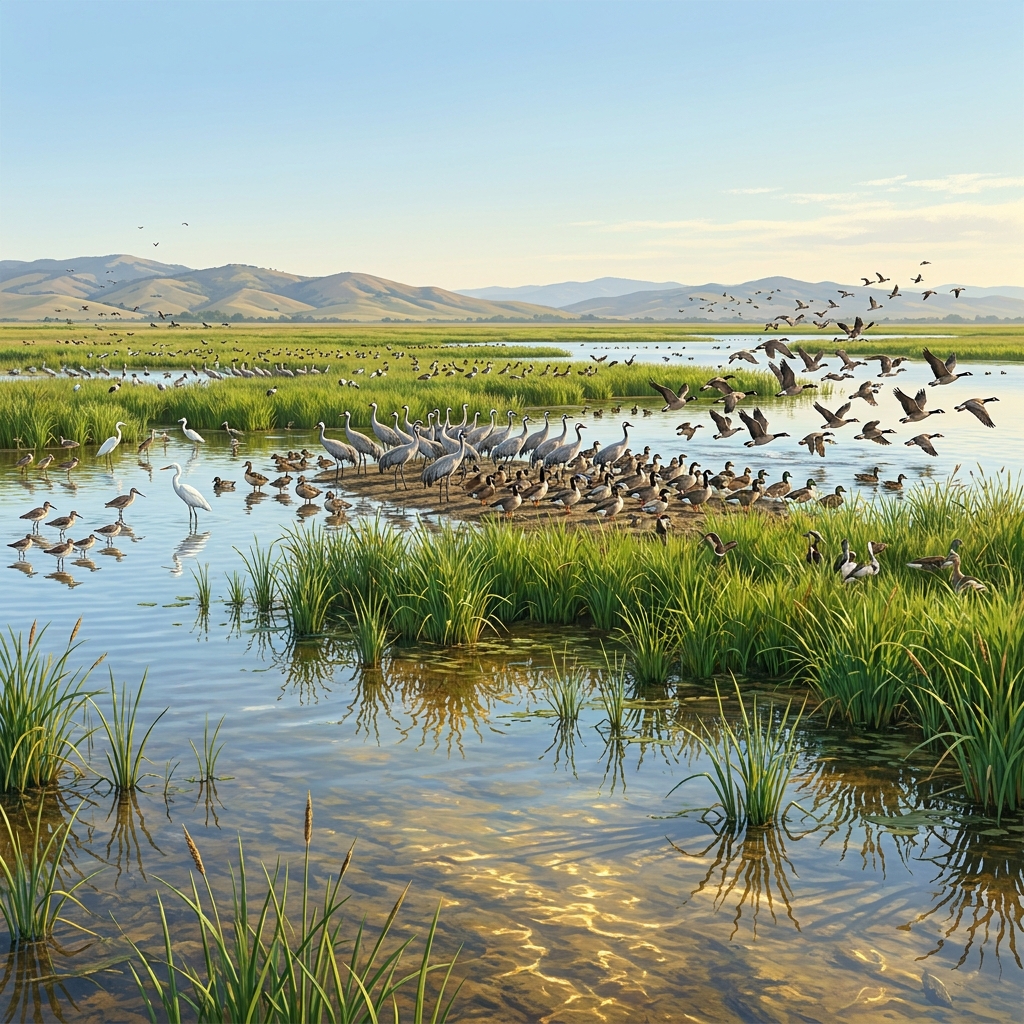
Resource Availability and Ecosystem Populations, Explores how resources influence the size of populations in ecosystems
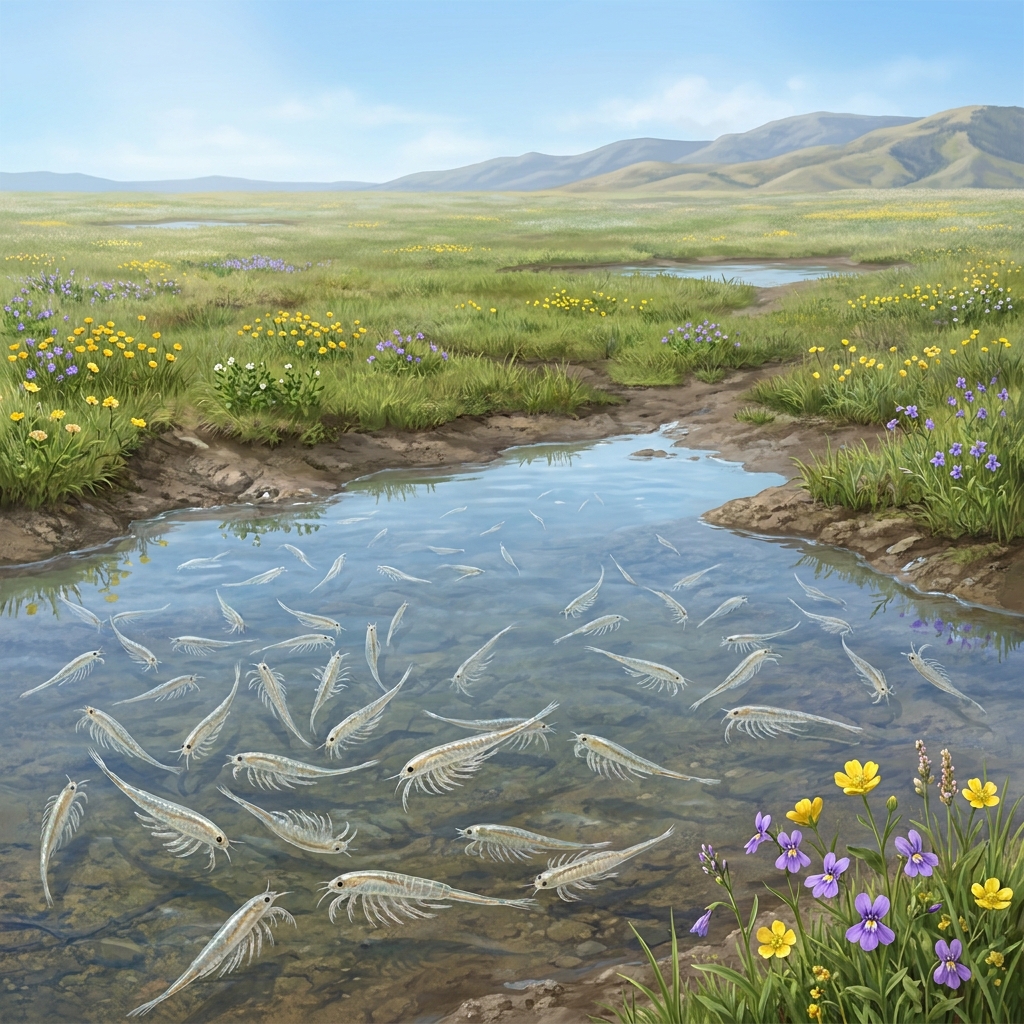
How Ecosystems Change, Examines the factors that cause shifts within various ecological systems
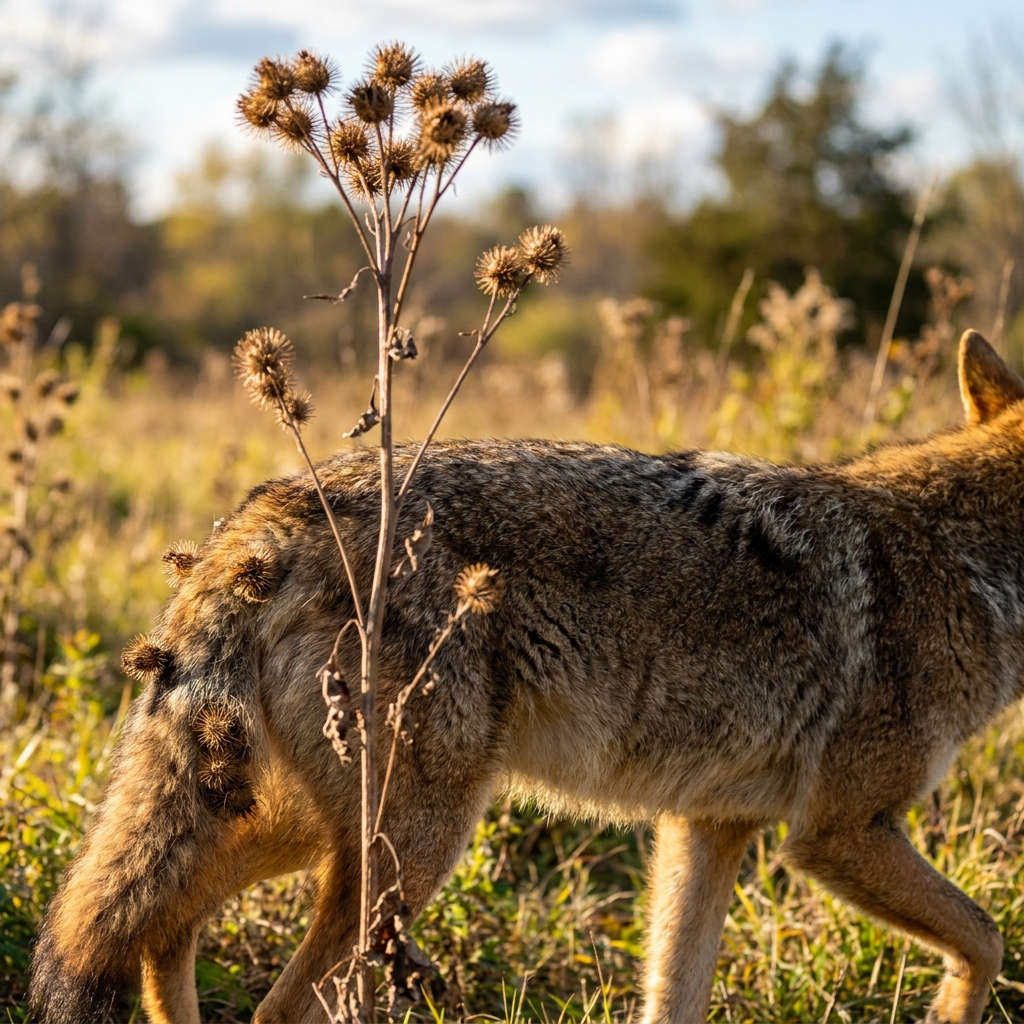
Reproduction Strategies in Nature, Details different ways organisms ensure the survival of their species