

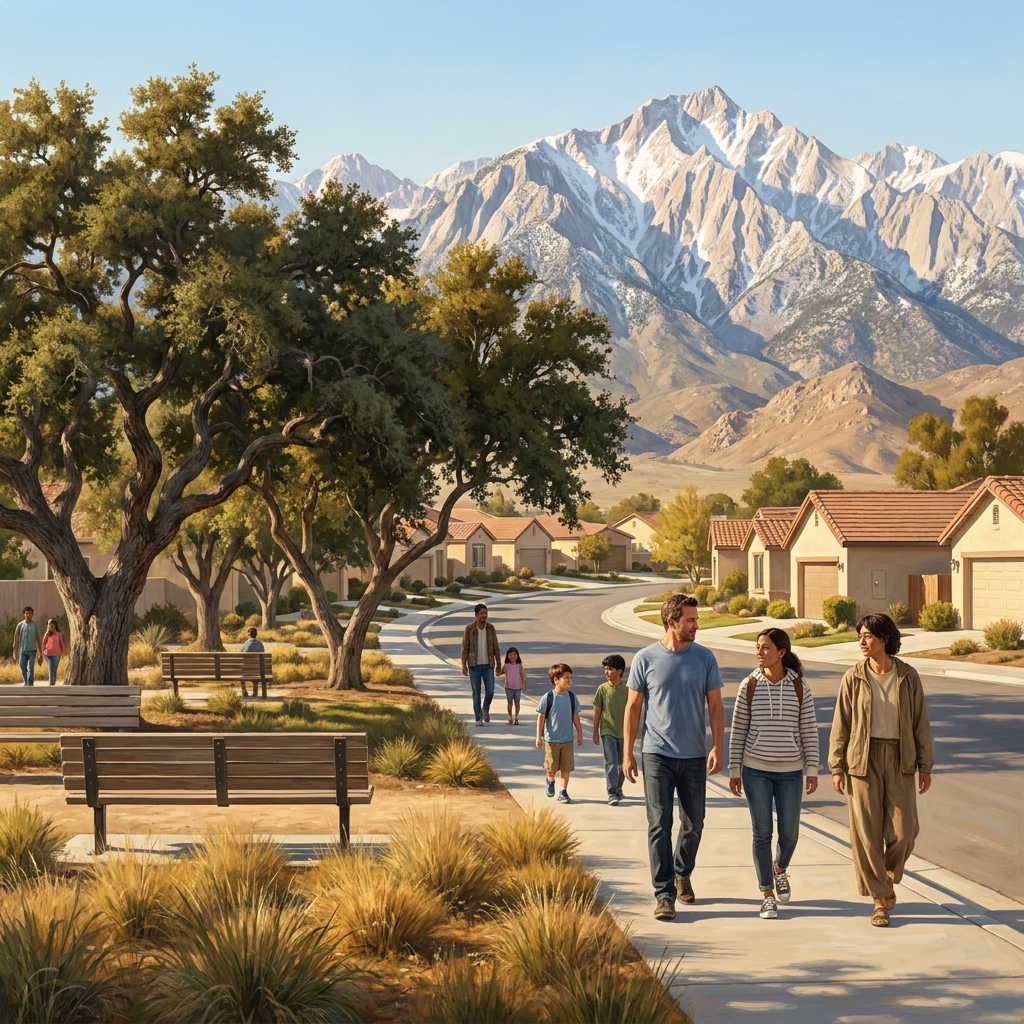
When you are planning your week in 4th grade social studies, it often helps to have a clear, straightforward resource that helps students ground their understanding of our state. The lesson titled California’s Regions: Physical and Human Features is designed specifically for this purpose. It is a solid choice for a whole-class introduction, a day when you have a substitute, or for a student who needs to catch up after missing the week.
This material directly addresses CA.HSS-4.1, which asks students to demonstrate an understanding of the physical and human geographic features that define places and regions in California. By learning these concepts, students gain the vocabulary and observational skills necessary to describe the world around them. This is the same standard taught in Irvine Unified, San Jose Unified, Chico Unified, and Mountain View Elementary School District. Because the work is focused and concise, it makes an excellent fourth grade California geography lesson for your classroom.
What the lesson actually asks students to do
The lesson starts by connecting to the immediate surroundings students already know. It uses the example of a local neighborhood park to point out that green grass and trees are natural parts of the land, while the school building itself is something people constructed. From there, the lesson formally defines two key terms that students will use throughout the curriculum.
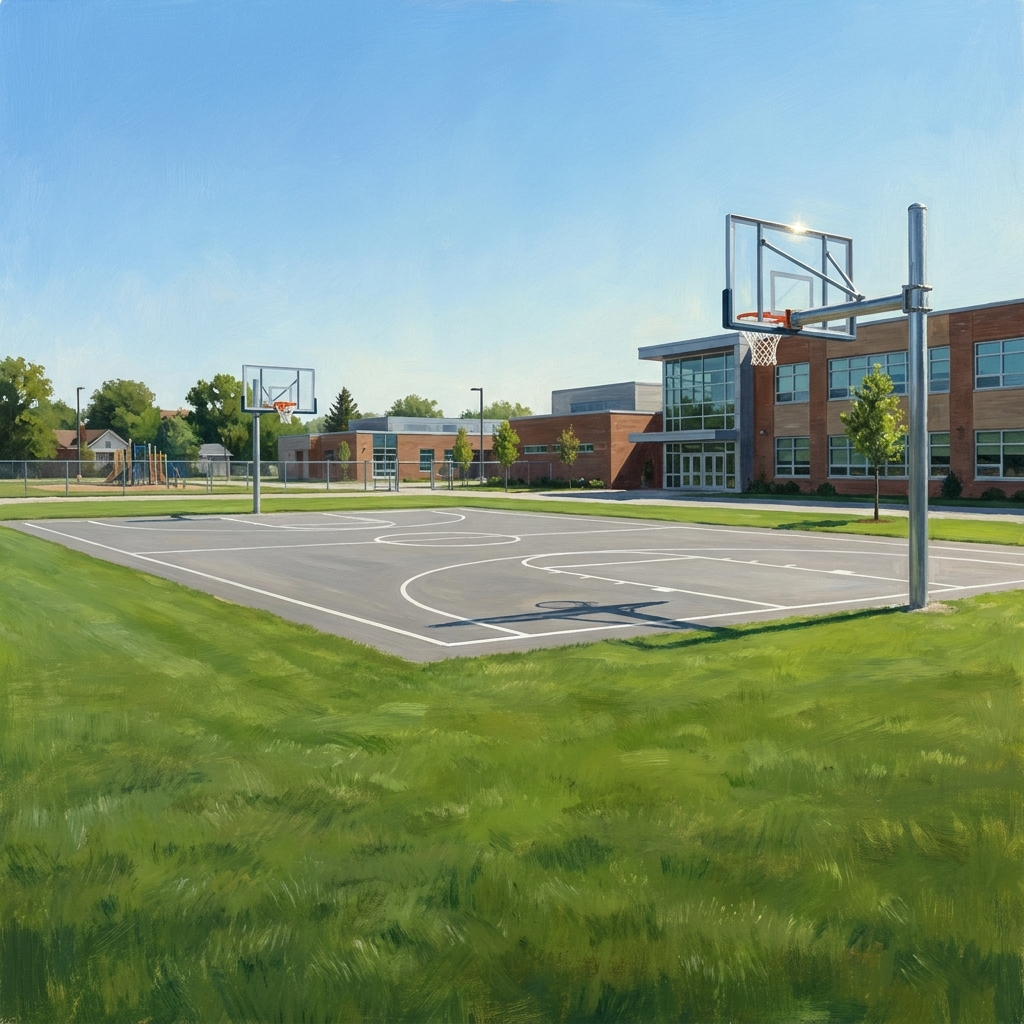
- Physical geographic feature: A natural part of the land, such as a mountain, river, or desert, that was not built by people.
- Human geographic feature: A part of the land that has been built or changed by people, such as a bridge, a farm, or a city.
The lesson includes a worked example using the Sierra Nevada mountains to illustrate a physical feature because they are large, natural landforms that were not built by people. During the guided practice, students examine the San Francisco Bay Area. They look at how it is defined by both types of features, specifically focusing on the bridge as a human feature that helps people travel across the water. The lesson concludes by explaining that understanding these distinctions is important for being an informed citizen. It notes that when cities decide where to build new schools or roads, they have to think about the physical features of the land, like hills or rivers.
Where students slip
The challenge for many students is not in the definitions themselves, but in the nuance of the environment. They often struggle when a site appears manicured. They might look at a park or a lake and feel uncertain whether it should be classified as a physical feature or a human one if there is a dam or a walking path nearby. Remind your students to think about the primary state of the landform. If the feature would exist without human intervention, it is a physical feature. If the feature is a result of design or construction, it is a human feature. Keeping that focus helps them avoid overthinking the minor details.

I recommend watching how they categorize features during the San Francisco Bay Area portion of the work. Some students will want to label the entire region as just one or the other. Push them to identify specific elements within that region instead. This helps them move past simple labeling toward a more descriptive analysis of their home state. If you find they are finishing the work too quickly, ask them to list two physical and two human features near the school building. It connects the lesson to their daily walk or bus ride and reinforces the vocabulary before they move on to the next topic in the unit.
Related lessons
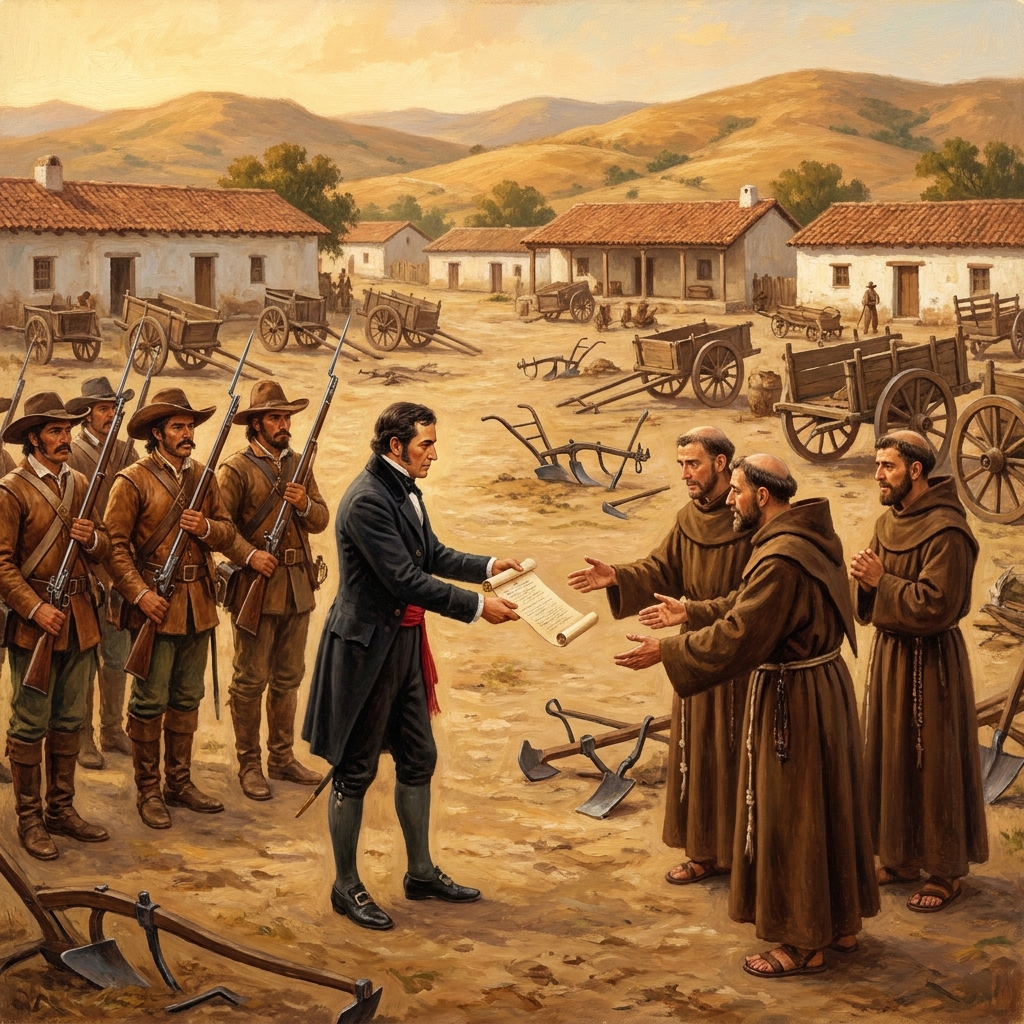
California and the Mexican War for Independence, Historical events regarding California and the Mexican War for Independence

California's Government Layers, Examination of different levels within the California government structure
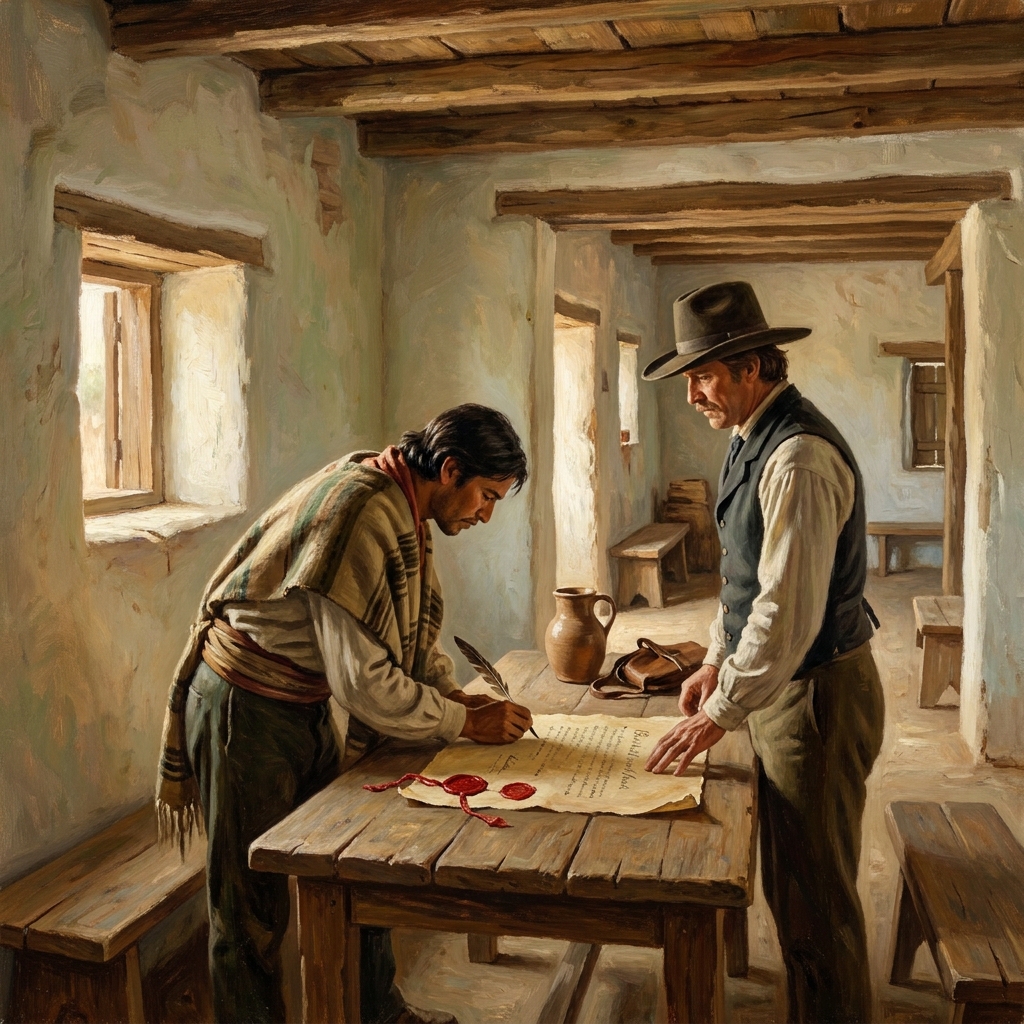
California's Big Change: From Territory to Statehood, The transition process of California becoming an official state