

When the calendar pushes back, it is almost inevitable. You reach that point in the year when you are covering the Roman Empire, and suddenly there is a school assembly, an unexpected calendar shift, or a few days of assessment that eat into your social studies block. You are looking at the Jewish Migration and Roman Conflict lesson, and you realize you have forty-five minutes to cover a complex set of historical changes. The pressure to keep the class moving through the curriculum is real, but the challenge of ensuring students understand how major political conflict drives population shifts remains constant.
Teachers in Oakland Unified, San Diego Unified, Riverbank Unified, and Palo Alto Unified all face the same challenge of keeping their 6th grade classes on track with the state history curriculum. When a student misses a week, or when you find yourself behind, having a self-contained resource that handles the core concepts of 6th grade Jewish migration and Roman conflict is a lifesaver. This lesson is built to be a standalone module that a student can work through during independent study or as a make-up session, without needing a lecture to bridge the gaps.
Tracing the history of movement
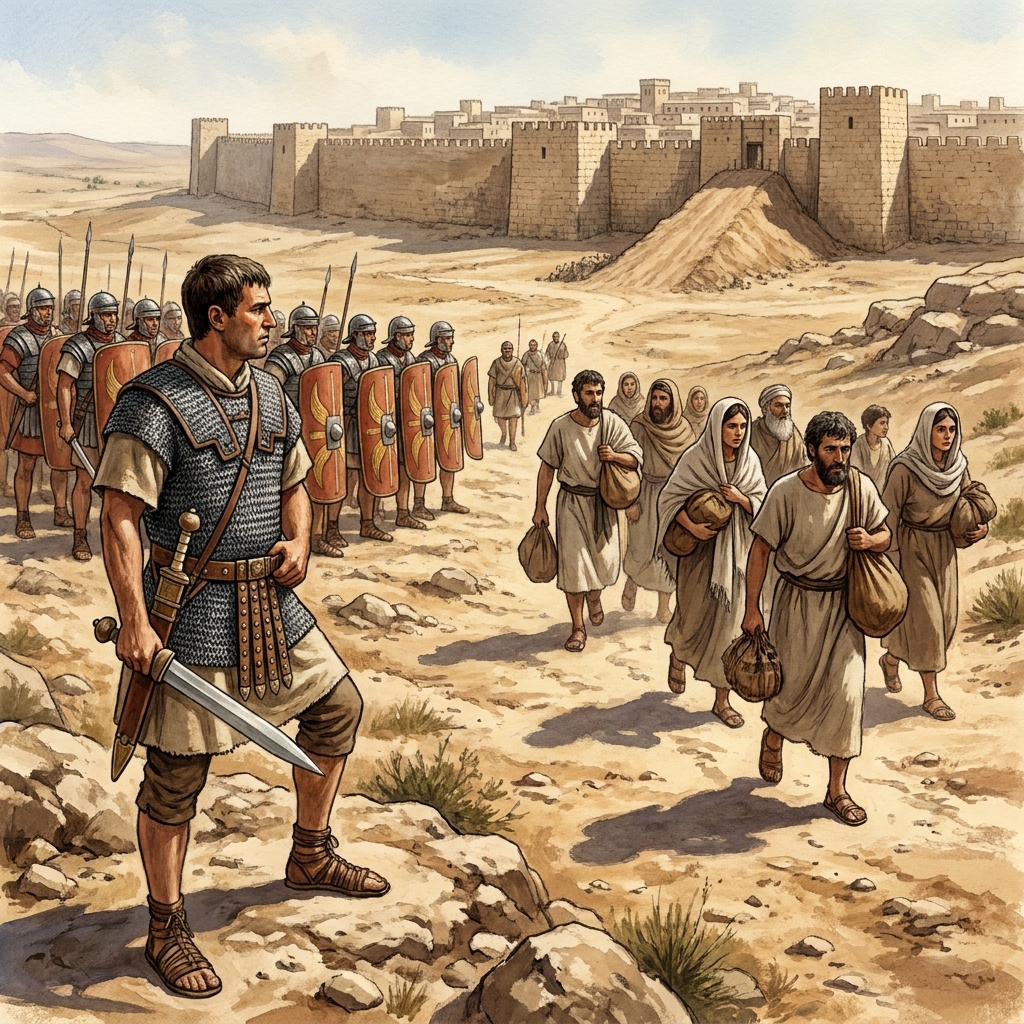
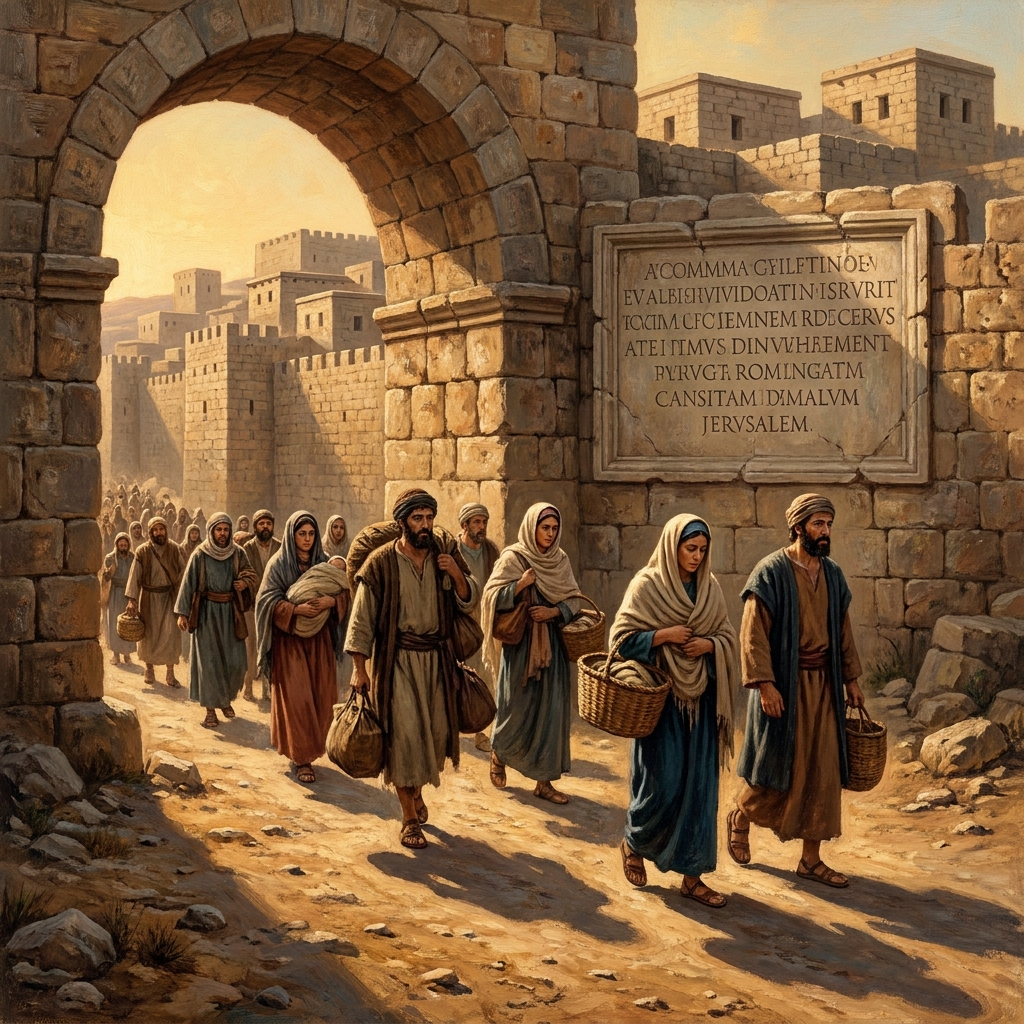
The lesson begins with a straightforward look at why people move. It grounds the historical content in the familiar idea of the ancient Mediterranean world, where families farmed the land for generations until conflict forced them out. The material explicitly uses the term migration to define this movement from one place to another. From there, the lesson moves into specific historical examples to show how Roman policy and military actions directly triggered this displacement. It describes the 70 CE siege of Jerusalem, where the Roman army surrounded the city to cut off all supplies, forcing a massive dispersal of the population. The lesson explains this through three primary vocabulary terms that ground the student in the historical context: Migration, Diaspora, and Siege. Using these terms, students trace how the loss of their original homeland led to the preservation of their traditions through the establishment of synagogues as centers for new communities.
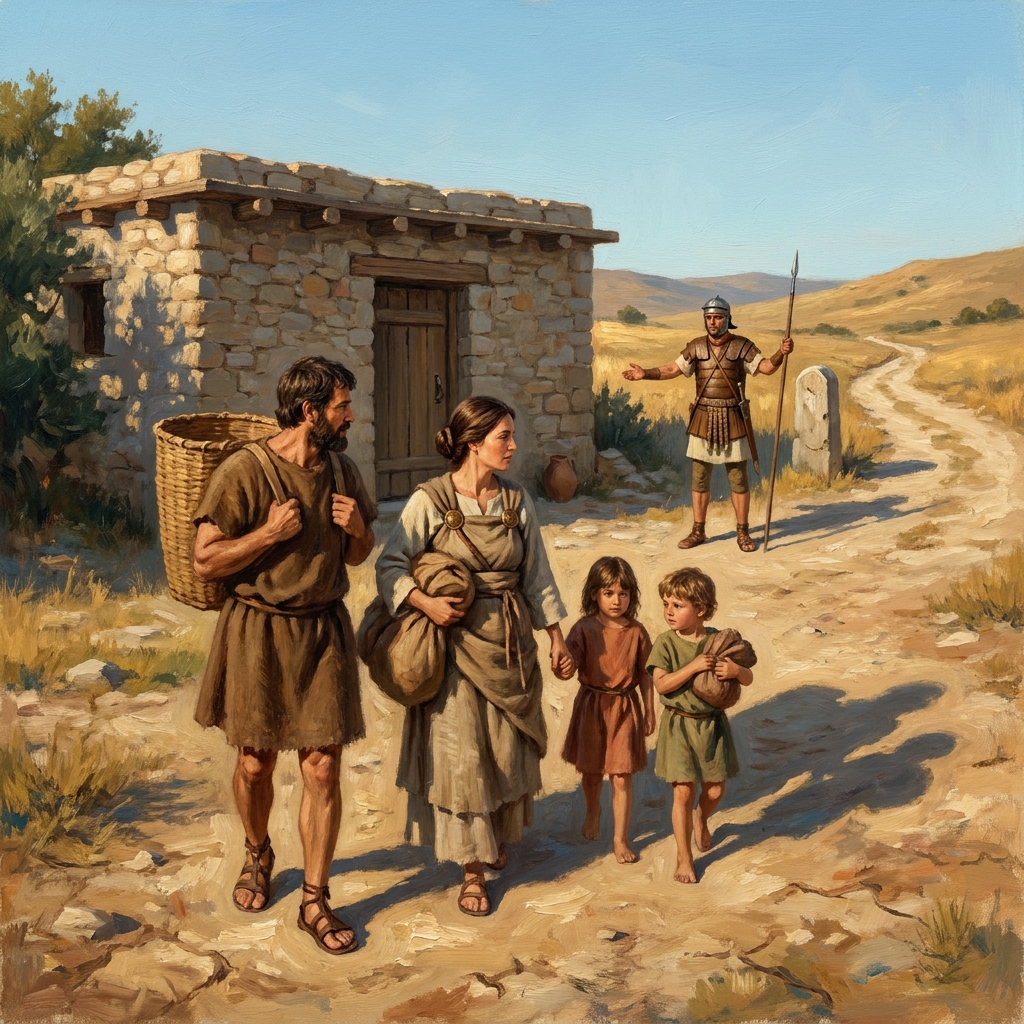
This work serves the California-adopted standard CA.HSS-6.7.5. This standard asks students to trace the movement of Jewish people throughout the Mediterranean region and examine the results of their conflict with the Roman Empire, specifically noting how the Romans placed restrictions on their right to live in Jerusalem. It is a vital part of the broader study of Roman structures because it shows how imperial policy shaped the lives of non-Romans, and the lesson handles this with a necessary degree of gravity.
Practical uses in your classroom
I find this lesson especially useful for a few specific scenarios. If you are running an intervention group or need a solid, meaningful assignment for a substitute day, this fits well because it provides all the context a student needs without requiring you to be at the front of the room leading a discussion. It also works beautifully for a whole-class assignment when you want students to work through primary historical analysis at their own pace. The lesson is not just about memorizing dates or military strategies. It connects the past to the present by explaining that understanding migration and the concept of a diaspora helps us relate to the experiences of people in our own communities today. It moves the conversation away from distant dates and toward human experiences.
One caveat: the lesson is dense enough that students who are less experienced with historical reading might need a quick check-in to ensure they understand the difference between the military siege itself and the long-term impact on cultural identity. I recommend having them define those three vocabulary terms in their own words before they begin the reflection on how synagogues maintained continuity for these families. The structure of the lesson is designed to prevent students from just skimming the text. Because it requires active thought on why a community might relocate and how they maintain their identity afterward, it forces a deeper engagement with the material than a standard textbook reading would. Whether you are using this as a catch-up tool or a core part of your Rome unit, the clarity of the examples makes it a reliable asset for a busy classroom.
Related lessons
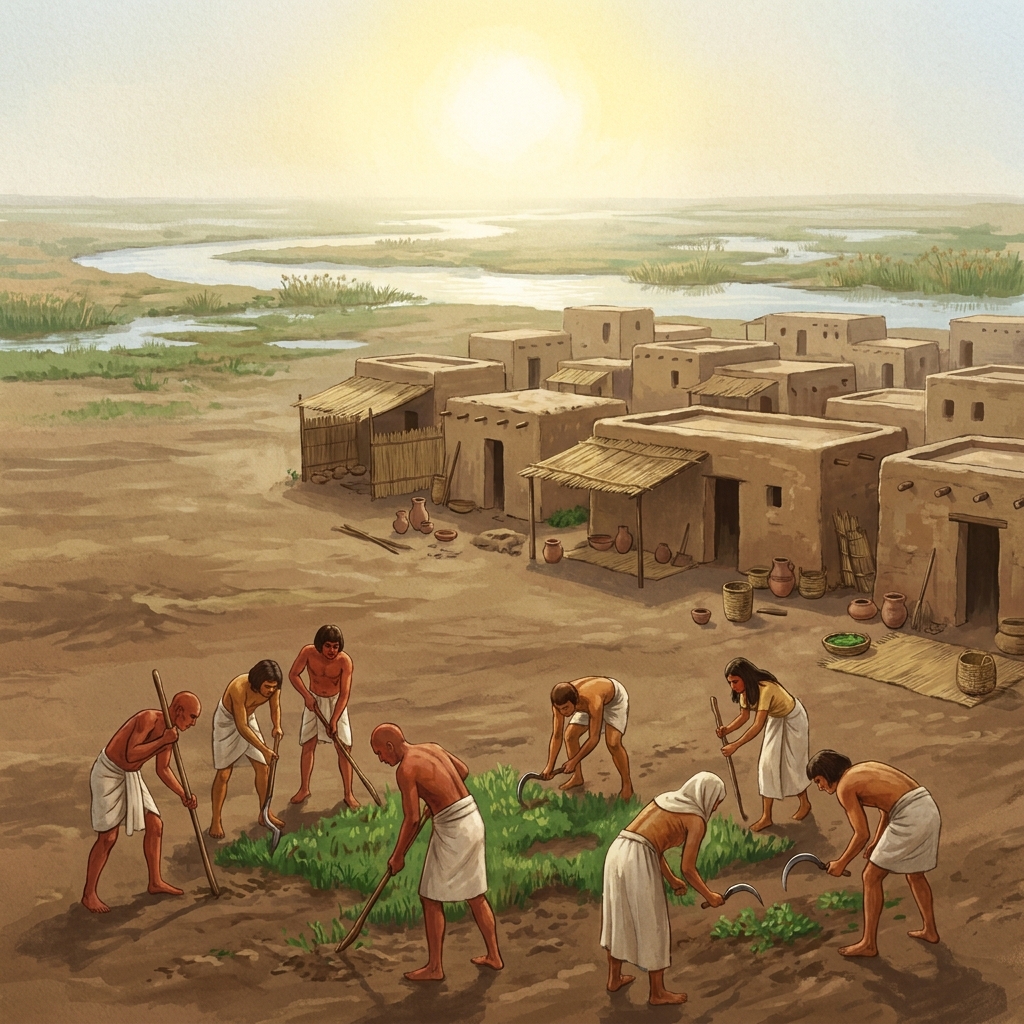
Geography and Early Civilizations, Covers physical geography and how it influenced early human settlement patterns
Foundations of Jewish Identity, Discusses the origins and early cultural development of Jewish communities
Trade Networks of Ancient Egypt, Examines how trade routes shaped the economy of Ancient Egypt