

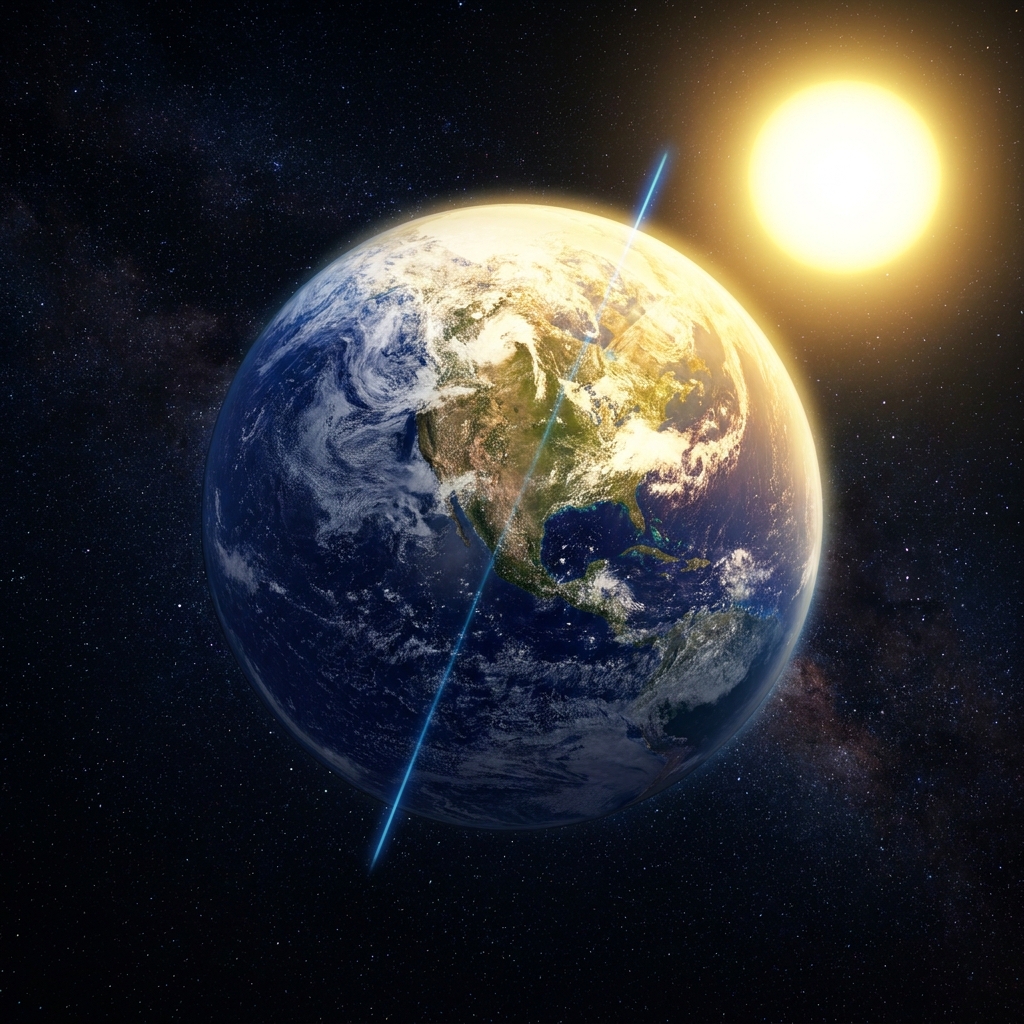
The summer solstice is a day when one hemisphere is tilted most directly toward the sun. For your students, this specific date provides a concrete entry point to understanding orbital cycles because it marks the precise moment in the Earth’s orbit where the angle of sunlight reaches its maximum. It is the longest day of the year, a phenomenon that happens every single year yet often feels mysterious to middle schoolers until they map it out physically. You can bridge this gap with the Cycles of the Earth-Sun-Moon System lesson, which is designed specifically for eighth grade science classrooms.
This lesson moves away from abstract diagrams and toward a model-based understanding of why things move the way they do in space. It starts by tapping into prior knowledge, asking students to recall that the moon orbits the Earth. It then introduces a specific scenario: when the moon sits directly between the Earth and the sun, the side facing us remains in shadow. The material defines this as a New Moon. From there, the lesson guides students through the three core vocabulary terms that anchor the unit. An orbital cycle is a repeating pattern where one object travels around another, creating changes in light and temperature. A lunar phase is simply the shape of the moon’s sunlit portion as seen from our vantage point on Earth. Finally, the axis is the imaginary line running through the center of the planet that dictates our rotation. These are the tools students need to build a mental model of the Earth-sun-moon system.
What the lesson asks students to do
The core objective here is to get students to describe how the movement of these three celestial bodies creates patterns of light and seasons. It is not enough for them to memorize definitions. Instead, they must apply these concepts during the guided practice session. This is where the eighth grade orbital cycles lesson gets interesting. The material brings in the term syzygy, the straight-line configuration of three celestial bodies in a gravitational system. While students often conflate eclipses and seasonal changes, the lesson clearly differentiates them. Students analyze why syzygy is the necessary condition for a solar eclipse, and they work through the mechanics of a lunar eclipse, where the Earth passes directly between the sun and the moon to cast a shadow on the lunar surface. Let’s explore how this alignment is used in the guided practice to discuss local animal behavior. By framing eclipses not just as astronomical events but as moments that influence environmental patterns, the lesson forces students to think about the interconnectedness of systems.
I find that many students have a strong intuition about the moon, but they often struggle to explain why the tilt of the axis matters as much as it does. By the time they reach the closure, they should be able to explain that understanding these cycles is vital for life on Earth. It is a practical necessity for predicting weather patterns, managing agricultural food production, and recognizing the rhythms of wildlife migration. The lesson provides a solid base for independent study or a make-up day for a student who missed the week, as it is self-contained and logical in its progression.
Addressing the standard
This resource is built to serve CA.MS-ESS1-1, which is the California-adopted standard for Earth and Space Sciences. This standard asks students to develop and use a model of the Earth-sun-moon system to describe the cyclic patterns of lunar phases, eclipses, and seasons. This is a foundational expectation that you will find in classrooms across the state, from San Juan Unified to San Jose Unified, and throughout Alpine Union Elementary School District and Evergreen Elementary School District. The California addition to this standard requires that you also relate these seasonal patterns to our local agricultural cycles and the timing of native wildlife migration and breeding. This makes the lesson much more than an astronomy exercise; it becomes a study of how California systems rely on the predictability of the Earth’s orbit. Whether you are using this as a whole-class assignment or for a student needing attendance recovery, the lesson material provides the necessary context to satisfy the state requirements.
Where students slip
The most common point of confusion is the relationship between the moon’s orbit and the shadow of the Earth. Students frequently think eclipses happen every month because the moon passes behind the Earth every month. When you facilitate this, keep a close watch on their diagrams. They often draw the objects in a perfect circle rather than considering the slightly tilted orbital plane. It is also common for them to get mixed up on which body is in the middle during a solar versus a lunar eclipse. I recommend having them sketch the arrangement of the three bodies before they attempt the guided practice questions. If they can draw the syzygy correctly, they usually get the rest of the logic. It is a small but critical check that ensures they are building a correct model rather than just guessing. If you are teaching a substitute day, providing a quick check-in on their diagrams will save you a lot of time re-teaching the concept the following week.

Related lessons
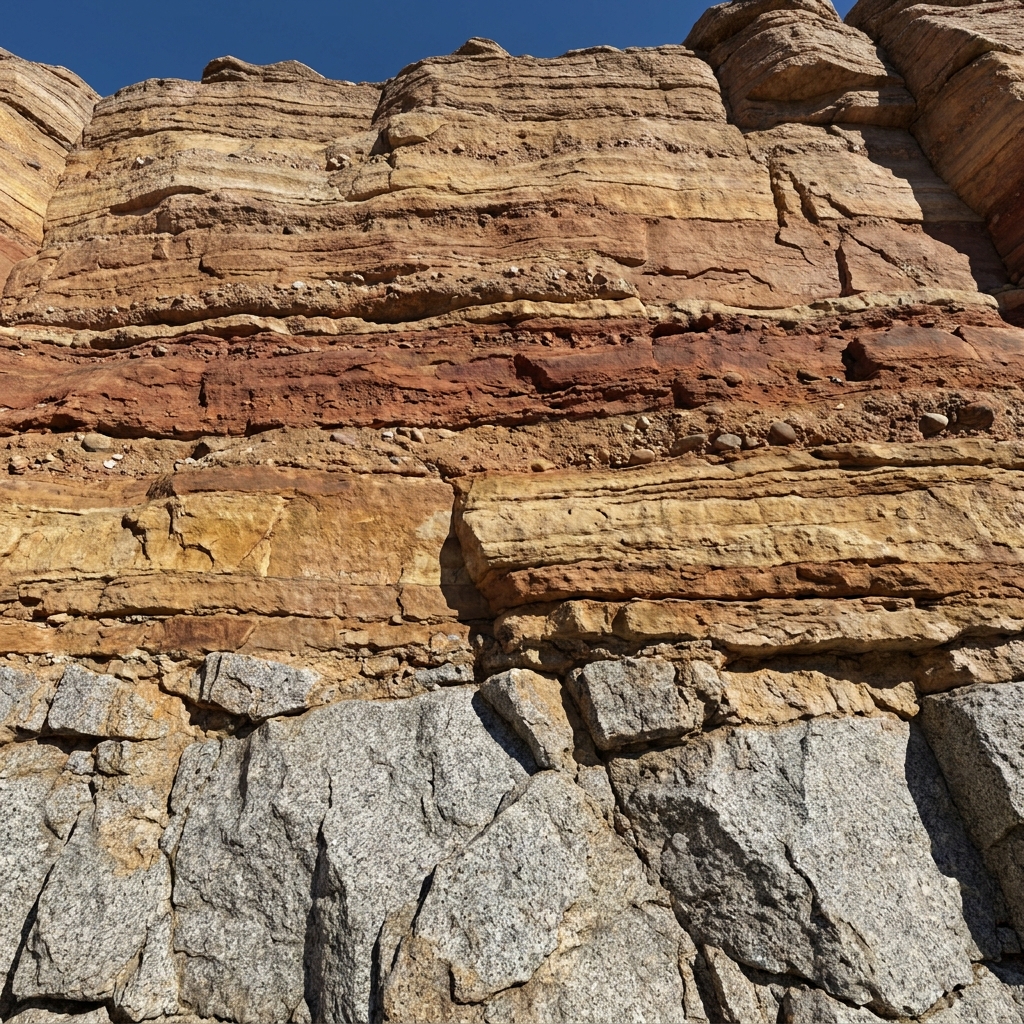
Reading Earth's History in Rock Strata, Explains how rock layers provide evidence for past geological events
Evaluating California Climate Action, Analyzes state-level policies regarding current and future climate changes
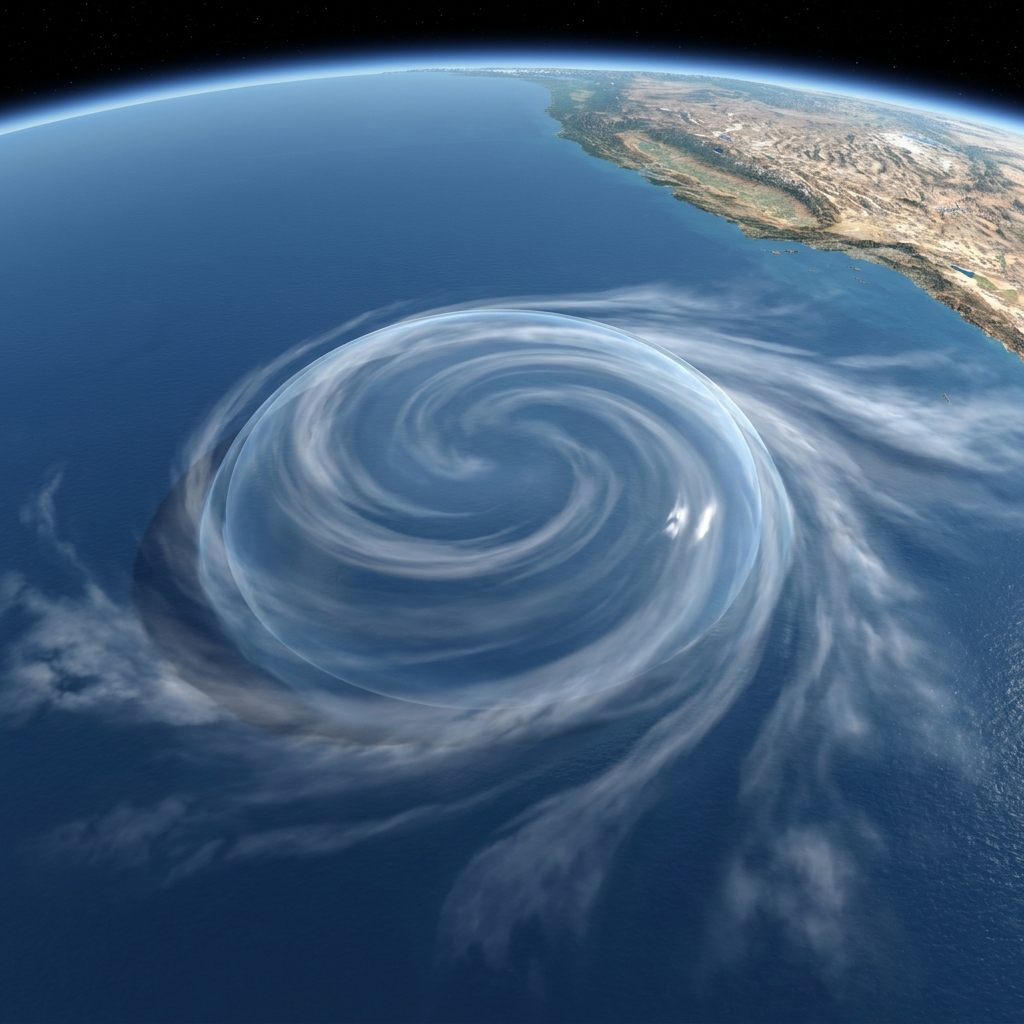
Weather Patterns and Air Masses in California, Examines how air masses influence regional weather and climate systems