

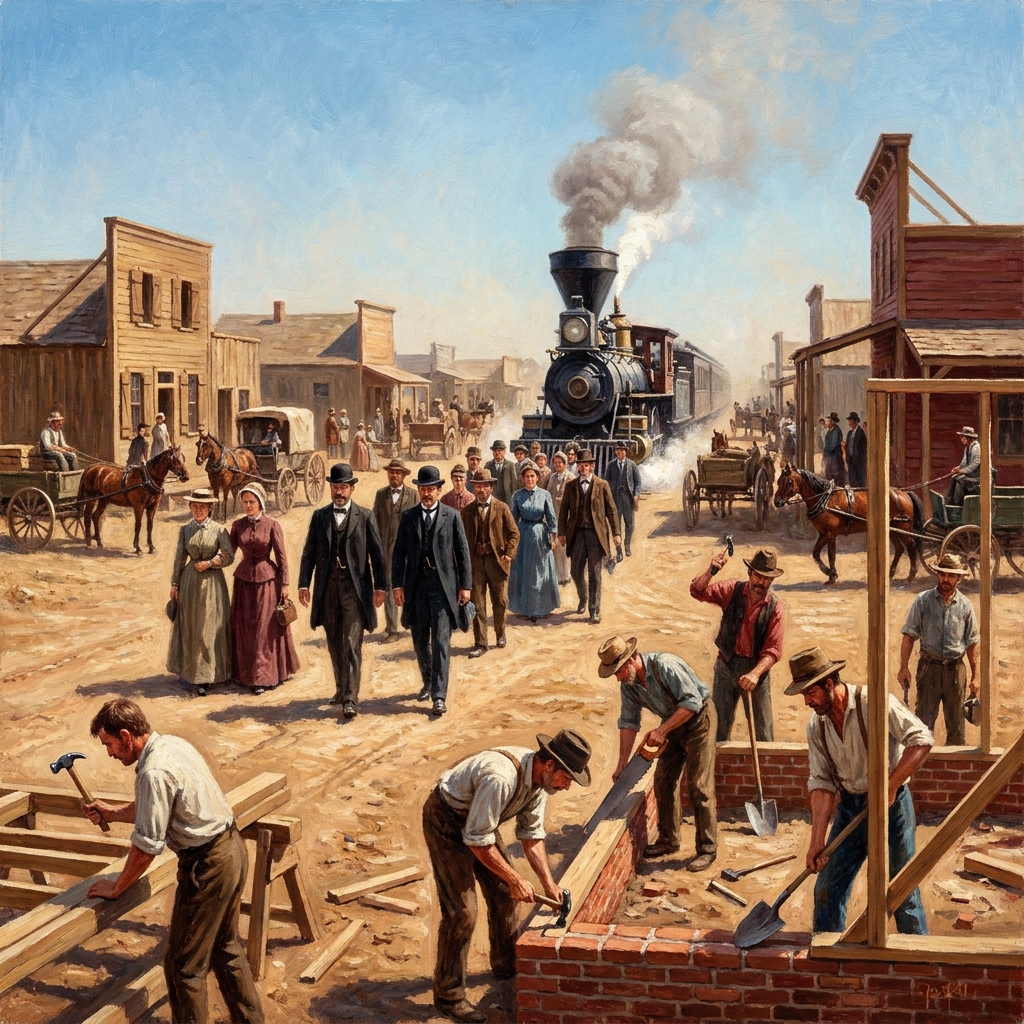
This 4th grade social studies lesson provides a framework for students to explore the significant changes that occurred in California during the late 1800s. By examining the movement of people and the rapid expansion of towns, educators can guide students through the history of urbanization and migration. This material is designed to make historical concepts accessible and relevant to 9 and 10 year old students while meeting specific curriculum requirements and district expectations.
How this lesson fits into your week
This 4th grade social studies lesson is a solid pick for any team looking to introduce the concepts of urbanization and migration. You can easily fold California: A Growing State into a week where you are already covering the economic transformation of the state. It is efficient enough for a whole-class assignment, but I often see teachers pull it for independent study or as a make-up session for a student who missed the week. It takes about 45 minutes, which is just enough time to get through the material without rushing the check for understanding at the end. The structure of this lesson is designed for consistency. By incorporating it into your standard class block, you maintain the flow of your social studies unit. Teachers often find that introducing the lesson early in the week allows for better class discussions as students encounter similar themes in their reading.

What the lesson actually asks students to do
The lesson asks students to walk through the history of how California shifted from an agrarian setting into an industrial hub. It starts with a simple, relatable hook: a family of four moving from the Midwest to a farm in California in 1890. This sets the stage for the core concept, which is that California changed through the movement of people and the growth of towns and cities. The lesson material defines urbanization as the process where cities grow quickly, and it offers Los Angeles in the late 1800s as the primary example. It explains that the arrival of the railroad in Los Angeles triggered massive growth in both population and local businesses. This section of the lesson provides context for why people chose to move, focusing on the economic opportunities presented by emerging urban centers. Students engage with the definitions of urbanization and internal migration, applying these concepts to the California experience. By tracing the movement of a family moving from the Midwest to a farm, students visualize the physical changes happening in the state. They compare the quiet, rural environment of 1890 with the bustle of cities that emerged due to improved transportation and trade. Students are then asked to identify internal migration by analyzing a scenario where a family moves from San Francisco to a new citrus farm in Southern California. The vocabulary is manageable and includes terms like urbanization, migration, and settlement, which you can easily weave into your classroom discussions.
Aligning with state standards
The content is mapped to CA.HSS-4.4.4. This California-adopted standard asks that students describe rapid American immigration, internal migration, settlement, and the growth of towns and cities. It is the same standard taught in districts like Poway Unified, San Bernardino City Unified, Placentia-Yorba Linda Unified, and Oak Park Unified. When I look at this standard, I appreciate that it requires students to see beyond just the dates and names. It forces them to trace how the economy and political structures were transformed starting in the 1850s, which is a big leap for 4th graders. They need to understand that when people move, they carry change with them. By the time they finish this 4th grade internal migration lesson, students should be able to articulate why communities build schools, parks, and roads in response to population shifts. By focusing on these specific elements, students gain a better perspective on why our current state geography looks the way it does. The lesson connects these historical processes to tangible outcomes like infrastructure development.

Where students slip
One thing to watch for is how students distinguish between immigration from the Midwest and internal migration within the state. They tend to conflate the two movements because both involve people relocating to follow opportunity. Listen for them during guided practice as they work through the San Francisco to Southern California scenario. If they call that immigration, you know they need a quick refresher on the difference between moving between countries and moving between regions. Students often have trouble differentiating between long-distance immigration and moving from one part of the state to another. This distinction is vital for understanding the broader scope of population changes. To assist with this, consider using a classroom map to show the distance between San Francisco and Southern California. This visual aid clarifies that internal migration occurs within the existing state borders, whereas immigration involves arrivals from outside. By reinforcing these terms during class discussions, you help students clear up any confusion before the final assessments. Another thing to keep in mind is the why-it-matters connection. The lesson argues that understanding city growth helps us make better planning decisions for our own communities today. Some students might find that leap abstract, so try to point to a local road or a nearby park in your own school neighborhood as an example of planning that responds to local growth. Keeping it grounded in their own experience makes the historical concept stick much better than if you just leave the lesson on the screen.
Related lessons
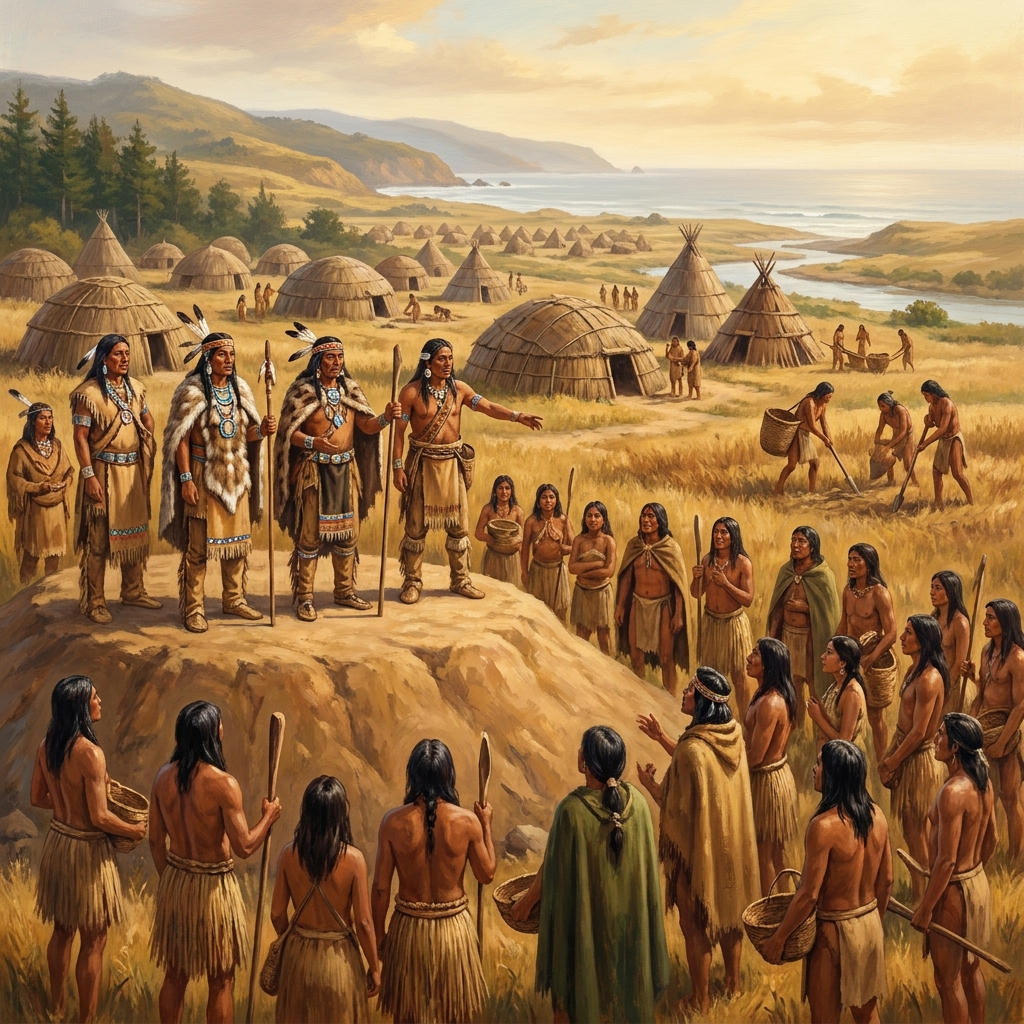
California: A Changing State, Overview of California history focusing on transformation since the 1850s
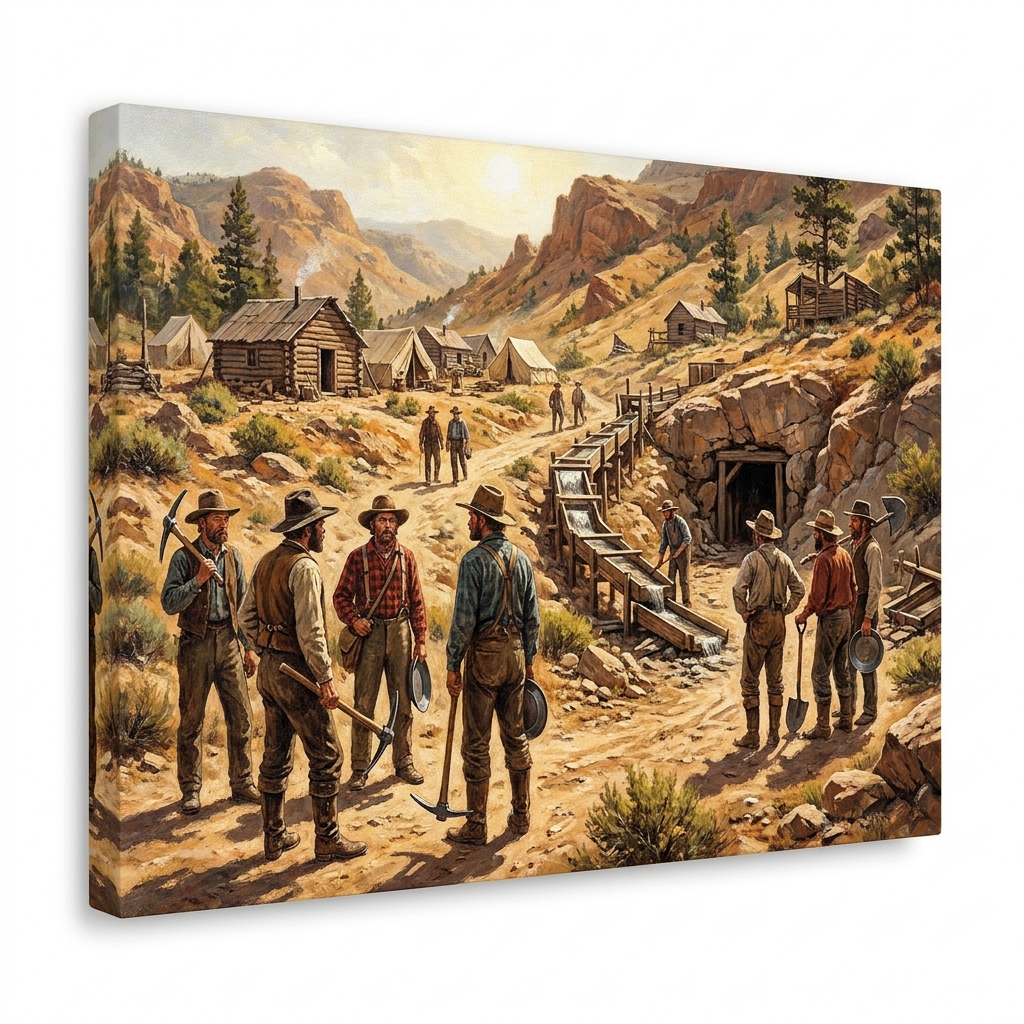
Moving to California: People and Change, Examination of how different groups of people moved into California

Exploring the California Coast, Study of geographical development and growth along the California coast