

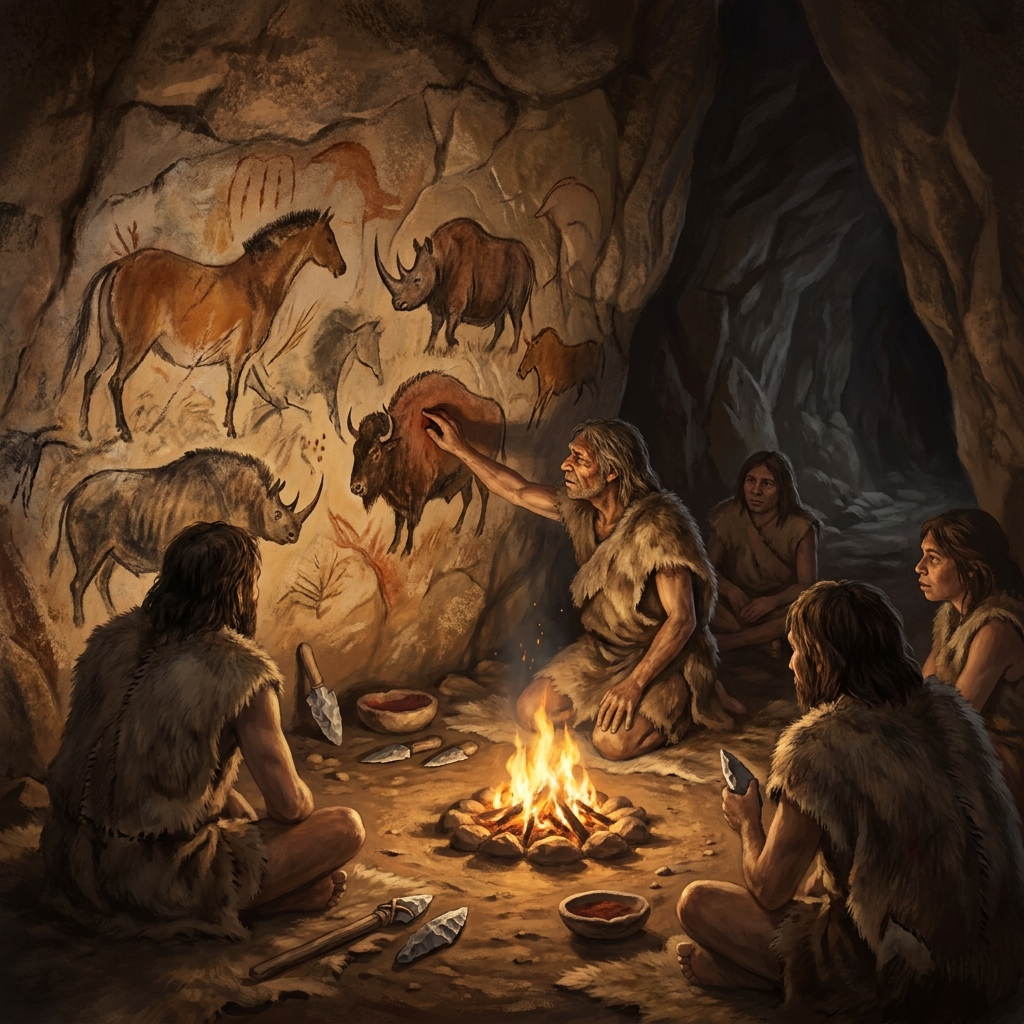
When the social studies calendar feels crowded, finding efficient ways to meet curriculum requirements is a priority for every educator. This lesson on archaeology offers a practical approach to covering essential history standards while helping students grasp the complexities of early human development. By focusing on how we learn about the past, it provides a valuable resource for classroom instruction.
When the calendar gets crowded
In most 6th grade social studies classrooms, the year starts with a sprint. We are tasked with covering the vast span of early human history, often right as the school year finds its rhythm in the fall. By the time we get to the core of ancient civilizations, the calendar can feel like it is closing in on us. If you find yourself needing to catch up or looking for a way to support students who missed a few days of in-class lectures, Understanding Early Human Development is a practical tool for your daily instruction.

This lesson hits the ground running by introducing how we know what we know about the deep past. It focuses on how archaeologists piece together the story of early humans using the objects left behind. It covers the shift from the nomadic life of the Paleolithic era to the sedentary life of the Neolithic era. Students look at real-world examples, like the cave paintings in Lascaux or the basic technology of a stone hand-axe, to see how physical remnants act as the primary record for eras that predate written language. Whether your students are at San Diego Unified, Ontario-Montclair School District, Chowchilla Elementary School District, or Rowland Unified, they are all working toward the same benchmarks in their development as historians.
The instruction provided here remains focused on the core skills students need for state assessments. Because the material helps students parse the terminology like archaeology and the Paleolithic era without feeling overwhelmed by dense text, it keeps the goal clear: looking at objects to decode the past. Students learn to think like researchers, observing the evidence of human adaptation to the environment rather than just memorizing dates. By concentrating on artifacts, the lesson ensures that even when the calendar is tight, the learning remains rigorous and grounded in primary evidence.
The standard and the practice
The lesson is specifically designed to meet CA.HSS-6.1. This California-adopted standard asks that students describe what is known through archaeological studies of the early physical and cultural development of humankind from the Paleolithic era to the agricultural revolution. It is an ambitious standard because it requires students to move beyond memorizing names and dates, instead asking them to think like researchers who examine the evidence of human adaptation to the environment.
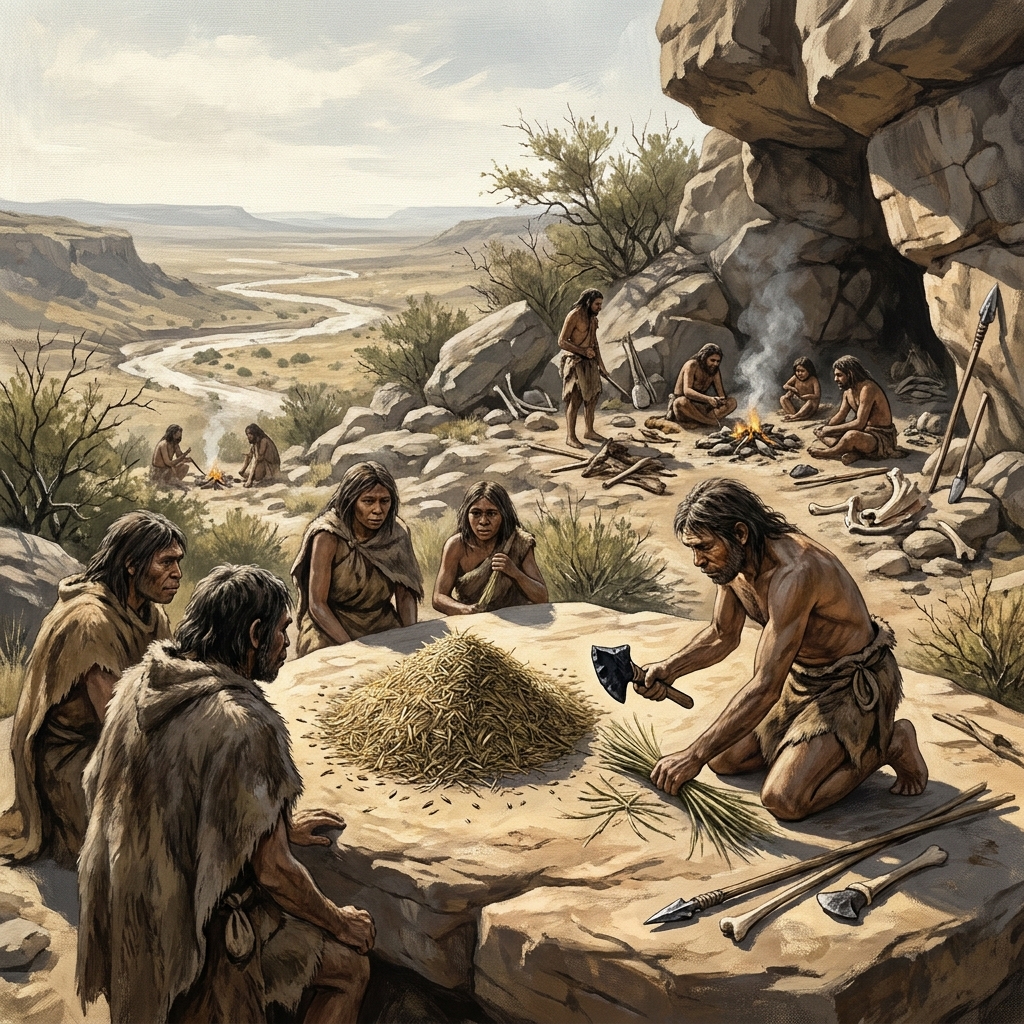
You can use this 6th grade archaeology history lesson to help your class visualize the transition from hunting and gathering to settled agriculture. The material breaks down the process of using artifacts, objects made or used by humans in the past, such as weapons or jewelry, to reconstruct the beliefs and daily routines of ancient peoples. I appreciate that the lesson frames this not just as a dusty historical exercise, but as a way to understand human identity and the very foundations of modern life. It keeps the focus on the actual mechanics of archaeology, emphasizing how the transition to farming and the development of new tools signaled a major shift in how our ancestors lived.
One caveat: the lesson is brief, taking about 45 minutes to complete. It is not an exhaustive study of every nuance of the Neolithic transition. However, that brevity is exactly what makes it effective for specific classroom needs. It works well for a whole-class introduction where you want to ensure everyone has a shared vocabulary, but it is also an ideal resource for a student who missed the week due to illness. Because it is self-contained and clear, it is an excellent independent study module for those who need a bridge between units, or even as a high-quality alternative for a substitute day when you want the class to continue moving forward without interruption. The material helps students parse the terminology like archaeology and the Paleolithic era without feeling overwhelmed by dense text. It keeps the goal clear: looking at objects to decode the past.
Related lessons
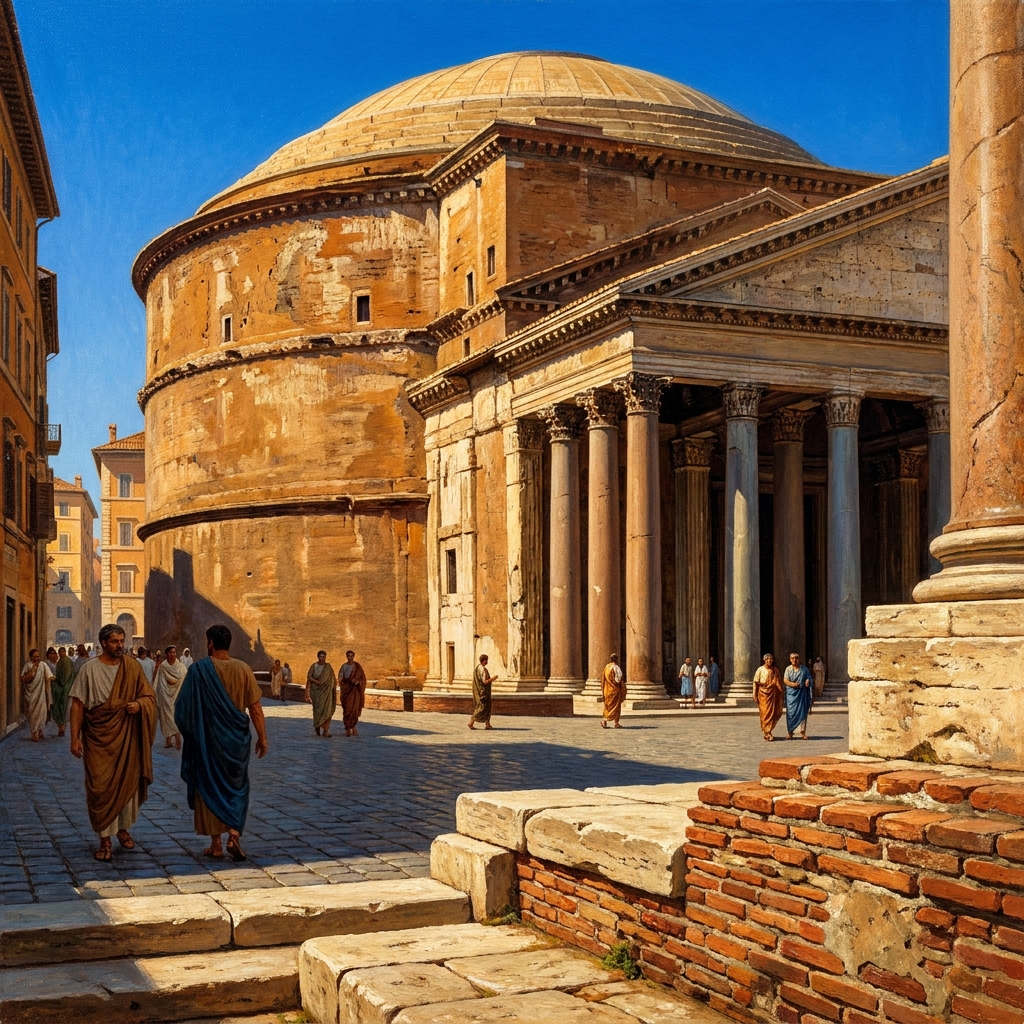
The Enduring Legacy of Ancient Rome, Reviewing the lasting cultural and political influence of Ancient Rome
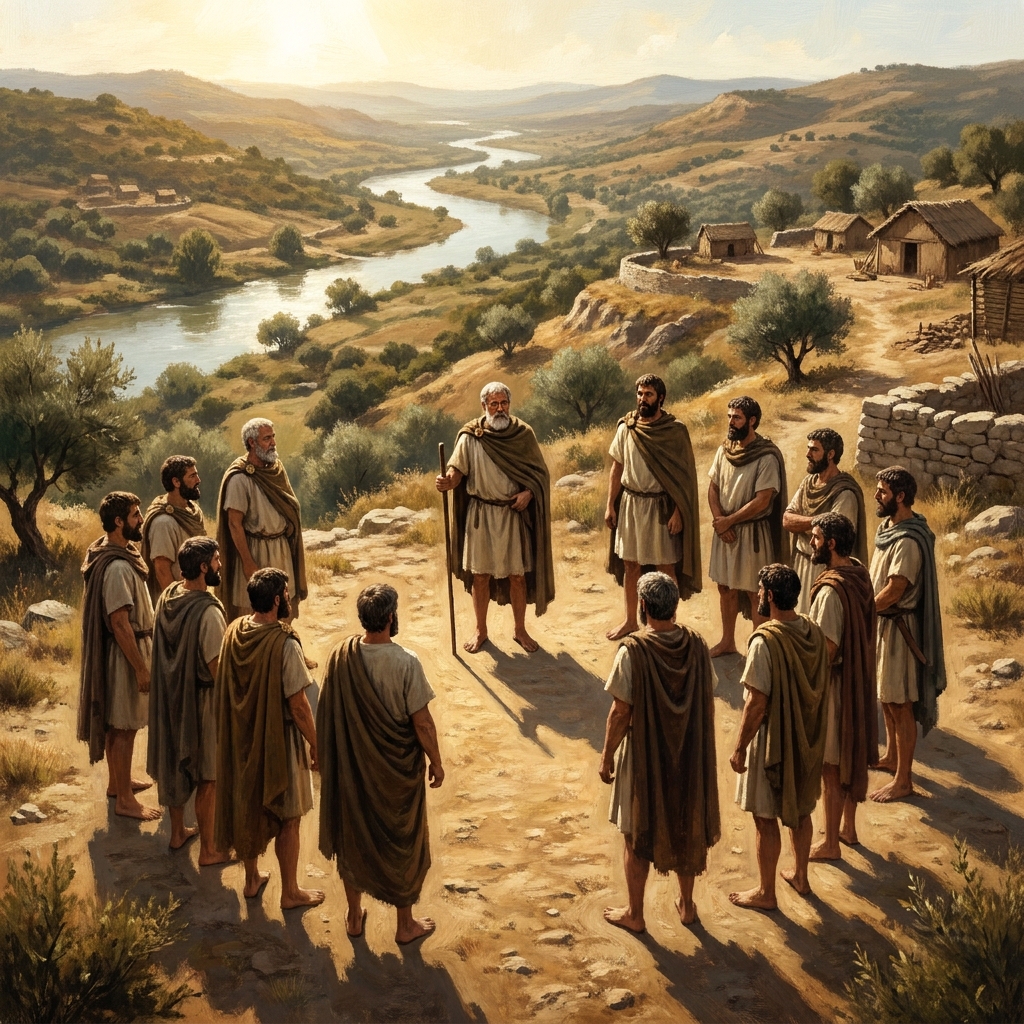
The Foundations of Ancient Rome, Tracing the early origins and development of the Roman state
Leaders of Ancient Egypt: Hatshepsut and Ramses the Great, Examining the political power and contributions of famous Egyptian pharaohs