

If you are looking for a way to break down complex belief systems for your 6th graders, Ancient Chinese Philosophies: Confucianism and Taoism is a solid pick for your World History and Geography curriculum. This lesson runs about 45 minutes, which is just enough time to get into the primary differences between how a person might live under the guidance of Confucian duty versus the natural flow of Taoism. Teachers in the William S. Hart Union High School District, Desert Sands Unified, Santa Rita Union Elementary School District, and Livermore Valley Joint Unified all work toward the same state goals with this material.
What the lesson actually asks students to do
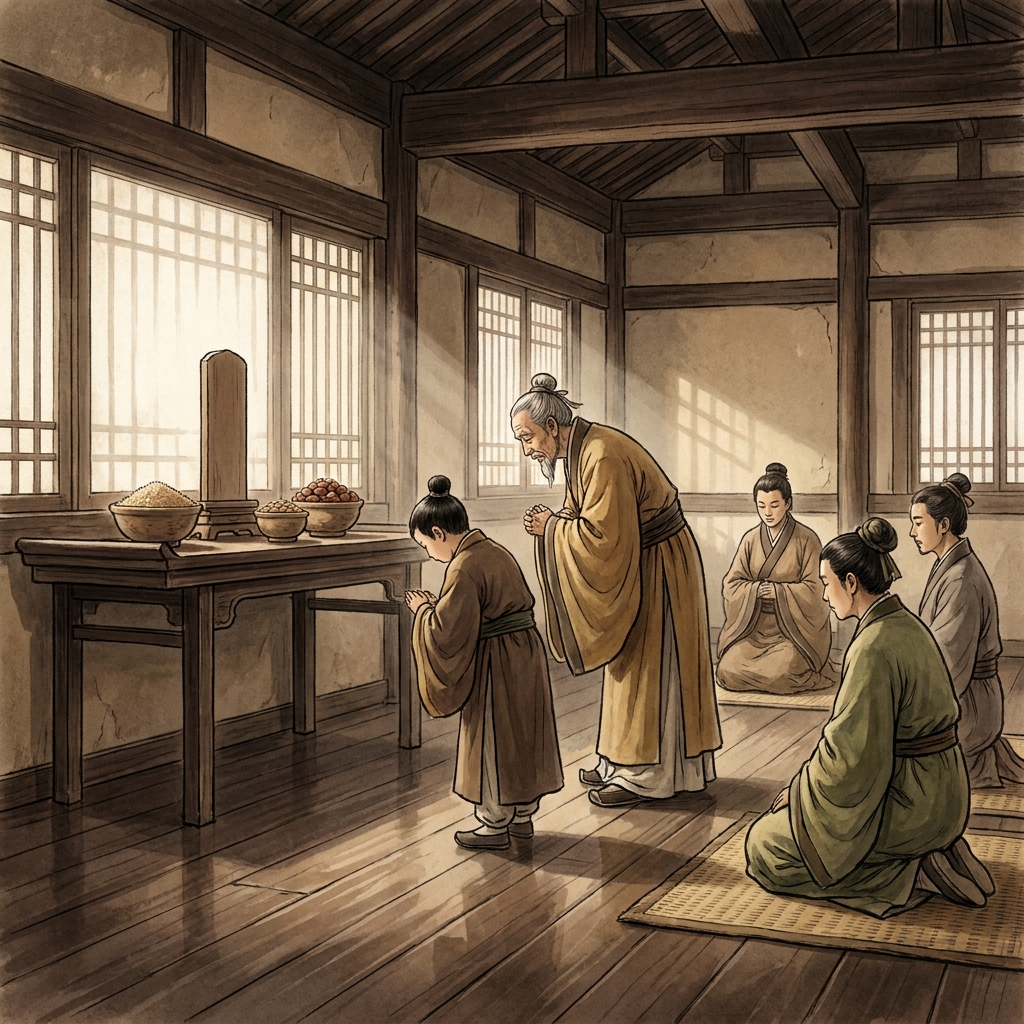
The lesson starts by introducing students to the idea that philosophy is a tool for social order. It covers the core teachings of Confucius, focusing on filial piety and the importance of respect for elders, and introduces Taoism as a path to living in harmony with nature. Students walk away with a clear grasp of vocabulary like Confucianism, Taoism, Filial Piety, and The Way. The content is practical: it uses a scenario about a government official to show how these abstract concepts translate into day-to-day decisions. As the lesson notes, “Confucianism uses rituals, or li, to show respect, such as bowing to ancestors during a festival.” Seeing these ideas applied to specific roles makes the philosophy feel less like a dry textbook chapter and more like a real guide for human behavior.
Aligning with the standards
This lesson hits CA.HSS-6.6.3 directly. That standard asks that students know the life of Confucius and the fundamental teachings of his philosophy alongside Taoism. It is a key part of the broader study of early Chinese civilizations. Because the standard is part of the California-adopted history framework, it helps students understand the structural foundations of society. I find it helpful that the lesson doesn’t just ask students to memorize dates or lists; it pushes them to compare the two belief systems. If you have a 6th grade ancient chinese philosophies lesson that helps them differentiate between the social-structure focus of Confucianism and the nature-oriented focus of Taoism, you have done your job well.
Where students slip
Watch out for the part of the lesson where students are asked to relate these philosophies to their own lives. Students often struggle to separate the “rules” of society, which they associate with Confucianism, from the “balance” or “rest” they associate with Taoism. In the guided practice, when the government official considers his duties, students sometimes want to force a Taoist perspective into a situation that clearly demands Confucian administrative order. It is a great moment to push back and ask, “Which philosophy values the social role more?” It is a minor hurdle, but it is where you will see if they really processed the definitions of filial piety versus the flow of the universe. I find that this is the point where they stop reading and start thinking.
Best ways to use this resource
I would use this for a whole-class assignment during our unit on China, but it is also excellent for a student who missed the week and needs a quick, meaningful way to get caught up. It is self-contained enough that you could comfortably leave it for a substitute teacher without worrying that the class will get lost in the nuance. Because the why-it-matters section bridges the gap between ancient rituals and modern office dynamics, it is a great prompt for a short writing response or a quick classroom discussion to close the hour. It is rare to find a lesson that successfully treats these ancient concepts as active, living ideas, but this one manages to keep the focus on how these ways of thinking still inform the way people interact with one another today.
Related lessons
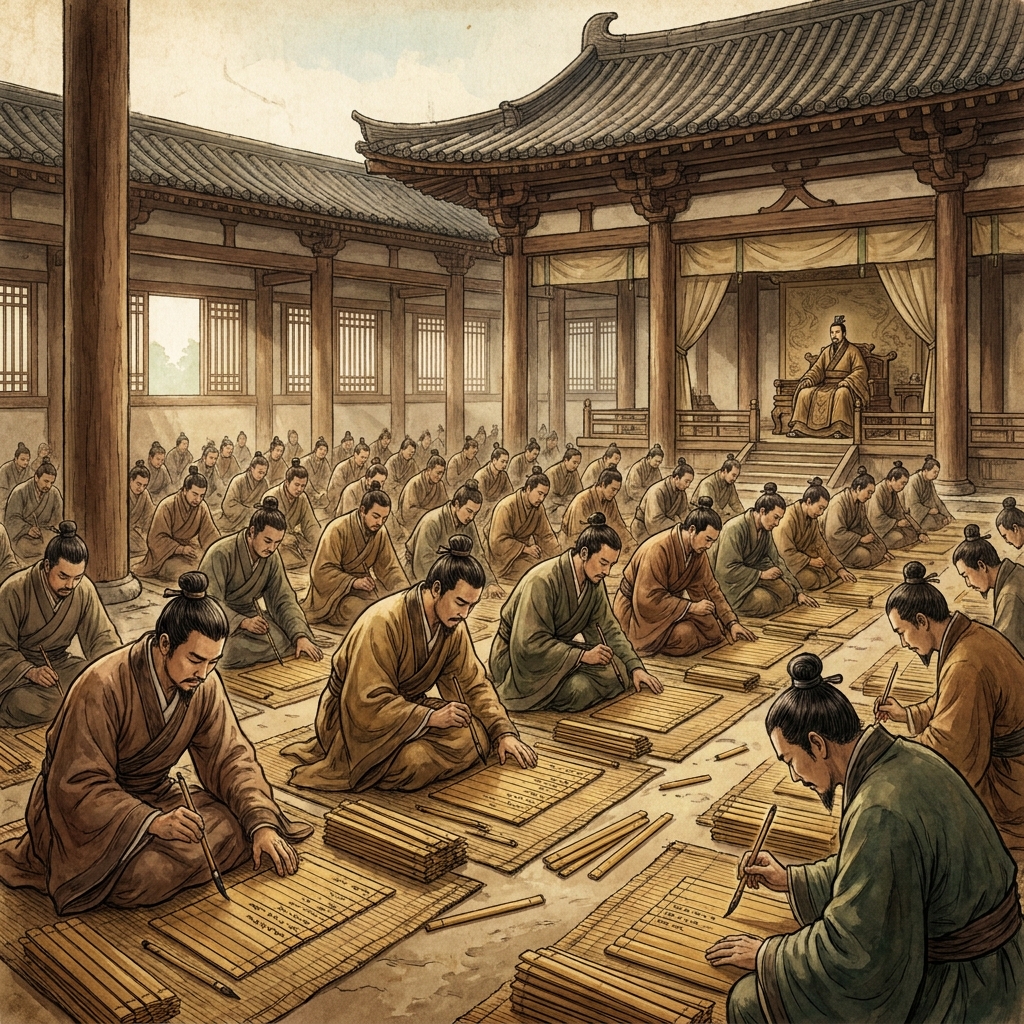
Building the Han Empire, Details the expansion and consolidation of the Han dynasty rule
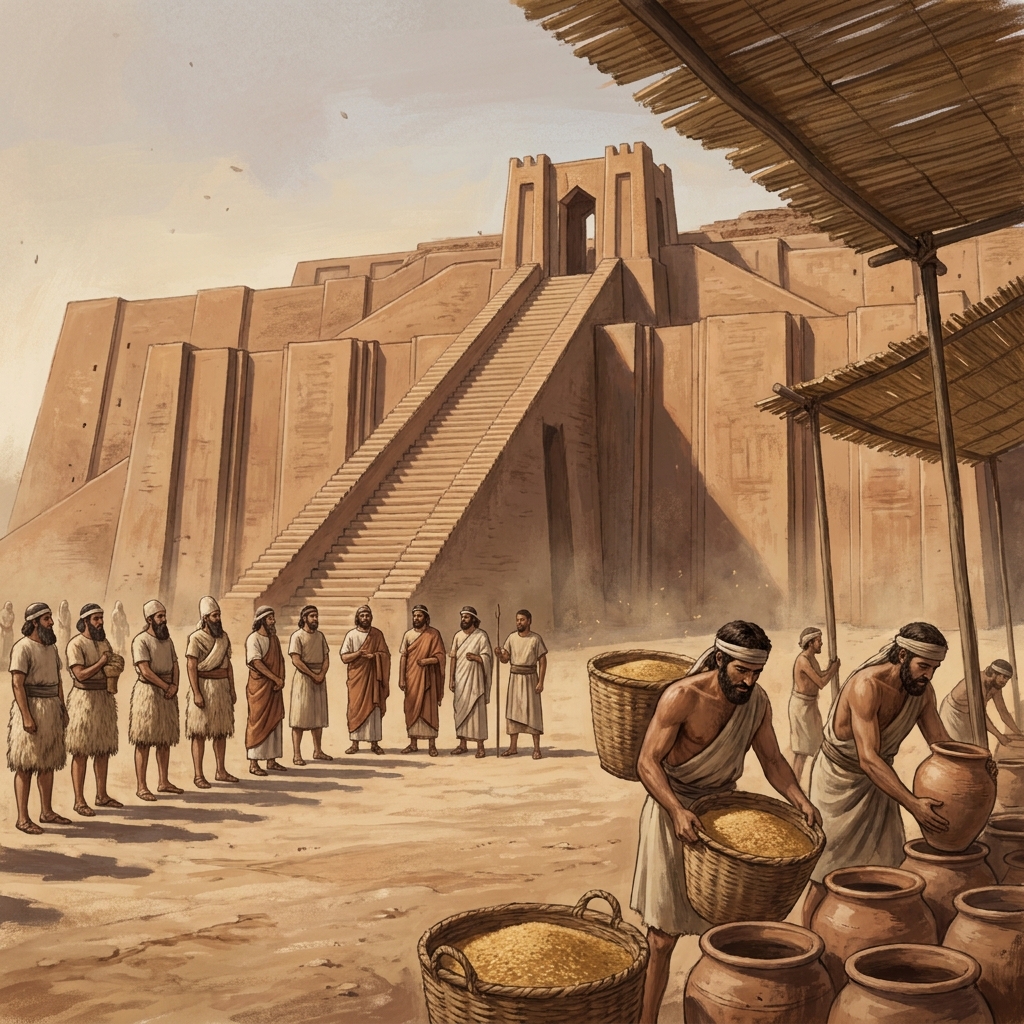
Ancient Civilizations: How Geography and Society Connect, Explains the link between land features and civilization development
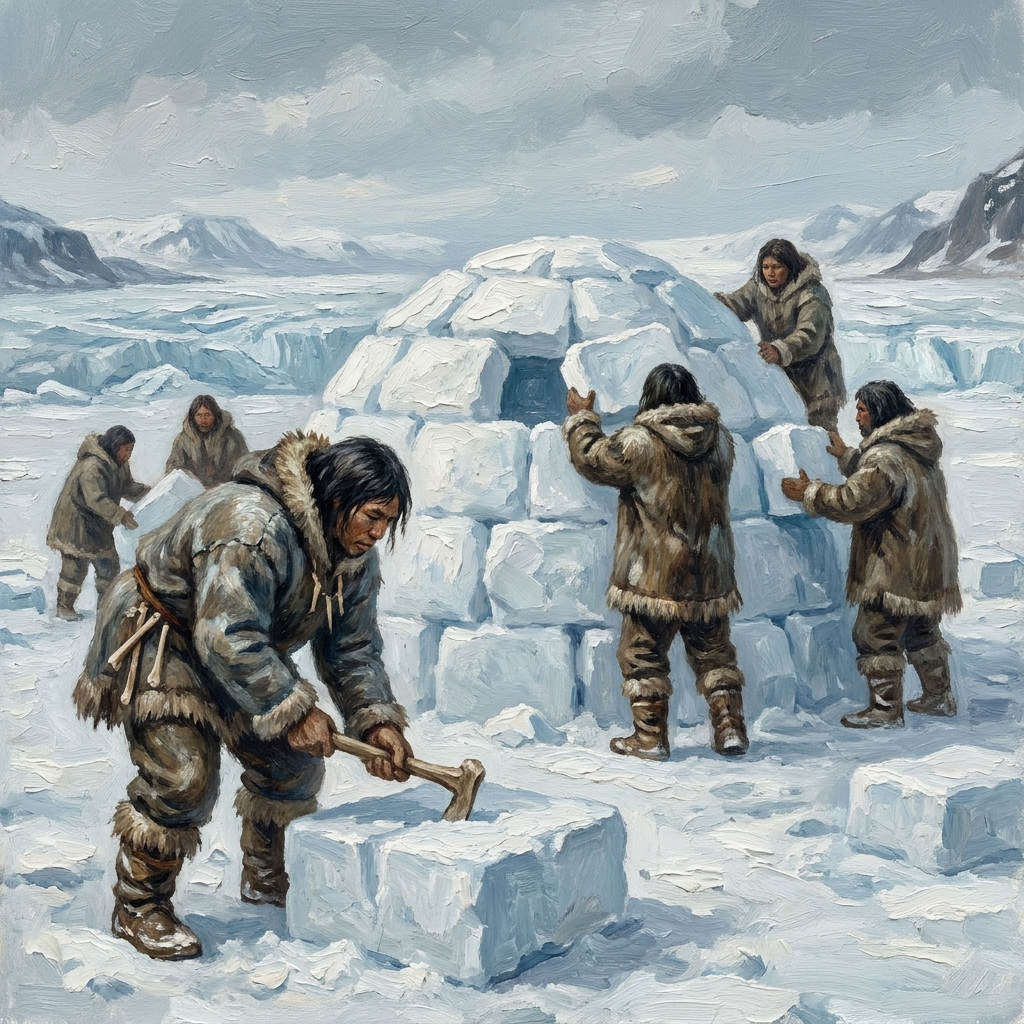
Human Migration and Adaptation, Discusses how early human populations moved and adjusted to environments