

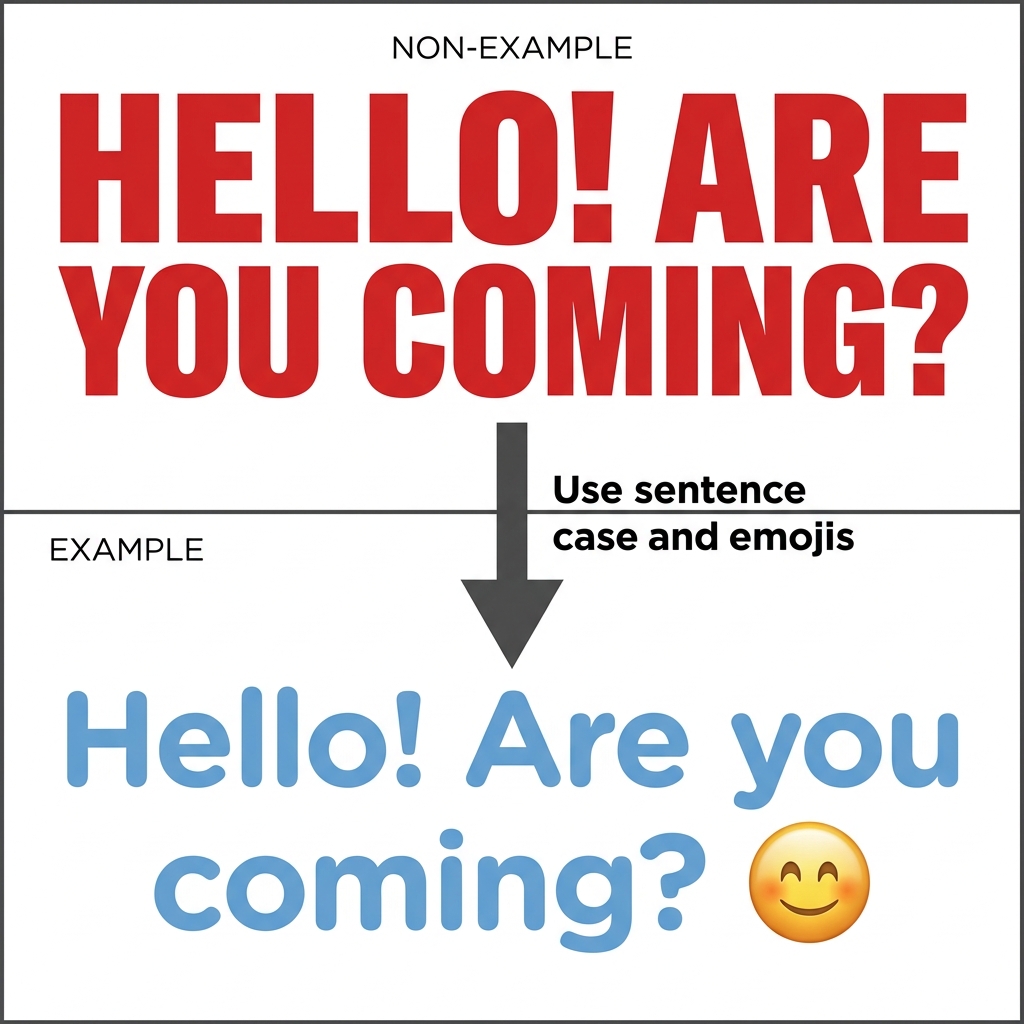
Someone in an online game asks for your password. That is the scenario second graders face in the guided practice of Being a Kind Digital Citizen. I like that the lesson picks it, because a seven-year-old’s first instinct is usually to be helpful. Online, helpful and safe are not always the same thing, and this lesson is where students start to sort that out.
It sits in the Impacts of Computing unit of the 2nd grade computer science course and takes about 45 minutes. The objective is short: communicate with others online in a kind and responsible way. The lesson treats that as two jobs, being kind and being responsible, and the password question shows they can pull in different directions.
Where this lesson sits on the learning path
The skill underneath is one second graders already have. The opener reminds them that in a classroom we use our words to be helpful and kind, then moves that same habit onto a screen. A student on a classroom tablet sends a message to a friend who shared a digital drawing tool. Nothing new in the behavior. What is new is the channel.
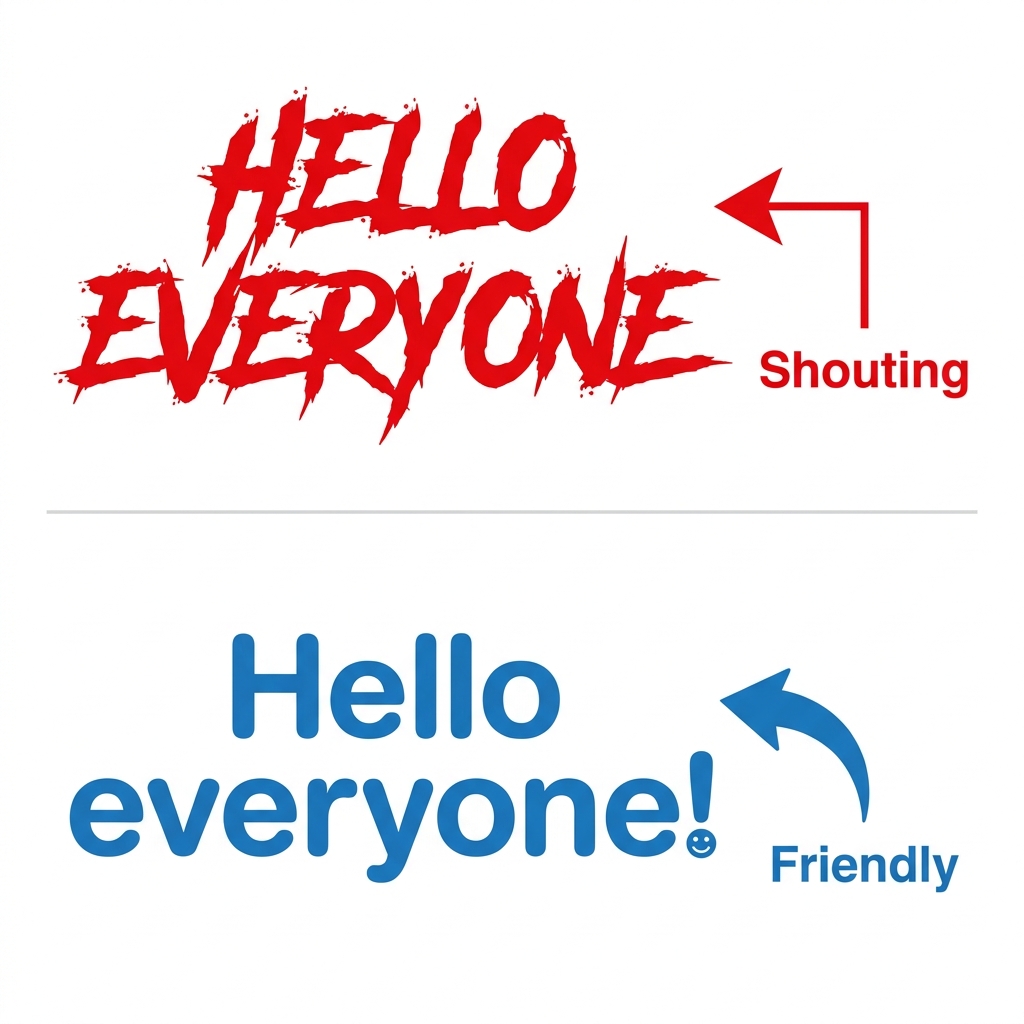
From there the worked example gets concrete. Saying please in a chat shows you are being polite. Waiting your turn to post in a class forum shows respect. Those are small things, and that is the point. Students get two words to hang these behaviors on:
- Digital citizenship: the way we act and treat others when we use computers, tablets, or the internet.
- Digital etiquette: using polite words and good manners when you send messages or talk to people online.
The standard is CA.CS.K-2.IC.19, from the California computer science standards, in the Impacts of Computing domain under the Social Interactions cluster. It asks young students to work respectfully and responsibly with others when communicating electronically. Notice the word “with.” The standard is about working alongside other people through a device, not about rules for the device itself. Fremont Unified, Ontario-Montclair School District, Corcoran Joint Unified and Panama-Buena Vista Union School District teach this exact standard, and it reads the same in every classroom across California.
So what breaks later if this is shaky? Privacy and identity. The course moves on to keeping your digital identity safe, and a student who thinks being nice means saying yes to whatever someone asks will struggle there. The password question is the hinge. If a student can decide, out loud, that kind does not mean handing over a password, the later safety work has something to stand on.
How I would use it
As a whole-class lesson, it works best if you pause at the password scenario and let students argue a little before anyone gives the answer. Second graders like to be right fast. Let them sit with it for a minute.

The why-it-matters section takes a long view: grown-ups work on projects with people all over the world using email and chat, and being kind and responsible makes you a great teammate. That lands better if you tie it to whatever shared tool your class already uses, even if it is just a drawing app on the classroom tablets.
One caveat. The examples are gentle: please, taking turns, a password request. The lesson does not take on harder situations like an unkind message from a classmate, so if that is happening in your room, plan a conversation of your own to follow it.
It also makes a solid substitute day plan, since the material is clear and fits a single period, and it is easy catch-up for a student who missed the week. If you want a short second grade digital citizenship lesson tied directly to CA.CS.K-2.IC.19, start with the password question and listen to what your students say.
Related lessons
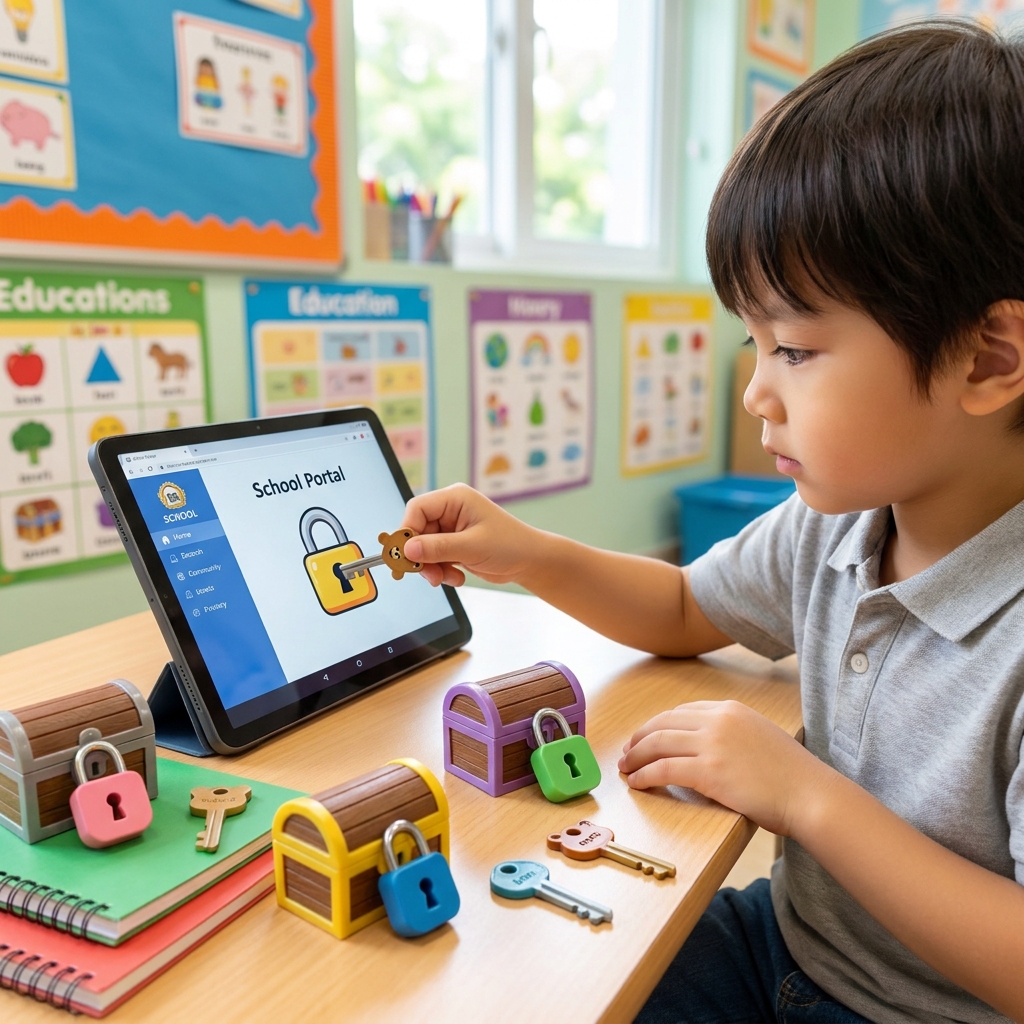
Keeping Your Digital Identity Safe, Protecting personal information and staying safe as an online user
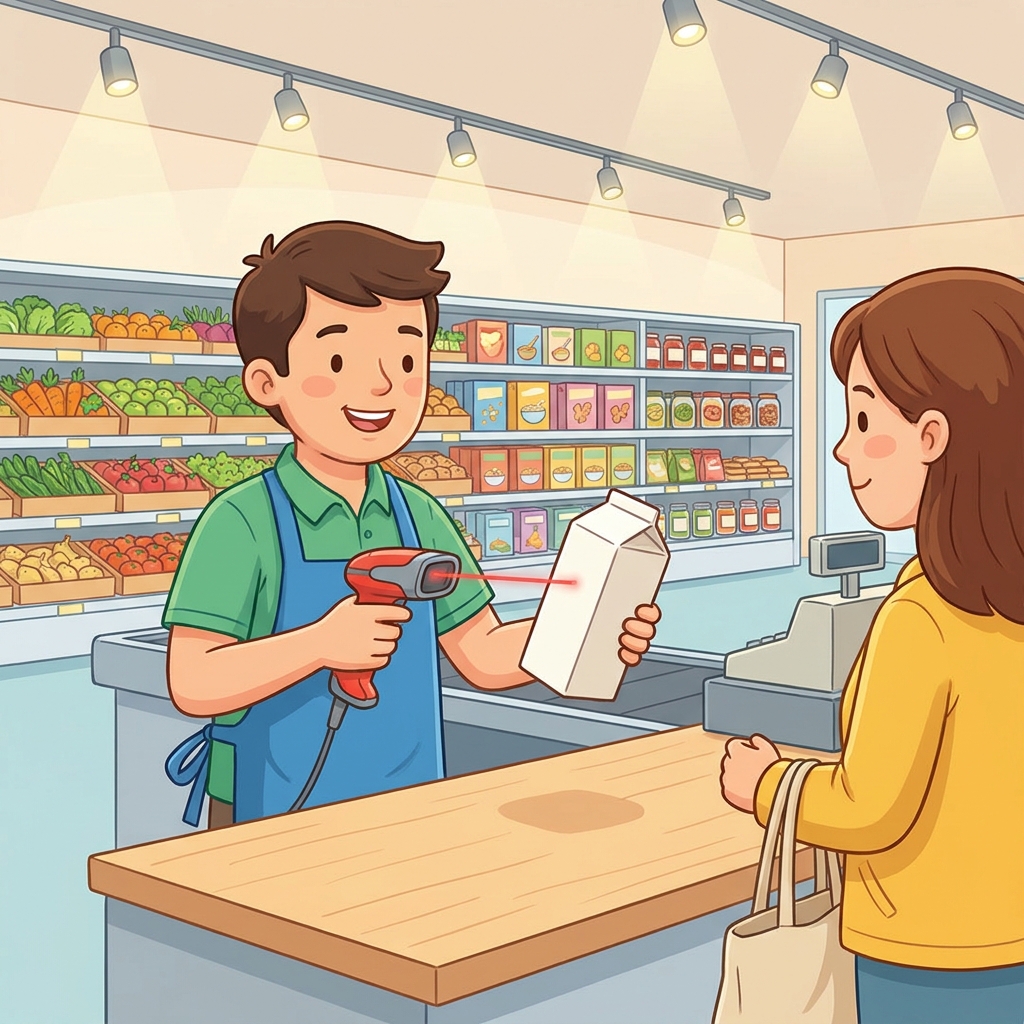
Living and Working with Technology, How technology shows up in daily life and in work