


…and that is why I suggest we look at the specific way students select their support materials during our next planning session. For your 4th grade English Language Arts block, Enhancing Presentations with Media is a straightforward resource that bridges the gap between having a good idea and actually communicating it to an audience. It centers on the core concept that media should not just decorate a slide but must directly support the main idea.
What the lesson actually asks students to do
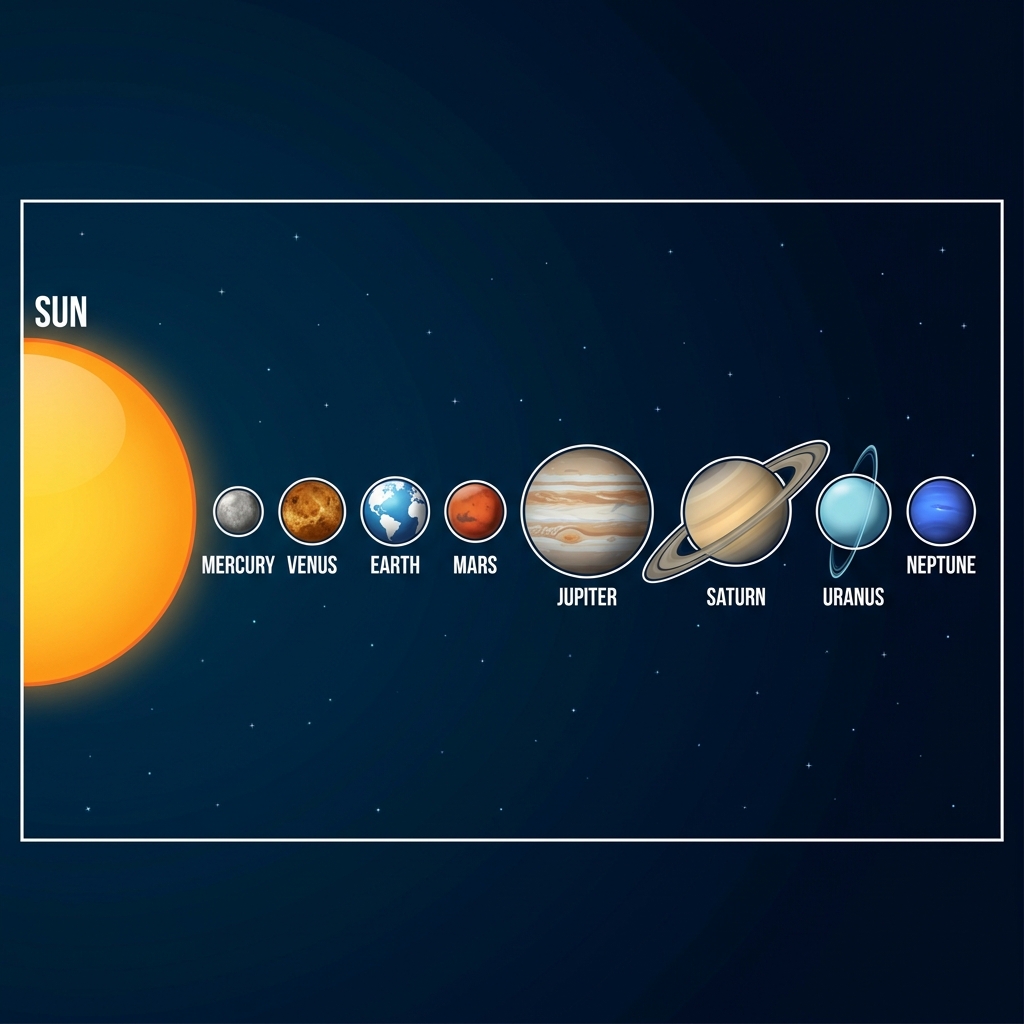
The lesson starts by helping students distinguish between relevant and distracting media. It uses a clear example of the water cycle to show how a visual display helps an audience track a multi-stage process. Students then look at a scenario involving a rocket launch, where a video clip is chosen specifically to demonstrate the speed and power of the vehicle. By focusing on these examples, students learn to identify whether their own media choices actually advance their main point or simply take up space on the screen. The lesson defines multimedia as using different types of media like pictures, videos, or sounds to share information, and reminds them that the main idea is the most important point a speaker wants the audience to grasp.
Aligning with state standards
This 4th grade visual presentation lesson covers CA.ELA.SL.4.5, which asks students to add audio recordings and visual displays to presentations when appropriate to enhance the development of main ideas or themes. This is the California-adopted standard for the Speaking and Listening cluster of Presentation of Knowledge and Ideas, and you will find it taught the same way across the state, from Anaheim Elementary School District and Los Angeles Unified to Oak Grove Elementary School District and Oak Park Unified. The standard pushes students to move beyond the verbal component of their work and consider how sound and sight can amplify their narrative.
Where students slip
I find that my students often treat media as an afterthought. They might pick a cool image of a rocket because they like the colors, even if the rocket is the wrong size or speed for the specific point they are making about aerospace. This lesson is useful because it forces them to justify their choices. When you watch the news, you expect the images to match the story, and the lesson drives home that mismatching media causes confusion. During your guided practice, where students work through a scenario about a baking presentation, keep an ear out for how they articulate their reasoning. If a student chooses an image, ask them to explain how it specifically clarifies the process they are describing. If they cannot connect the media to a specific stage or concept, they have more thinking to do.
Fitting this into your week
At about 45 minutes, this is a clean fit for a mid-week block where you want to tighten up presentation skills before a final project. It is effective as a whole-class assignment, but I also like using it for a student who missed the week, as it provides a self-contained logic they can apply to any upcoming speech or report. It is also a solid choice for a substitute day if you want to keep the students focused on their upcoming public speaking requirements. The lesson relies on clear, logical steps rather than complex technical requirements, so you can count on them being able to work through the practice scenario independently if you need to circulate and pull small groups. Just remind them that the best presentations are the ones where the media feels invisible because it blends so well with what is being said.
Related lessons
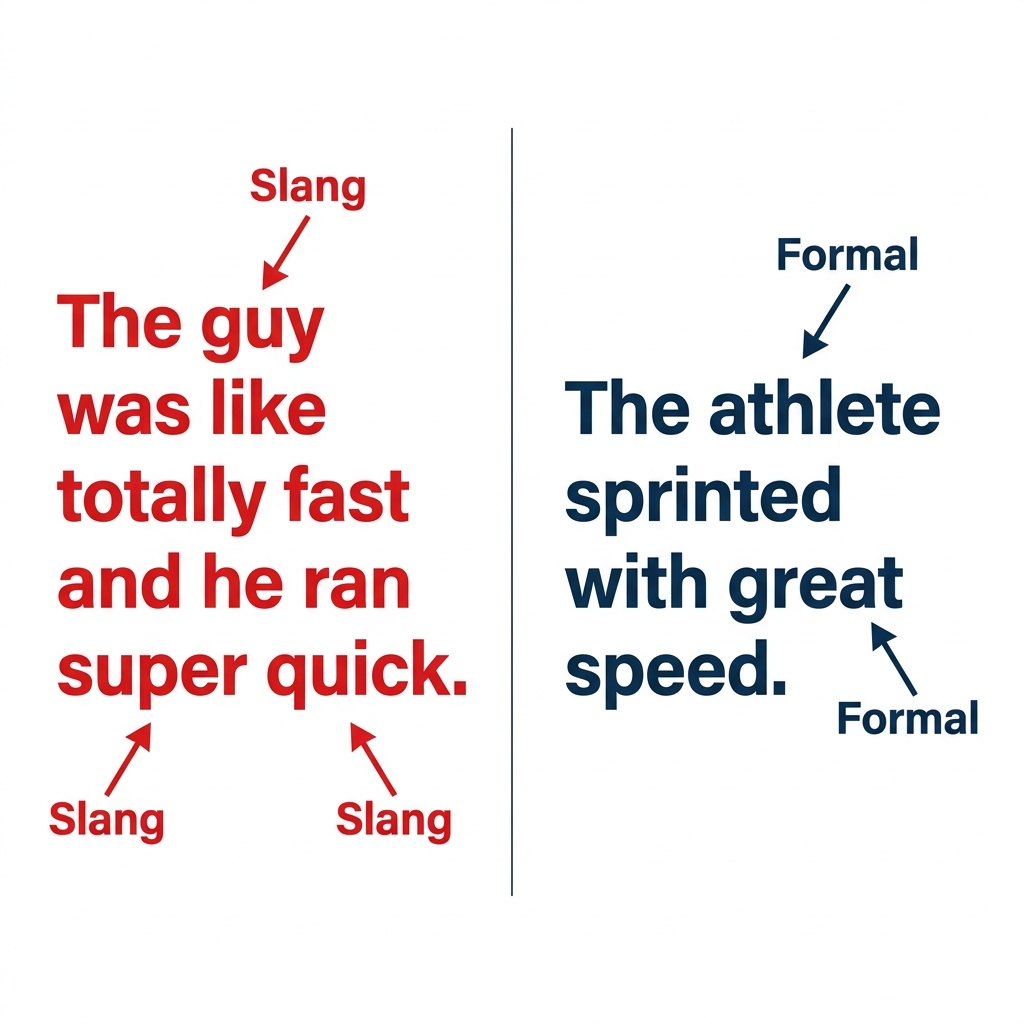
Choosing Words and Punctuation for Effect, Select language and punctuation to enhance written and spoken expression
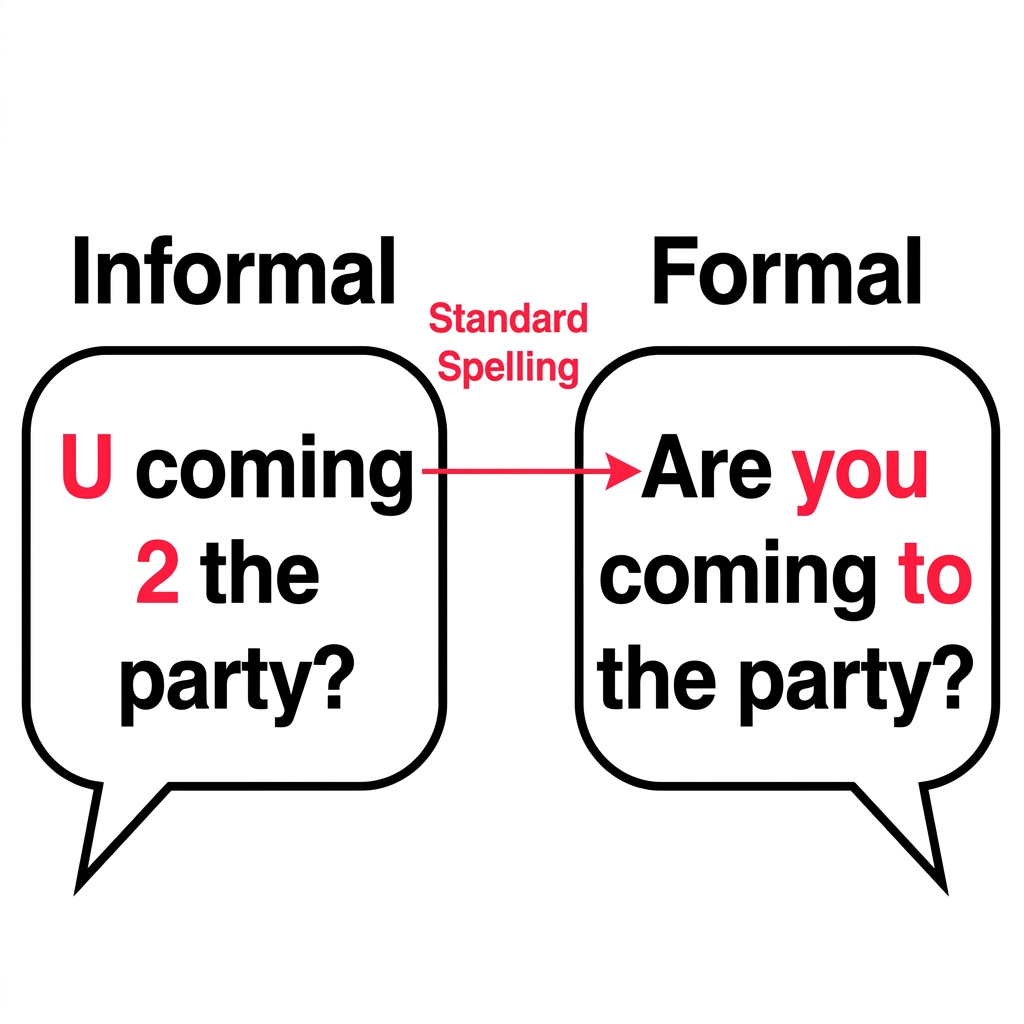
Choosing the Right Words: Formal vs. Informal Language, Distinguish between formal and informal language for different speaking situations
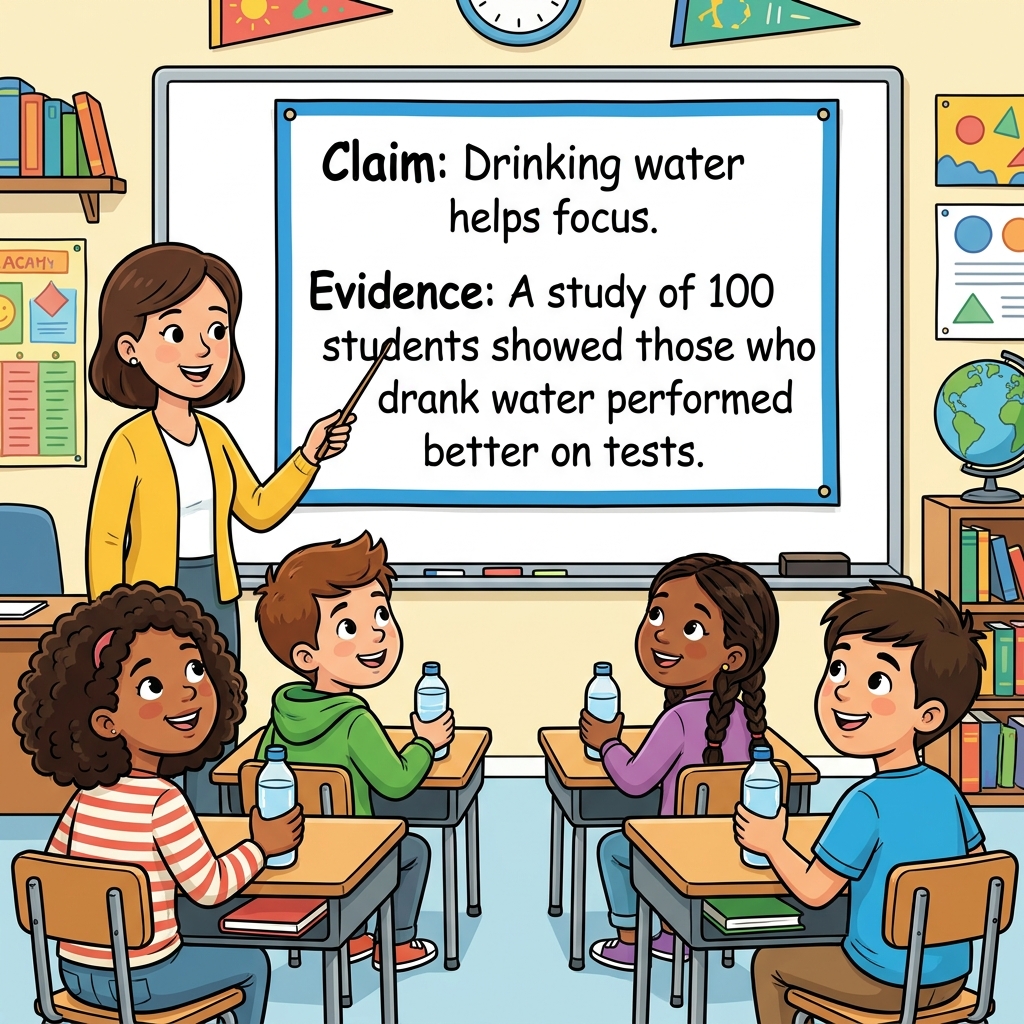
Understanding Reasons and Evidence, Identify the relationship between reasons and evidence in informational text