


I once had a student look at a worksheet regarding modern American inequality and sigh. He told me that these situations were just the way the world worked and that there was no way to change them. That is the hurdle we face when teaching eleventh-grade US History. Students see large social issues and assume they are static, natural features of society rather than problems that the government can, and often does, attempt to fix through policy.
The lesson Analyzing Contemporary American Social Problems and Policy is built to shift that mindset. It gives your students the language to identify a social problem and connects it directly to the legislative and regulatory mechanisms that define domestic policy. It works well as a whole-class assignment or for a student who missed the week and needs to catch up on the connection between government function and social needs.
Moving past the theory of social problems
This lesson covers the actual nuts and bolts of how we try to resolve societal issues. It introduces the definition of a social problem as a condition within a society that negatively impacts a large group of people and requires collective action to resolve. The materials then define domestic policy as the decisions, laws, and programs that a government makes to address issues occurring within its own borders. By focusing on these definitions, students stop viewing inequality as an abstract tragedy and start viewing it as a space where policy has a role to play.
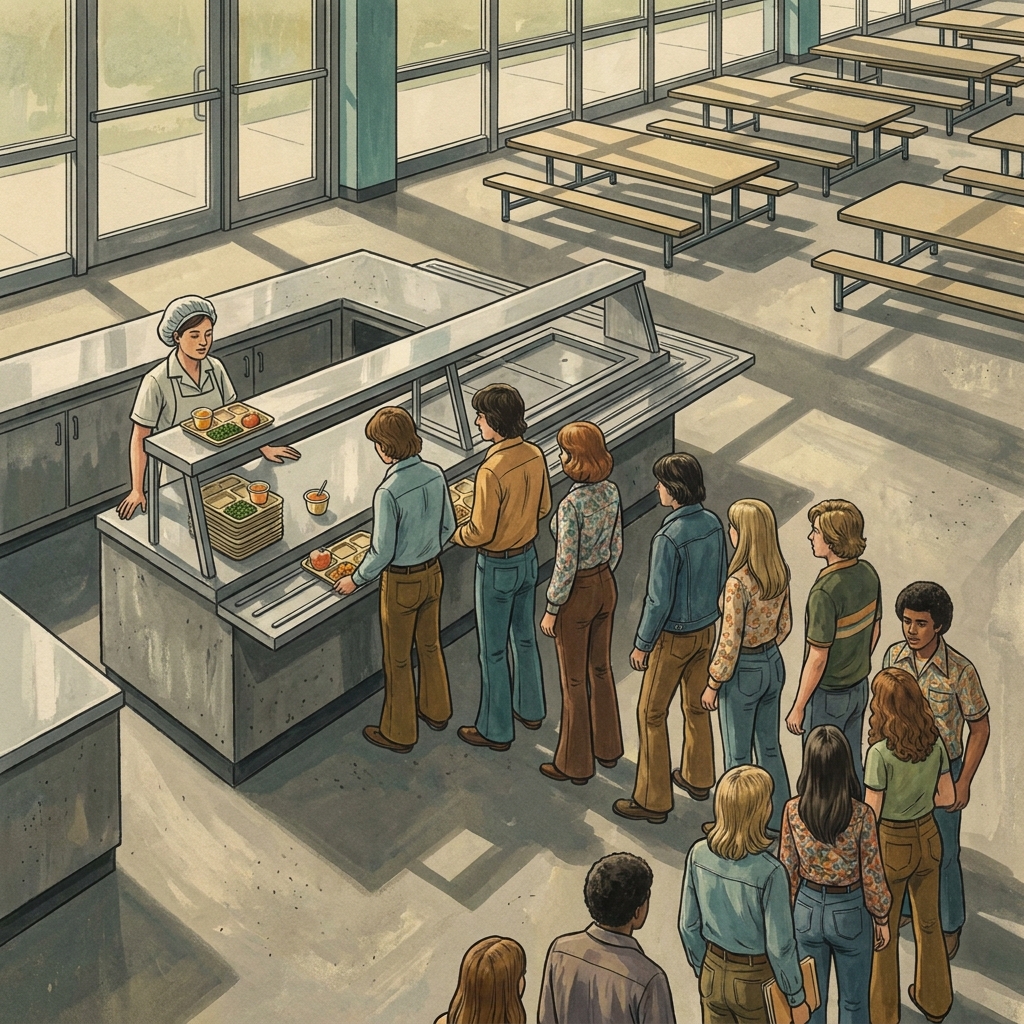
One clear example provided in the materials is the digital divide. During remote learning, many students lacked reliable internet access. This lack of access meant they could not attend virtual classes. Because it leaves millions of students behind in their education, the digital divide is a clear social problem that requires action. When you use this high school social studies policy lesson, you are directly serving the state standards. Teachers in Corona-Norco Unified, San Diego Unified, Travis Unified, and Lassen Union High School District follow the same requirements, ensuring that students across the state gain this knowledge.
The standard here is CA.HSS-11.11. This California Common Core standard asks students to analyze the major social problems and domestic policy issues in contemporary American society. It expects students to move beyond surface-level observations and actually evaluate how federal policies attempt to solve complex social problems in modern American society. This is demanding work because it requires them to look at accessibility, which the lesson defines as the design of products, devices, or environments so that people with disabilities can use them without barriers, and how laws like the Americans with Disabilities Act try to reduce social exclusion through structural mandates like ramps or wide doorways.
How to get students thinking like policymakers
The lesson does not leave students at the identification stage. It explains the distinction between legislative and regulatory frameworks. Legislative frameworks consist of the laws passed by Congress, while regulatory frameworks involve executive agencies writing specific rules to enforce those laws. It uses the example of an Air Quality Act, where Congress passes the bill, but environmental agencies must then create the specific emission regulations that factories must follow. This is where pollution, the presence of harmful substances in the environment that cause damage to human health or natural resources, becomes an issue that specific departments have to manage.
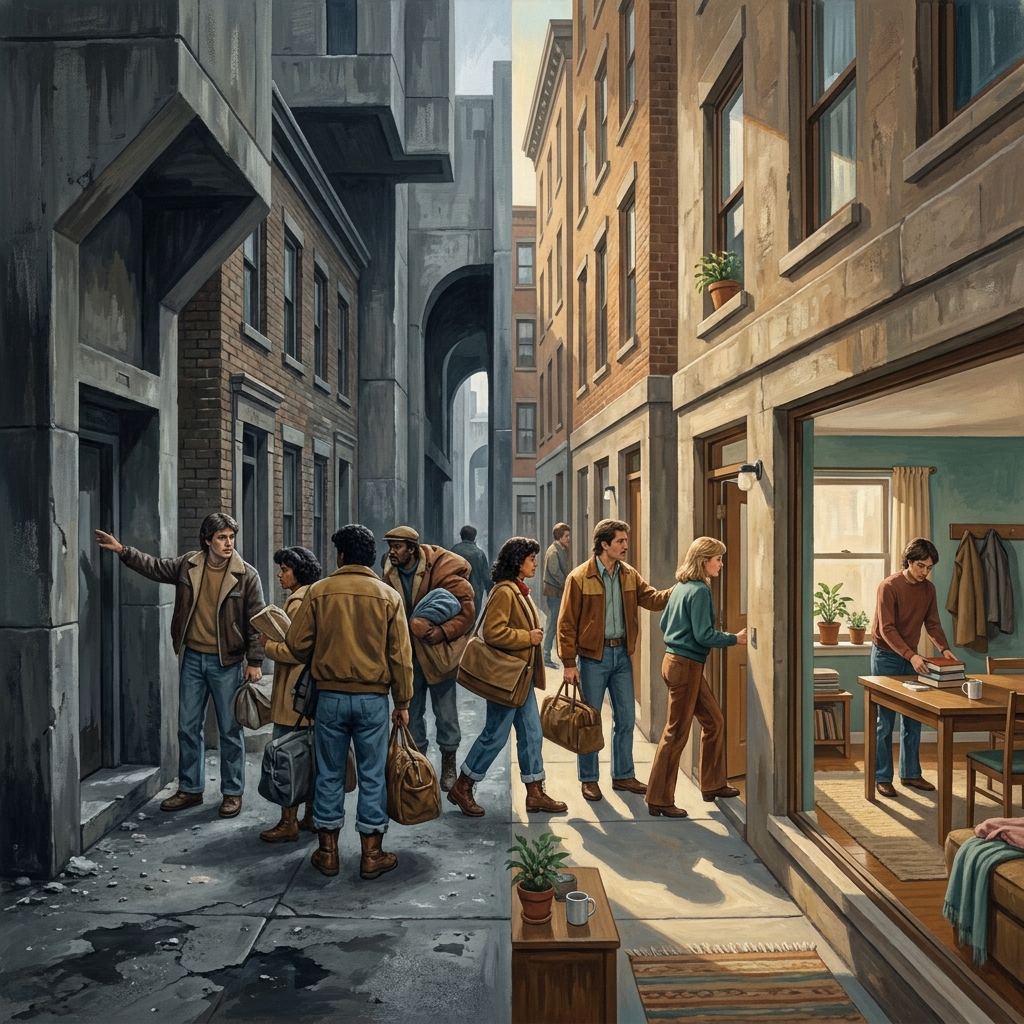
I find the guided practice to be the best part of the session. It asks students to think about mental health in schools. It is a common topic in domestic policy debates about how schools can better support the well-being of young people. Having students apply the legislative and regulatory framework concept to their own school environment makes the abstract concrete. It turns a vague political term into a practical observation. While the session takes about 45 minutes, the discussion it generates can easily spill over into the next day if you have a class that likes to debate.
This lesson is a solid fit for a substitute day because the material is self-contained and logical. It does not require prior knowledge of every single law passed in the twentieth century to be effective. It focuses on the process of policy, which is a transferrable skill. By the time they finish, your students should see the world as a place where policies are not just distant events, but active efforts to build a fairer society.
Related lessons

Strategies of Civil Rights Advocates, Historical methods used by advocates to challenge inequality and injustice
Religion and Liberty in the American Story, The influence of religious belief on American freedom and law
Industrialization and Migration in Early Twentieth Century America, Economic shifts and human movement during the industrial development period