

By the time February hits, the calendar in most middle school history departments starts to feel very crowded.
If you teach 8th grade US History in districts like Sacramento City Unified, Poway Unified, Cupertino Union School District, or Visalia Unified, you know the pressure to cover the mid-19th century before the year slips away. It is easy for the nuanced build-up to the Civil War to get lost in the shuffle of trying to hit every standard on time. Growth and Conflict: The Road to the Civil War provides a clean, self-contained way to make sure students do not just memorize dates but actually grasp how sectionalism pushed the country toward conflict.
What the lesson actually covers
This lesson centers on the objective of understanding how various legislative compromises and court rulings regarding slavery fueled the tensions between the North and South. It begins with a relatable hook that compares the concept of the States’ Rights Doctrine to a classroom argument over teacher authority. When students see that the States’ Rights Doctrine is simply the belief that states have the power to limit federal jurisdiction, the complex political history becomes much more tangible.

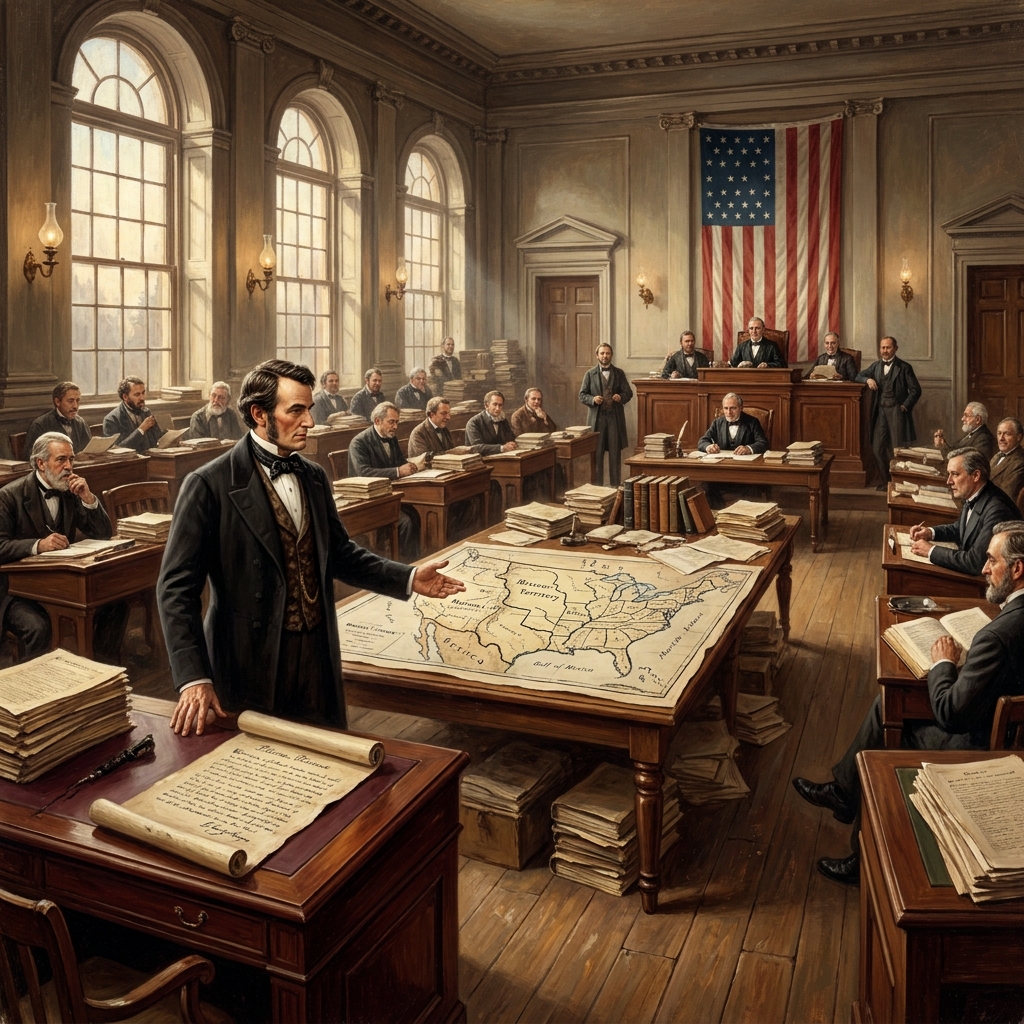
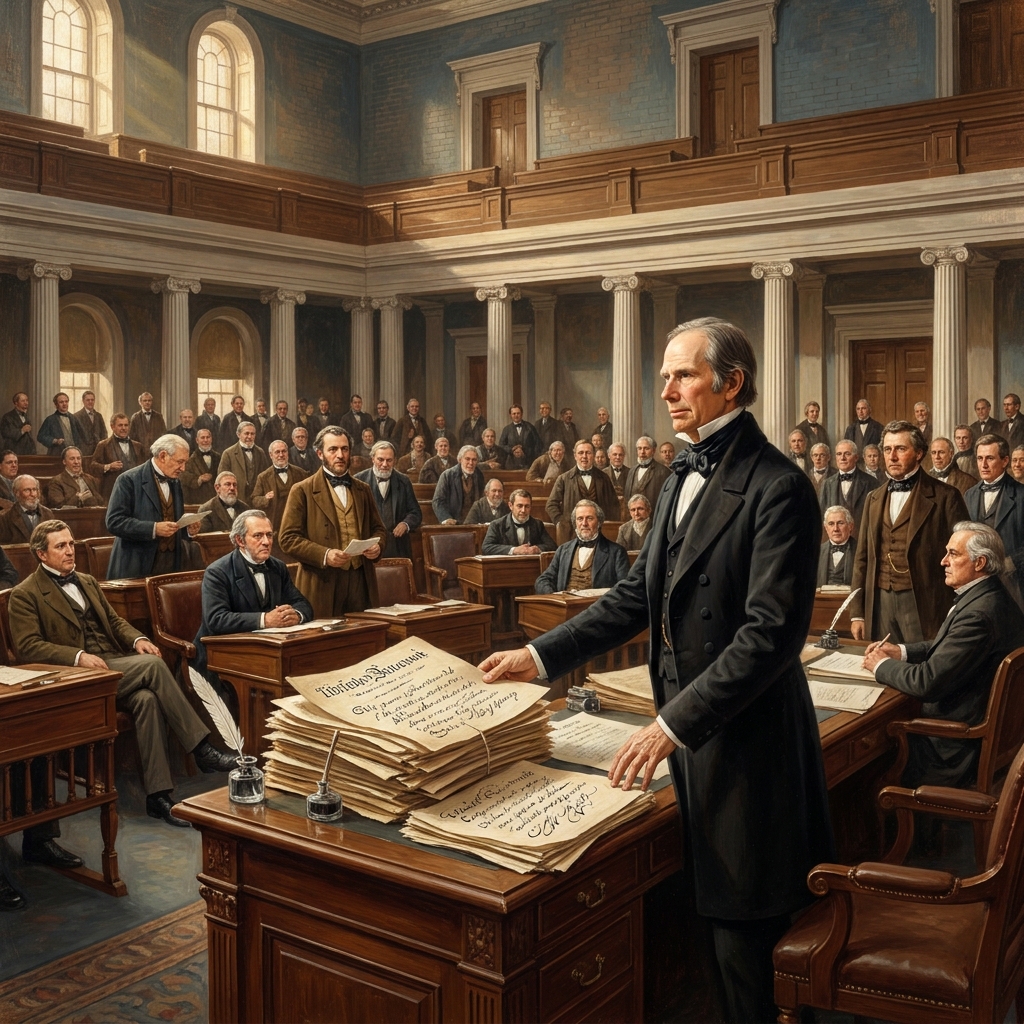
The core content walks students through essential touchpoints like the Missouri Compromise of 1820, which sought to maintain a balance between slave and free states, and the 1846 Wilmot Proviso, which attempted to ban slavery in territories gained from Mexico. It also covers the Compromise of 1850, the role of Henry Clay, the Kansas-Nebraska Act, the Dred Scott v. Sandford decision, and the 1858 Lincoln-Douglas debates. This 8th grade history lesson on sectionalism defines key vocabulary including sectionalism, which it describes as the intense loyalty to one’s own region rather than the country as a whole, alongside jurisdiction and compromise.
Connecting to the California standard
The material serves CA.HSS-8.9.5 directly. This California-adopted standard asks students to analyze the significance of the specific laws, court decisions, and debates mentioned above. Rather than just listing them, the standard expects students to track how these pieces of legislation and judicial arguments acted as the primary drivers of the conflict between the North and the South. It is a dense standard, and I appreciate that the lesson breaks it down into clear, digestible scenarios rather than just expecting students to read a dry textbook chapter.
The reality of using this in class
I find this lesson most effective as a whole-class assignment when we are just starting this unit. However, it is just as useful for a student who missed the week or for an intervention setting where a student needs to catch up on the foundational arguments before moving into the actual war. One caveat: because the list of laws and debates is quite long, students might get bogged down if they try to finish it all in one sitting without some guided discussion. I prefer to pull up the Lincoln-Douglas debates section as a quick check for understanding to see if they can identify the core argument before moving on.
Seeing the big picture
The lesson ends by asking students to consider why sectionalism matters today. It argues that when groups prioritize their own interests over the greater good, finding common ground becomes nearly impossible. It is a good prompt for a closing discussion about the role of government. Getting students to see the 1850s through this lens makes the history feel less like a closed book and more like a warning, which is usually when they start to pay the most attention.
Related lessons
Innovation and Daily Life in the 19th Century, Covers technological advancements and changing daily life in the 1800s
Federalism and the Challenge of Nullification, Examines the constitutional crisis regarding state power and federal authority
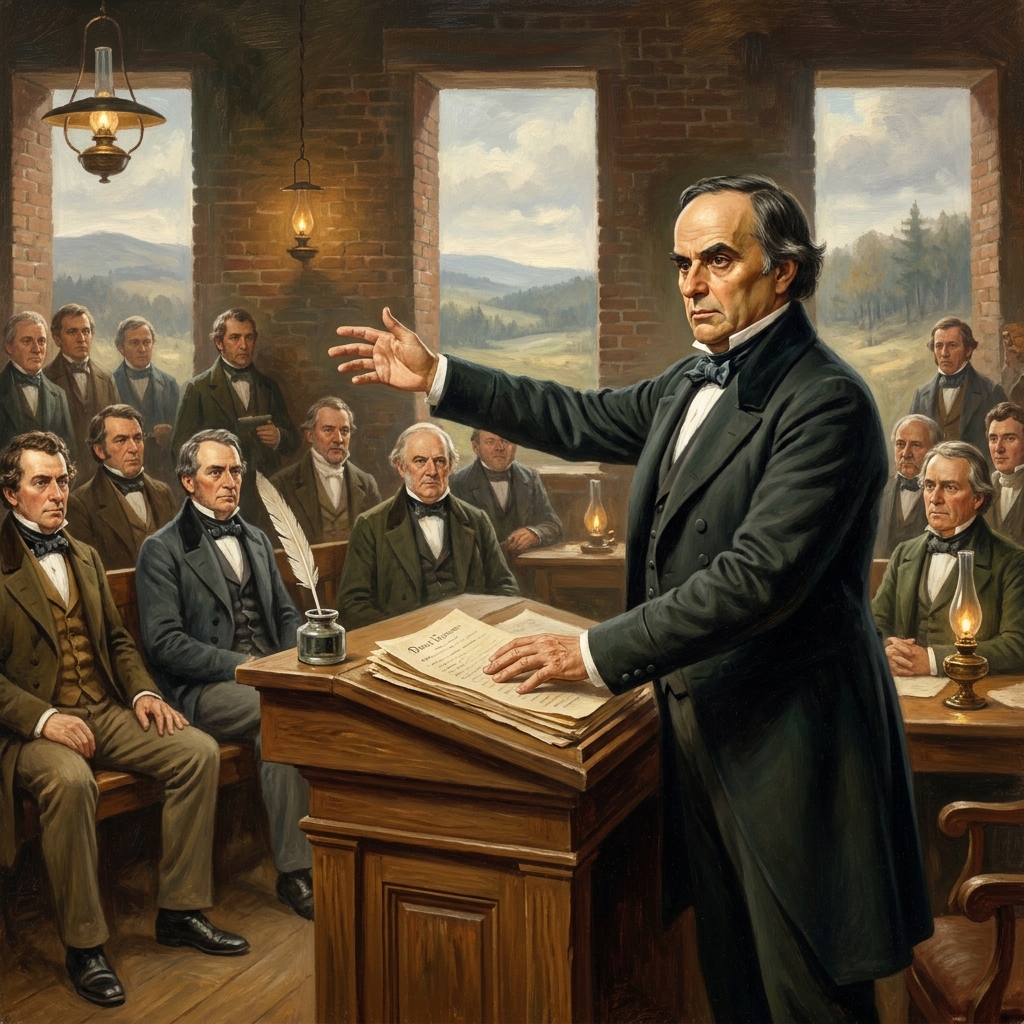
Federal Authority and States' Rights: Webster and Calhoun, Analyzes the political debate between Webster and Calhoun regarding federalism