

If you teach seniors in a government or economics course, you know that bridging the gap between abstract market theory and real-world geography is often a difficult task. The lesson Understanding Where Things Are: Economic Location Theory is designed to make that connection tangible for students. It takes about 45 minutes to complete and works well as an independent study module, an assignment for a student who missed the week of class, or even a solid plan for a substitute day when you need students to get through core content without you.
What the lesson actually asks students to do
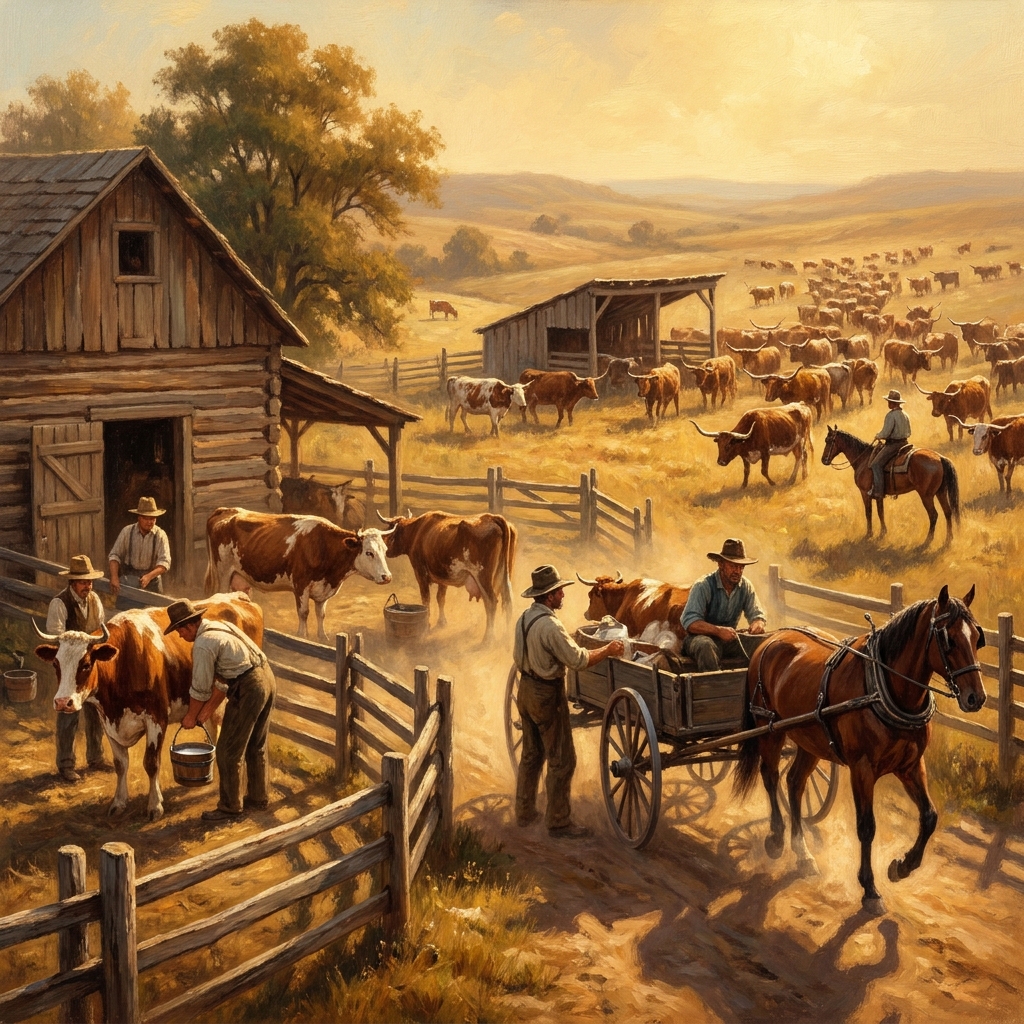
The core of this work is helping students see why specific businesses, farms, factories, and retail hubs, choose their physical locations. The lesson begins with a practical scenario about a small dairy farm. Because milk spoils quickly, the farmer has to consider proximity to the market as a primary factor in profitability. Students contrast this with a cattle ranch that can afford to be much farther away because the land is cheaper and the product is less sensitive to transport speed.
As students work through this high school economic location theory lesson, they encounter three specific models that define the field:
- Bid-rent theory: The idea that real estate value and demand fluctuate based on the distance from the center of commerce.
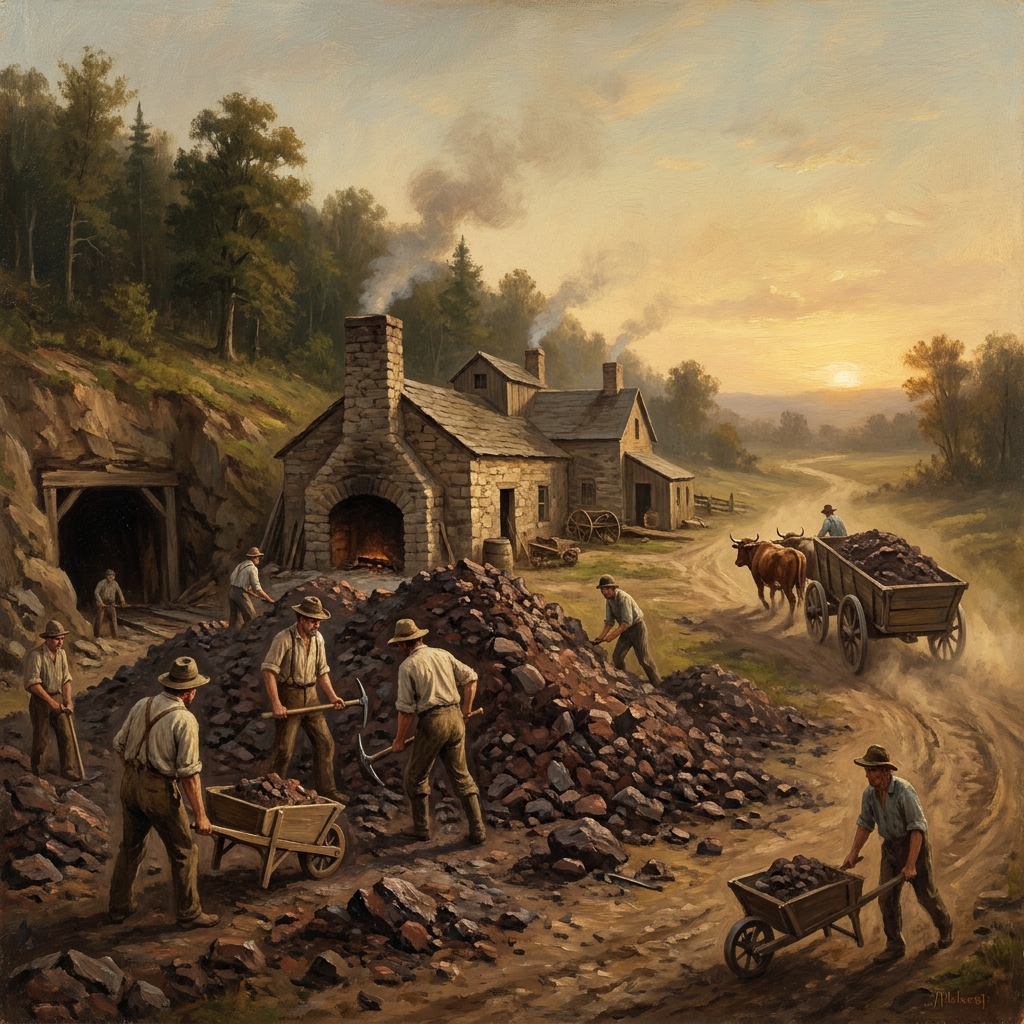
- Least-cost theory: The strategy of placing a business where the combined costs of shipping raw materials and moving finished goods stay as low as possible.
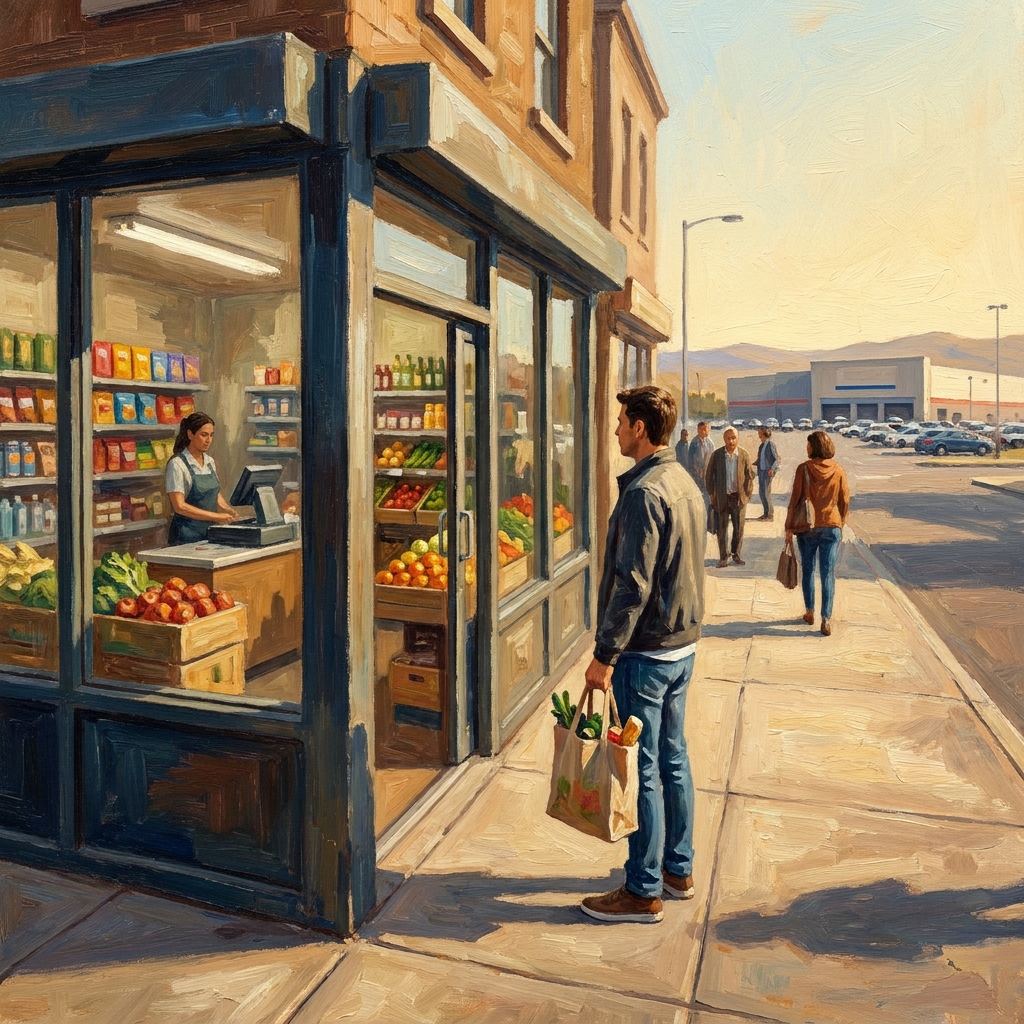
- Central place theory: The logic that determines the scale and placement of human settlements based on consumer shopping patterns.
The lesson culminates in a guided practice section where students take on the role of a strategist for a vegetable grower. They must weigh the benefits of being near a central railway hub against the reality of shipping heavy, fresh produce. It forces them to stop thinking about geography as a random outcome and start seeing it as a series of calculated economic choices.
Making sense of the standard
This lesson aligns with CA.HSS-PoE.12.2.10, which requires students to analyze the economic principles behind the spatial distribution of agricultural production, industrial sites, and transportation networks. The California-adopted standard asks for a clear understanding of how market economies organize themselves in a global environment. It is the same standard taught in districts like West Contra Costa Unified, Modesto City High School District, Livermore Valley Joint Unified, and Esparto Unified. When students grasp these principles, they understand why a city has an industrial district on the outskirts and a dense retail sector in the center.
Where students slip
I have found that the biggest hurdle for students is the concept of rent versus transport cost. Many assume that businesses always want the cheapest land possible. They struggle to internalize that high rent near a city is often a better investment than low rent in a remote area if it drastically cuts down on transport logistics. I often see students forget that rent is an input cost just like fuel or labor. If you watch them work, look for the moment they realize that “cheap” land can actually be more expensive in the long run because of the logistical headaches it creates. When they realize that firms pay more in rent specifically to save money on transport, they have finally cleared the hardest part of the theory.
Classroom application
You can use this lesson as a standalone piece during a unit on market failure and supply chain logistics. I prefer assigning it after we have covered basic supply and demand, as this adds a necessary geographic layer to what they already know. It is a dense set of ideas, so I usually suggest that students work in pairs to compare their logic during the vegetable grower exercise. If you use it for attendance recovery or independent study, the objective is straightforward enough that students can succeed without much outside intervention, but having the vocabulary definitions clearly available is helpful. It is a practical way to show students that economics is not just about spreadsheets and stock markets, but about where things sit on a map and why they ended up there.
Related lessons
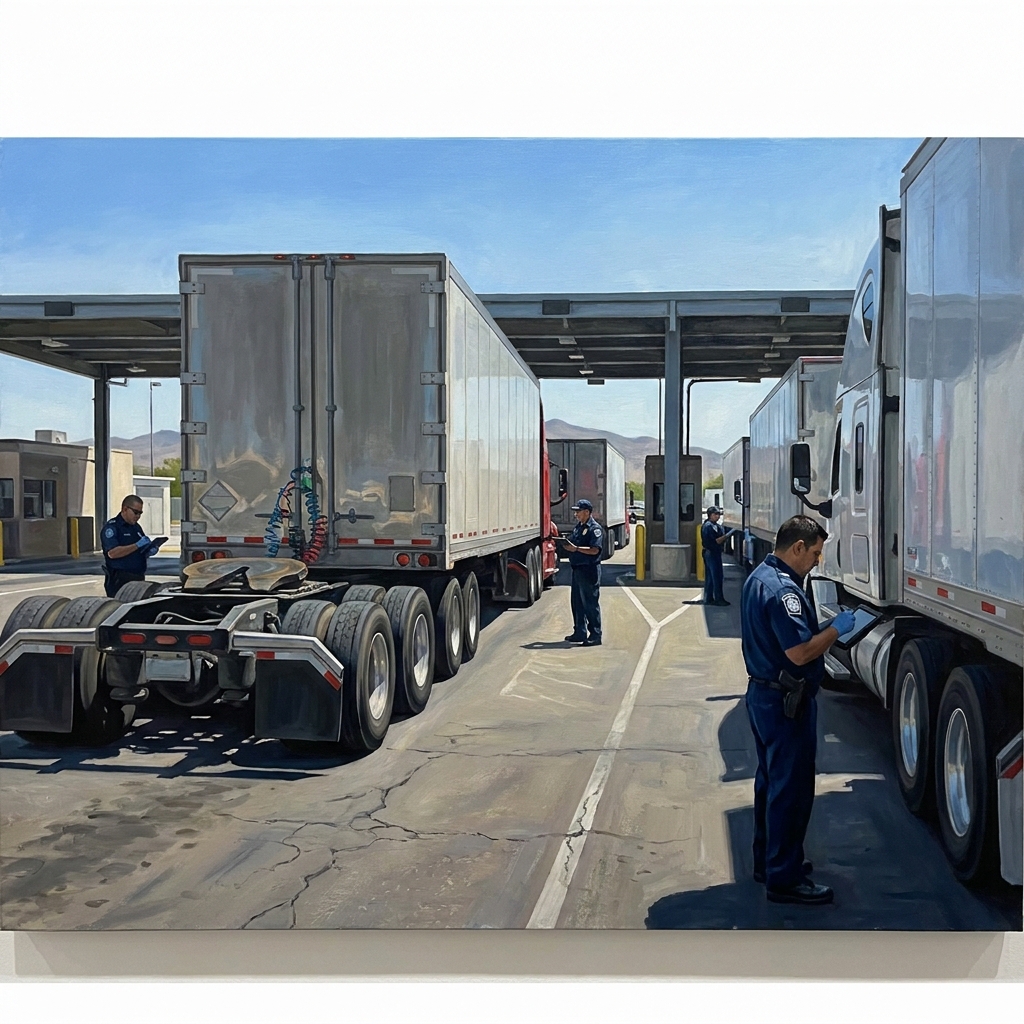
Borders in a Global Economy, How international boundaries influence trade and global market development
Trade Policies and Economic Interests, The role of government policy in shaping international trade relations
Incentives and Behavior, How economic incentives shape consumer and producer decision making