


This lesson is built for 8th grade English Language Arts students who need a focused look at how technical writing works. If you are an intervention teacher or managing an independent-study caseload, you know that technical reading often trips up students who otherwise handle narrative text with ease. Understanding Text Structure in Science provides a clean, forty-five-minute path to closing that gap.
Students begin by recognizing that scientific authors do not choose their layouts at random. The material explains that authors use specific structures to guide our thinking, and it uses the example of chronological order to show how steps are ordered logically. When a student reads a technical manual, they need to see how each heading acts as a signpost for the content that follows. In Poway Unified, Twin Rivers Unified, Enterprise Elementary School District, and Modoc Joint Unified, you will see teachers using this same eighth grade scientific literacy lesson to help classes grasp these organizational patterns.
How the lesson tackles structural analysis
The core objective here is to get students to analyze how authors organize technical information to make scientific topics easier to understand. The lesson centers on the standard CA.ELA.RST.6-8.5, which asks students to examine the structure an author uses to organize a text, including how the major sections contribute to the whole and to an understanding of the topic. This is a California-adopted standard under the Reading: Literacy in Science and Technical domain, specifically focusing on the Craft and Structure cluster. It demands that a student move beyond just reading the words and start evaluating the architecture of the piece.
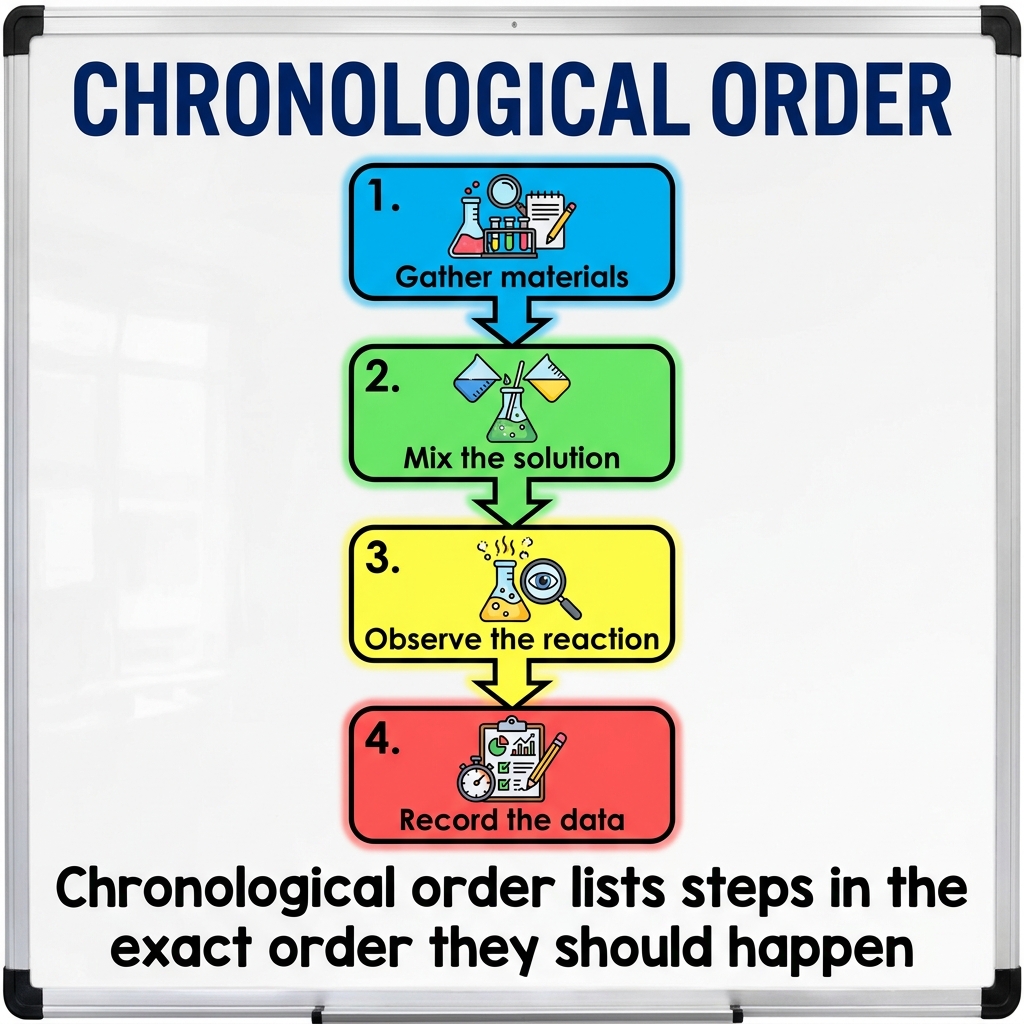
The instruction moves from concept to practice quickly. The worked example uses a technical article about water filtration to illustrate the point. The author uses a heading ‘Stage 1: Sedimentation’ to explain how dirt settles, which provides a concrete instance of how breaking a complex task into manageable parts aids the reader. By seeing how one heading contributes to the overall process, students learn to look for similar signposts in their own independent reading. I appreciate that the lesson does not overcomplicate the explanation; it treats the student as a capable reader who just needs a new set of tools for navigating non-fiction.
Where the lesson fits in your schedule
For independent-study coordinators or those managing attendance recovery, this is a very practical assignment. It does not require a pile of supplemental materials or hours of preparation. The guided practice moves the student into a technical manual for a drone, requiring them to apply the same analysis they just saw with the water filtration text. It is a closed loop, which is exactly what you want for a student working at their own pace or catching up on a missing week.

The lesson notes that knowing how a text is organized helps a reader find information quickly, whether they are looking at a medical report or a gadget manual. This is a skill that pays off immediately. It is rare to find a middle school lesson that hits a specific technical reading standard without feeling like busywork. If you have a student who consistently struggles to find the main idea in a science lab report, this is the first place I would suggest they go.
My one caveat is that this lesson works best when the student actually reads the provided texts in full. Sometimes students try to skip the reading and jump straight to the questions, but the specific examples of headings and structural markers are embedded in the narrative. Make sure the student understands that the structure is the content. Once they see that a heading is not just a title but a key to the author’s logic, they usually stop fighting the technical material and start moving through it with more confidence.
Related lessons

Distinguishing Central Ideas from Opinions, Teaches identifying main arguments and separating them from subjective opinions
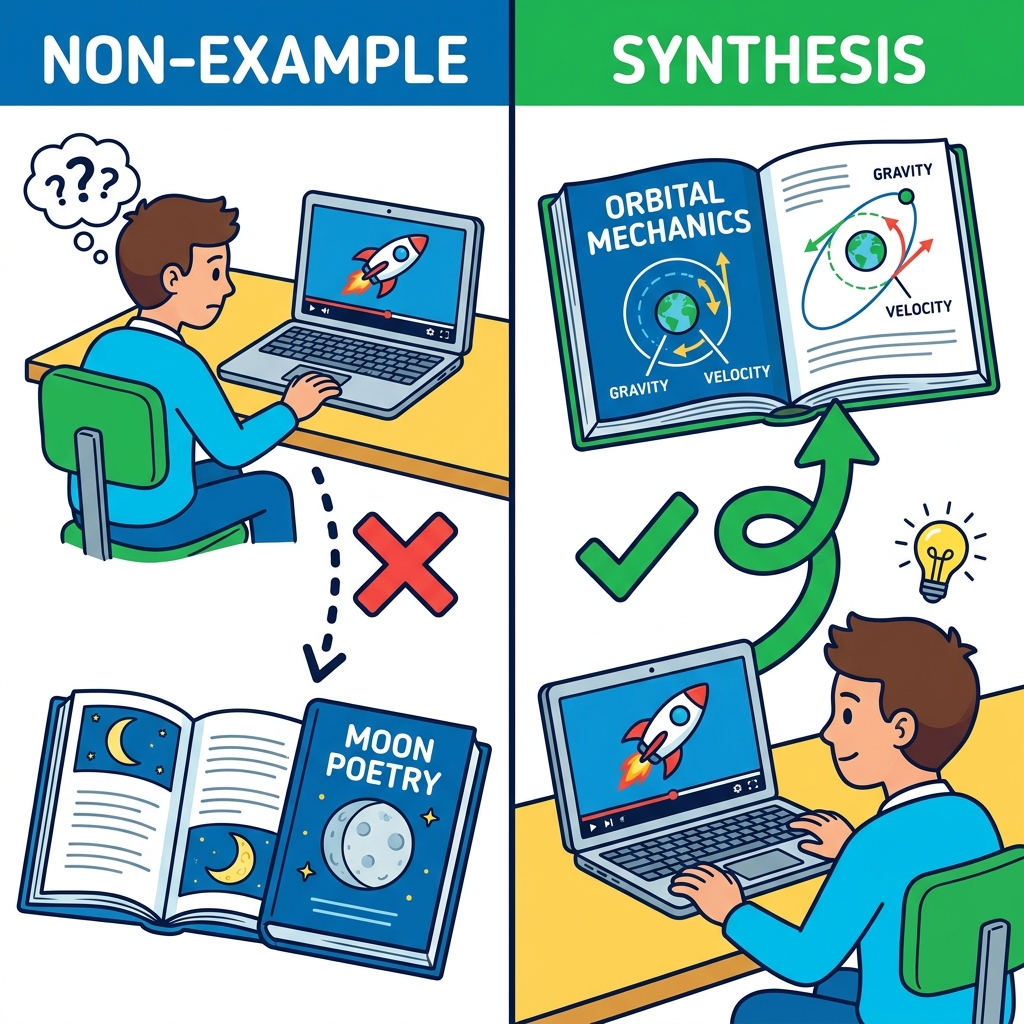
Comparing Scientific Information Across Media, Covers evaluating how different media present the same scientific topic
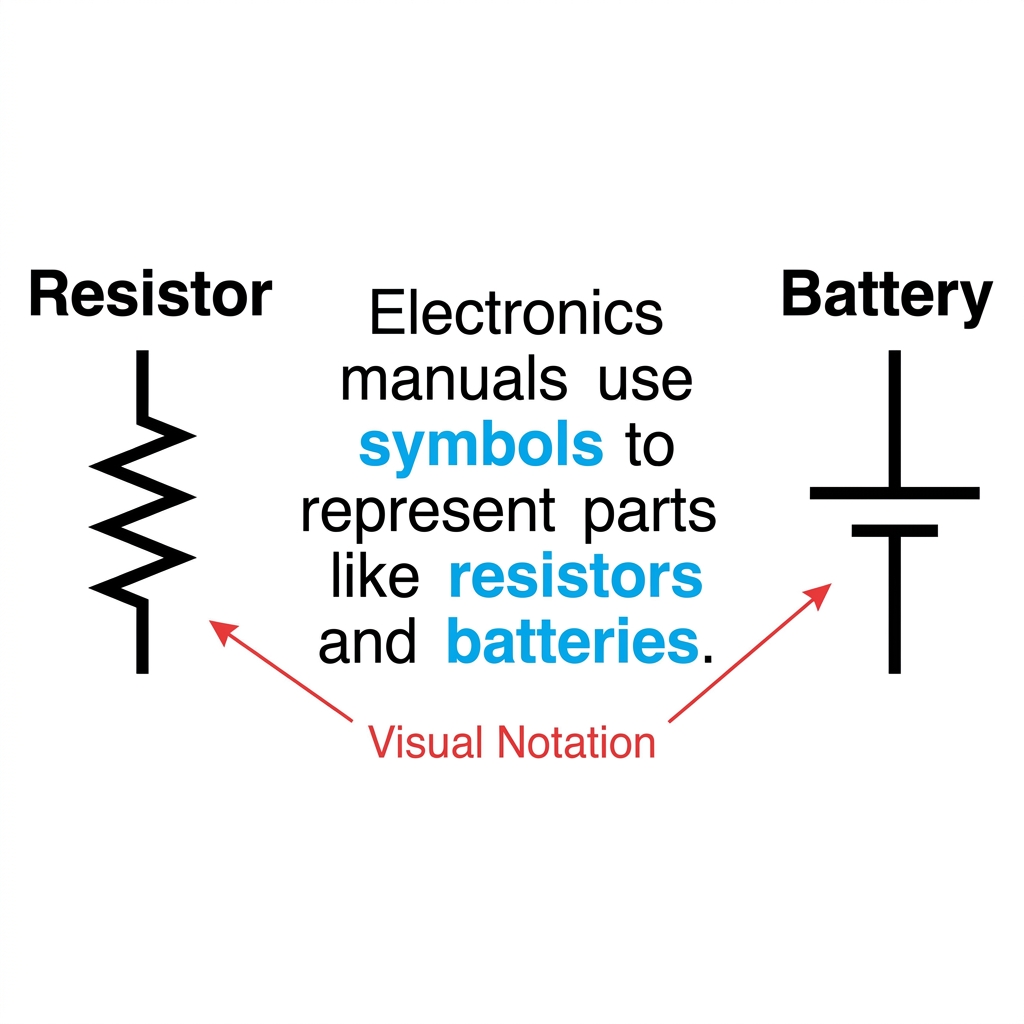
Mastering Technical Texts, Focuses on comprehension strategies for reading dense technical documentation