

I remember sitting with a student who was staring at a news headline about grocery prices, asking why everything seemed to cost more than it did the week before. It is a common moment for seniors in high school government and economics. If you need a way to explain the mechanics behind those price tags, Understanding Market Equilibrium is a solid choice. It skips the abstract jargon and sticks to the practical reality of how a marketplace actually shifts.
This lesson is designed for the 12th-grade Principles of Economics curriculum. It centers on the core standard CA.HSS-PoE.12.2.5, which requires students to understand how competition among buyers and sellers determines market price. You will find this exact standard taught across the state, including in Antelope Valley Union High School District, Grossmont Union High School District, Chawanakee Unified, and Beverly Hills Unified. The lesson walks students through the dynamics of a market economy, focusing on the tension between what producers provide and what consumers are actually willing to spend.
How the lesson builds the concept
The lesson starts with an approachable opener that keeps things local: a lemonade stand. It invites students to think about how an owner adjusts prices based on the number of thirsty people approaching the table on a sunny day. This sets the stage for the primary vocabulary they will need: Supply, Demand, Shortage, and Surplus. It defines Market equilibrium as the state where market supply and demand balance each other, resulting in stable prices.
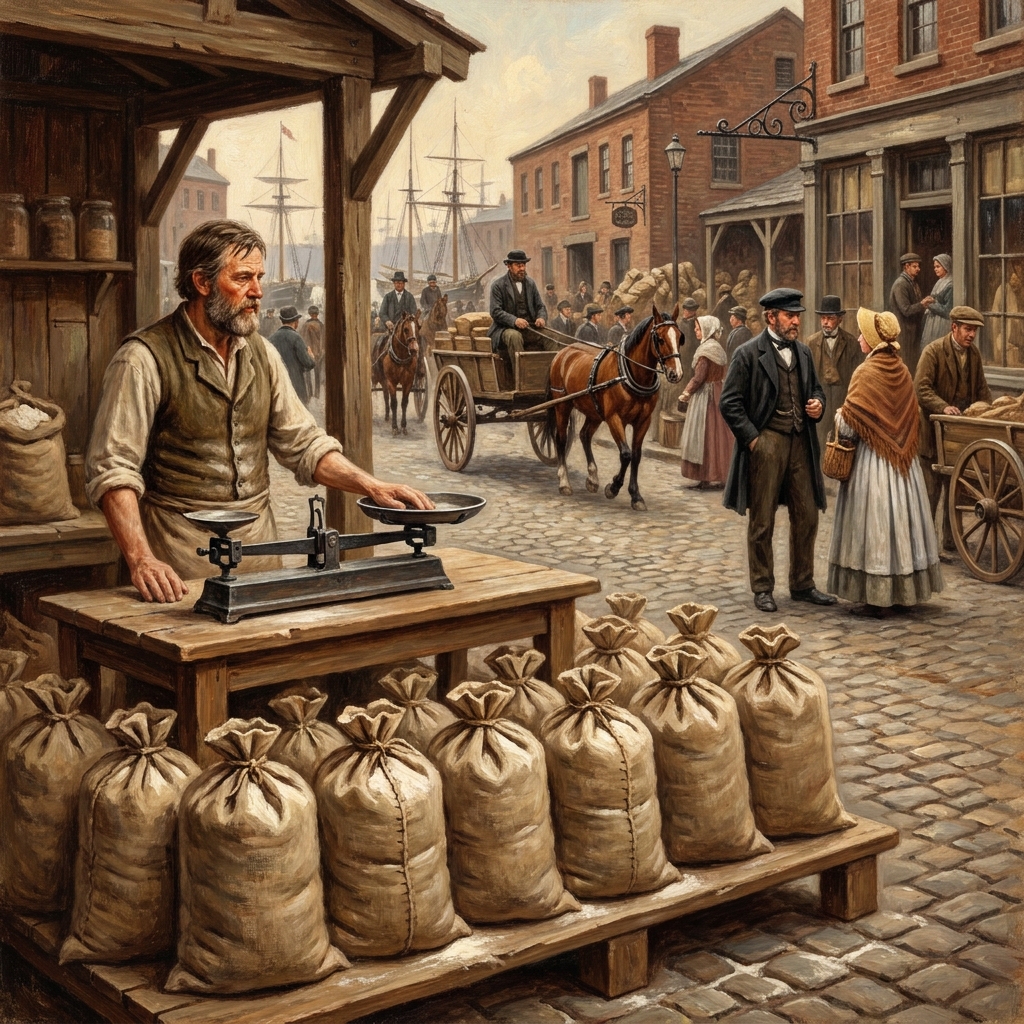
Once the foundation is set, the material moves to a historical scenario. It asks students to analyze the situation of a 19th-century flour merchant with 10 bags of flour. The lesson explains that “if the merchant sets the price of flour too high, customers will buy from a different shop instead.” It is a simple but effective way to show that competition acts as a natural regulator on price. Students have to grapple with the idea that the seller cannot just name any price they want, because they are constantly being pulled by the threat of buyers moving to a competitor. It is a great moment to push students to think about the difference between a price that covers costs and a price that actually attracts a sale.
Applying the skill through guided practice
After the merchant example, the lesson transitions into a market equilibrium and price determination lesson that asks students to step into the shoes of a toy manufacturer. They are told to imagine a plant that discovers a cheaper material for plastic blocks. This prompt forces them to think about how a change in production costs shifts their willingness to produce, which leads directly to the concept of supply-side pressure. I find that seniors appreciate this shift; they move from passive observers of price tags to active participants in the economic logic that creates those prices.
The lesson does a good job of balancing the theory of equilibrium with the reality of why it matters. It closes by explaining that when students see news reports about shortage alerts or rising costs, they are seeing equilibrium in motion. It connects the classroom to the grocery store or the online marketplace. My one caveat is that the math behind supply and demand curves can sometimes intimidate students who feel like they are in a math class rather than social studies. Be ready to emphasize the concept over the graphs if you have students who are prone to checking out when they see a chart.
When to use this in your classroom
This lesson fits well as a whole-class assignment when you are covering the broader elements of America’s market economy in a global setting. It is also an excellent tool for a student who missed the week of instruction, as the self-contained scenarios allow them to catch up on the foundational mechanics of price without needing to be present for the lecture. For a substitute day, the provided examples are concrete enough that most students can work through the scenarios independently without needing excessive external support.
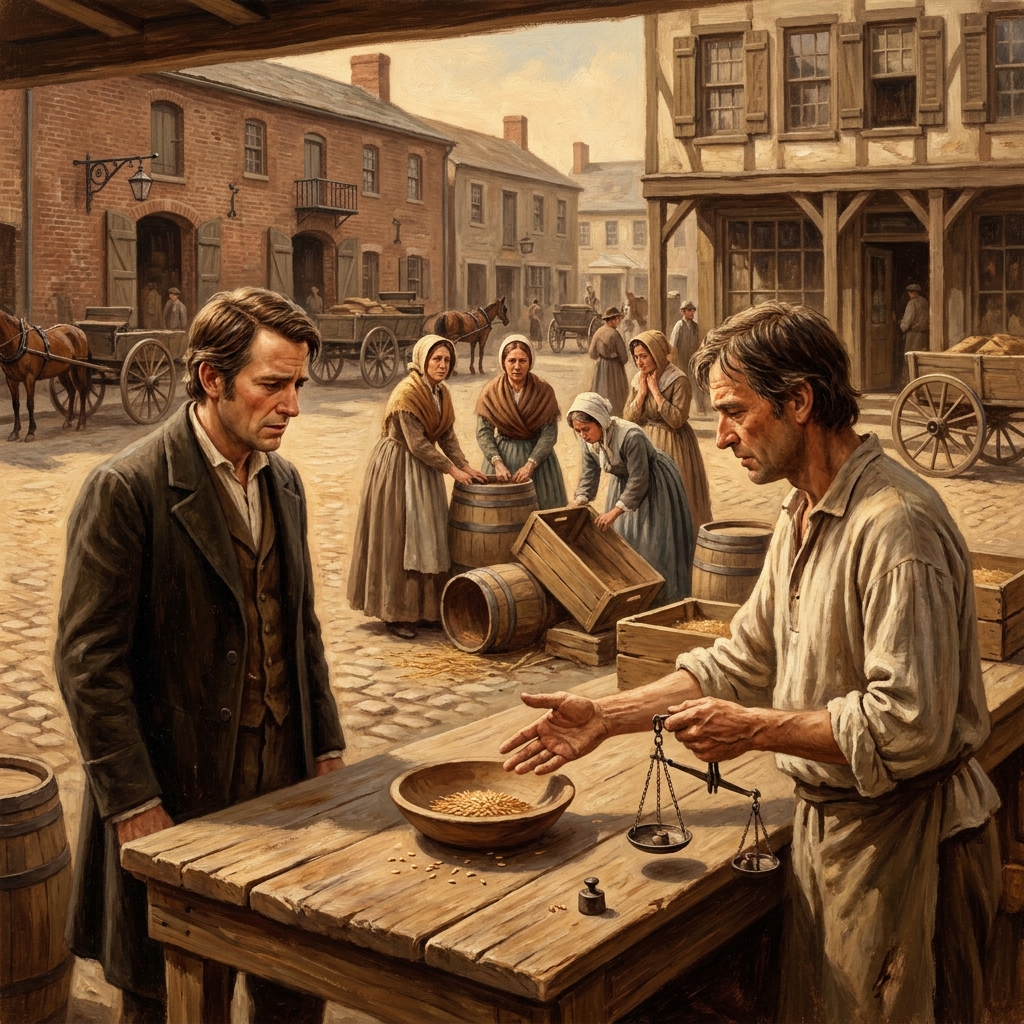
The lesson effectively breaks down the difference between a shortage, where demand exceeds supply, and a surplus, where supply exceeds demand. By the end, students should have a clear mental model for why prices fluctuate rather than remaining static. It helps them view the economy as a series of constant adjustments rather than a fixed set of rules. For those who thrive on practical application, the toy manufacturer scenario offers a clear entry point into thinking like an economist.
Related lessons

Understanding Price Controls, Covers government intervention and its effects on market price stability

Price Signals and Scarcity, Explains how price reflects the availability of limited economic resources

Incentives and the Laws of Supply and Demand, Examines how market incentives drive producer and consumer economic behavior