

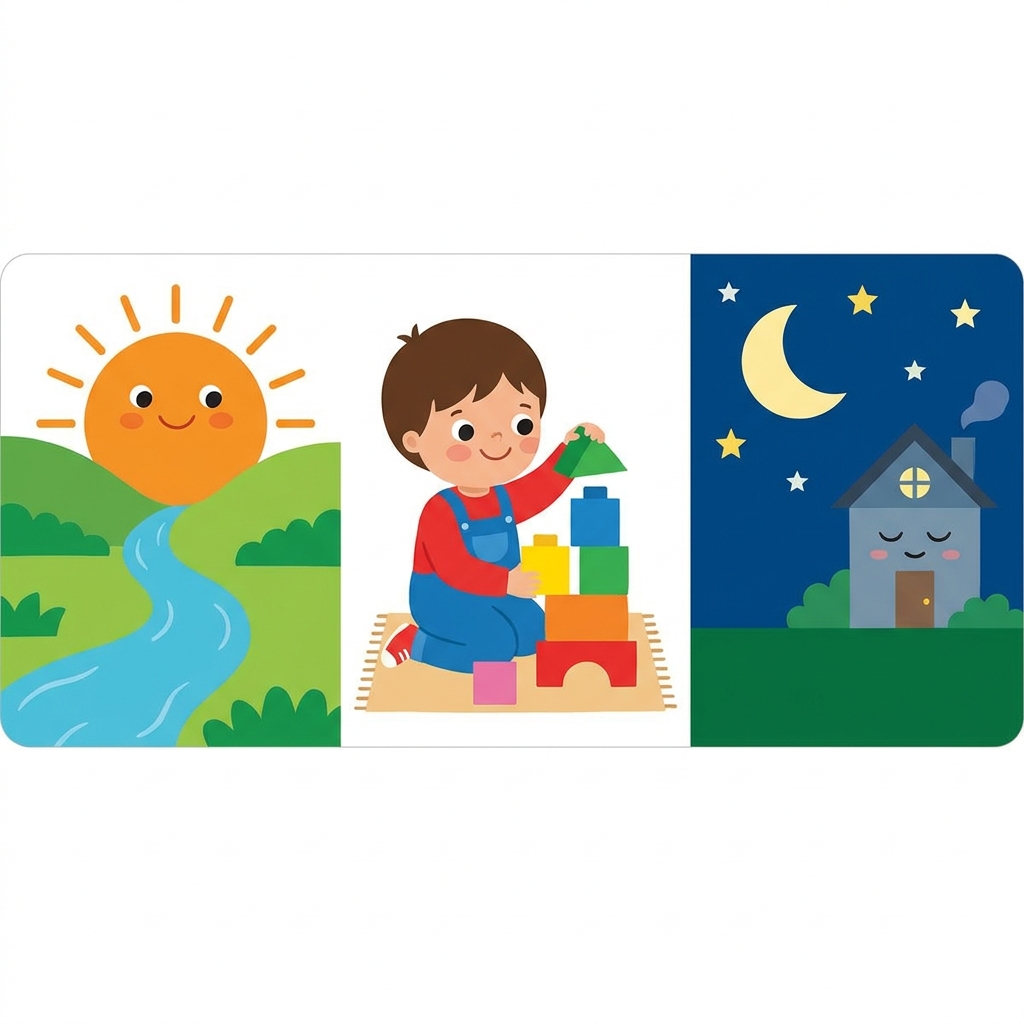
A parent once asked me if there was a simple way to help their child understand why we have to do things in a specific order every single morning. It is a common frustration for five-year-olds who are just starting to grasp the flow of time beyond now and later. In kindergarten social studies, helping students make sense of how days, weeks, and months tick by is foundational for their future organizational skills. The lesson The Time Train is designed to help your students organize their daily lives into a logical sequence.
This kindergarten social studies lesson is a quick 15-minute activity that focuses on the core concept that students can put events in the right order. The primary goal is for students to learn how to use a calendar to structure their time. By manipulating the calendar to place days, weeks, and months correctly, students start to see the bigger picture of how a school week or a month is constructed. This is the same kindergarten temporal order lesson that teachers use in the Ontario-Montclair School District, Newport-Mesa Unified, Cabrillo Unified, and Bonsall Unified to build those early academic habits.
What the lesson actually asks students to do
The lesson asks your students to take various events and place them into a proper timeline. It is not just about memorizing names of days, but rather understanding the relationship between yesterday, today, and tomorrow. When you walk around the room while they work on this, listen for how they justify the placement of an event. A student who says the art project comes before reading because of the morning schedule is demonstrating exactly the kind of logical reasoning we want them to develop.
The material covers the basic vocabulary of time including day, week, month, and sequence. By guiding the class through the process of organizing these time blocks, you are providing them with the vocabulary to describe their own daily routines. It is a very hands-on approach to a concept that can feel abstract for a child who has not yet fully internalized the rotation of the sun and the structure of our weekly calendar.
Aligning with state requirements
This work connects directly to CA.HSS-K.5. This standard asks that students put events in temporal order using a calendar, specifically placing days, weeks, and months in proper order. It is part of the Learning and Working Now and Long Ago domain within the California history-social science standards. Understanding this standard is essential because it sets the baseline for historical thinking. If a student cannot order their own Tuesday morning, they will have a much harder time later on when they are asked to put events from long ago into a chronological sequence.
I find that many kindergartners struggle when a week spans across two different months. They often get stuck on the transition. Use this lesson as a moment to point out that the train of time keeps going even when the calendar page turns. It is a great way to talk about continuity. Watch for the students who try to skip days in their sequence. They usually understand the order but might need a little prompting to remember that every single day counts in the flow of the week.
Where to fit this in your weekly plan
Given its brief nature, this lesson works well as a whole-class assignment to kick off a new month or as a targeted intervention for a student who missed the week and needs to catch up on calendar basics. If you have an independent study student, they can complete this work to solidify their grasp of time concepts while working at their own pace. It is also a handy resource for a substitute day when you want something structured that ties back to your social studies curriculum without requiring a massive amount of prep or cleanup.
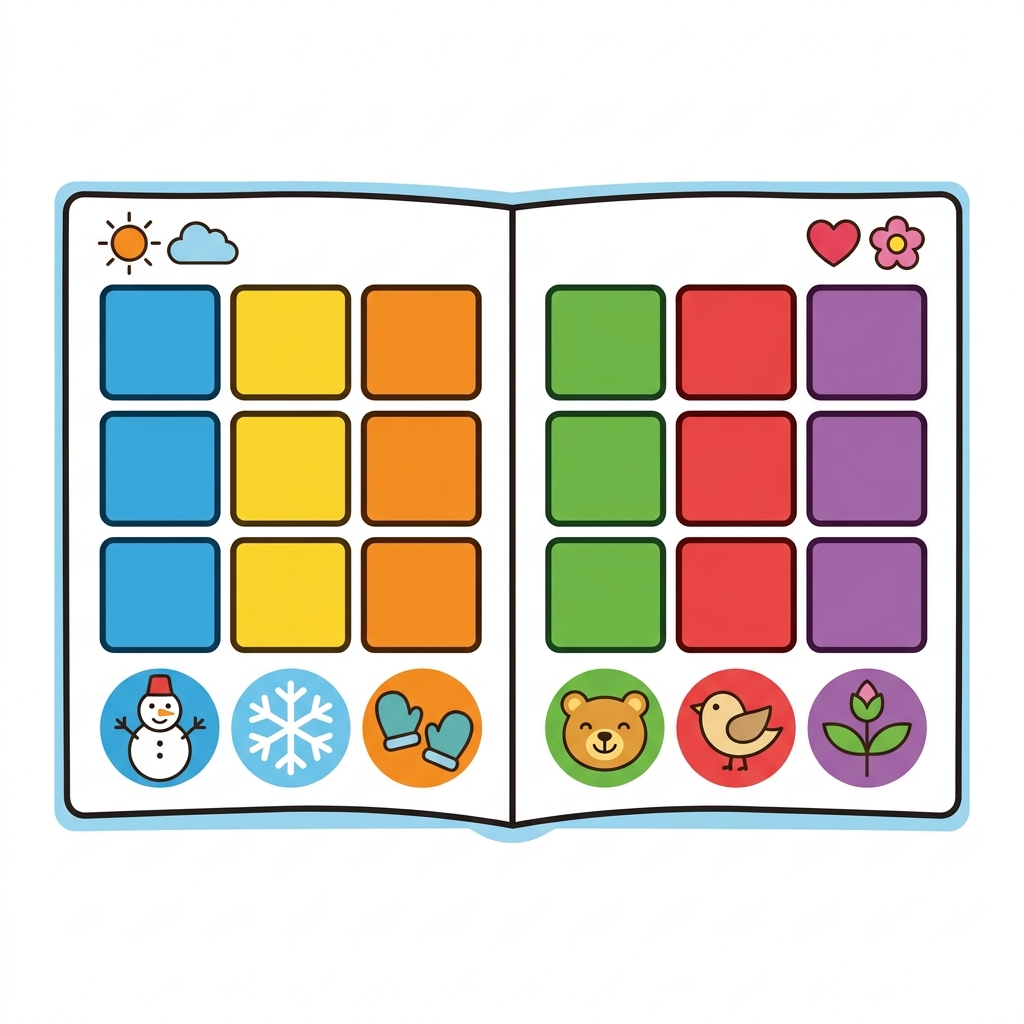
I suggest keeping the calendar front and center while you teach this. Even if you have a digital version on your screen, having a physical, tactile calendar for students to touch or point to makes a world of difference for their retention. Some students will master this in minutes, while others will need to go back and practice placing the days of the week over several different sessions. Do not feel rushed to move on from this concept. The more secure they are in understanding their own daily schedule, the more confident they will be as you introduce more complex ideas about history and time later in the year.
Related lessons
Exploring Our School, Helping students understand the geography and layout of their school
Where Is It?, Building basic positional awareness for students in kindergarten classrooms
Learning From The Past, Introducing the idea that people and events change over time