

When you are looking for a reliable way to get your students to stop relying on single-source answers, the Researching Ancient Civilizations lesson is worth your time.
This 6th grade English Language Arts lesson is built specifically for the classroom where students need to move beyond simple fact-gathering. It introduces the idea that history is constructed through documents, people, and places. The lesson opens with a clear, honest look at what a source actually is. It uses the concrete example of an Egyptian farmer documenting the Nile River to explain how primary documents act as the bedrock for what we know about the past. By the time students finish this section, they have a clear understanding of why we care about primary accounts, like harvest records or flood reports.
Teachers in Oakland Unified, Sacramento City Unified, Buckeye Union Elementary School District, and Salida Union Elementary School District all work to meet the same CA.ELA.WHST.6-8.7 standards in their classrooms. This California-adopted standard expects students to conduct short research projects to answer specific questions, draw on several sources, and generate new, focused questions that allow for multiple avenues of exploration. It asks students to move away from the idea that research ends with an answer. Instead, the standard demands they treat every answer as a gateway to another question.
How the lesson builds research skills
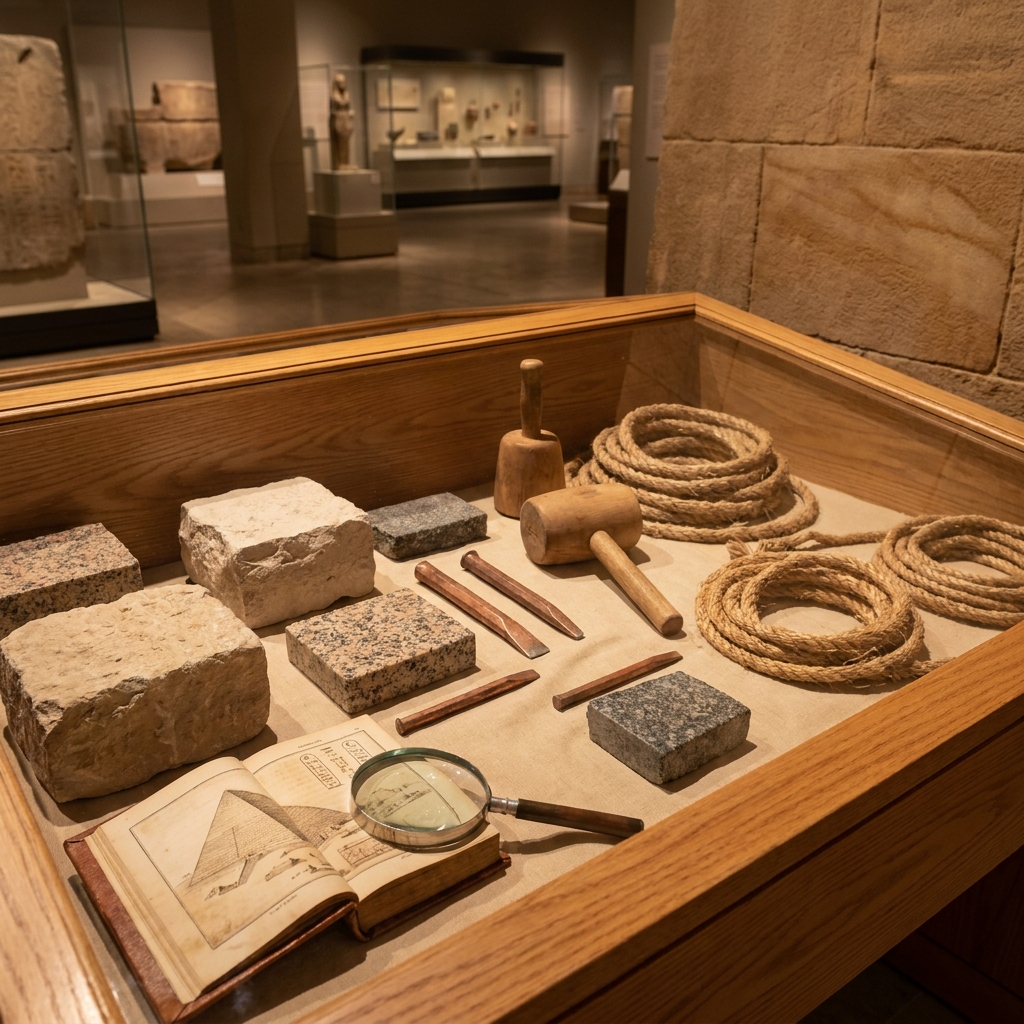
The lesson moves from defining a source to the harder work of building a 6th grade research project. A common pitfall for 6th graders is asking questions that are too broad to manage. To fix this, the lesson presents a concrete example about the Great Pyramid. It asks students to consider the question, what materials did workers use to build the Great Pyramid? It explains why this is a strong, specific question that can be answered through archaeological reports. This teaches students to narrow their focus so their research stays manageable and meaningful.
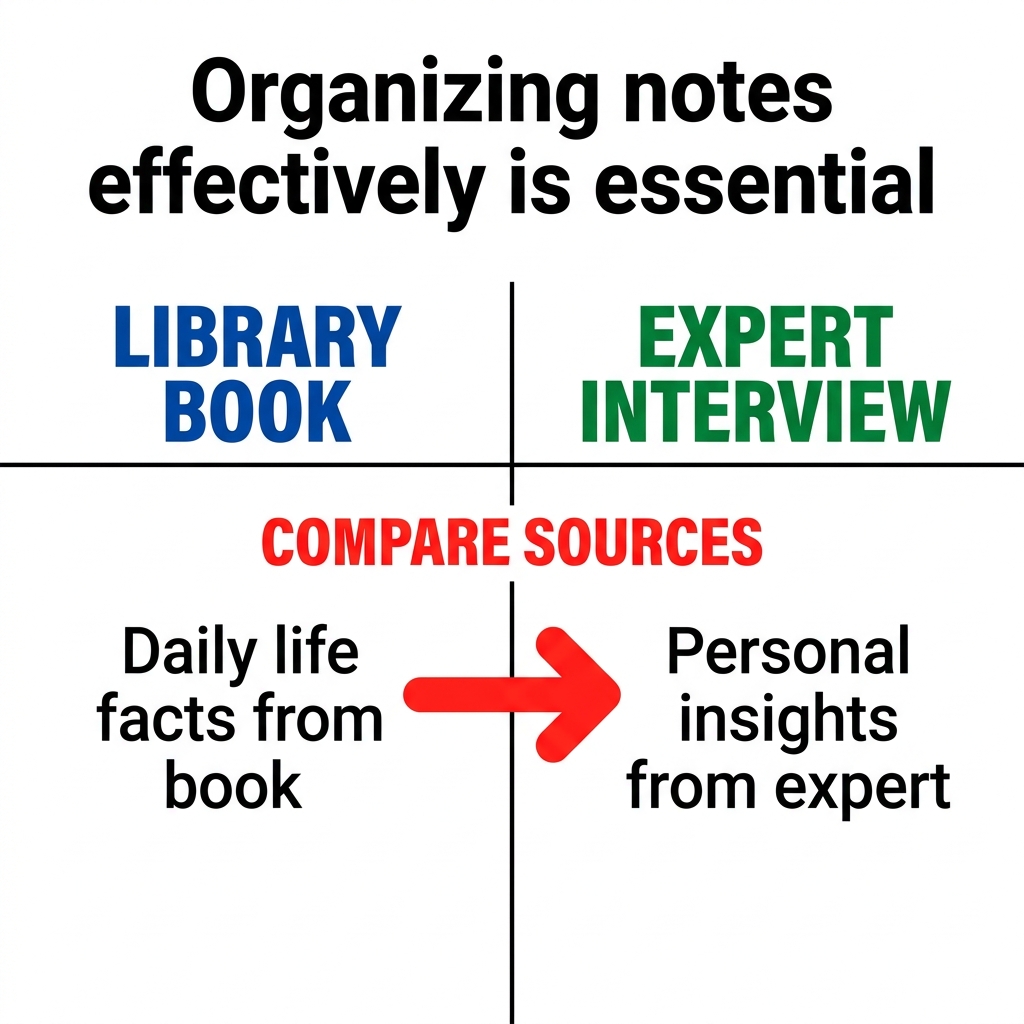
The guided practice uses a different set of materials involving trade routes between the Indus Valley and Mesopotamia. This is where the lesson shines because it acknowledges that research is rarely a straight line. The text explains that one topic often leads to different paths of inquiry. For example, a student might look at trade from an economic perspective, focusing on what specific goods like beads or metals were moved between cities. Alternatively, they might look at the cultural impact, seeing how that trade changed the daily lives of citizens. By giving students these two distinct paths, the lesson makes the abstract idea of exploration feel reachable.
Why this standard is a heavy lift for 6th graders
The biggest challenge with this skill is helping students understand that research is not just about finding a fact. It is about becoming an informed person. The lesson connects this to real life by noting that when we read the news, we look for multiple sources to verify that a story is true. If multiple accounts align, we have a better chance of finding the truth. This is a vital lesson for 6th graders who are starting to handle digital information on their own. It moves them from passive readers to active investigators.
I find this lesson especially useful for independent study or as a backup for a substitute day. It is structured enough that a student can work through it alone, but it still provides enough clear guidance on vocabulary and expectations to keep them from getting lost. The definitions are crisp: a source is a place, person, or document that provides information, and a research question is a focused inquiry that guides the search. If you have a student who missed the week or needs a quick way to practice these writing and literacy skills, this is a clean, effective path to follow. The material does not try to be flashy. It just focuses on the core mechanics of how to ask a question and where to go to find an answer.
Related lessons
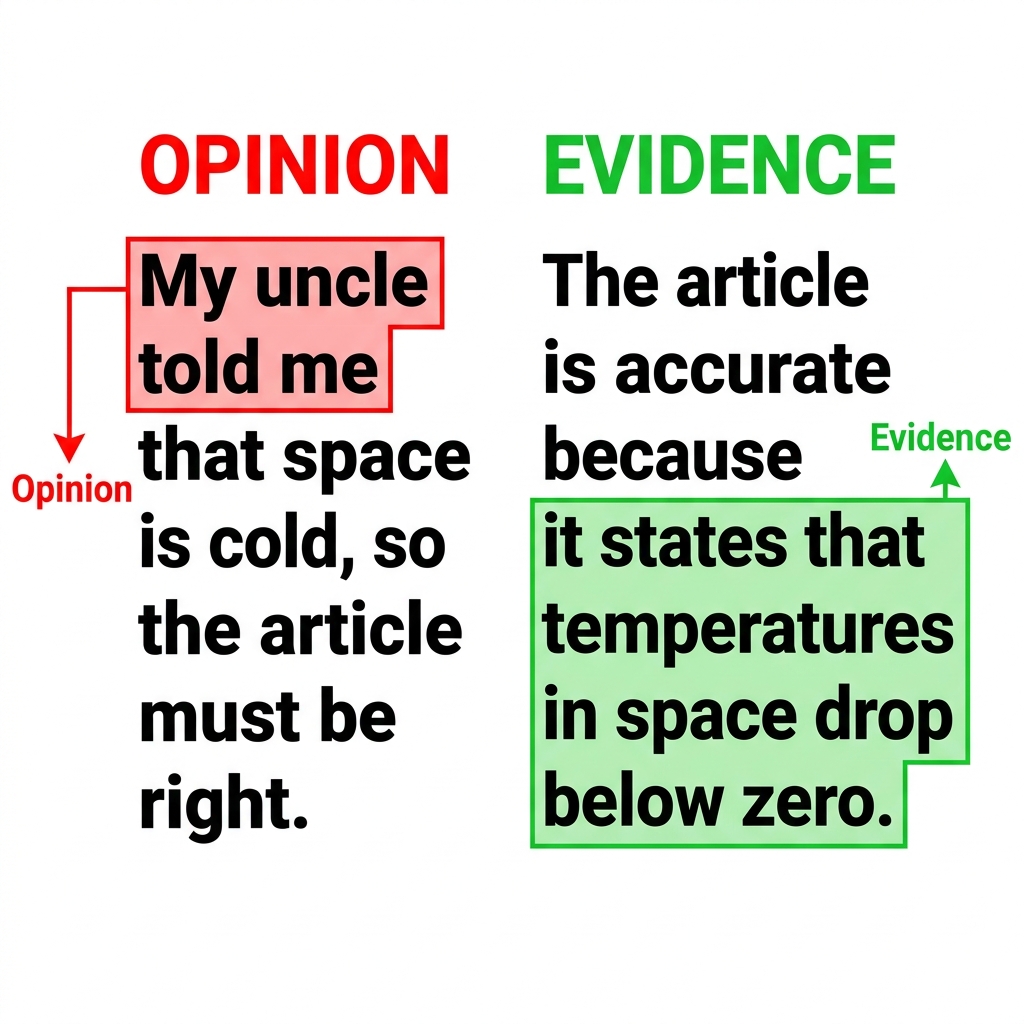
Supporting Your Ideas with Textual Evidence, Using specific textual details to back up personal arguments
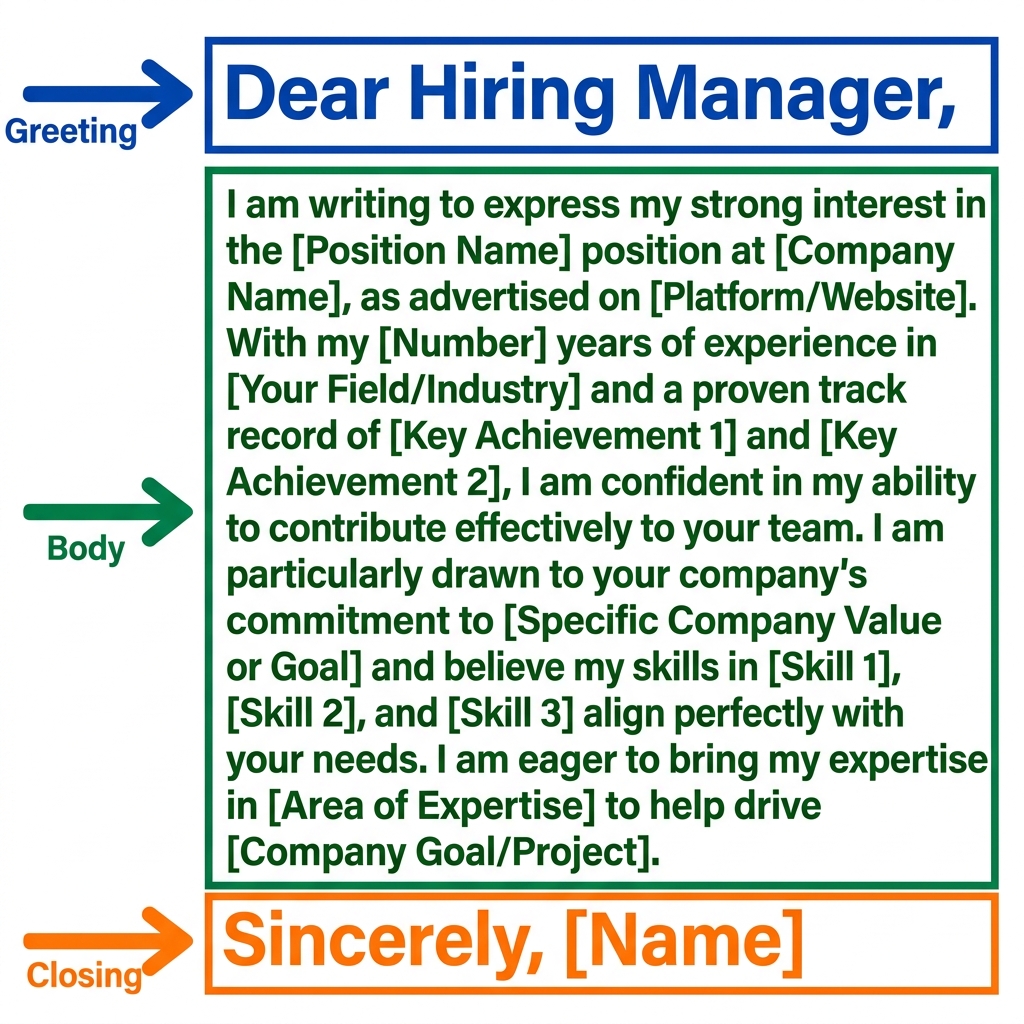
Writing for Your Audience, Adjusting writing tone and style for specific target readers
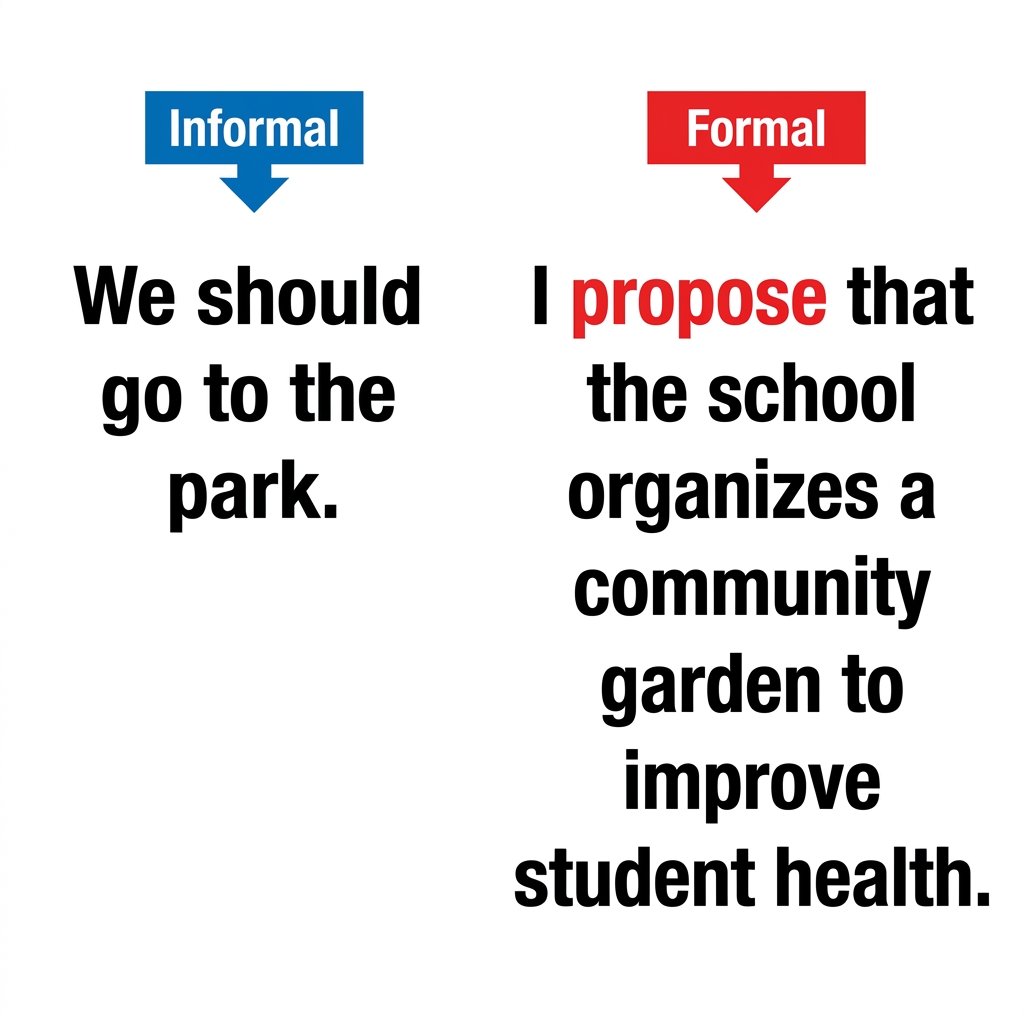
Building Strong Arguments, Constructing logical claims and supporting them with evidence