

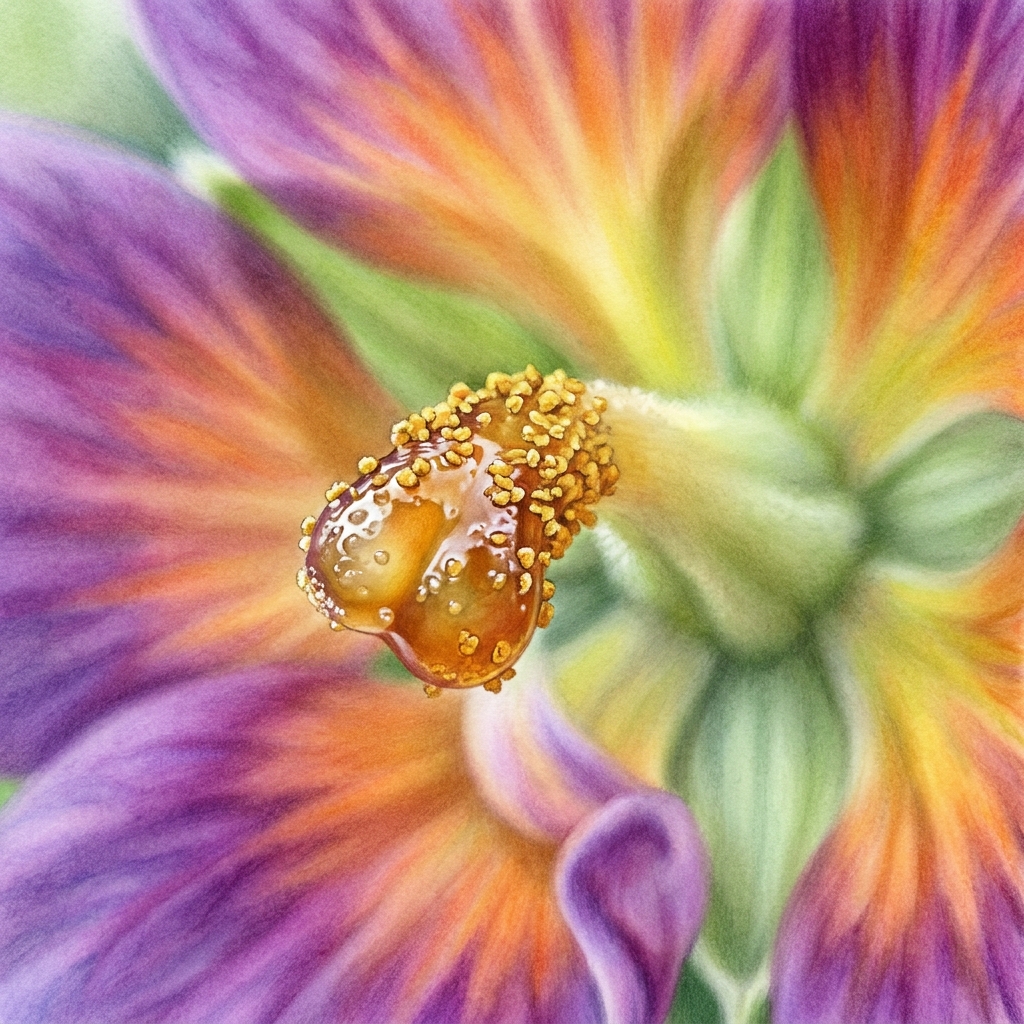
When you are supporting a student in an 8th grade science class who needs to catch up on core concepts, you want material that gets right to the point. The Reproduction Strategies in Nature lesson does exactly that. It focuses on the primary standard, MS-LS1-4, which asks students to use argument based on empirical evidence and scientific reasoning to support an explanation for how characteristic animal behaviors and specialized plant structures affect the probability of successful reproduction of animals and plants respectively.
This standard is the same whether you are working with students in the San Ramon Valley Unified, Compton Unified, Sonoma Valley Unified, or Soledad Unified school districts. Because California middle school science uses an integrated model, these life science concepts are essential for helping students understand how organisms interact with their environments to ensure their species continues.
What the lesson actually asks students to do
The lesson moves past basic memorization. Instead of just asking for a definition, it requires students to look at how specific traits, like a sticky stigma on a flower, improve the chances of pollination. The material defines pollination as the transfer of pollen from one flower to another, which allows plants to create seeds. It explains that reproduction is the biological process by which organisms produce new individuals of the same kind. These definitions are building blocks for the real work: creating an argument about why certain physical structures, like a flower that catches pollen easily, lead to higher rates of reproduction.
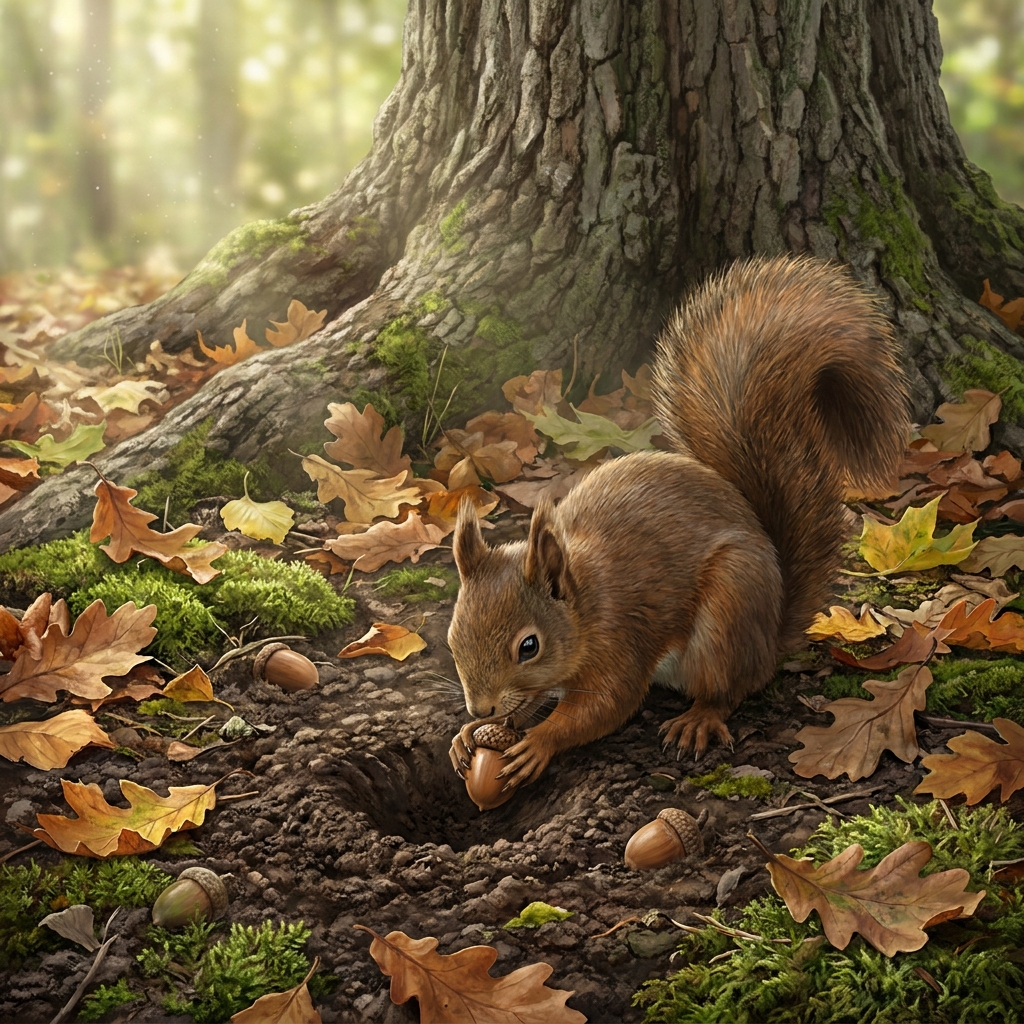
Students spend about 45 minutes going through the material. They start by observing a bee collecting pollen and then apply that knowledge to a more complex scenario involving a night-blooming cactus. This middle school plant reproduction lesson makes the connection between biology and habitat loss. It is honest about the fact that if a habitat disappears, the animals or insects that support plant reproduction might not be there anymore, which leads to a decline in that species. I find this angle helpful because it gives students a concrete reason to care about the biological processes we are asking them to learn.
How to use this for intervention
This is a solid choice for a student who missed the week of lessons, an independent study student, or a substitute day where you need something self-contained. The workflow is predictable, which is a relief for a student who is already feeling behind. They read the background info, see the worked example of the stigma, and then move to the guided practice. The guided practice asks them to think through the night-blooming cactus phenomenon. They have to explain how the bat, which feeds on the nectar, plays a role in the plant’s reproduction. It forces them to connect the behavior of the animal to the physical survival of the plant.
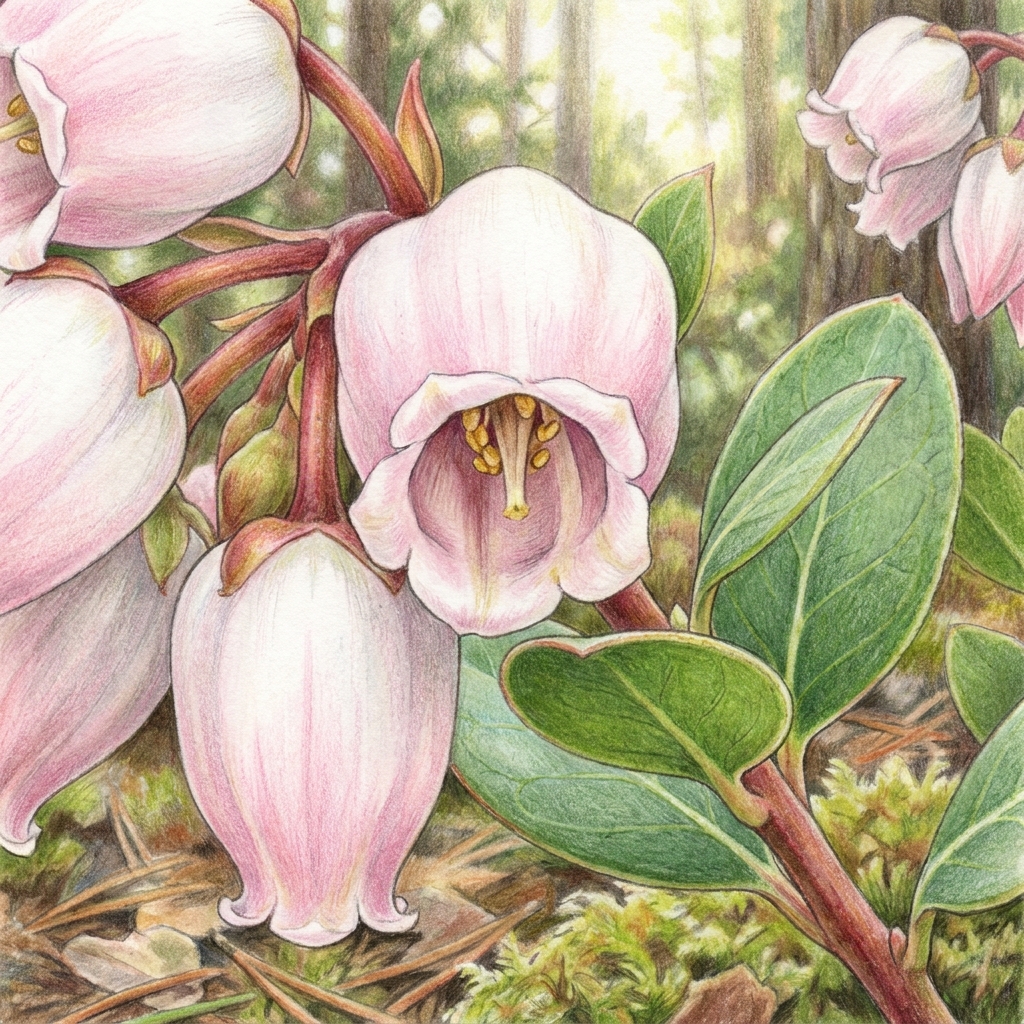
One caveat for teachers using this: watch to make sure they do not just skip to the final answer. The standard CA.MS-LS1-4 requires that they use evidence from the text to support their explanation. If you have a student who is prone to one-sentence answers, you might need to prompt them to explain the mechanism, how the bee or bat actually physically aids the plant, rather than just stating that they do. When they can articulate that mechanism, they have mastered the concept.
Since this lesson is aligned with the California-adopted standard, you can be confident that the academic language is appropriate for the grade level. It covers the material without being overwhelming, which is the balance we are all trying to strike when we pull a student aside for intervention. The final task is to look at the link between behavioral changes and environmental impact, which wraps up the lesson by forcing a look at the bigger picture of conservation biology.
Related lessons
The Body as a System, Explains how different human body systems interact to maintain life
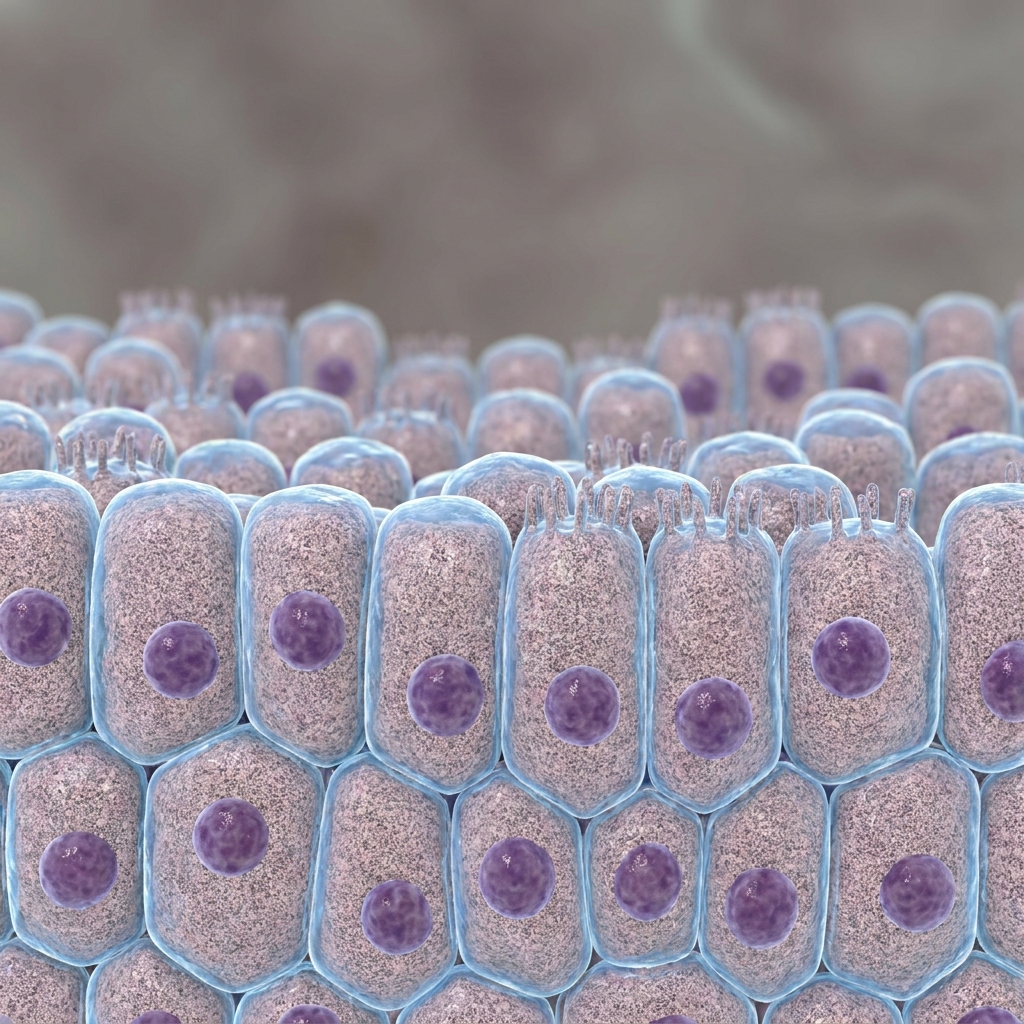
The Building Blocks of Life, Covers the basic cellular structures and functions of living organisms
Survival of the Fittest: Genetic Variation in California Ecosystems, Examines how genetic traits affect survival within specific local habitats