


“Describe in depth a character, setting, or event in a story or drama, drawing on specific details in the text.” This is the core requirement of CA.ELA.RL.4.3, a California-adopted standard found in 4th grade English Language Arts classrooms from Poway Unified to West Contra Costa Unified, El Monte City School District, and Redwood City Elementary School District. While the standard sounds straightforward, we know that getting students to move beyond general summaries to actual analysis is a different challenge. This lesson helps bridge that gap by teaching students to pull specific, concrete evidence from the page to support their interpretations.
When you start the 4th grade English Language Arts lesson Understanding Characters and Events, the materials begin by establishing what evidence actually is. Students learn that when they read, they are looking for specific information provided by the author, such as a character’s dialogue or specific actions. For example, if a character shares their belongings with a friend, that specific action serves as textual evidence of kindness. It is a simple concept, but having a shared vocabulary, defining textual evidence as words or sentences that support ideas, gives them a way to talk about their thinking process. It turns a vague hunch about a character into a defensible claim.
Building skills with specific examples
The lesson moves into a concrete, worked example that is quite helpful for students who struggle to link traits to actions. It asks them to analyze a scene where a knight stands tall in shining armor, stepping forward to protect a village. The material leads students to conclude that the knight is brave. It points out that the armor and stance reveal his strength, while his action of stepping forward to protect others confirms his bravery. This is exactly the kind of scaffolding 4th graders need. It stops them from guessing a character trait and forces them to map that trait back to a line in the text. I like this approach because it prevents the common pitfall of relying on outside assumptions about what a knight should be like rather than what the story says.

The lesson defines “in-depth” as looking closely at many details to get a complete understanding of something. This is the heart of 4th grade shared research writing lesson expectations, where we want to move them away from surface-level observations toward a richer understanding of a narrative. After the knight scenario, the guided practice transitions to a mystery-themed passage where a character finds a secret map inside an old, dusty book. It is a great moment for a student who needs a clear, structured way to practice identifying clues. They are prompted to find evidence that describes the setting and the character’s reaction to the discovery.
Application in the classroom
You can fit this 45-minute block into a variety of instructional schedules. It works perfectly as a whole-class assignment when you are first introducing literature analysis, or as a targeted intervention for students who have missed a few days of reading instruction and need a quick, focused way to get back on track. It is also a solid choice for a substitute teacher because the lesson is self-contained and clear enough for students to move through independently without a long lecture.

I find the inclusion of a “why-it-matters” section particularly helpful. It bridges the gap between literary analysis and the real world by explaining that finding evidence helps us understand why people act the way they do in real-life news or stories. It reminds students that this is not just an academic exercise, but a functional skill for navigating the information they see every day. The focus on specific words and actions keeps the lesson grounded. It avoids the temptation to lecture about character development in the abstract and instead provides a repeatable process. Once they understand that they need to look for a specific line of text to prove a point, they are much more likely to apply that logic to their independent reading. It is a modest but useful tool for any 4th grade teacher needing to hit the mark on key ideas and details.
Related lessons
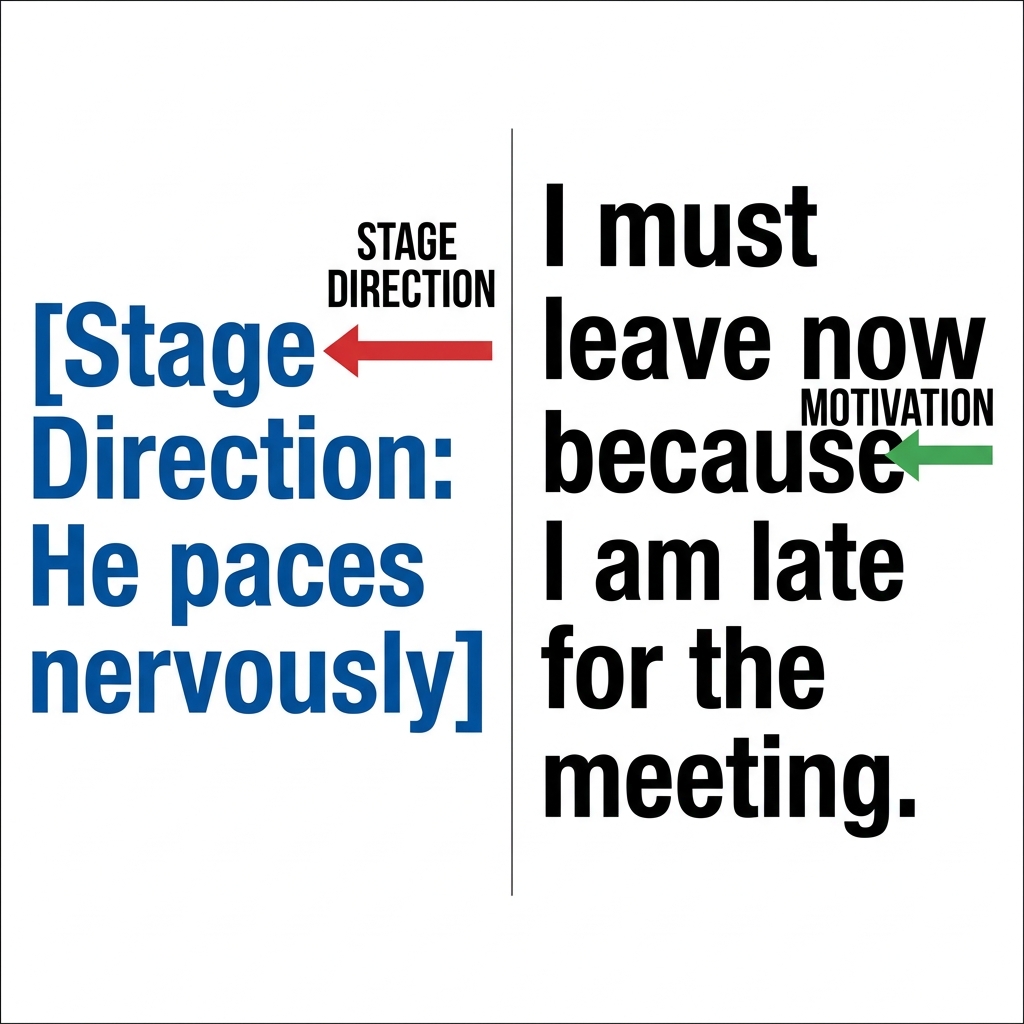
Understanding Stories: Finding Key Details, Teaches students to identify important plot points within narrative stories
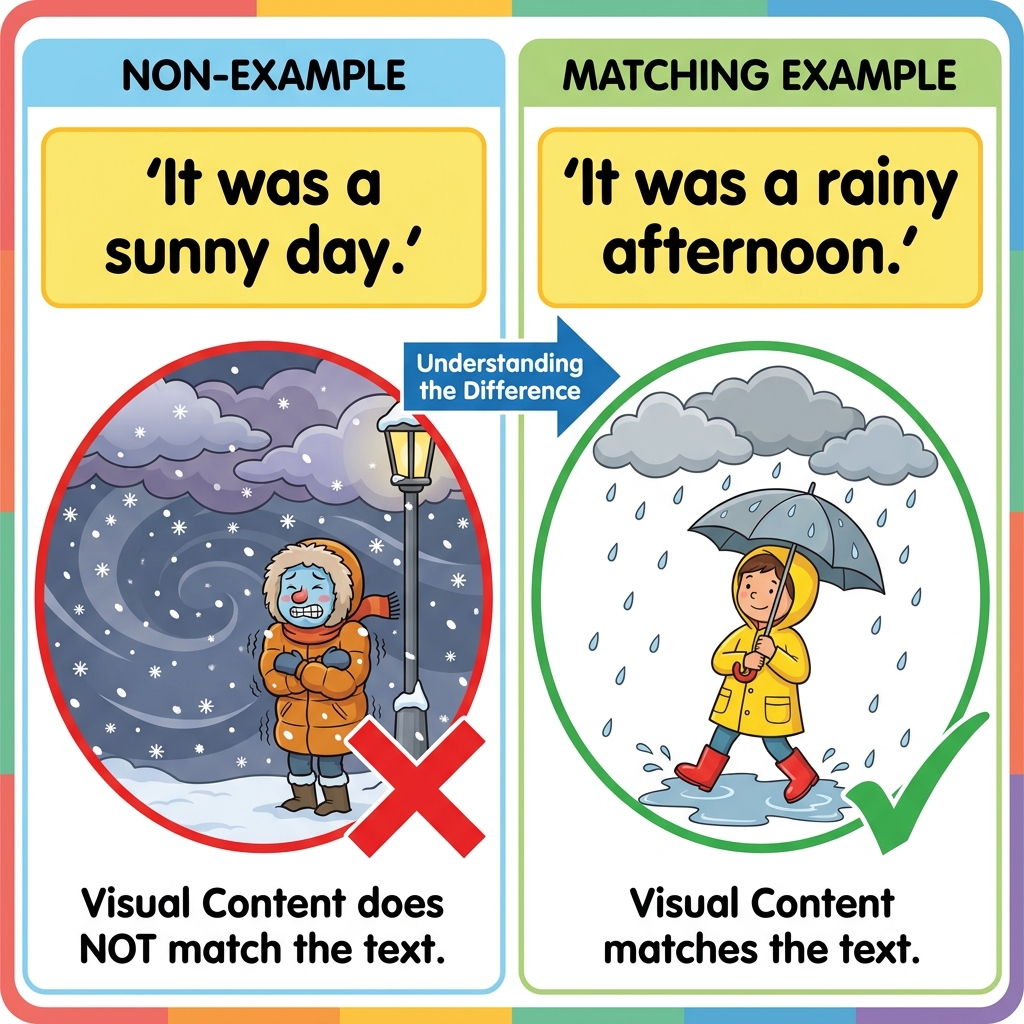
Connecting Stories to Visuals and Sounds, Explores how multimedia elements contribute to story meaning and mood

Understanding Point of View in Stories, Examines how different character perspectives shape the reader's narrative experience