

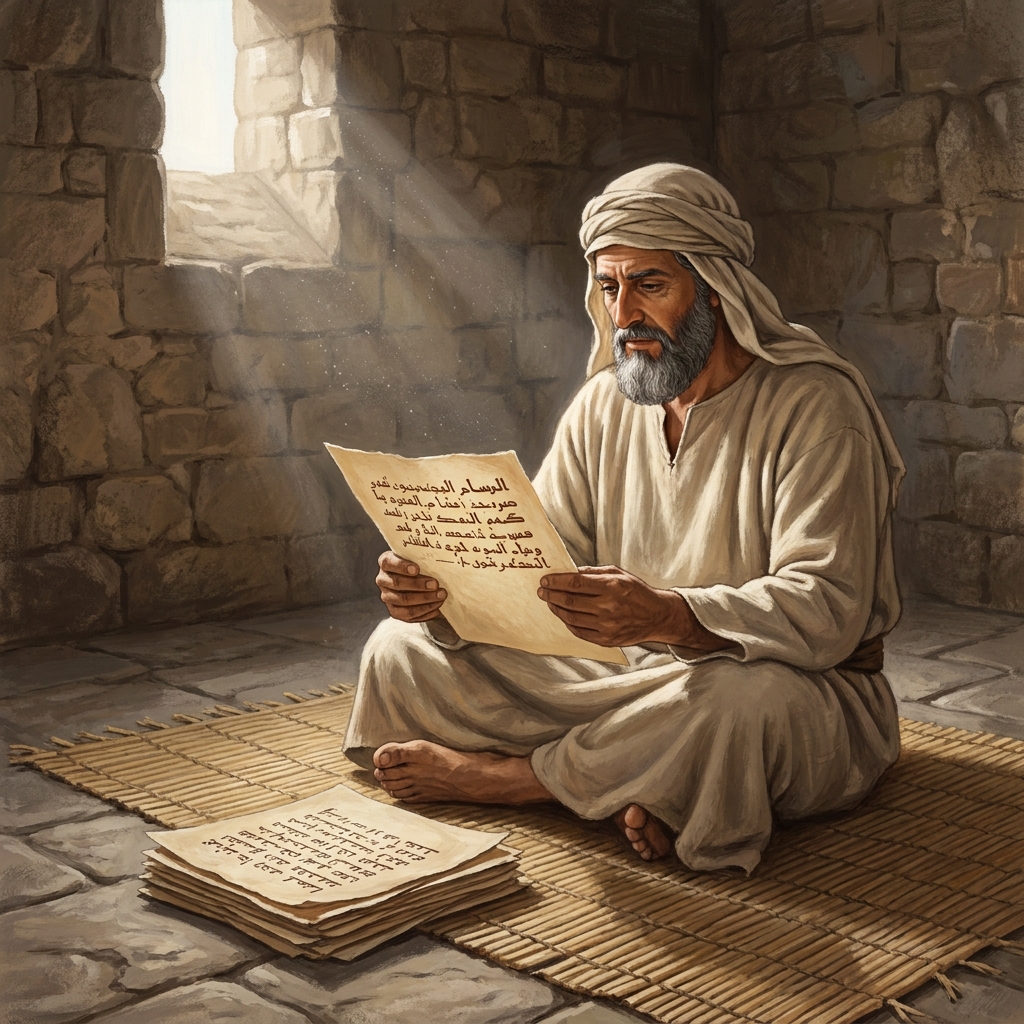
“Explain the significance of the Qur’an and the Sunnah as the primary sources of Islamic beliefs, practice, and law, and their influence in Muslims’ daily life.” That is the exact text of CA.HSS-7.2.3, the California-adopted standard that guides our instruction on medieval Islamic history. It asks students to move past just knowing that these texts exist and to actually articulate why they matter as a foundation for law, daily behavior, and moral identity. If you are teaching 7th grade social studies, you know that making these ancient concepts feel relevant to a thirteen-year-old can be a challenge.
I have been looking at the Foundations of Islamic Belief and Practice, and it is a solid, no-nonsense resource for your students. Whether you are in Moreno Valley Unified, Elk Grove Unified, Sierra Sands Unified, or Manhattan Beach Unified, the state expects our students to master this same standard. This lesson does a good job of breaking down complex religious structures without getting bogged down in academic jargon.
How the lesson introduces core concepts
The lesson starts with a relatable analogy that actually works. It compares the Qur’an and the Sunnah to a school handbook. We tell our students that a handbook is the primary source for rules and expectations at school. This provides a concrete mental hook before introducing the actual vocabulary: the Qur’an, the holy book containing revelations to the Prophet Muhammad, and the Sunnah, which is the collection of his words, actions, and habits. It even clarifies the role of the Hadith as the individual reports that compose the Sunnah. By using this setup, the lesson makes the 7th grade social studies religious history content accessible rather than overwhelming.
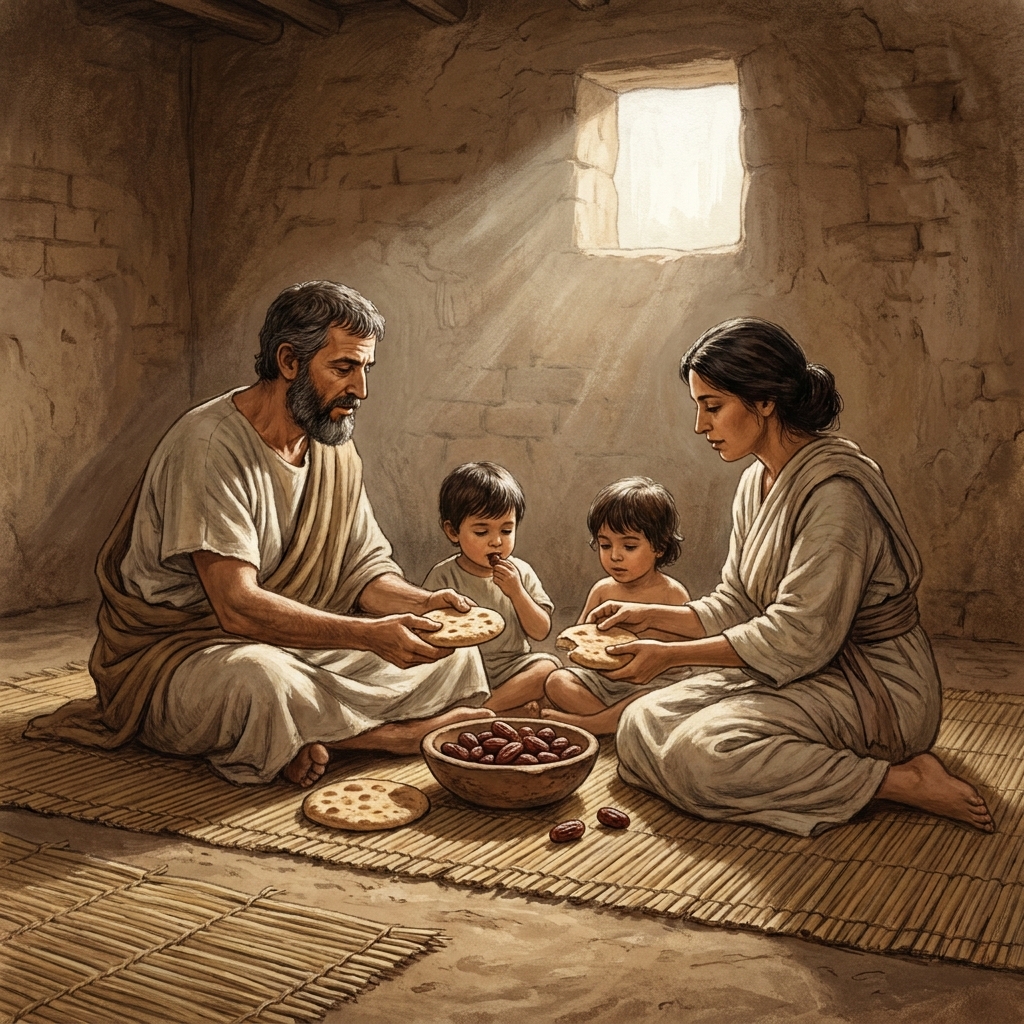
The lesson moves from definitions to real-world application through a worked example. It uses a clear scenario where a verse from the Qur’an commands charity. Students see that because the command is written directly in the text, it functions as a primary source for belief. This is the kind of practical analysis that really hits the mark for the CA.HSS-7.2.3 requirement, ensuring students understand that these sources are not just historical artifacts but active guides for conduct.
Managing independent study and intervention
One of the best things about this specific lesson is that it takes about 45 minutes, which makes it perfect for a student who missed the week or someone working through independent study. If you are a counselor or a site administrator trying to help a student catch up on curriculum, this is an efficient way to get them the content without needing a full week of teacher-led lectures. The guided practice, which asks students to consider a traveler in the desert looking for prayer guidance, forces the student to apply the concept of the Sunnah independently. It checks their comprehension of how historical habits and actions serve as a guide for daily life.
I find that students who struggle with the broader concepts of world history often appreciate this kind of focused, bite-sized material. It does not feel like a textbook chapter that goes on for twenty pages. Instead, it feels like a targeted exercise that respects the student’s time. The section on Sharia is particularly good, explaining it as a moral code that provided a unified framework for diverse cultures. This clarifies why the religion had such a massive influence on the geography and society of the medieval world.
Where students might need extra support
Even with good materials, I have noticed that students sometimes stumble on the connection between a text and a legal system. They understand that a book has rules, but they struggle to see how those rules create a “unified social and legal identity.” You might need to remind them that before these systems were standardized, travelers and merchants from different cultures had few common rules. When you assign this, keep an eye on whether they grasp that the Qur’an and Sunnah acted as a common language for justice. If a student is flying through the material too fast, that is the specific point where you should pause them and ask a follow-up question. The lesson provides the framework, but the teacher remains the one who helps the student turn that information into genuine understanding. If they can explain how a traveler in the desert felt connected to a merchant in a city because they both shared this moral code, they have successfully mastered the material.

Related lessons
Foundations of Democracy in Medieval England, Covers the historical roots and development of early democratic governance
The Tang Dynasty and the Spread of Buddhism, Explores how Buddhist teachings influenced culture during the Tang Dynasty
Medieval European Civilization, Analyzes the structures and life within medieval European societies