

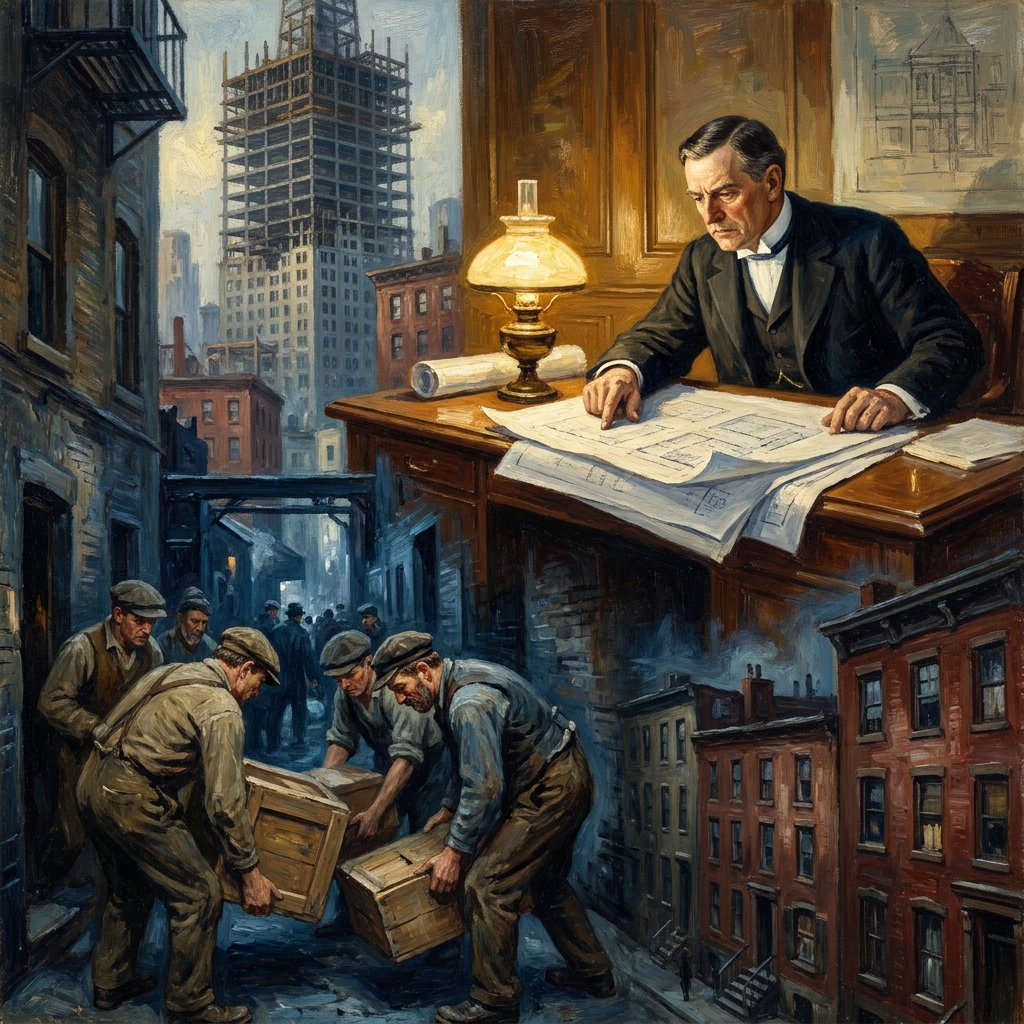
Eleventh-grade history courses often require students to move past basic memorization to evaluate complex societal shifts. Educators are frequently searching for resources that connect nineteenth-century debates about poverty and wealth to the broader development of American policy. This post highlights a lesson designed to help students compare conflicting ideologies that defined the Gilded Age.
Understanding the standard
The standard CA.HSS-11.2.7 asks students to analyze the similarities and differences between the ideologies of Social Darwinism and Social Gospel, specifically mentioning the biographies of figures like William Graham Sumner, Billy Sunday, and Dwight L. Moody. In plain terms, this means students need to move beyond simple memorization of dates and instead look at how these two very different schools of thought shaped the way Americans thought about poverty, wealth, and the role of the government during the late 1800s. It is a high-level cognitive task for an eleventh grader to identify how an abstract concept like an ideology translates into real world policy or social attitudes. Students in the William S. Hart Union High School District, Chaffey Joint Union High School District, Tehachapi Unified, and Davis Joint Unified are all learning this exact standard, ensuring that no matter where a student is in California, the expectations for analyzing this period remain consistent.
How the lesson breaks down the ideology
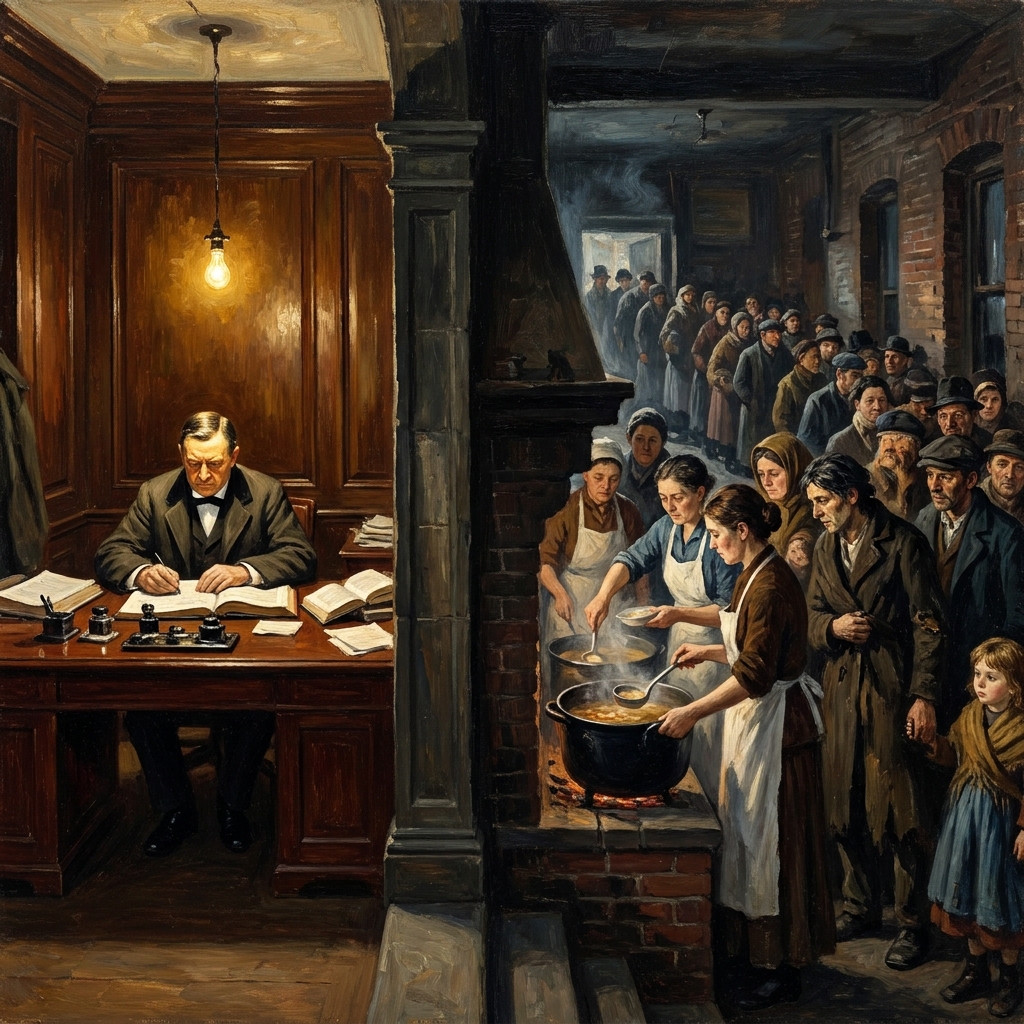
If you are looking at Ideologies of Progress: Social Darwinism vs. Social Gospel, you will find it presents the conflict with great clarity. It starts by framing the late 1800s as a time of massive industrial growth, which naturally created a gap between those with extreme wealth and those with very little. It introduces William Graham Sumner as a primary example of the Social Darwinist viewpoint. The material explains that Sumner viewed the struggle for existence in nature as the blueprint for human society. He believed that the strongest and most capable were naturally meant to rise to the top of the hierarchy. If you have students who struggle with the concept of laissez-faire economics, this lesson provides a clear connection: because Sumner saw the hierarchy as natural, he argued against intervention. This makes the distinction between his views and the Social Gospel quite sharp.
Practical use for independent study and intervention
This high school social studies lesson is specifically useful for an intervention teacher or an independent study coordinator because it is self-contained. It takes about 45 minutes to complete from start to finish. When I assign this to a student who missed the week or needs credit recovery, I know they have everything they need right on the screen. The guided practice is particularly effective for those working on their own. It asks them to imagine they are in an American city in 1895, standing between a hungry line of people at a mission and a businessman arguing that these individuals should just work harder. This forces a student to articulate the difference between the two ideologies without just copying definitions from a textbook. It is a good check for understanding that prevents them from just clicking through the slides.
Why this matters for student perspective
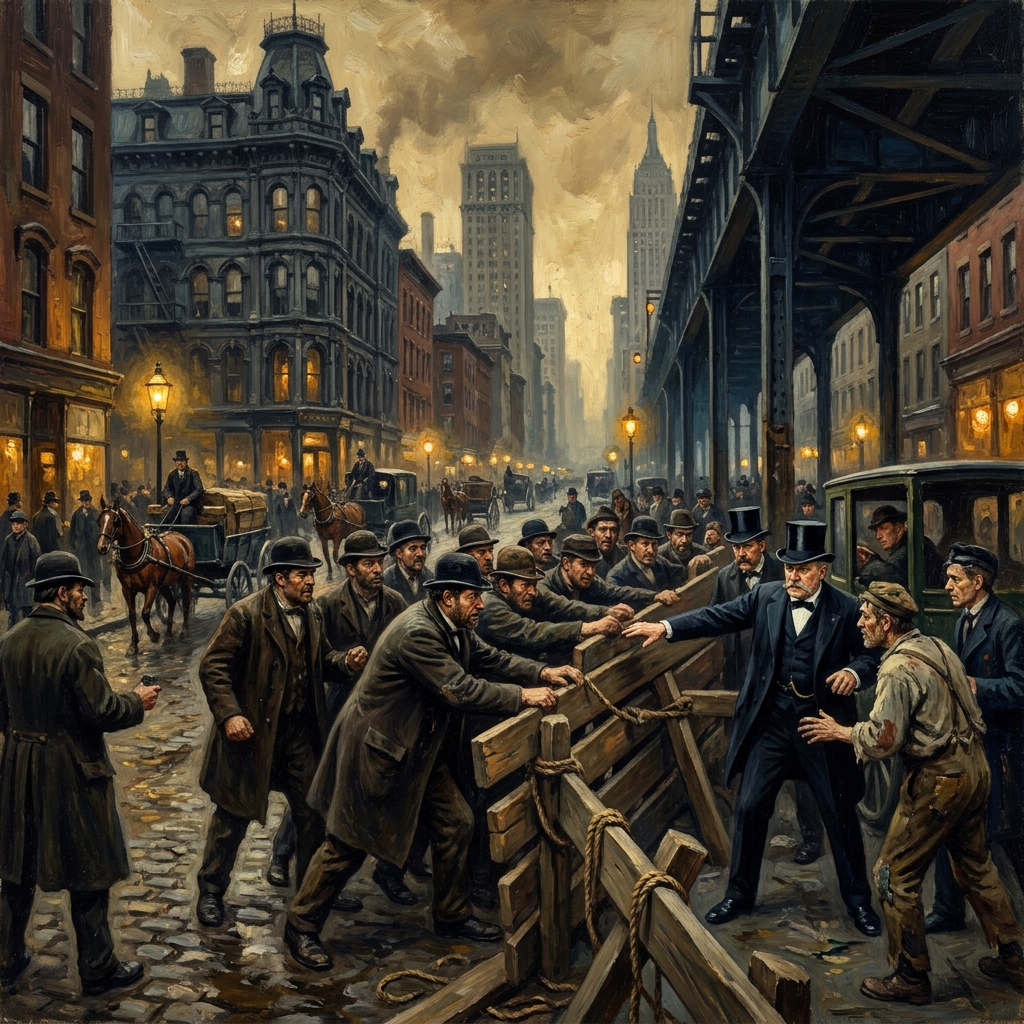
The lesson does a good job of showing that these aren’t just dead ideas. The why-it-matters section explicitly connects these nineteenth-century debates to modern news reports. When a student sees a discussion about whether the government should provide social safety nets or if aid should be limited, they are witnessing the same ideological divide that we see in the Gilded Age material. It is my opinion that students often feel history is disconnected from their lives until they see how these frameworks persist in contemporary political discourse. By learning to label these arguments, a student becomes better at identifying the logic behind the opinions they hear on the news. This lesson provides the vocabulary, such as Social Darwinism, Social Gospel, and laissez-faire, that gives them the tools to handle those conversations more thoughtfully. It is a solid, direct way to teach a complex standard in a single class period.
Related lessons
Evaluating the Atomic Decision, Examines the historical factors behind the decision to use atomic weapons
Modernization in the 1920s United States, Covers cultural and technological changes during the 1920s decade

United States Foreign Policy: From Containment to Globalism, Traces shifts in American foreign policy strategy after World War II