


Developing adaptability in writing is a primary goal for any 4th grade teacher. As students move from learning how to write sentences to crafting coherent essays, they must also learn that not all writing tasks require the same amount of time, the same tone, or the same level of research. This flexibility is essential for future academic success, as it prepares them for the diverse writing demands they will encounter throughout their schooling. By explicitly teaching students how to distinguish between short, spontaneous writing and extended, researched composition, we help them manage their own academic expectations.
Adjusting for audience and purpose
You know how frustrating it is when a student turns in a frantic, one-paragraph draft for an assignment that clearly called for a week of research. It happens because they haven’t yet internalized that writing isn’t just one static activity. The Writing for Different Tasks and Audiences lesson hits this head-on. It focuses on the shift between quick, short-form responses and the kind of long-term work required for deep investigation.
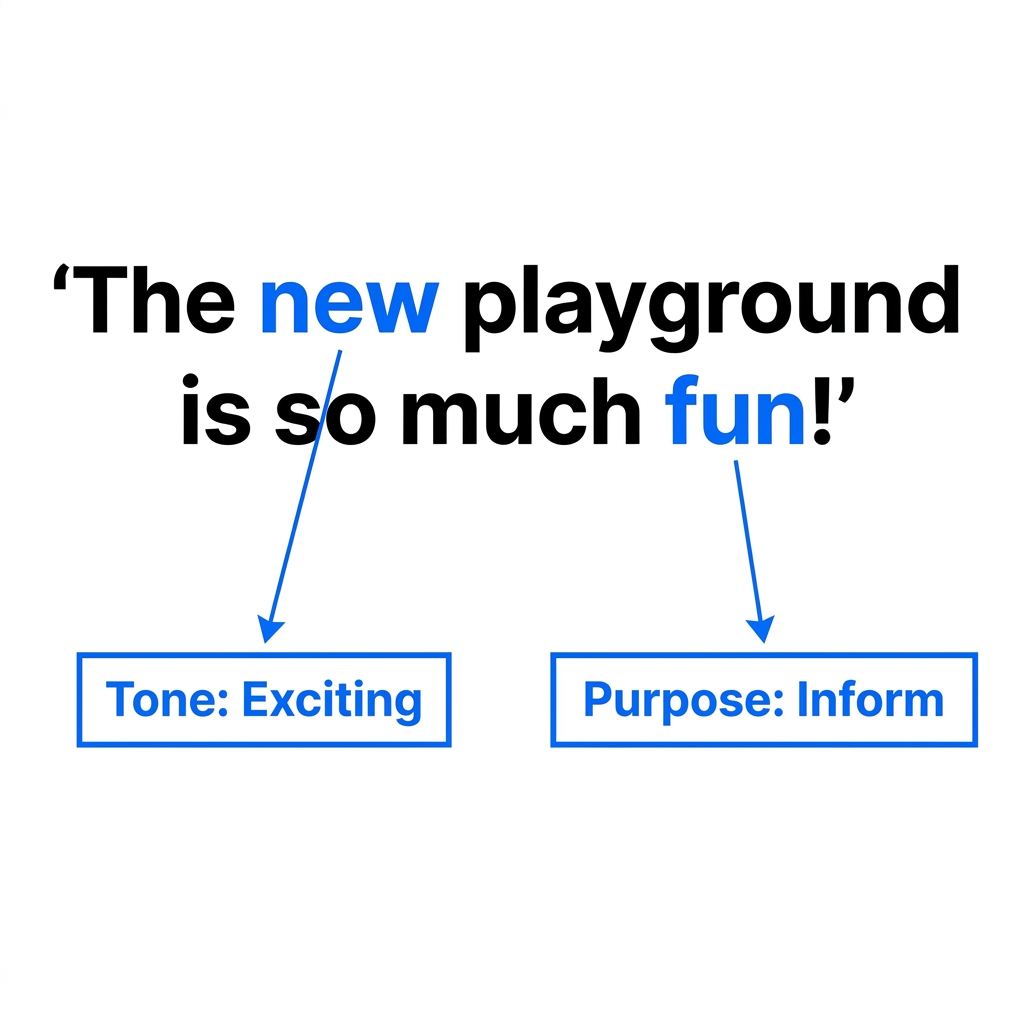
For your 4th grade English Language Arts class, this lesson is a necessary pit stop. It builds on their earlier narrative writing by introducing the cold, hard reality that professional or academic writing requires a different cadence. If students don’t grasp this, they stumble when they hit upper-grade argumentative essays or technical reports because they try to write everything in the same breezy, singular-sitting style.
When we ask students to distinguish between these tasks, we are teaching them to plan their time effectively. A student who understands that an opinion piece on a favorite book requires less preparation than a report on the state’s geography is better equipped to manage their energy. This is a foundational life skill in an academic setting, allowing students to recognize the difference between a rough draft intended for personal reflection and a polished piece intended for a formal audience.
What the lesson covers
The core objective here is getting students to consciously pivot their style based on the prompt. The lesson introduces the terms purpose, audience, and discipline-specific to give them a vocabulary for this shift. It explains how a science report on local ecosystems, for instance, requires gathering facts over several days rather than a quick brainstorming session. You see this same 4th grade writing lesson taught to ensure consistency in districts like Fremont Unified, Ontario-Montclair School District, Lowell Joint School District, and Rocklin Unified.
The material uses clear worked examples to show the difference. One example walks through a long-term research paper, highlighting how a student must spend weeks finding sources and refining drafts. It’s a great model because it explicitly ties that extra time to the need for a formal tone and a more knowledgeable audience. The guided practice then puts the students in the driver’s seat by asking them to categorize various writing prompts: does this need a quick note, or does it demand a deep, multi-day dive? It is a practical way to show them that a message to a friend looks nothing like a school report.
By categorizing prompts, students begin to see that writing is a strategic act. They learn to identify the constraints of an assignment immediately. This awareness prevents them from rushing through projects that require multiple revisions. Instead, they begin to allocate time based on the complexity of the prompt, a behavior that leads to higher quality outcomes across the curriculum.
Meeting the California standard
This lesson is built to address CA.ELA.W.4.10. This California-adopted standard is foundational because it demands that students write routinely over both extended time frames, allowing for research and revision, and shorter time frames that might conclude in a single day. It’s not just about getting words on the page; it is about the student understanding the constraints of their task. They need to know when to linger and when to strike while the iron is hot.
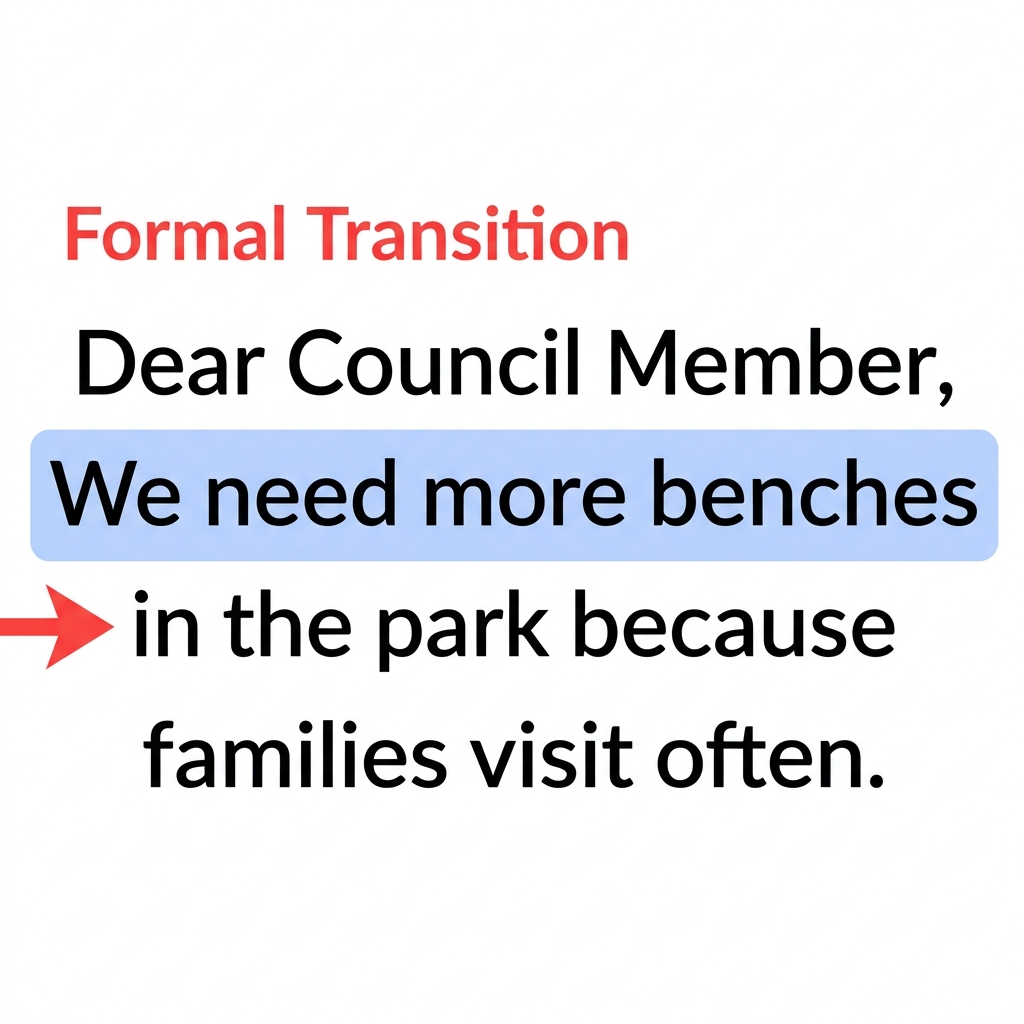
I find this is one of those lessons that really sticks when you use it for a whole-class assignment just before a major project, but it is also excellent for a student who missed the week and needs to catch up on the basics of task management. If a student skips this, you will definitely feel it later when they turn in a half-page summary for a project that required a structured bibliography and multiple perspectives. It is a bit of a dry skill, but once they see the logic in changing their gear, the quality of their work across your other subjects starts to climb. Use it to set the pace before you drop a heavy research assignment on their desks, and you will save yourself a lot of headache during the grading phase.
Consistent application of these standards helps students internalize the process of writing for different purposes. When students know that the classroom supports both quick, daily writing and sustained, project-based writing, they feel more confident. They stop guessing what the teacher wants and start analyzing the prompt to determine the necessary output. This shift in perspective transforms the writing process from a mystery into a manageable and logical academic task.
Related lessons
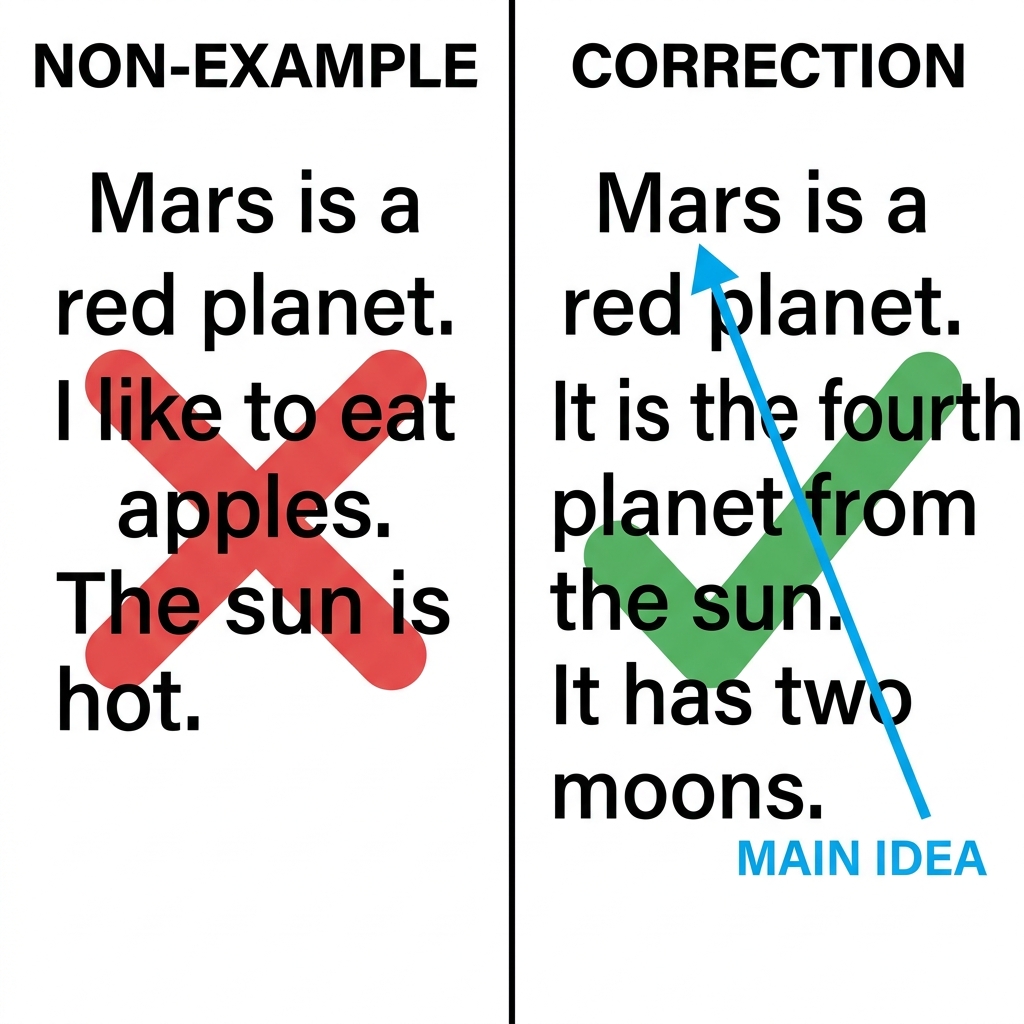
Building Clear Informative Texts, Developing structure and clarity for writing informative academic texts
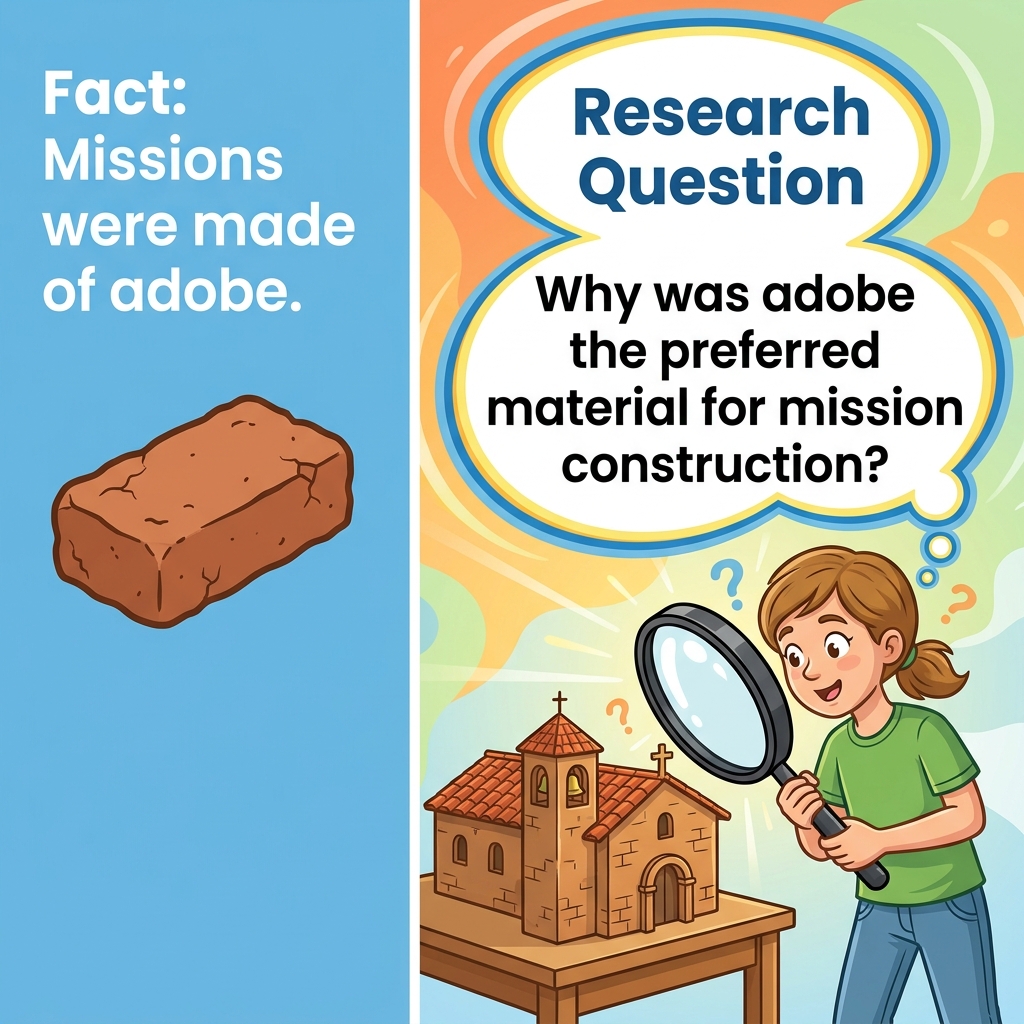
Researching the California Gold Rush, Applying research skills to examine historical events and facts

Writing and Collaborating with Digital Tools, Using technology to write and share work with others