

Time management in the first grade classroom often feels like a balancing act between core instruction and necessary skill-building. When the calendar becomes crowded with competing priorities, oral language practice sometimes slips through the cracks, but these skills remain a necessary component of early literacy development.
Keeping the speaking schedule on track
I know how it feels when you look at the calendar and realize your Speaking and Listening blocks have been pushed aside for more pressing phonics or math interventions. By the time we hit the mid-year mark in districts like Folsom-Cordova Unified, Chino Valley Unified, Walnut Creek Elementary School District, or North Monterey County Unified, these oral presentation requirements often get sidelined. It is a common frustration, but it is exactly where Sharing Our Favorite Rhymes comes in handy. It offers a structured way to hit those essential standards without needing an hour of prep time.
This is a 15-minute lesson designed for a first grade English Language Arts block. If you have a student who missed the week or someone who needs extra support during intervention, this provides a clear pathway for them to meet the objective. It is also a lifesaver for a substitute day when you want the class to continue working on their presentation skills even if you are not there to facilitate the performance.
What the lesson asks students to do
The lesson focuses on a straightforward goal: “We will learn to say a rhyme with happy feelings.” Students move from internalizing the text of a rhyme to performing it for their peers. The core work here is balancing the memorization of simple poems or songs with the actual expression of emotion. It is not just about getting the words right, but about showing the audience that the speaker understands the tone of the piece they are reciting.
For a student who is shy, reciting in front of the group can be a hurdle. This material breaks that barrier down by focusing on the “happy feelings” mentioned in the objective. By keeping the content light and the performance expectation tied to positive expression, it builds confidence for future, more complex public speaking tasks.
Meeting the California speaking standards
The primary standard being served is CA.ELA.SL.1.4, which asks students to describe people, places, things, and events with relevant details while expressing ideas and feelings clearly. It is the bedrock of the California Common Core approach to oral presentation in the primary grades. The lesson also weaves in CA.ELA.SL.1.4.A, which specifies the act of memorizing and reciting these works. These sub-standards are simply the practical application of the parent standard, ensuring your students move beyond reading a script to actually performing it with intent.
Where students slip
I find that my students often rush through their rhymes to get it over with, forgetting that the audience needs to hear the cadence and the emotion. That is where I suggest pausing the class to talk about what “happy” sounds like. Does it mean talking fast, or does it mean smiling while you speak? If you are looking for a first grade shared research writing lesson alternative that focuses on oral performance instead, this is the right place to start. It is a simple tool, but it forces them to slow down and consider their listener, which is a rare enough skill in a room full of seven-year-olds.
Related lessons
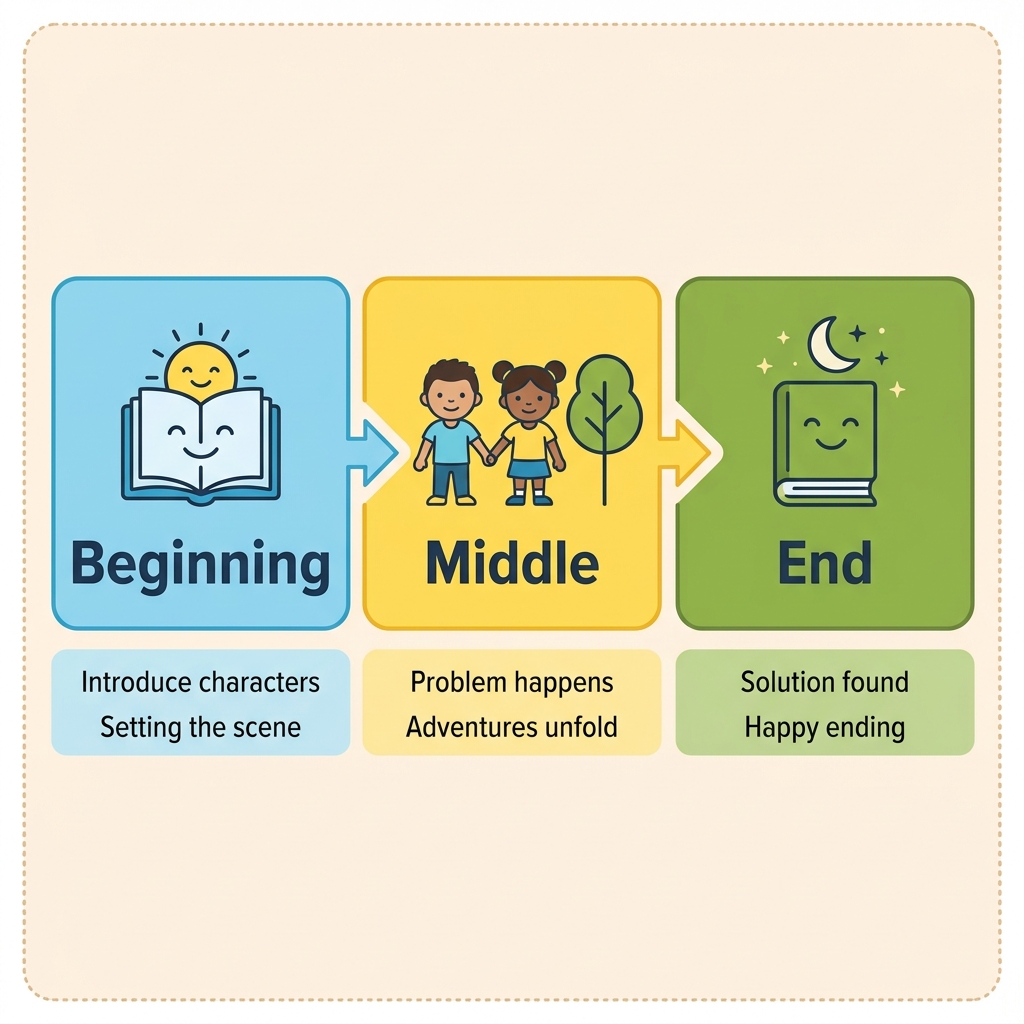
Retelling Stories, Helping students practice narrative retelling with clarity and descriptive detail

Adding Details to Our Writing, Guiding students to include specific information in their written work
Telling a Story, Developing oral storytelling skills through sequence and expressive language