

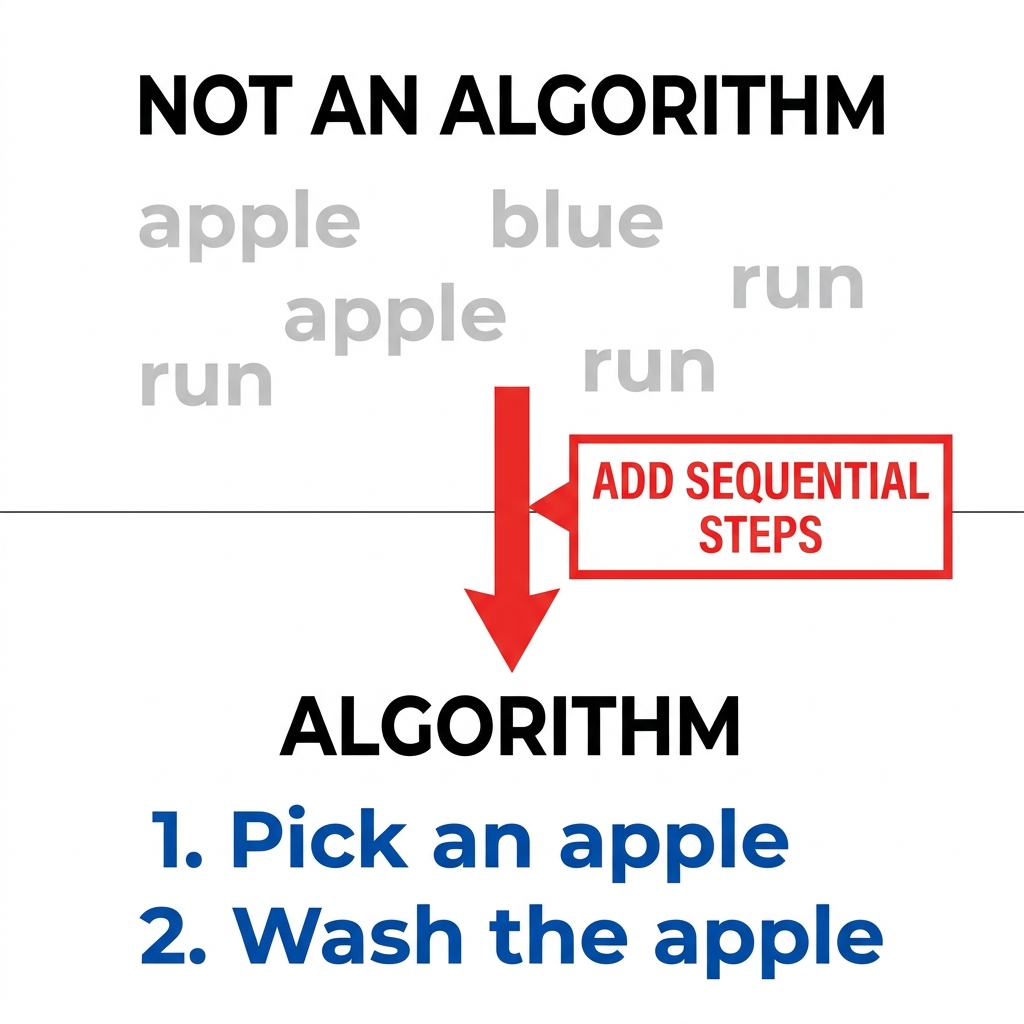
When we start teaching young learners about algorithms, they often assume we are talking about complex coding languages or secret math symbols meant for adult computer scientists. They get intimidated by the word itself before they even realize they use algorithms dozens of times every single morning. This lesson, Following and Creating Algorithms, does not try to introduce programming syntax or digital interface design. Instead, it starts with the reality of the classroom: pencils need to be sharpened to do work. It grounds the concept in the physical world so students can grasp the logic without feeling overwhelmed by technology.
In this second grade computer science lesson, students learn that an algorithm is simply a set of instructions designed to finish a specific task. By looking at familiar scenarios, like the steps required to brush teeth or the sequence needed to draw a square, students see that the order of operations is the key to success. The vocabulary is introduced clearly: an algorithm is a set of instructions that tells you exactly how to finish a task, while a sequence defines the order in which those steps must happen. Teachers in San Diego Unified, Mt. Diablo Unified, Sunnyvale School District, and El Monte City School District use this same approach to show that algorithms are the backbone of many professional fields, from the recipes chefs follow to the blueprints construction workers use to build homes.
Understanding sequences helps students organize their thoughts. When they realize that brushing their teeth requires a logical order, they see the connection between their actions and a successful outcome. This realization helps them see that algorithms are not abstract, scary, or remote concepts reserved for experts. They are practical tools for problem solving that anyone can use at any time. When we break down the process of brushing teeth into specific, ordered actions, we turn a daily habit into a logical framework. This makes the leap to computer programming feel smaller and much more manageable for a second grader.
Refining the sequence of steps
One of the biggest hurdles for second graders is the tendency to jump over intermediate steps because they assume the final outcome is self-evident. They might say, draw a square, without noting that the lines must connect or that they need to stop at corners. This lesson, which is an excellent computer science algorithms lesson for kids, forces them to slow down and document every part of the process. When they practice teaching a friend how to draw a square, they quickly realize that a missing step causes the entire project to fail. It is a fantastic lesson for whole-class instruction or for a student who missed the week and needs a concrete entry point back into the computer science curriculum.
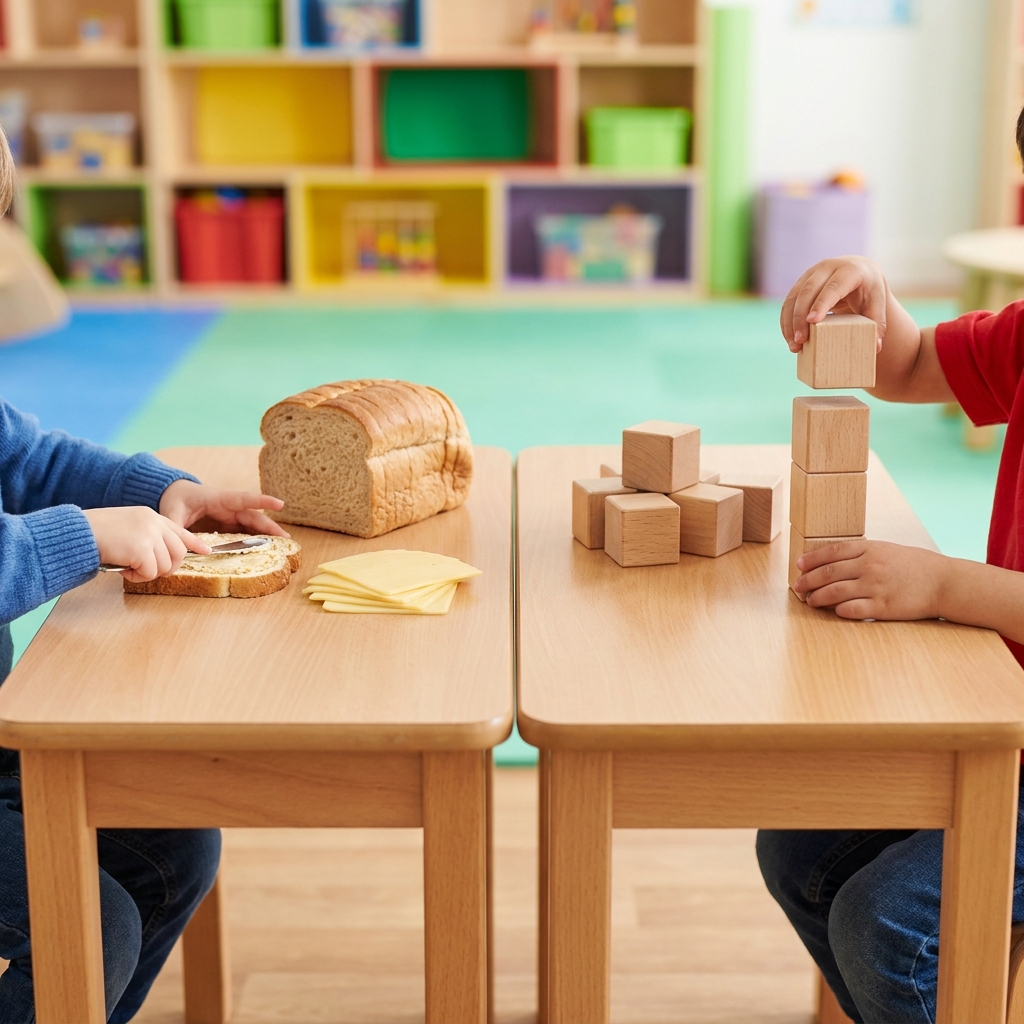
Errors in logic become teaching moments during these exercises. When a student leaves out the instruction to turn the pencil after drawing a side of a square, the peer following the instructions creates a line that continues in a straight path rather than a corner. This immediate feedback loop shows students the consequences of a faulty algorithm. They learn that the computer, in this case their friend, can only do what is explicitly stated. If the instruction is vague, the result is messy. This builds patience and attention to detail. Students begin to value the precision of their language. They stop rushing and start thinking about the listener or the reader of their instructions.
Meeting the California standard
The core objective here is to have students model daily processes by creating and following algorithms. This work maps directly to CA.CS.K-2.AP.10, which is the California-adopted standard for the Algorithms and Programming domain. This specific standard asks students to move beyond just understanding a list of steps by actually creating their own algorithms for real-world tasks. It is not just about listening to instructions, but about becoming the architect of the process. I find this helps students internalize that computers are only as smart as the instructions we provide them.
Aligning classroom activities with state standards helps ensure that students receive a consistent education. When teachers focus on CA.CS.K-2.AP.10, they are helping students develop foundational logical skills that apply far beyond computer science. These students learn to organize their thinking in ways that help them in mathematics, reading comprehension, and science. By the time they leave second grade, they should be comfortable articulating their own sets of instructions for simple tasks. This is a skill that continues to pay dividends as they advance into higher grade levels where complex systems require clear, logical, and sequential thinking.
Integrating the lesson
Because the instruction is so visual and centered on familiar physical tasks, this lesson is perfect for a substitute day when you want students to keep their momentum without needing to log into complex software. It requires only paper, pencils, and the students’ own ability to break down movements. I recommend giving students plenty of time for the guided practice portion, as the errors they make while teaching a peer to draw that square are the exact moments where the logic starts to stick. Watching them correct each other on the sequence of pen strokes is where the real learning happens. It is a humble, effective lesson that keeps the focus on the thinking process rather than the final product.

As you plan your next week of instruction, remember that these activities do not require significant prep time or expensive materials. Students can engage with the concept of algorithms using only the items already present in their desks. By stripping away the screen, you allow the logic of the algorithm to stand on its own. This reduces cognitive load and allows the students to focus entirely on the sequencing and the articulation of the steps. Keep the focus on the task of creation, and you will see students gain confidence in their ability to define, refine, and test their own logical sequences.
Related lessons
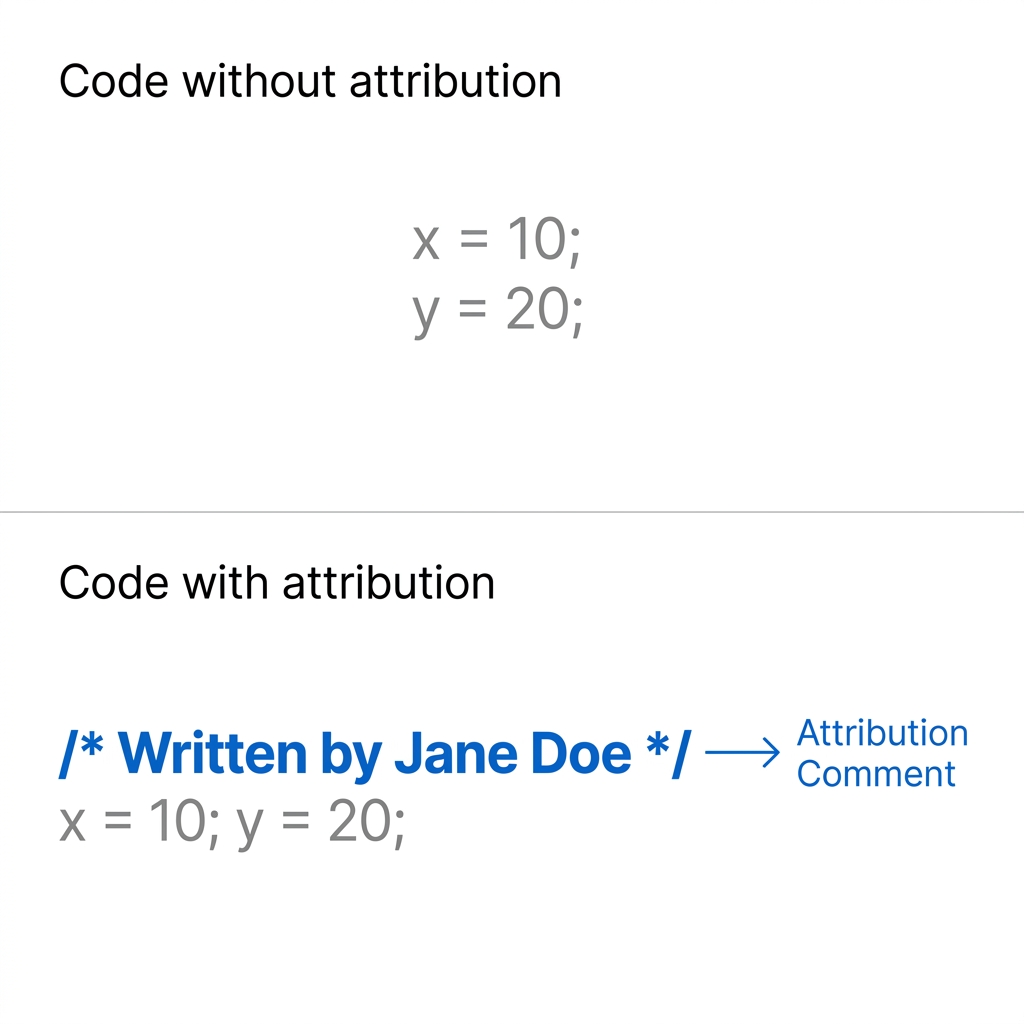
Giving Credit for Code, Discusses citing sources and giving credit for created computer code
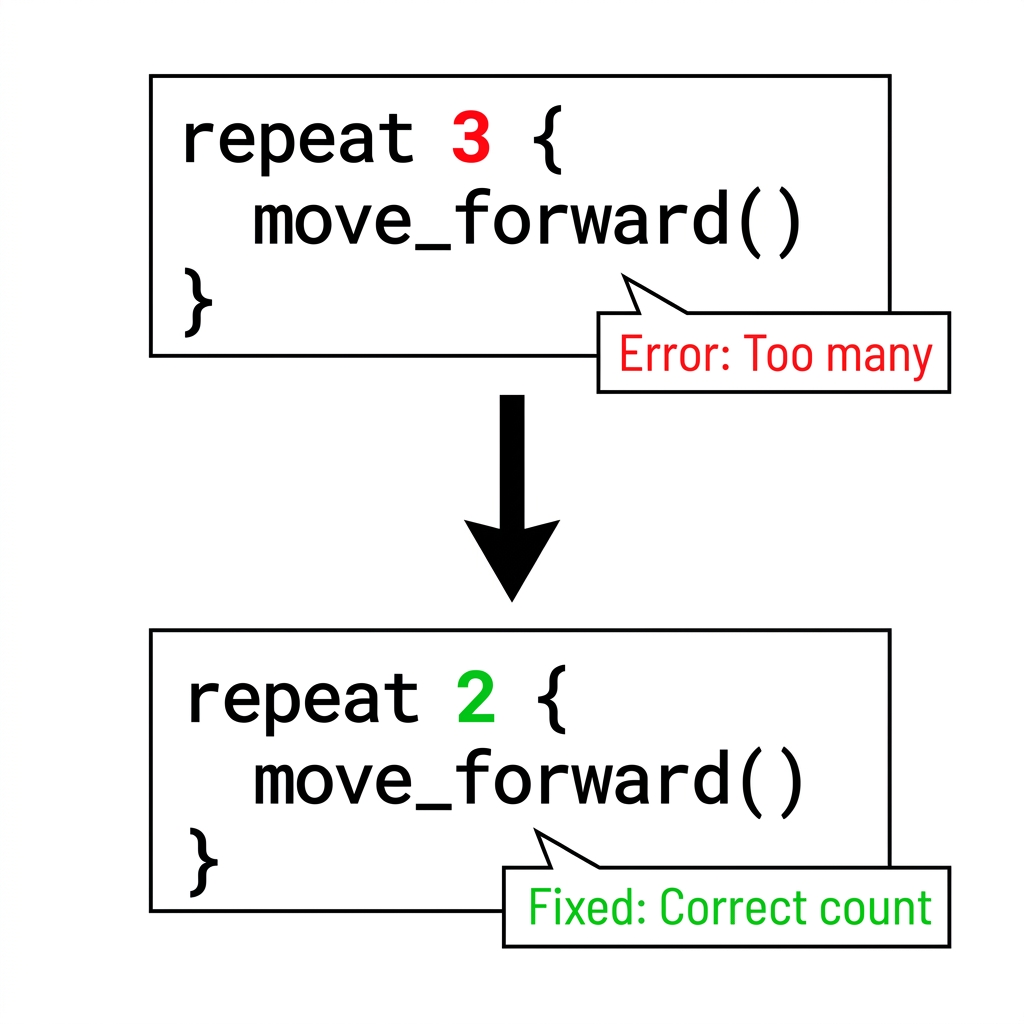
Fixing Mistakes in Computer Programs, Teaches the process of identifying and correcting errors in programs
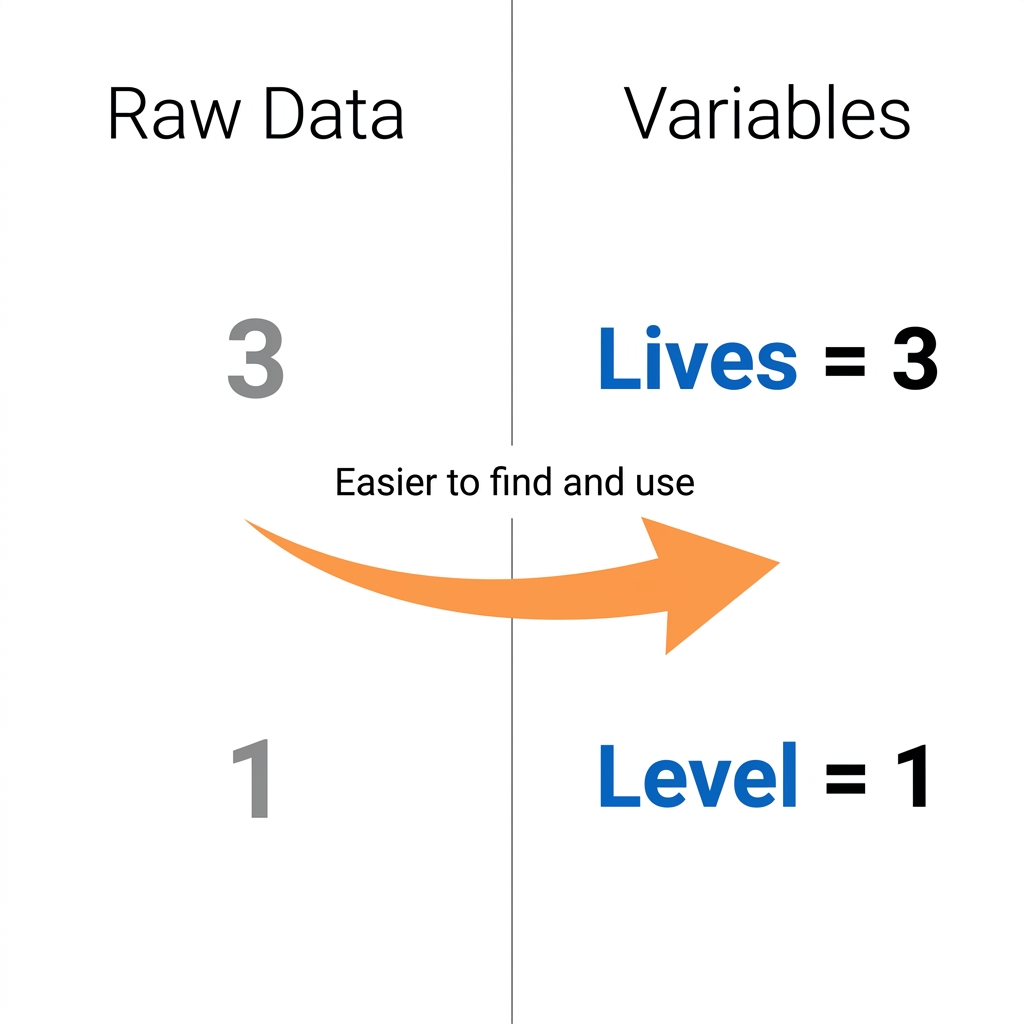
Storing Data with Variables, Introduces the concept of using variables to store program data