

…and that is why I finally settled on Comparing Stories for the second grade English Language Arts rotation this week. You know how it goes with this age group: they are great at identifying characters and plot points in a single narrative, but asking them to track those same elements across two different books can feel like a heavy lift for some of them. This lesson hits that sweet spot by explicitly guiding them through the mechanics of comparison.
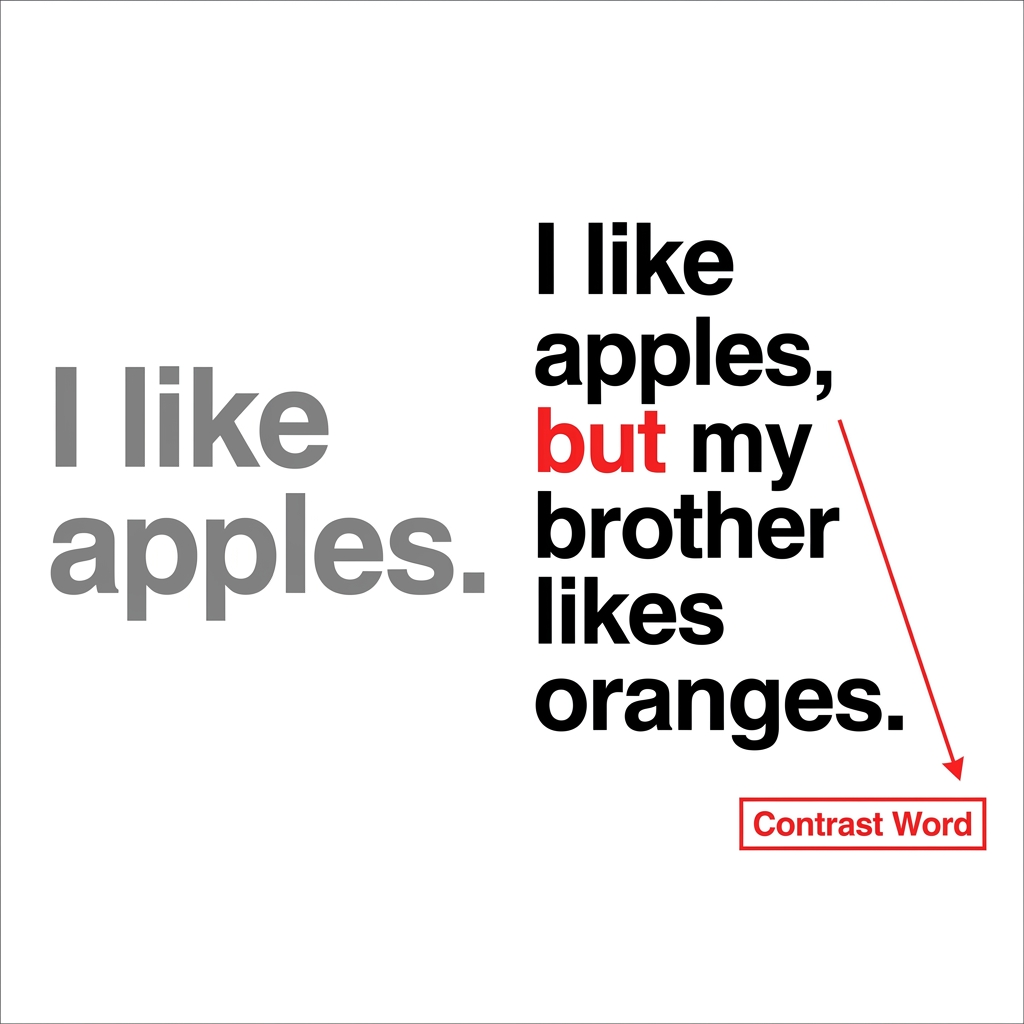
The objective here is straightforward. The lesson asks students to examine how plot, characters, and settings shift or remain stable when a story is retold by different authors or from different cultural perspectives. It introduces the vocabulary clearly: to compare is to find the common ground, while to contrast is to pinpoint the differences. The lesson leans on familiar archetypes to make this bridge. For example, it uses the kindness of Cinderella and the character Nyasha in Mufaro’s Beautiful Daughters to show students how to identify thematic similarities across different versions of a narrative. It is a solid, focused approach that respects their cognitive load while pushing them toward deeper literary analysis.
Understanding the integration of knowledge
The lesson aligns with CA.ELA.RL.2.9, which is the California-adopted standard for the integration of knowledge and ideas. This standard specifically calls for students to compare and contrast two or more versions of the same story, such as various Cinderella tales, by different authors or from different cultures. It is the same standard taught in Folsom-Cordova Unified, Ontario-Montclair School District, Rim of the World Unified, and Madera Unified. I have always liked this standard because it moves kids away from simple recall and forces them to weigh evidence between texts. By requiring them to look at how different versions handle a familiar plot, it validates the idea that stories are malleable things.
The lesson includes a why-it-matters section that is actually worth sharing with the kids. It points out that being able to contrast texts is a life skill, noting that when we read different news reports about the same event, we have to discern if the reports align or if certain details were omitted. It is a nice way to frame the standard as more than just a classroom exercise. It connects the work to the broader habit of mind needed for critical thinking outside the school building.
Where the time goes in the classroom
Expect to spend about 45 minutes on this, though keep in mind that the pacing depends heavily on your class’s familiarity with the specific stories being compared. The opener effectively uses prior knowledge: it reminds students that they already know how to pull out characters and plot events, and that we are now simply applying that established skill set to a dual-text format. It is a gentle lead-in that helps them feel confident before the real work begins.
During the guided practice, the class works through two versions of Hansel and Gretel. This is where you will want to circulate. Some students will immediately want to focus on the trivial differences, like what color a character’s hat is. Your job here is to nudge them toward the significant structural differences. Are the motivations of the characters the same in both versions? Is the ending handled differently? These are the questions that make the second grade shared research writing lesson structure pay off.
Watching for student slips
One caveat I always watch for with this lesson: some students struggle to hold the information from the first story in their working memory while they start reading the second one. If you have students who are prone to that, I suggest keeping an anchor chart on the board where you jot down the characters and settings from the first book as you read. Seeing those items in a list helps them move through the contrast phase without feeling like they have to rely entirely on their memory. It makes the task accessible for kids who might otherwise get overwhelmed by the sheer volume of information.

This lesson is a great fit for a variety of needs. It works well as a whole-class assignment to start a unit, but it is also fantastic for a student who missed the week and needs to get back on track with literature standards without feeling like they are doing “extra” work. It is also a very manageable plan for a substitute day if you are out of the building. The structure is clean enough that a guest teacher can facilitate the compare-and-contrast conversation without needing a mountain of context.
The lesson is not trying to do too much. It sticks to the standard and provides enough examples that the kids can see the pattern of the work before you set them loose on the Hansel and Gretel comparisons. It is one of those reliable tools that doesn’t overcomplicate the teaching process. If your students are ready for more than just summarizing, this is a clean way to step into analysis.
Related lessons

Finding the Main Idea and Lesson, identifying the main idea and lessons within short stories

Asking Questions About Stories, learning to ask and answer questions about literary texts

Understanding Stories with Words and Pictures, analyzing how illustrations and words combine to convey meaning