


We have all heard it. A student stands up to read aloud, finds a string of dialogue, and races through it with the exact same monotone drone they use for the narrations. The words on the page clearly indicate that two different people are talking, yet the reader sounds like a robot recording a traffic report. It is the most common hurdle for emerging readers who are still focused so heavily on decoding individual words that they lose the ability to perform the actual meaning of the text. When the page reads like a flat list of sentences rather than a conversation, they miss the heart of the story.
Second grade English Language Arts is a prime time to shift that focus from just decoding to expressive interpretation. Reading with Character Voices tackles this problem head-on by teaching students that vocal expression is how we tell the audience exactly who is speaking and how they are feeling in the moment. The lesson starts with a simple, relatable scenario: a teacher reading a story about a grumpy bear and a happy rabbit. By contrasting these two personalities, the lesson demonstrates that your voice is a tool you control.
What this lesson asks of your students
The core of this lesson is built around the concept of dialogue. The material defines dialogue as the words characters speak to each other. Once students grasp that these lines are a script, they can start to play with their tone, volume, and pacing. The second grade shared research writing lesson structure here is very straightforward. It provides a worked example where a brave knight announces his intention to save the day. Students are shown how a loud, clear voice communicates confidence and strength, which is a perfect contrast to a shy or quiet character.
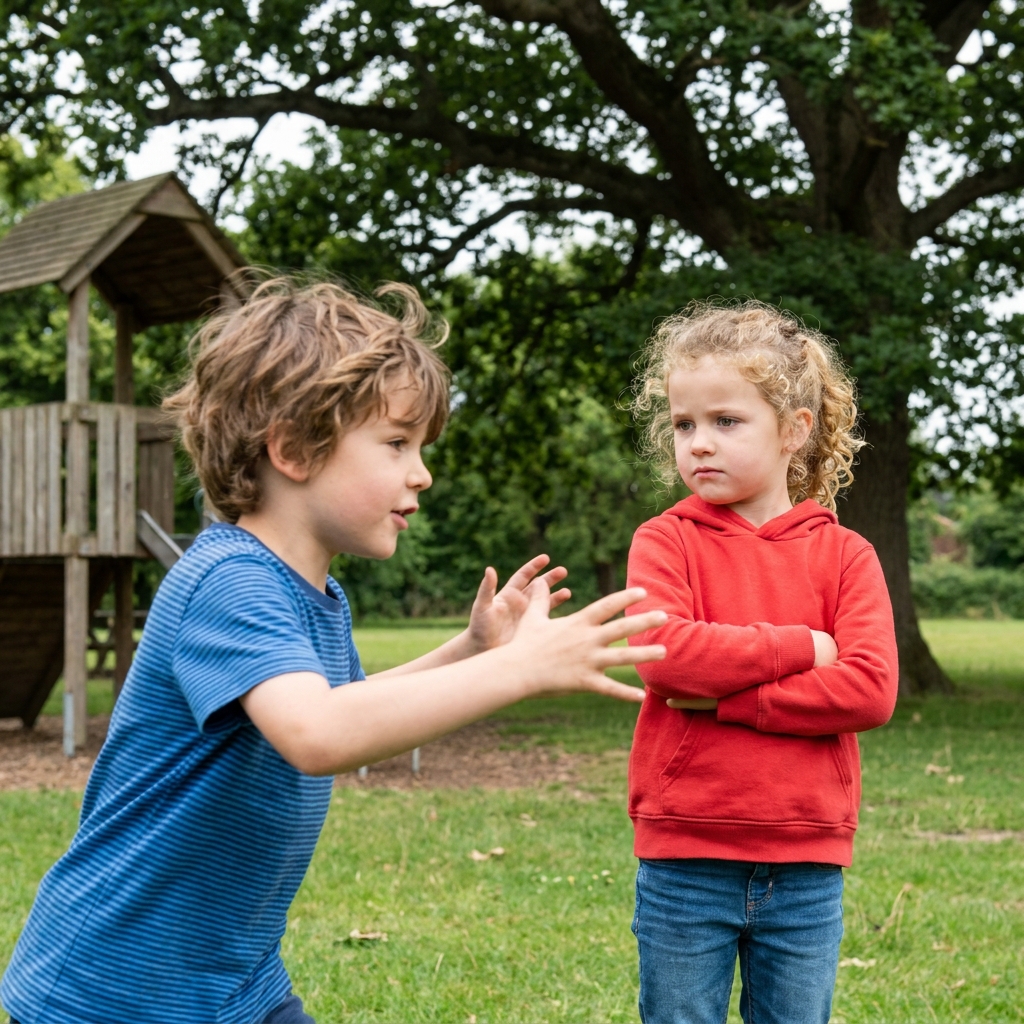
The lesson then moves into guided practice using a passage about a hungry fox and a clever crow. This gives your students a chance to try on these personas without the pressure of reading an entire novel. By practicing these short, focused chunks, they learn to stop and think about the character before they open their mouths. Educators in Fresno Unified, Mt. Diablo Unified, Sulphur Springs Union School District, and Encinitas Union Elementary School District all rely on these strategies to ensure students meet the same California-adopted standards for literature and expression.
Aligning with state standards
This work is directly tied to CA.ELA.RL.2.6, which asks students to acknowledge differences in the points of view of characters, including by speaking in a different voice for each character when reading dialogue aloud. In the California Common Core framework, this standard sits within the Craft and Structure cluster. It is not just about entertainment or putting on a show; it is about building the metacognitive bridge between recognizing a character perspective and physically enacting that perspective through oral reading. When a student chooses to deepen their voice for a grumpy bear or sharpen their tone for a clever fox, they are proving they understand the difference in the points of view at play.

I have found that this works best as a whole-class assignment before you move into small group rotations. It is also a fantastic resource for a substitute day because the instructions are clear enough for a guest teacher to facilitate without needing deep prior knowledge of your current reading unit. If you have a student who missed the week and needs to catch up on their fluency goals, sending them to this lesson for a focused 45 minutes can provide exactly the targeted practice they need to get back on track. It is a specific, manageable skill that builds a surprising amount of confidence in students who are usually hesitant to read aloud in front of their peers.
One caveat to keep in mind is that some students will go over the top with their accents or sound effects. That is actually part of the process. I always encourage them to lean into the silliness first, then pull them back to see which choices actually help the audience understand the story better. It is about refinement, not suppression. Once they realize that the voice is a way to serve the story, they stop worrying about how they sound and start focusing on who they are pretending to be.
Related lessons
Finding the Moral of a Story, Teaches students how to identify the lesson in a story

Understanding Stories with Words and Pictures, Analyzes how illustrations support text to convey deeper meaning
Comparing Stories, Guides students in identifying similarities across different literary works