

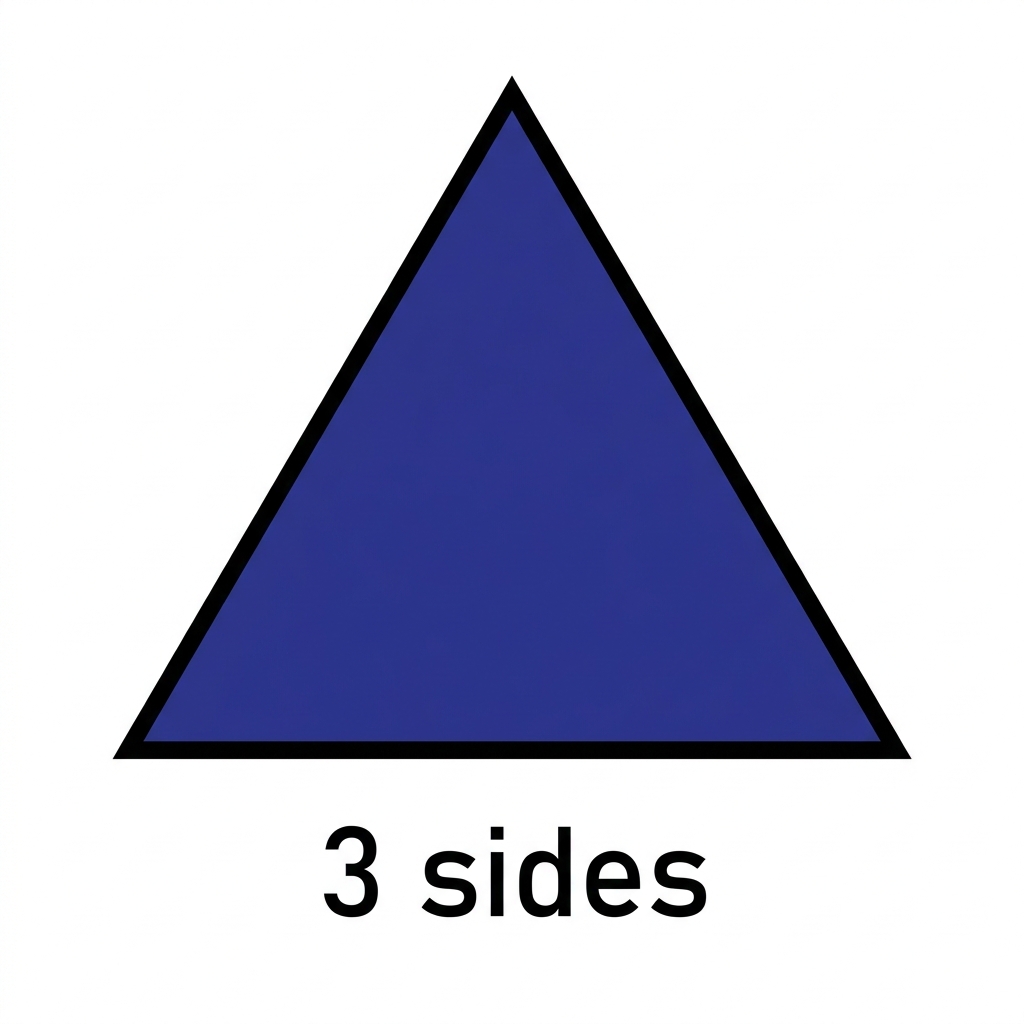
It is almost comical how often a first grader will insist a triangle is not a triangle simply because it is pointing a different way or colored bright red instead of blue. Students get hung up on what I call the flavor of the shape rather than its structure. They see a long, thin triangle and a squat, wide one and struggle to believe they belong in the same family. It is a persistent hurdle in Shapes and Their Sides, but it is one that makes perfect sense from their developmental vantage point.
First grade math is where we transition students from recognizing a shape as a whole object to analyzing its specific, immutable parts. This lesson helps your students isolate defining attributes, like having three sides and three corners, from non-defining attributes like color, size, or orientation. The core concept is simple: I can name shapes by their sides and corners. Students start by identifying standard shapes and then work to distinguish those essentials from the surface-level details that usually distract them. When they finally stop calling a shape a square just because it is blue, you know the lightbulb has gone off.
Understanding defining attributes
The lesson focuses on the California-adopted standard CA.MATH.1.G.1, which asks students to distinguish between defining attributes and non-defining attributes. This means they must learn that triangles are closed and three-sided, whereas things like color or size do not change the classification of the shape. Teachers in Lodi Unified, Twin Rivers Unified, Martinez Unified, and Greenfield Union Elementary School District all rely on this same clear standard to ensure students build a solid foundation in geometry. Being able to build and draw shapes that possess these defining attributes is the practical application that cements the theory for the class.
Where students slip
The biggest roadblock I see is orientation. If you show a square rotated forty-five degrees, many students will confidently call it a diamond. It is not because they are not trying, but because their brains are prioritizing the visual gestalt over the geometric definition. This lesson is built to head that off by explicitly asking students to look at the count of sides and corners rather than the way the shape is positioned on the page. I suggest having students use physical manipulatives to rotate the shapes themselves. When they physically turn a square, they can see that the four sides remain four sides, regardless of whether the vertices are at the top and bottom or left and right.
When to assign this
This is a quick, fifteen-minute activity that works perfectly as a whole-class assignment to kick off your geometry unit. If you have a student who missed the week of instruction, this is the perfect resource for them to catch up on the basics of identifying polygons. It is a great intervention piece for those who are still struggling to move beyond surface-level shape recognition. I find that it is best used after an introductory conversation where you have already let them play with pattern blocks, as this first grade geometry lesson offers the specific structure needed to codify their observations into real mathematical language.
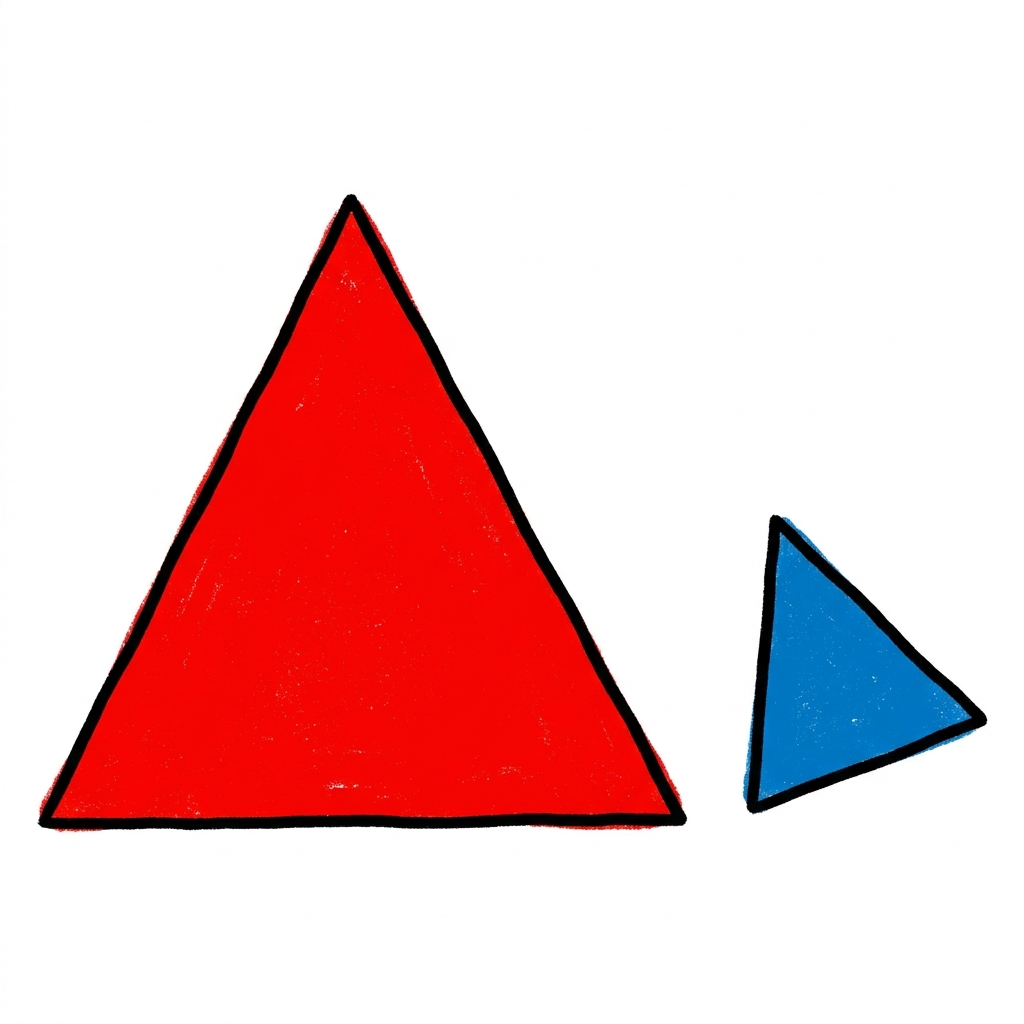
Do not be surprised if they still want to call a tilted square a diamond for a few days. The beauty of this lesson is that it provides a recurring, low-stakes way for them to re-check their own work. Eventually, the language of sides and corners replaces the guess-and-check method they start with. It is refreshing to watch them move from intuition to definition.
Related lessons

Long, Longer, Longest, Comparing the lengths of different objects using descriptive vocabulary

Ten More and Ten Less, Understanding place value by finding ten more or less
Tens and Ones, Breaking down numbers into their tens and ones components