

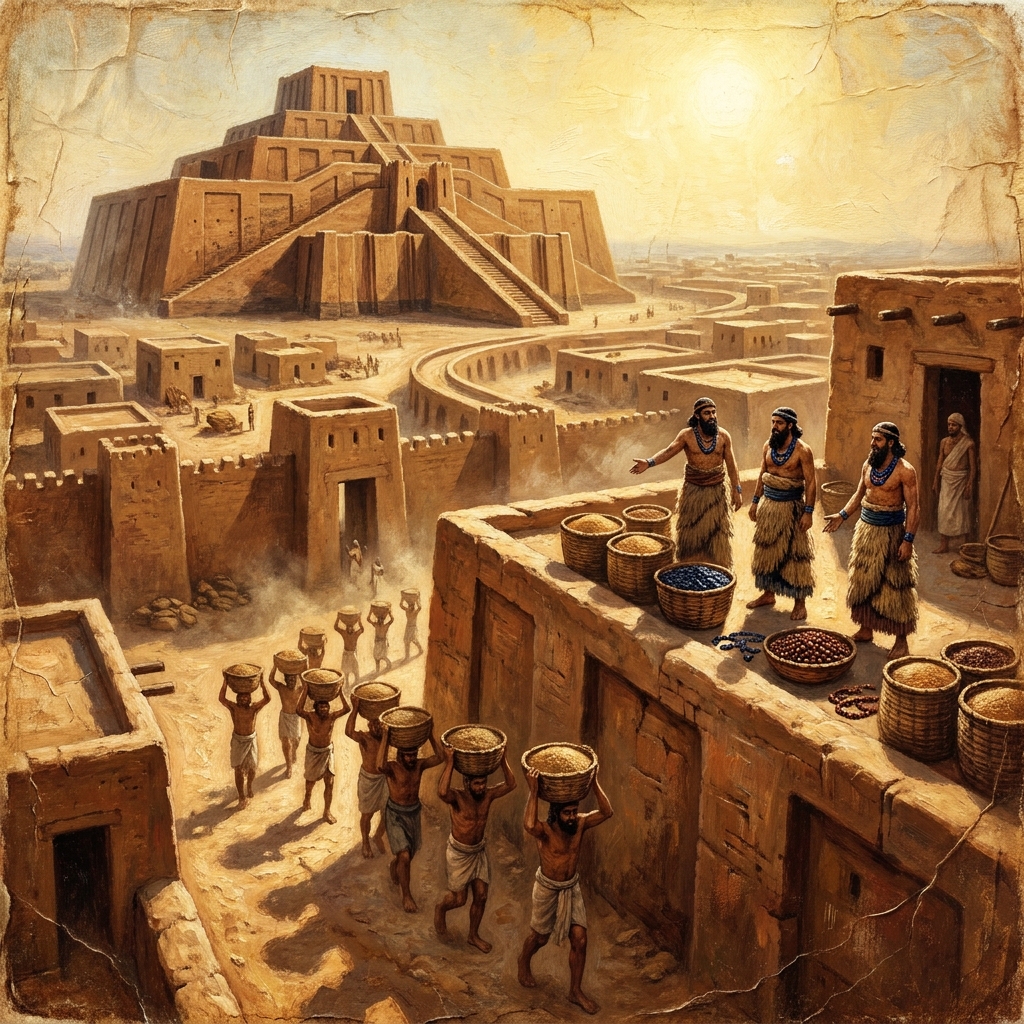
Teaching sixth-grade social studies often requires finding the right balance between broad historical concepts and specific, tangible examples that students can grasp. This lesson on religion and power helps students trace the line between faith and governance in the earliest civilizations. By examining how ancient Mesopotamian and Egyptian leaders used religious beliefs to organize their societies, educators can provide a clear entry point into complex discussions about social hierarchy and political legitimacy.
How belief systems dictated structure
When we look at Religion and Power in Ancient Civilizations, we are asking students to identify the connection between what people believed and how they behaved as a society. The lesson opens with a scenario about grain distribution in Mesopotamia, where temple priests used their authority to decide how families received food. It is a simple way to show students that in these early communities, a village leader or priest acted as a gatekeeper for basic survival. From there, the lesson moves into definitions for key terms like social hierarchy, theocracy, ziggurat, and pharaoh. These definitions serve as the building blocks for the rest of the unit, ensuring every student has the vocabulary needed to analyze power dynamics in the ancient world. The classroom environment changes when students stop viewing these ancient people as myths and start viewing them as administrators of survival, constantly managing resources through the lens of their religious obligations.
The standard at the core of the lesson
The lesson aligns with CA.HSS-6.2.3, which is the California-adopted standard asking students to understand the relationship between religion and the social and political order in Mesopotamia and Egypt. This is a foundational expectation for the year, and you can be confident that the same requirement is being addressed in Riverside Unified, San Juan Unified, Walnut Valley Unified, and Colusa Unified. The standard is part of the larger study of ancient civilizations, requiring students to move past just memorizing names of gods or types of buildings and instead analyze the systems those things created. The lesson does a good job of grounding this abstract idea in reality by asking students to look at how a ziggurat functioned not just as a religious space, but as a central hub for managing city wealth. When students analyze the ziggurat as an economic center, they begin to see the practical implications of theology. It forces them to reconcile the spiritual purpose of the building with the physical reality of stored grain, scribes, and tax collection, which is exactly the kind of critical thinking the standard demands.
What students should watch for while working
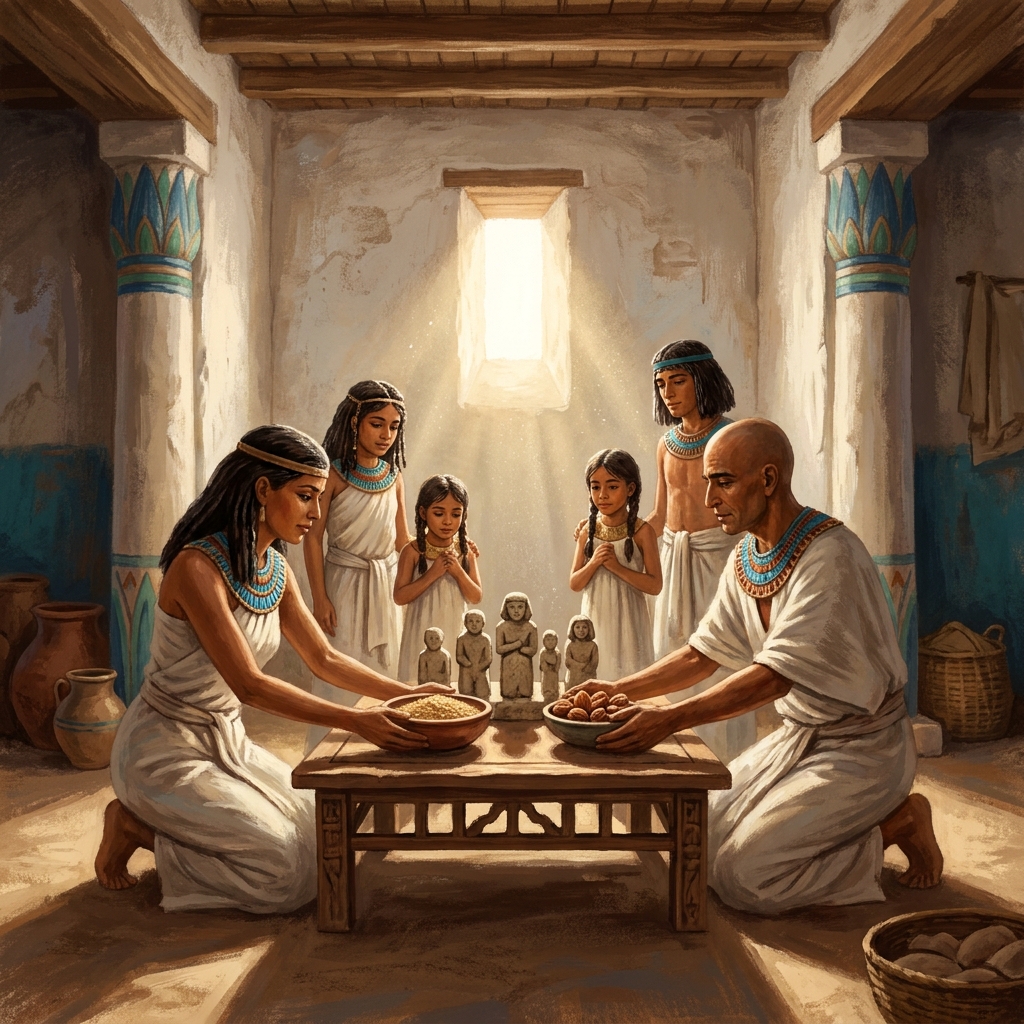
When your students work through ancient history lessons on religion, they may struggle with the idea that religion and government were not separate categories of life. I often see students try to map our modern ideas of secular government onto these ancient structures, which leads to confusion. You might find it useful to emphasize that for an ancient Egyptian, the pharaoh being a living god was not a metaphor. It was the logic that kept the society from falling apart during times of drought or famine. The lesson handles this well during the guided practice, which asks students to consider how grain storage was framed as a divine blessing rather than just a smart agricultural policy. This perspective is vital for them to grasp before moving into more complex studies of later empires. By reinforcing that the pharaoh served as the ultimate guarantor of order, students can better understand why the population accepted these rigid hierarchies without constant rebellion.
Fitting this into your weekly plan
This resource runs about 45 minutes, making it a flexible choice for a whole-class assignment when you are introducing these units. It also serves well as an independent study tool for a student who missed the week of lectures on early Egypt or Mesopotamia. Because the text is structured clearly, it is also a reliable option for a substitute day when you need to ensure the class stays on track with the curriculum. The primary caution I would offer is to keep an eye on how the students connect the why-it-matters section to their own experiences. The lesson encourages them to see how beliefs shape laws today, but it is easy for them to veer into opinion without connecting it back to the ancient examples. Push them to keep citing the ziggurat or the pharaoh as their evidence when they discuss why authority exists. If you find students struggling to grasp the material, have them re-read the section on temple priests and grain distribution. This specific example of theocracy remains the clearest entry point for understanding how early rulers combined spiritual authority with physical resource management. It reinforces the core lesson: in early civilizations, power was not just about force, but about controlling the narrative of survival through religious belief.
Related lessons
Foundations of Jewish Identity, Discusses the core beliefs and historical development of early Jewish traditions
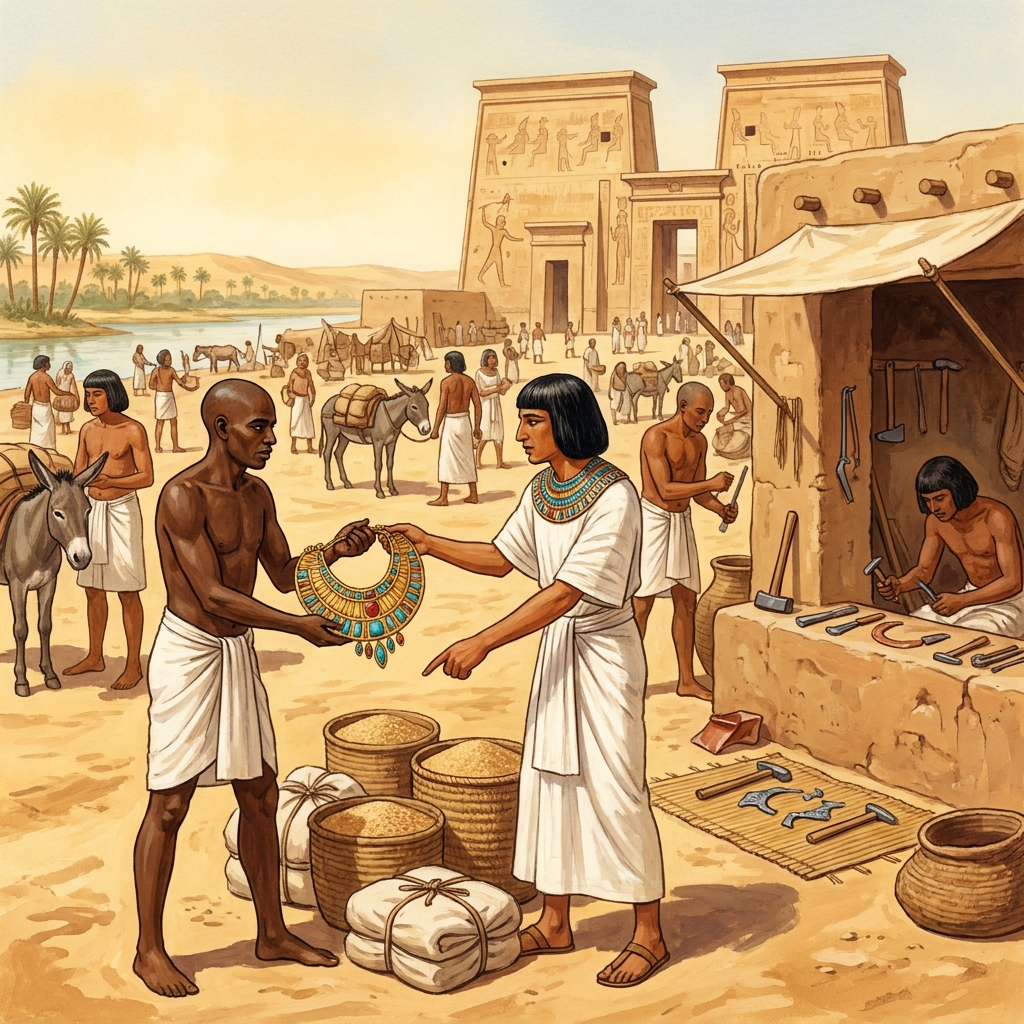
The Nile Neighbors: Egypt and Kush, Compares the political and cultural developments of Egypt and neighboring Kush
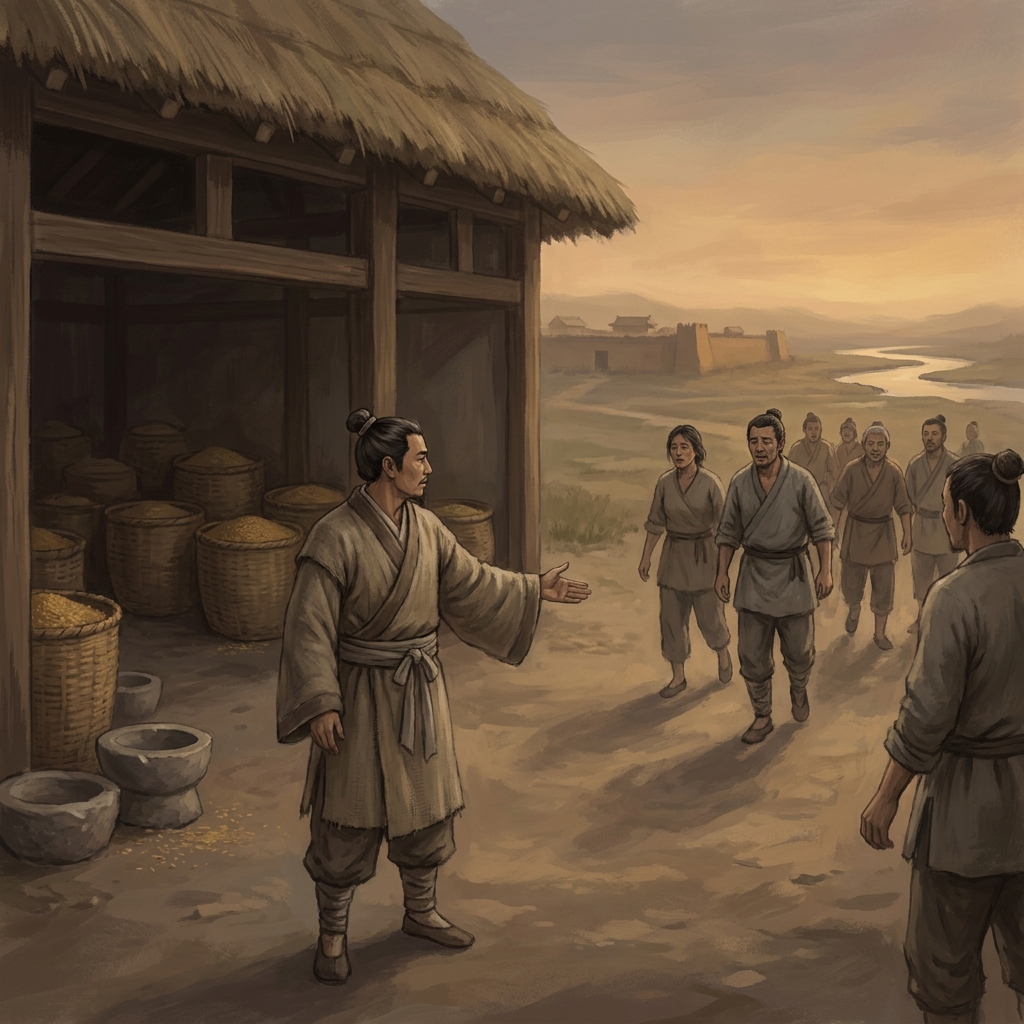
Confucius and the Path to Harmony, Examines the teachings of Confucius and their impact on Chinese social order