

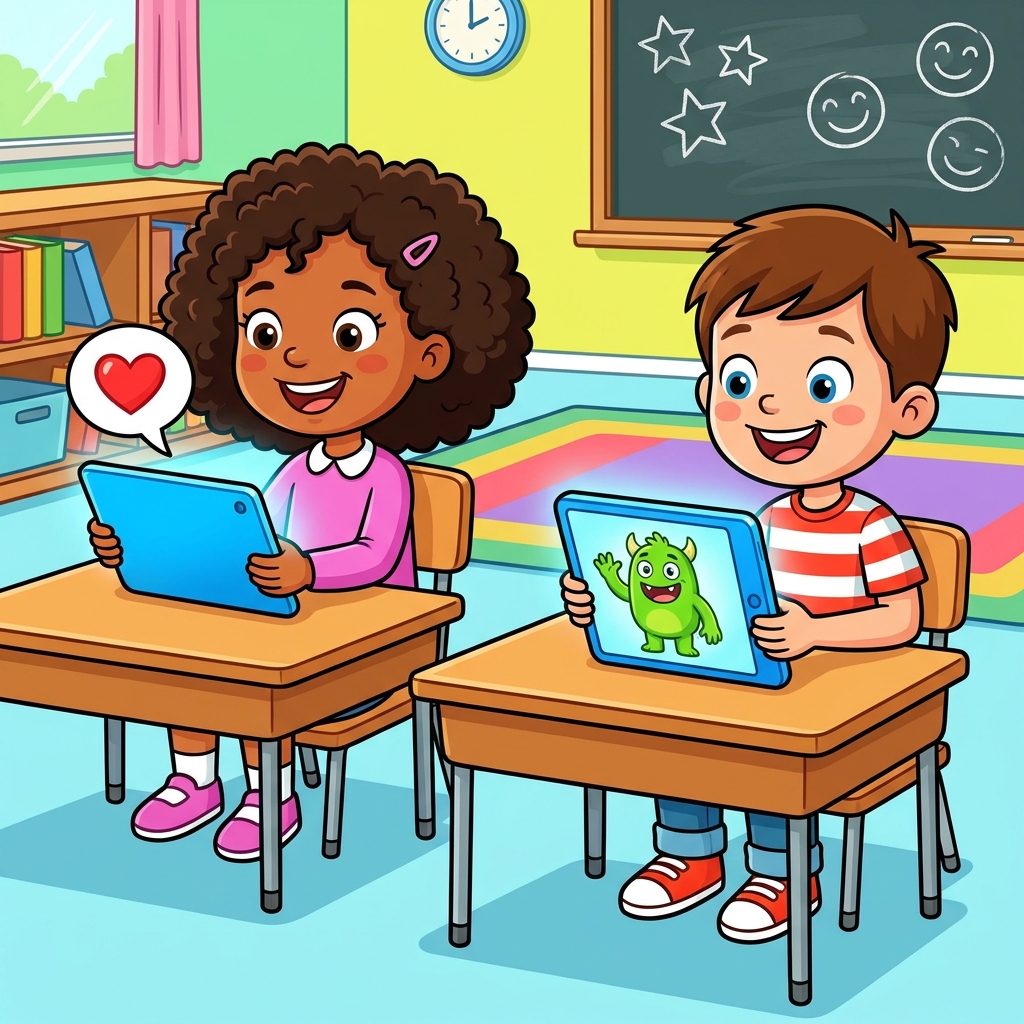
Last week, a student walked up to my desk, worried because they saw something mean in a group chat. It is a common situation now even for first graders who are just starting to interact with digital platforms. I started looking for a resource that treats online kindness as a habit rather than a lecture, and Being Kind Online hits that mark well. It is a short fifteen-minute lesson designed for first grade computer science that gets straight to the point.
Students start by discussing what it means to be a good friend in the physical classroom. The transition to digital spaces happens quickly because the core concept is simple: I will learn how to be kind to friends online. The material does not overwhelm the students with jargon. Instead, it focuses on simple, actionable choices they make when typing, sending, or sharing content. It is the kind of first grade computer science lesson that works best when you keep the conversation focused on their real-life relationships.
Setting the standard for digital respect
The lesson maps directly to CA.CS.K-2.IC.19, which is the California-adopted standard for the Impacts of Computing domain. This specific standard asks students to work respectfully and responsibly with others when communicating electronically. Whether your students are at Elk Grove Unified, West Contra Costa Unified, Hesperia Unified, or Eastside Union Elementary School District, they are all navigating these same digital expectations. The standard is fundamentally about teaching kids that the keyboard does not change the human on the other side of the screen. I appreciate how this lesson emphasizes that responsibility is just as important as respect. It teaches that being a kind peer is a digital skill that requires the same effort as being a kind classmate in the lunchroom.
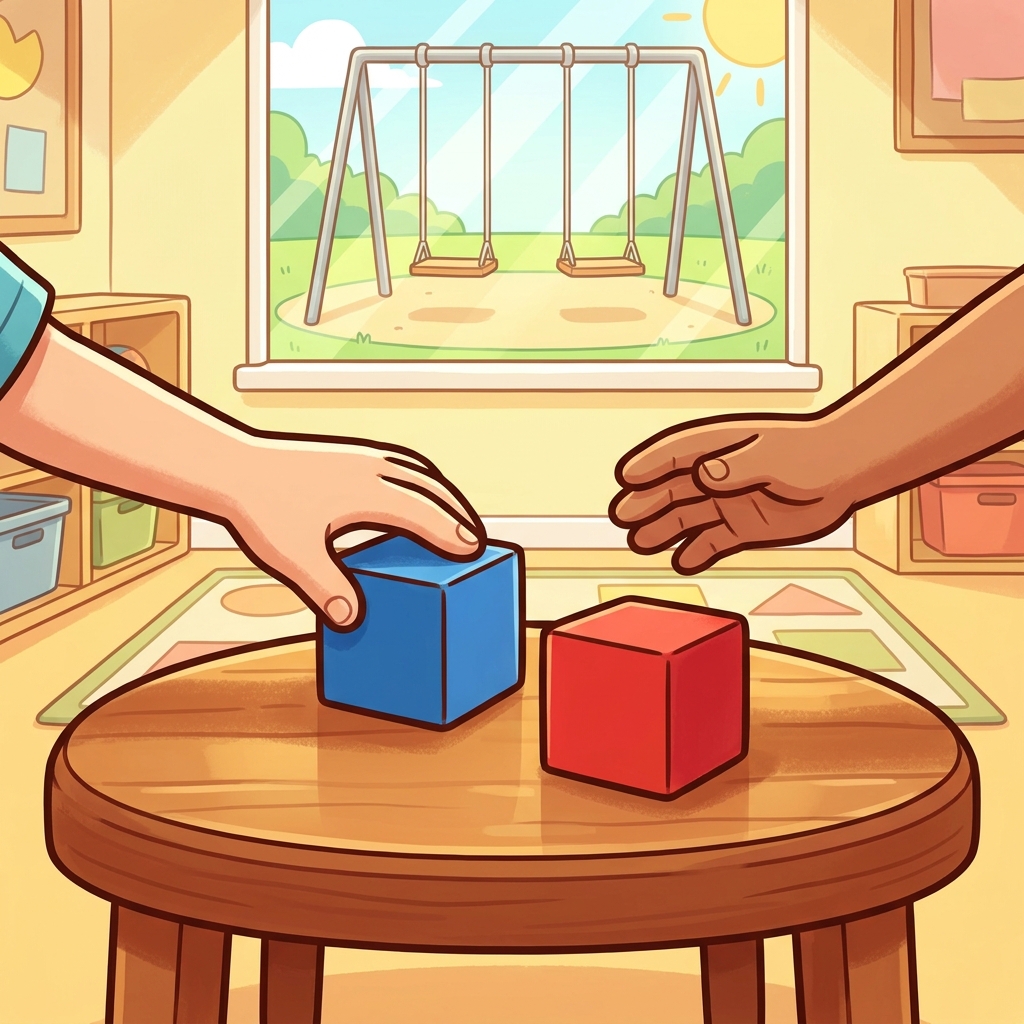
When I go through this with a class, I find it useful to emphasize that words sent electronically are permanent. First graders sometimes treat a message like a whisper that vanishes. This lesson provides the structure to explain that their digital footprint starts now. I make sure they understand that kindness is the default behavior even when they are not in the same room. I have found this to be a great fit for a quick intervention, a simple whole-class assignment on tech etiquette, or even a solid choice for a substitute day when you want students to focus on soft skills in a digital environment.
Supporting students during practice
The lesson does not take a long time to get through, which is its biggest strength. You have fifteen minutes, so you should avoid long-winded explanations. I prefer to walk around while they are working on the material. If a student is stuck, I ask them to think about how they would feel if they received the message they are drafting. It turns the technical act of typing into an exercise in perspective-taking. If you have a student who is particularly impulsive with their communication, have them use a draft box before hitting send. It slows down the process just enough to trigger that sense of responsibility.
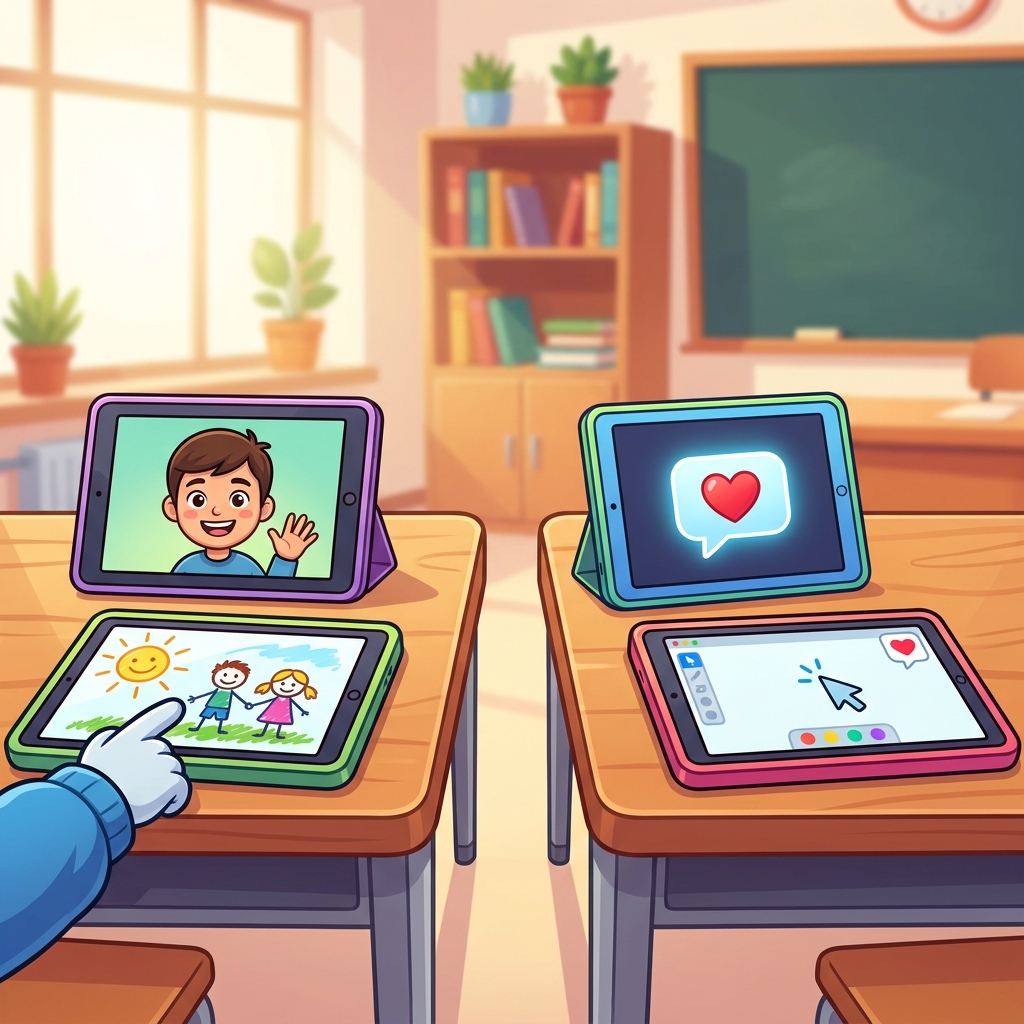
You will find that some students need a bit more encouragement to define what disrespectful behavior looks like. It can be easier for them to talk about being nice than to talk about being unkind. I try to normalize the discussion of unkind behavior as a mistake that can be fixed rather than a moral failing. This is especially useful if you are using this as part of a review session for students who have struggled with online manners in the past. It keeps the pressure low while reinforcing the standard. Be prepared to step in if the classroom conversation turns too much toward specific incidents rather than the general skill of being kind. Keep the focus on the future and how they can control their own interactions.
If you have an independent study student, this lesson is straightforward enough for them to follow on their own, but I think it works best with a quick teacher-led intro. It is a good building block for later years when communication becomes more complex. By the time they hit the middle grades, these habits of respect and responsibility will be second nature because they started practicing them here in first grade.
Related lessons
Making a Toy Robot, Building simple machines using basic construction and planning steps
Making a Plan, Developing organized steps to solve a simple classroom problem
Using Your Computer, Basic technical navigation for students starting their computer journey