

Sixth grade social studies is an important year for shifting students from learning about their own community to examining how the structure of a civilization dictates its daily pulse.
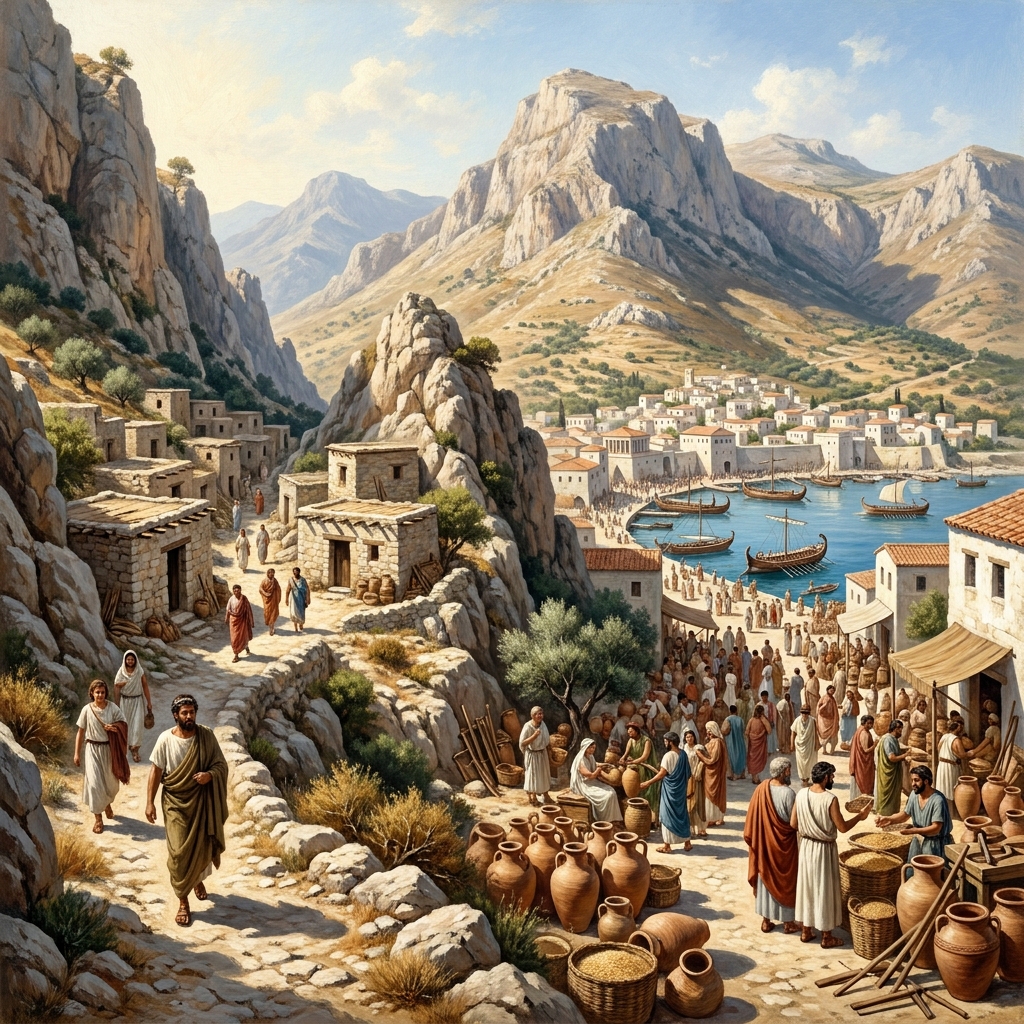
When we look at the standard CA.HSS-6.4, it asks a lot. It requires students to analyze the geographic, political, economic, religious, and social structures of the early civilizations of Ancient Greece. Breaking that down, it really means asking students to act like investigators. They are not just memorizing the names of mountains or gods. They are connecting the dots: how do the rugged, isolated valleys of Greece make a central government impossible, while simultaneously making a local, independent city-state essential? That is the heart of Geography and Life in Ancient Greece, which helps them see these connections clearly.
Analyzing the structure of the ancient polis
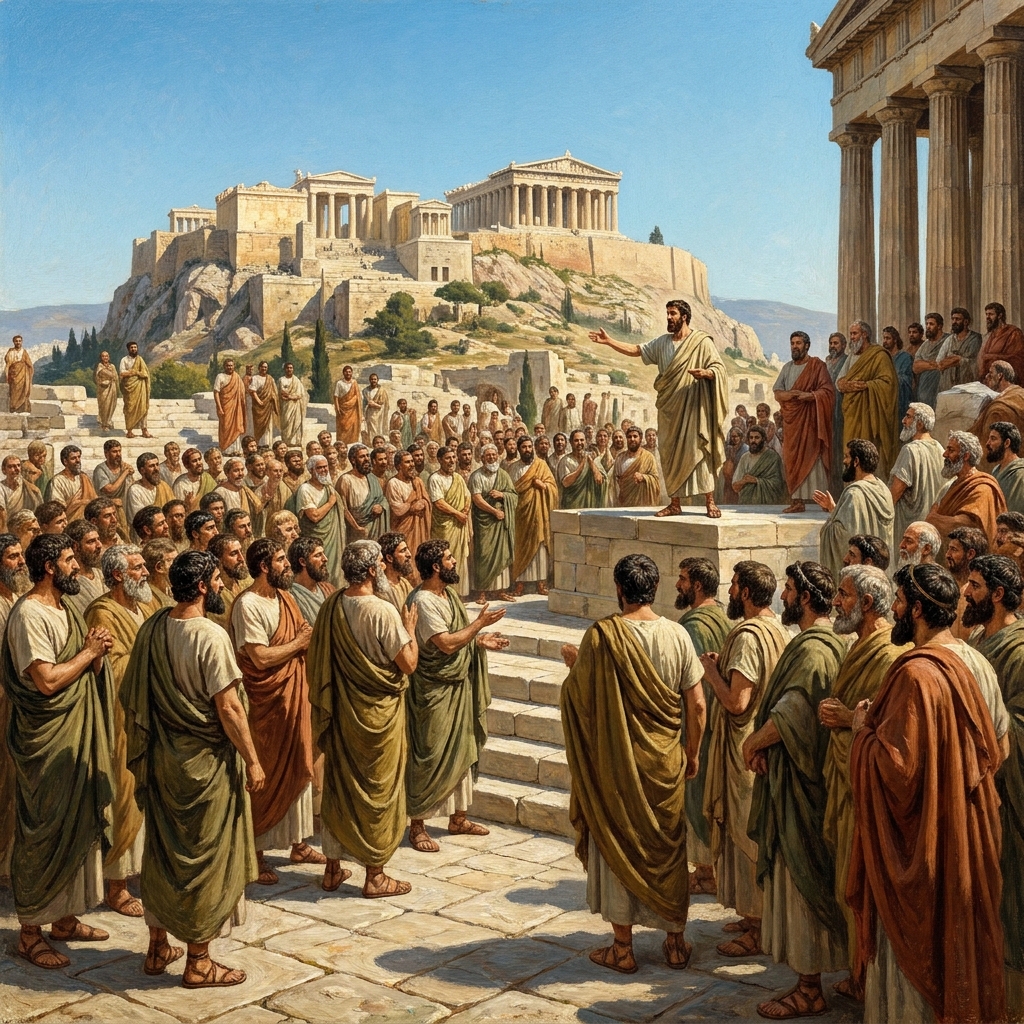
The standard asks students to look at political structures. The lesson defines the polis as an independent city-state that acted like a small, self-governing country. Using the example of Athens, the lesson shows how the Assembly functioned as a hub for citizens to vote on laws. This is a great way to move beyond the abstract. When a student reads that Athens was self-governing, they start to grasp that the physical separation of Greek cities forced them to invent their own ways of handling power. Whether you are teaching in San Jose Unified, Sweetwater Union High School District, Hanford Elementary School District, or South Whittier Elementary School District, the standard remains a baseline for understanding how these early political structures actually operated.
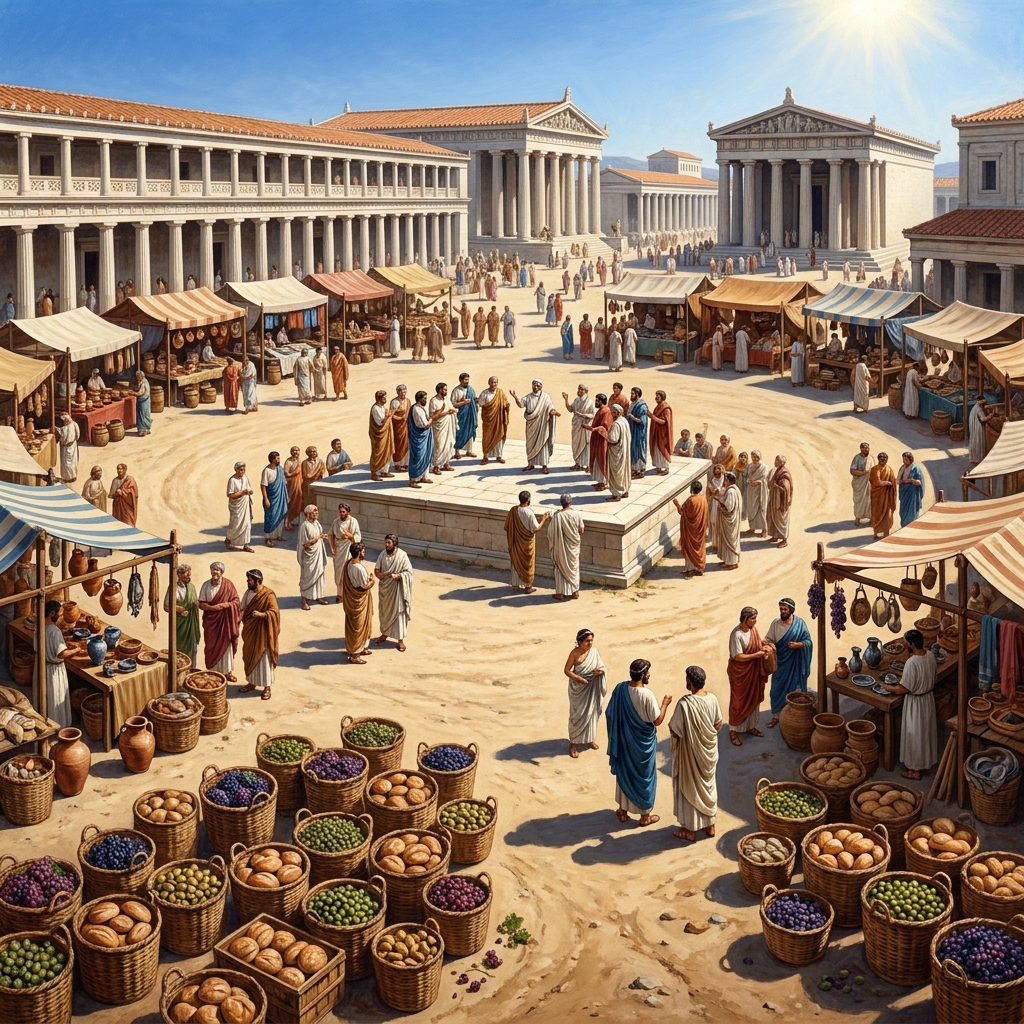
Students often struggle to move from the concept of a single city to the reality of an entire network. I find that focusing on the vocabulary helps bridge that gap. The lesson defines the agora as a central open space used for public meetings and as a marketplace. Once students realize that this was the beating heart of the polis, the idea of a self-governing city-state feels much less academic and much more like a living, breathing place.
Geography as a driver of economy
Part of the standard demands that students analyze the economic structures of these civilizations. The lesson provides a straightforward guided practice on trade that really hits the mark. It pushes students to think about how Greek merchants relied on the Mediterranean Sea to trade goods like olive oil for grain. It is a simple concept, but it is necessary for them to understand that the Greek economy was built on seafaring out of pure geographic necessity. You cannot farm in the mountains, so you must trade across the water.
There is also the religious aspect. By defining polytheism as the belief in many different gods and goddesses, the lesson gives students the vocabulary to discuss the religious structures of the time. While some students will find the concept of many gods simple, the real challenge for them is explaining why these belief systems were so deeply integrated into the daily lives of the citizens. I usually ask my students to consider how someone living in a rugged mountain valley might view the gods differently than someone living on the coast.
Where the lesson fits in your schedule
If you are looking for a reliable way to cover this content, this lesson works exceptionally well as a whole-class assignment or for a student who missed the week and needs to catch up on the foundational concepts. It is also quite effective for independent study because the logic flows linearly from geography to politics and finally to trade.
I do have one caveat, though. When you assign this, make sure to challenge the class to compare the ancient systems to modern ones. The lesson does this by mentioning how today we still have local governments and trade networks. Ask them to dig deeper. Ask them if they think geography still limits how we govern our local cities in the same way it forced the Greeks to form the polis. It brings a level of critical thinking to the classroom that keeps the lesson from feeling like a static list of facts. Finding a solid 6th grade geography and history lesson is not always easy, but having the connections to the standard spelled out this clearly makes the planning much more manageable.
Related lessons
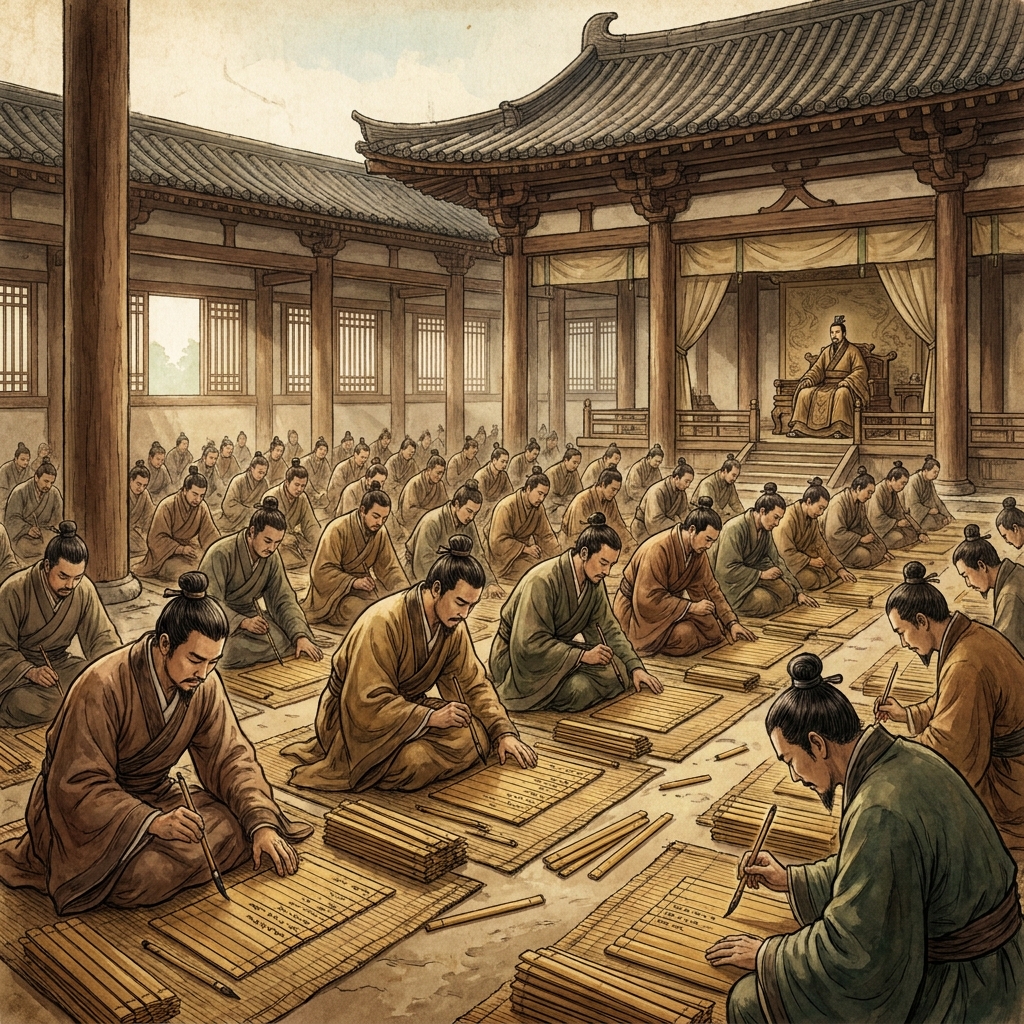
Building the Han Empire, Development and expansion of the early Han dynasty governance systems
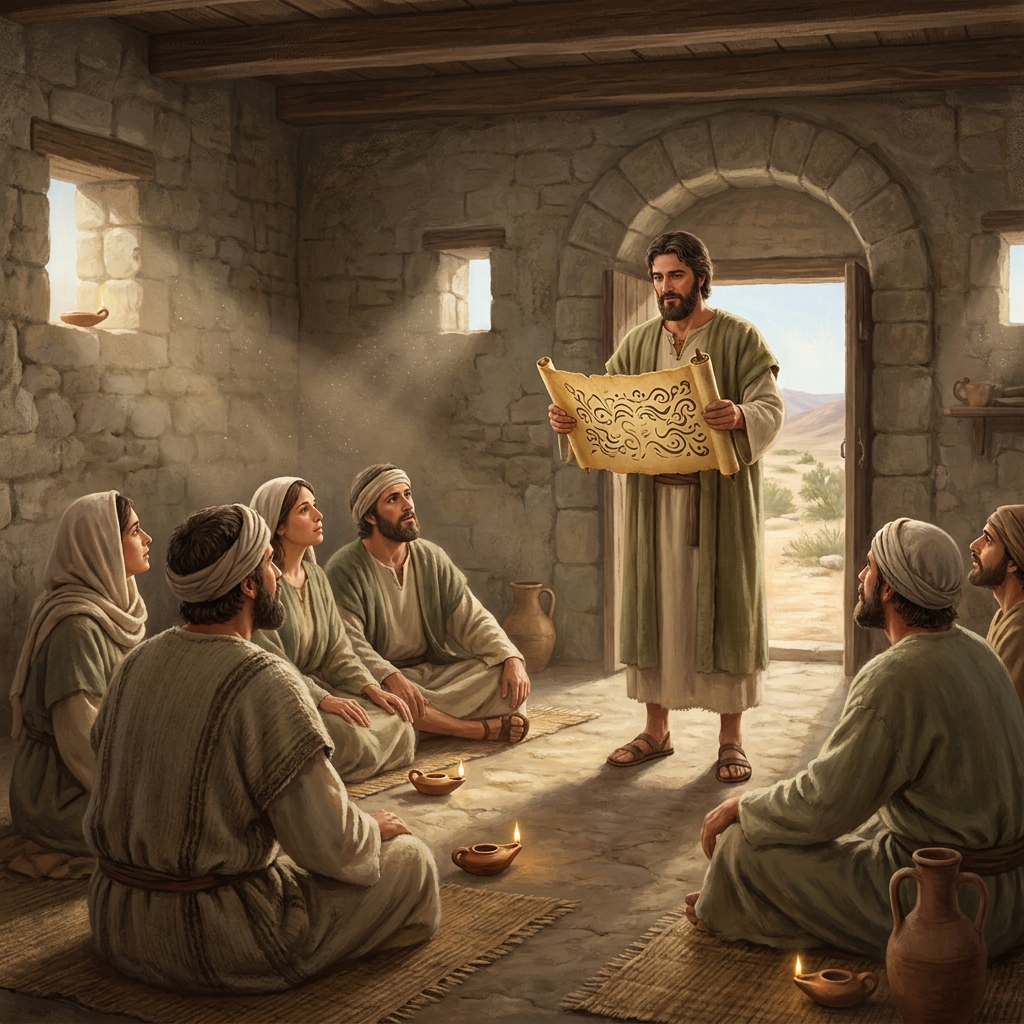
Keeping Traditions Alive: Judaism After the Temple, Cultural preservation and religious shifts within ancient Jewish communities
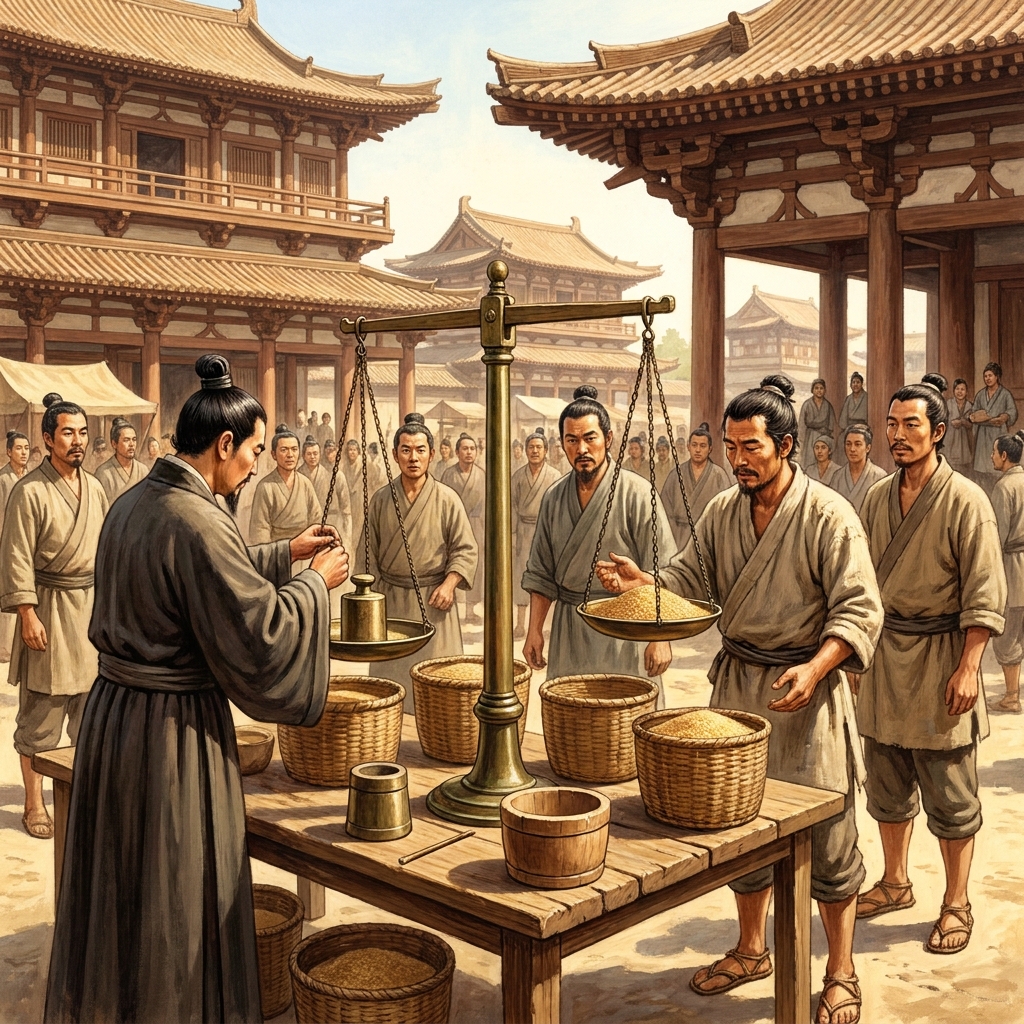
Unifying China: The Qin Dynasty, Political unification and infrastructure developments under the Qin emperor