

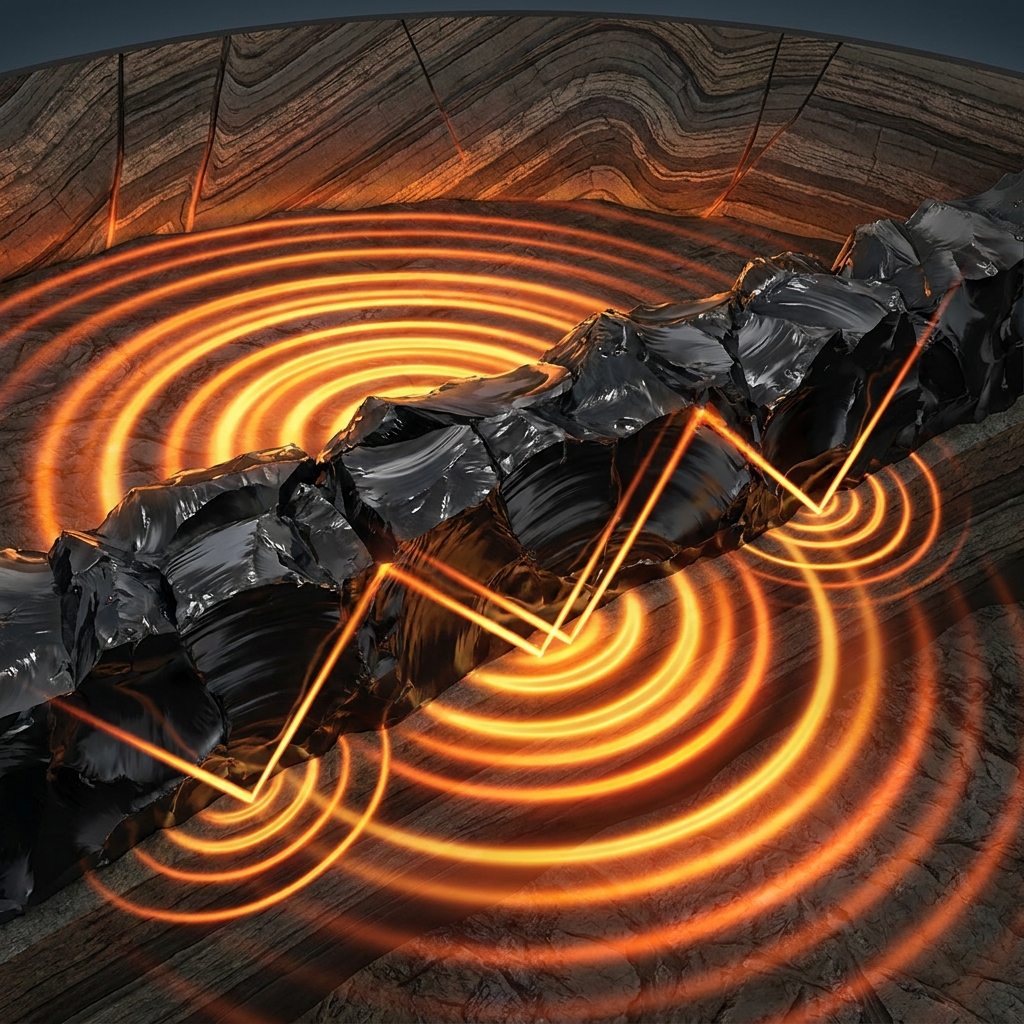
When seismic waves move from an earthquake, they hit dense rock layers and bounce off. This simple observation is the starting point for Understanding Wave Interactions. In this 8th grade science lesson, students move past the idea that waves just carry energy from one point to another and begin to look at what happens when those waves meet a barrier. It takes about 45 minutes to get through the material, which makes it a manageable block for a student catching up or working independently.
The lesson asks students to describe how waves reflect, absorb, or transmit when they hit different materials. It introduces four key terms to keep the physics straight. Reflection is when a wave bounces off a surface and changes direction. Absorption is when a material takes in wave energy and converts it into another form, like heat. Transmission is when a wave passes through a material and continues on the other side. Finally, the lesson defines refraction as the bending of a wave as it passes from one medium to another, caused by a change in its speed. It is a solid, direct way to teach this middle school physical science lesson to students who need a second pass at the material.
How seismic waves move through the earth
Aligning with the california science framework
The lesson serves the MS-PS4-2 standard. This asks students to develop and use a model to describe that waves are reflected, absorbed, or transmitted through various materials. You will find that schools in Irvine Unified, Poway Unified, Rio Elementary School District, and Willits Unified teach the same standard as part of the state requirements. California teaches middle school science using an integrated model that weaves physical, life, and Earth sciences together rather than as separate disciplines. Standards are contextualized with California phenomena including seismic activity, diverse ecosystems, water systems, and energy policy per the CA NGSS Framework.
I appreciate how the lesson brings in real-world examples that go beyond the textbook. For instance, it walks the class through how architects think about reflection when designing rooms. Hard, smooth surfaces like glass or polished concrete reflect sound waves, creating echoes that designers must manage. By using materials that absorb sound, they make rooms quieter. This helps students see that science is not just an abstract concept for a test, but something people apply in jobs like architecture or medical imaging, where ultrasound waves are transmitted into the body to see inside.
Using this resource for intervention
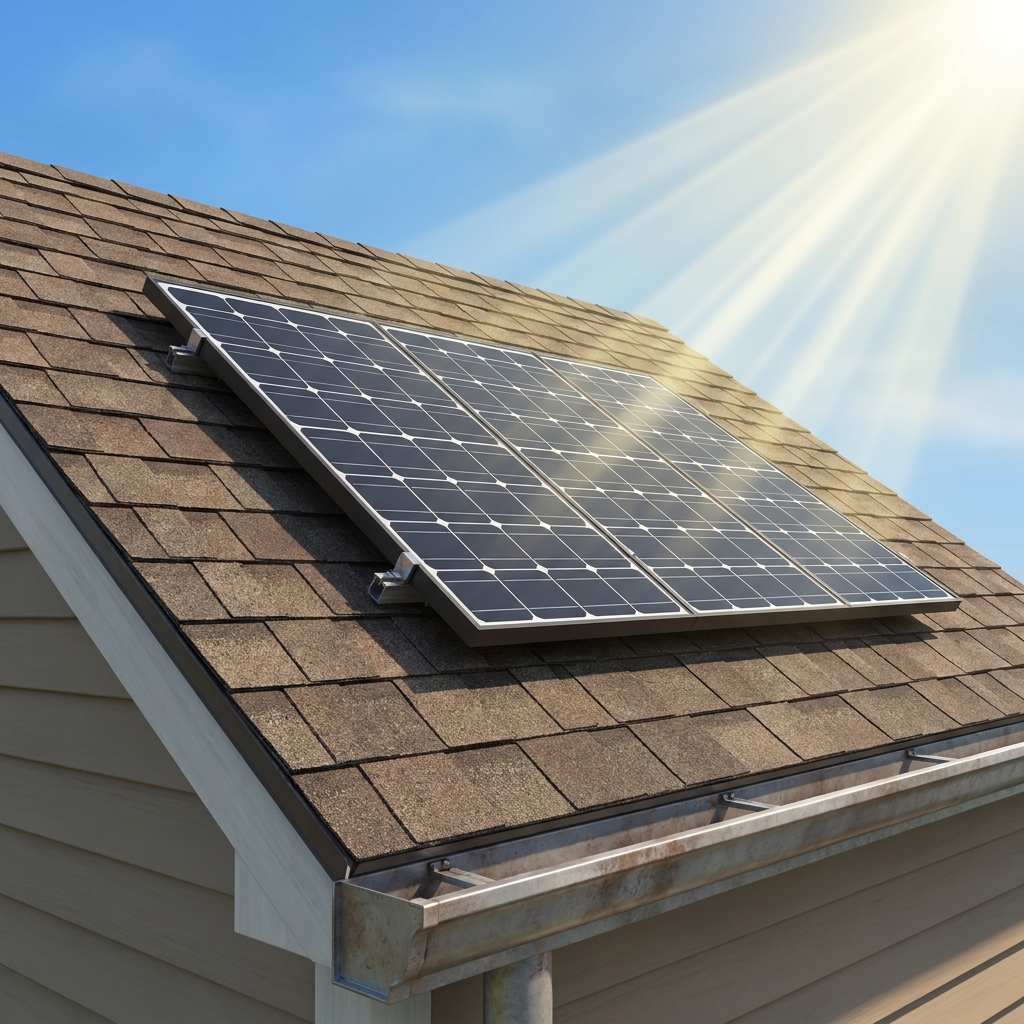
This content is a great fit for a student who missed the week of instruction or for an independent study session where you need a clear, self-contained module. The guided practice asks students to think about a forest canopy and how it interacts with light and sound. When the forest canopy absorbs sunlight, it converts that light energy into thermal energy, which warms the leaves and the surrounding air. The lesson defines thermal energy as the internal energy of an object due to the kinetic energy of its atoms and molecules.
One small limitation is that it relies heavily on the student being able to visualize these interactions, so if you have a student who struggles with abstract reasoning, you might want to provide a physical object like a mirror or a flashlight to demonstrate reflection before they log in. It is a straightforward resource that hits the main points without unnecessary fluff. If you assign this for attendance recovery or as a planned substitute day, the flow is logical and the objective remains clear from start to finish.
Related lessons
Energy Transfer and Kinetic Energy, Basic principles of kinetic energy and how energy transfers between objects
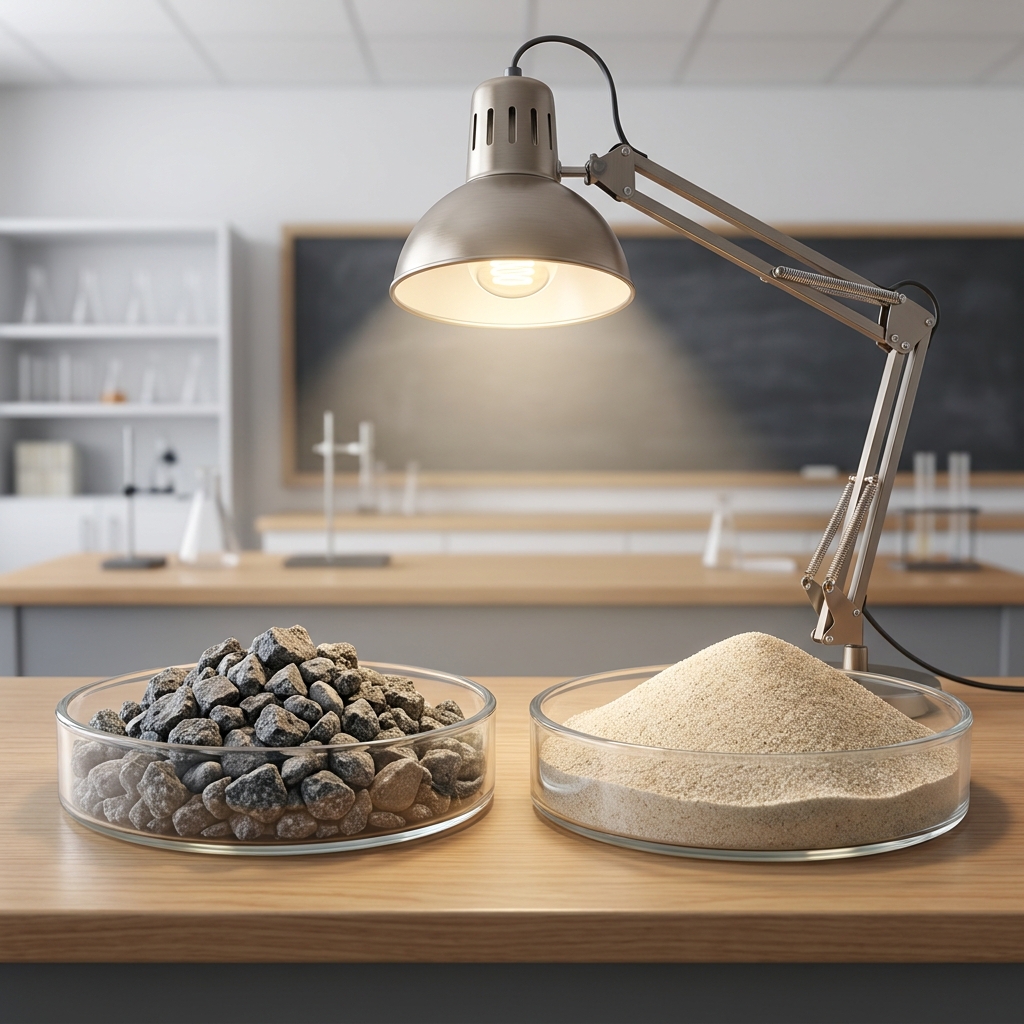
Energy Transfer and Temperature, Relationship between energy transfer and changes in object temperature
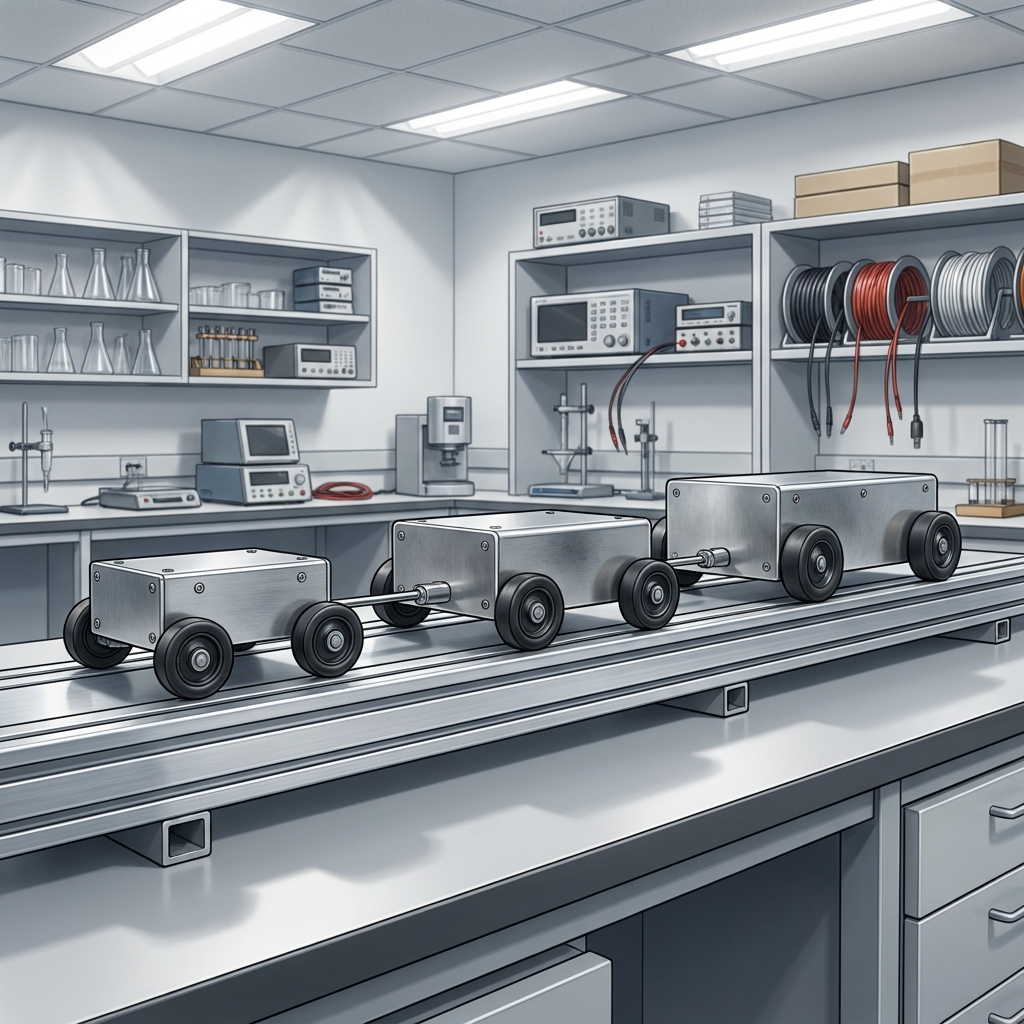
Energy in Motion: Mass and Speed, How mass and speed influence the energy of moving objects