

This lesson does not try to be a flashy multimedia presentation. If you are looking for bells and whistles, this is not it. However, if you need a straightforward 7th grade math resource that forces students to slow down and think about their operations, Solving Multi-Step Problems with Rational Numbers is a solid pick. It covers the core requirements for managing rational numbers in equations without getting bogged down in unnecessary distractions.
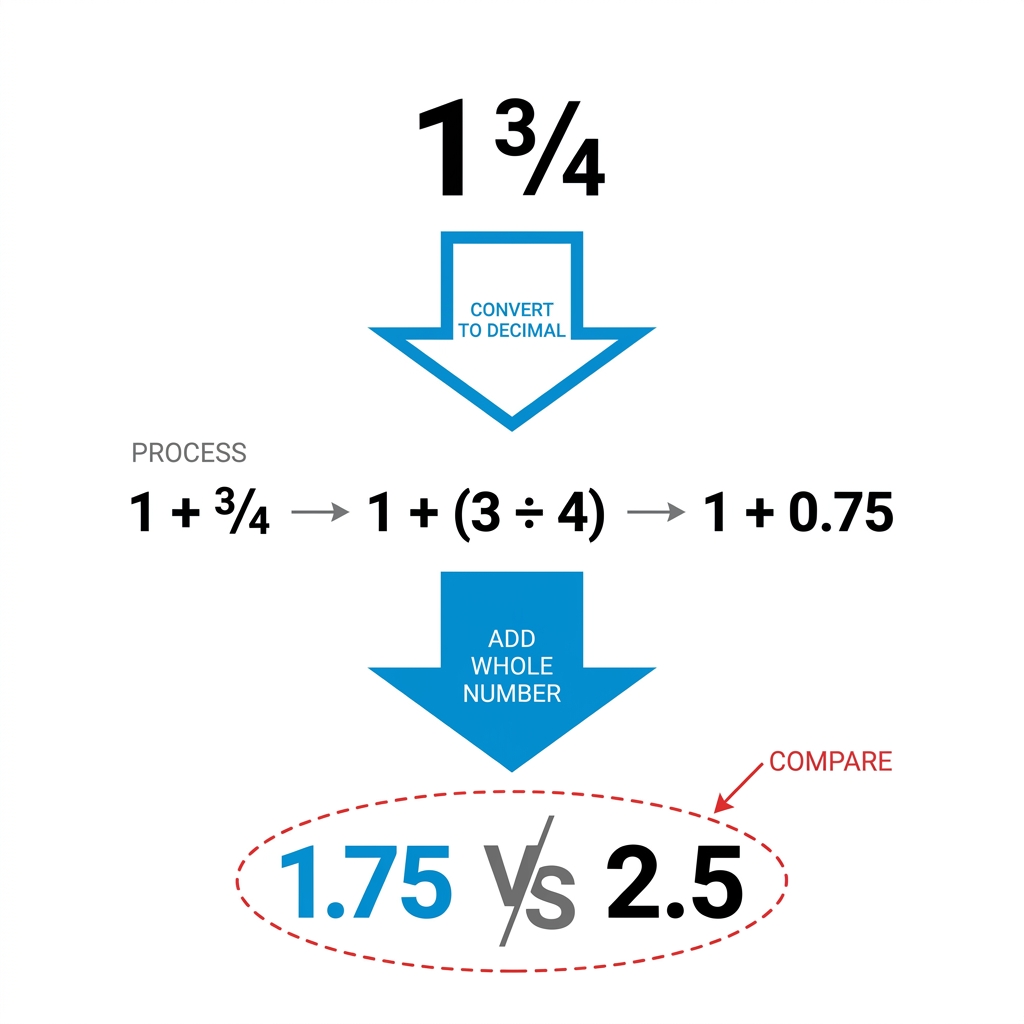
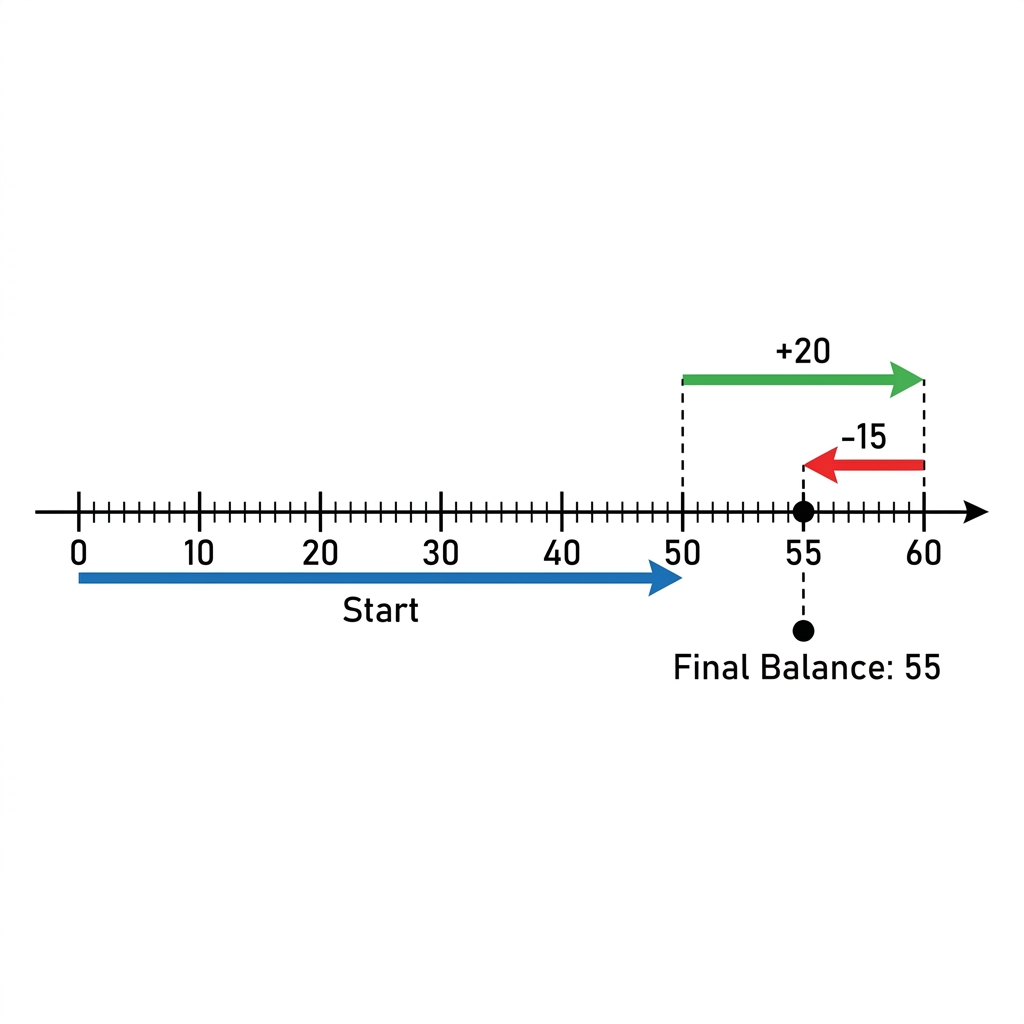
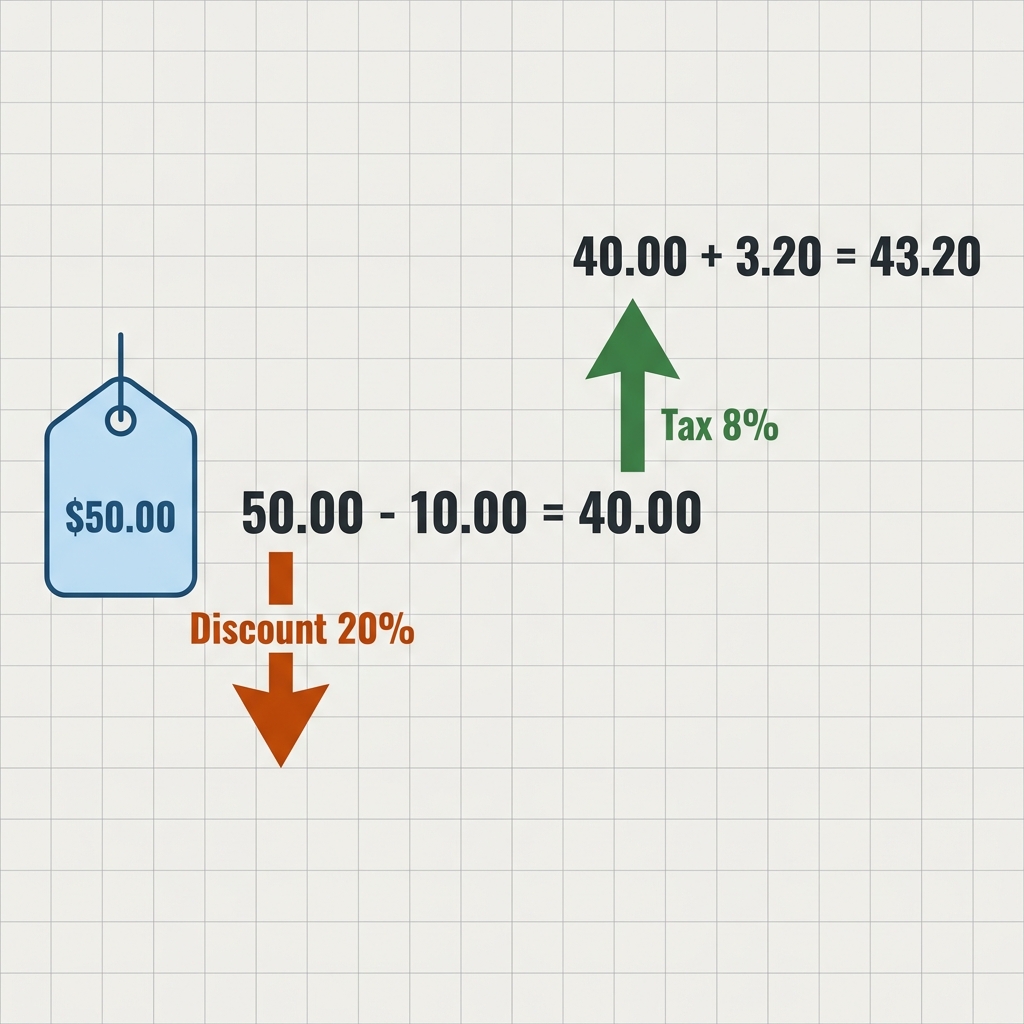
Students start by revisiting what they know about multiplying decimals and whole numbers. From there, the material moves into the actual work of solving problems that mirror the complexity of things like store discounts, tax calculations, and even temperature fluctuations. For instance, the lesson uses a scenario where a temperature drops from 5.5 degrees by 2.25 degrees to show how subtracting rational numbers functions in a real-world context. The vocabulary is minimal but necessary: a Rational Number is defined as any number that can be written as a fraction, decimal, or whole number, and Properties of Operations includes the distributive, commutative, and associative rules that make these calculations manageable.
The math standard in practice
This lesson centers on CA.MATH.7.EE.3, which is the California-adopted standard for solving real-life and mathematical problems with positive and negative rational numbers. The standard requires students to do more than just get an answer. It asks them to use tools strategically, convert between forms like fractions and decimals, and use mental computation or estimation to check if their final result actually makes sense. You see the same standard being taught across the state, from Long Beach Unified, San Diego Unified, and Palos Verdes Peninsula Unified to the Norris Elementary School District. The material also touches on CCSS.MATH.7.EE.B.3, which serves as the federal framework for these exact same skills, adding the requirement that students approach these complex problems using various forms of rational numbers while maintaining logical consistency.
When to use this module
I find this specific lesson works best for a student who missed the week or as a focused intervention session for those who struggle with multi-step workflows. Because the content takes about 45 minutes to complete, it is also a reliable choice for a substitute day or as an independent study assignment for a student who needs to catch up on the Expressions and Equations domain. It is efficient and does not require you to print out a stack of supplemental worksheets.
Keeping expectations realistic
One caveat to keep in mind is that this lesson assumes the student already has some foundational comfort with basic arithmetic. If a student is still struggling with the concept of negative numbers or basic decimal multiplication, they might hit a wall here. The solving multi-step rational numbers work here is designed for application, not for teaching those foundational operations from scratch. When you assign this, suggest that the student pays extra attention to the conversion between fractions and decimals, as the material emphasizes that converting to a single format is the best way to ensure accuracy in tasks like recipe adjustments or construction planning. It is a no-nonsense way to ensure they can manage their own work and verify their answers.
Related lessons
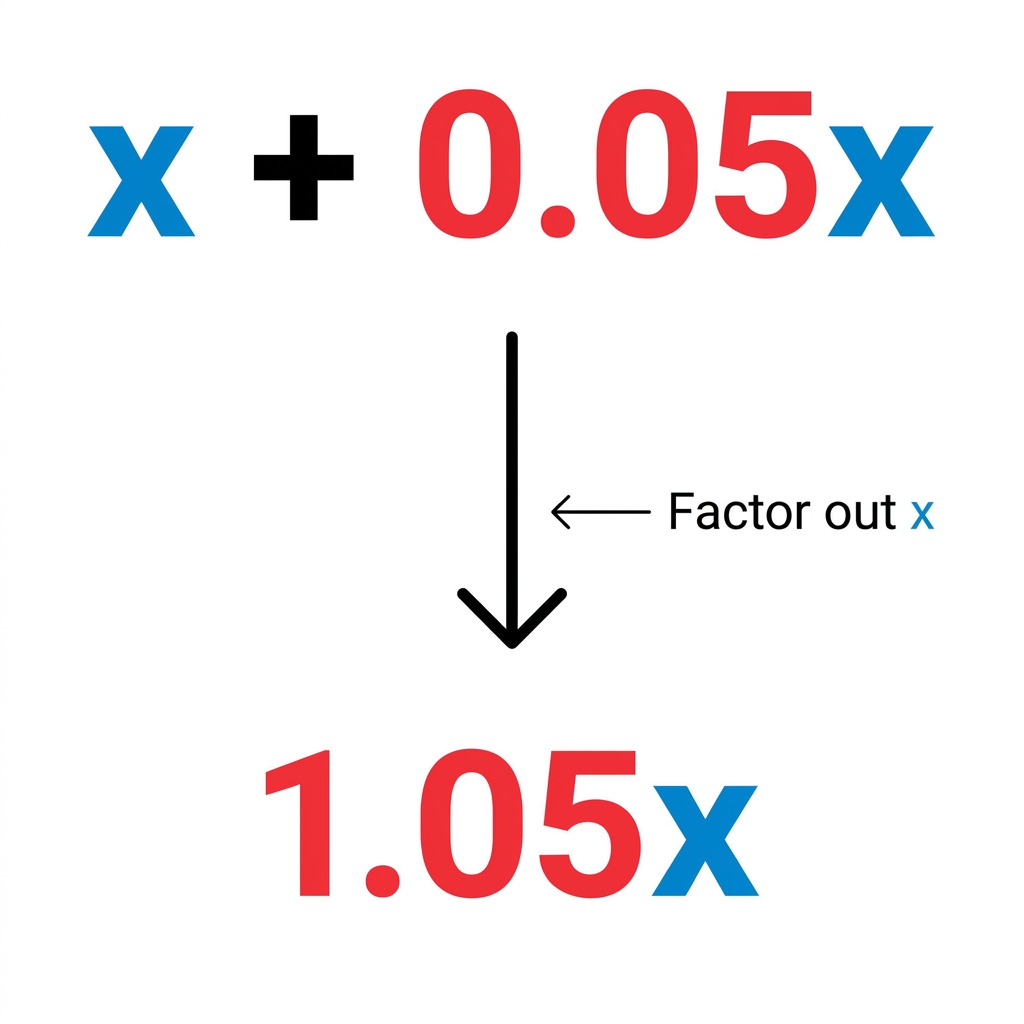
Understanding Equivalent Expressions in Retail and Sales, Uses retail scenarios to teach the concept of equivalent expressions
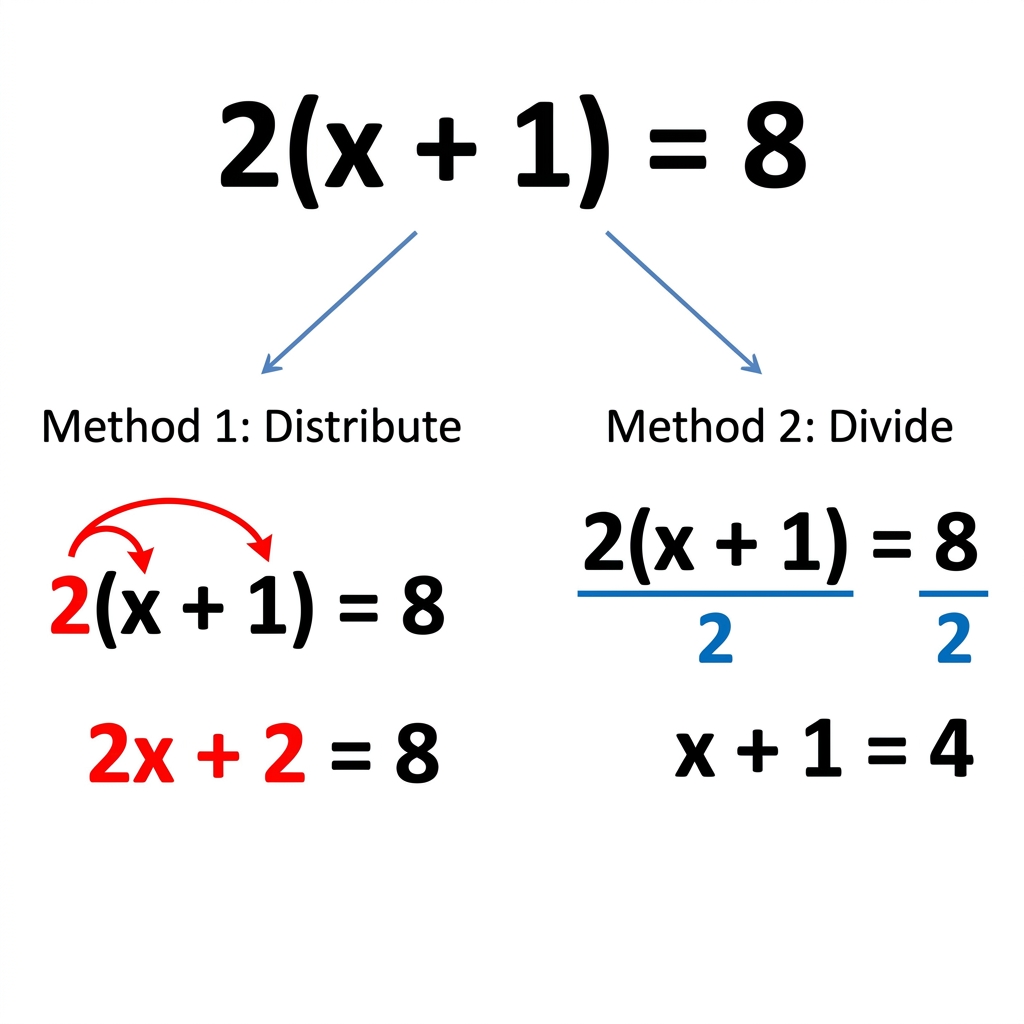
Solving Linear Equations, Focuses on isolating variables to solve basic linear equations
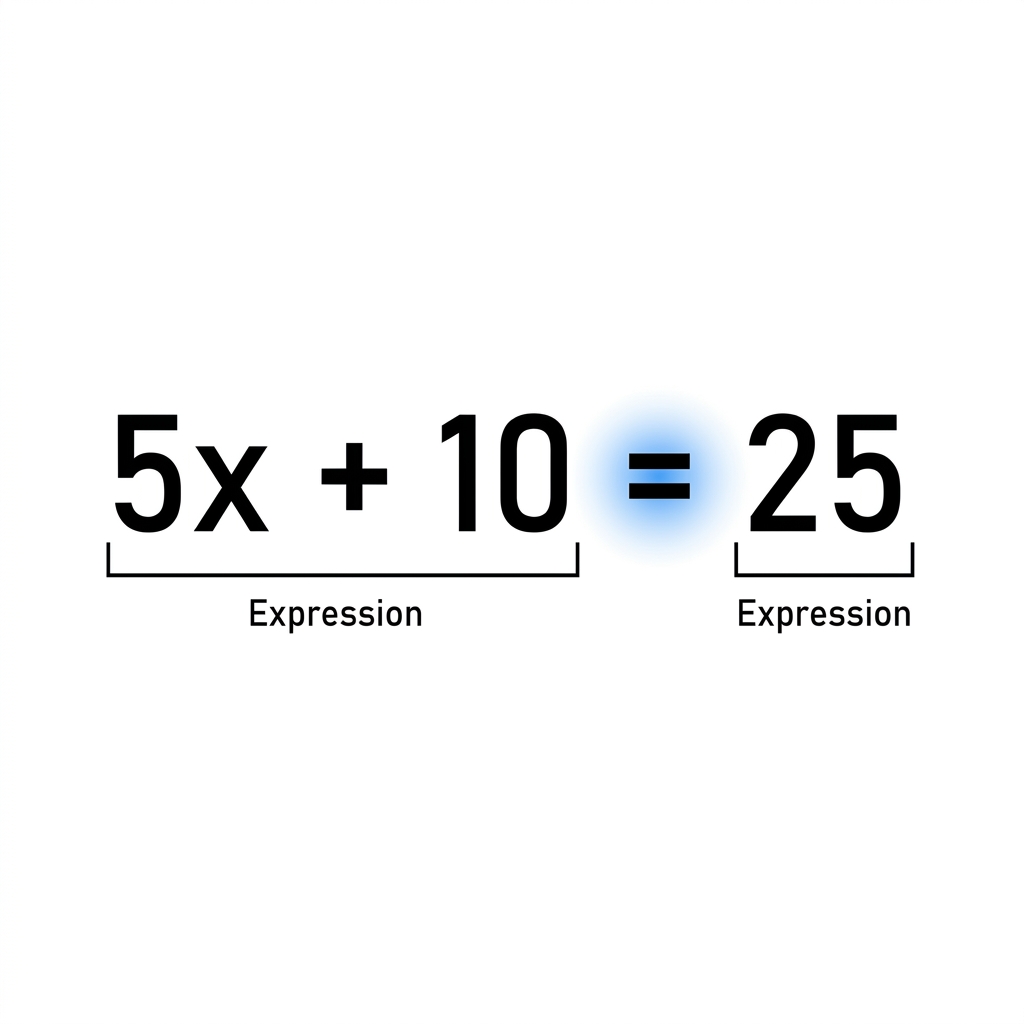
Solving Equations and Inequalities, Covers algebraic steps for solving both equations and inequalities