

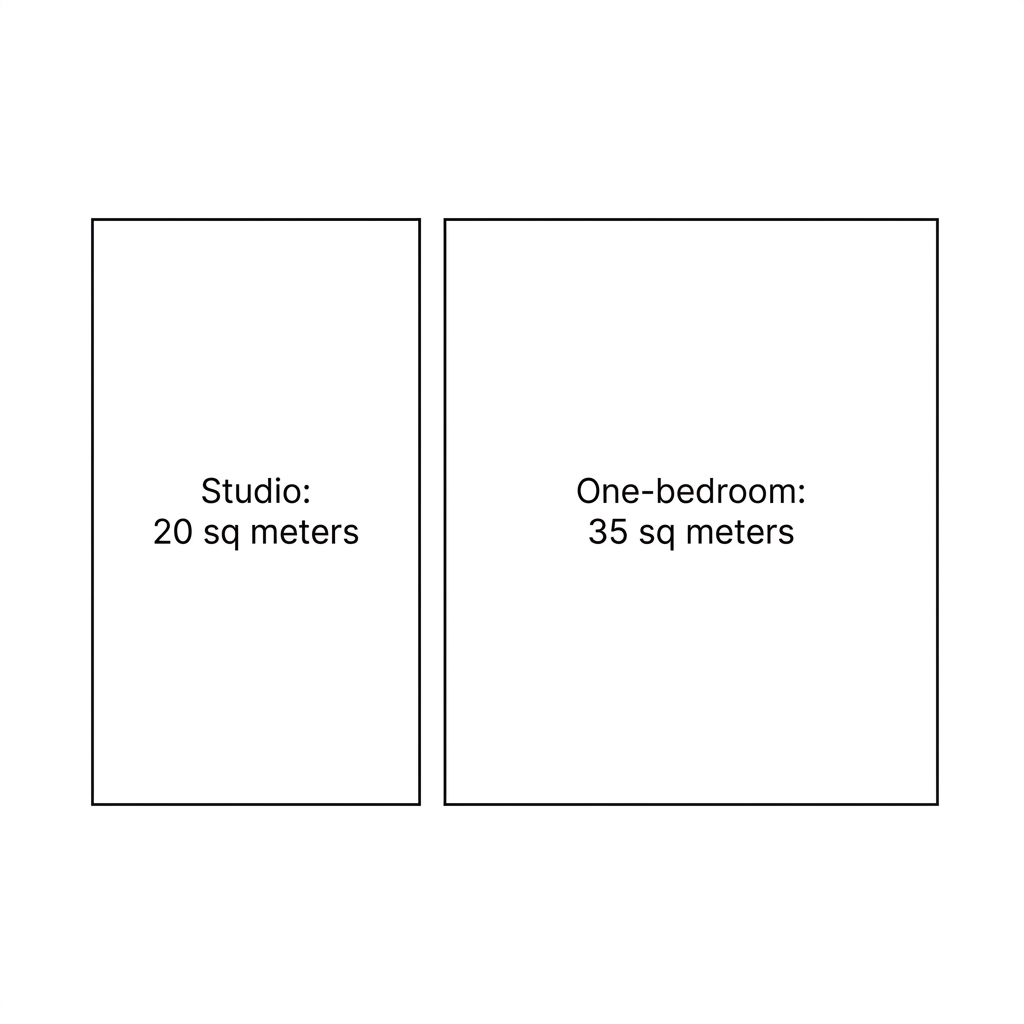
I often see my seventh grade math students stare at a complex shape on a worksheet and just freeze. They see an L-shaped garden or an irregular pool, and they try to hunt for a single, magical formula that does not exist. It is a common hurdle when we move beyond simple rectangles and triangles. Students struggle because they do not instinctively break the figure down into manageable pieces. They look at the whole object instead of seeing the two or three smaller, familiar shapes hiding in plain sight.
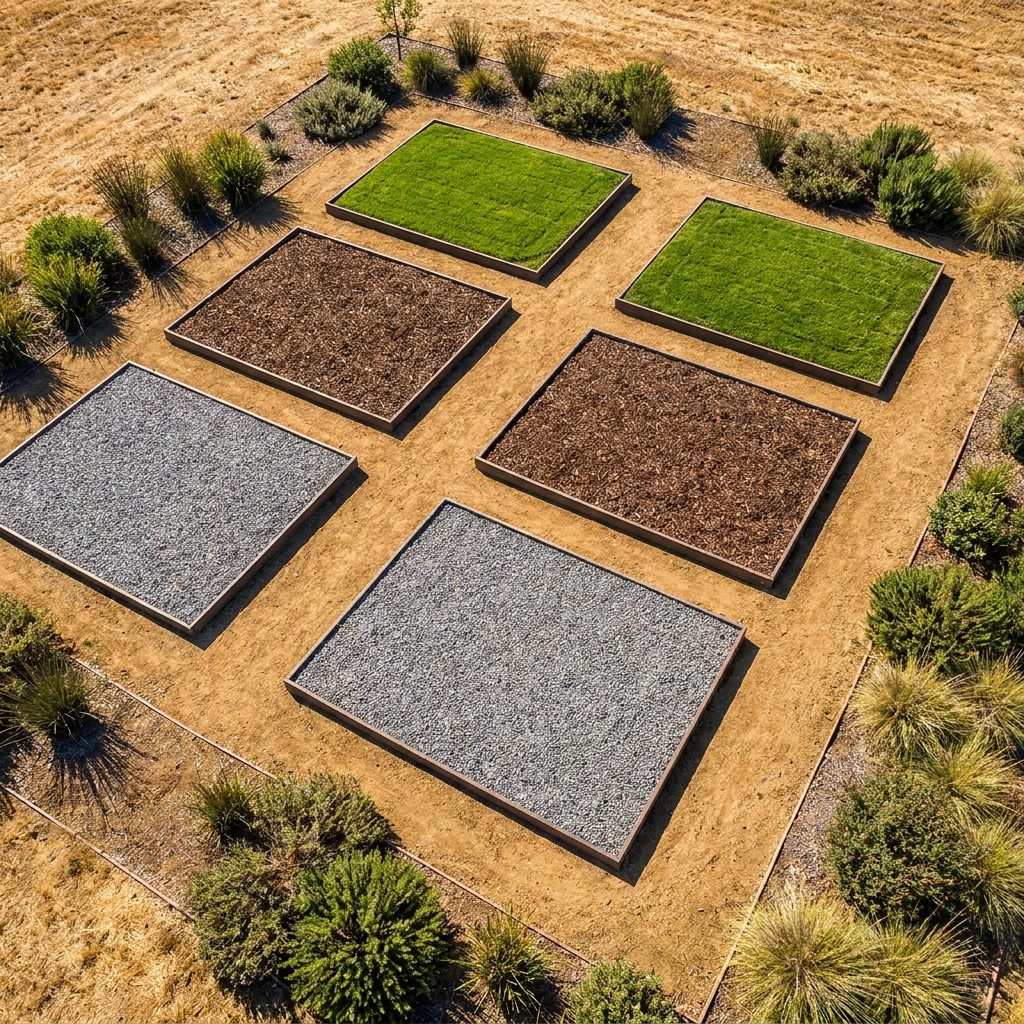
That is why I appreciate the approach taken in Geometric Measurement in California Design. This lesson avoids the trap of overwhelming students with abstract shapes. Instead, it starts with a familiar concept: the garden. By framing the geometry through the lens of local landscape architects, the lesson gives students a concrete reason to care about the math. Architects need to minimize material waste, and the only way to do that is to calculate the precise area and volume of every part of the design before they order wood, concrete, or glass.
How to teach composite figures effectively
The core objective here is simple but essential: students calculate area, volume, and surface area of composite shapes. The lesson defines a composite figure as a shape made by combining two or more simple geometric shapes. When you walk your students through the worked example of an L-shaped garden, you are actually teaching them a strategy for life. By showing them how to partition that L-shape into two rectangles, you give them a repeatable process. Once they see the two rectangles, the area calculations become trivial, which is exactly how they should feel about it.
This lesson directly serves CA.MATH.7.G.6, which is the California-adopted standard for solving real-world and mathematical problems involving the area, volume, and surface area of objects composed of triangles, quadrilaterals, polygons, cubes, and right prisms. The lesson also incorporates CCSS.MATH.7.G.B.6, which provides the necessary context for applying these measurement skills to design problems. These standards are foundational for students in Temecula Valley Unified, Oakland Unified, Eureka City Schools School District, and Ocean View School District, and they remain consistent for all students across the state. The vocabulary list is straightforward: area is the flat space inside a 2D boundary, volume is the space inside a 3D object, and surface area is the total of all outer faces.
Bringing the work into your classroom
When you use seventh grade composite figure lessons, you will notice that the guided practice follows the same logic as the opening. It asks students to imagine a coastal home deck that is made of two rectangular sections. It does not ask for complex proofs. It asks for the kind of practical geometry that makes sense to a student who has never stepped onto a job site but can easily picture a deck or a garden. The lesson takes about 45 minutes, which is a perfect length for a standard period where you want to ensure students get from the theory of partitioning shapes to the actual calculation of results.
I find this material is particularly well-suited for a whole-class assignment when you are introducing the unit, or as a high-quality review for a student who missed the week and needs a quick way to catch up. It is clean, it is direct, and it does not bog the kids down in unnecessary busy work. It is also a very reliable choice for a substitute day because the instructions are clear enough that a student can work through the scenario of the coastal deck independently without needing constant clarification. One limitation worth noting is that it does not spend much time on non-rectangular polygons, so if your specific unit requires working with irregular shapes composed of several triangles, you might need to supplement with an extra example on the whiteboard. However, for the foundational work of understanding how to split a complex shape into simpler parts, this is as solid as it gets.
Related lessons
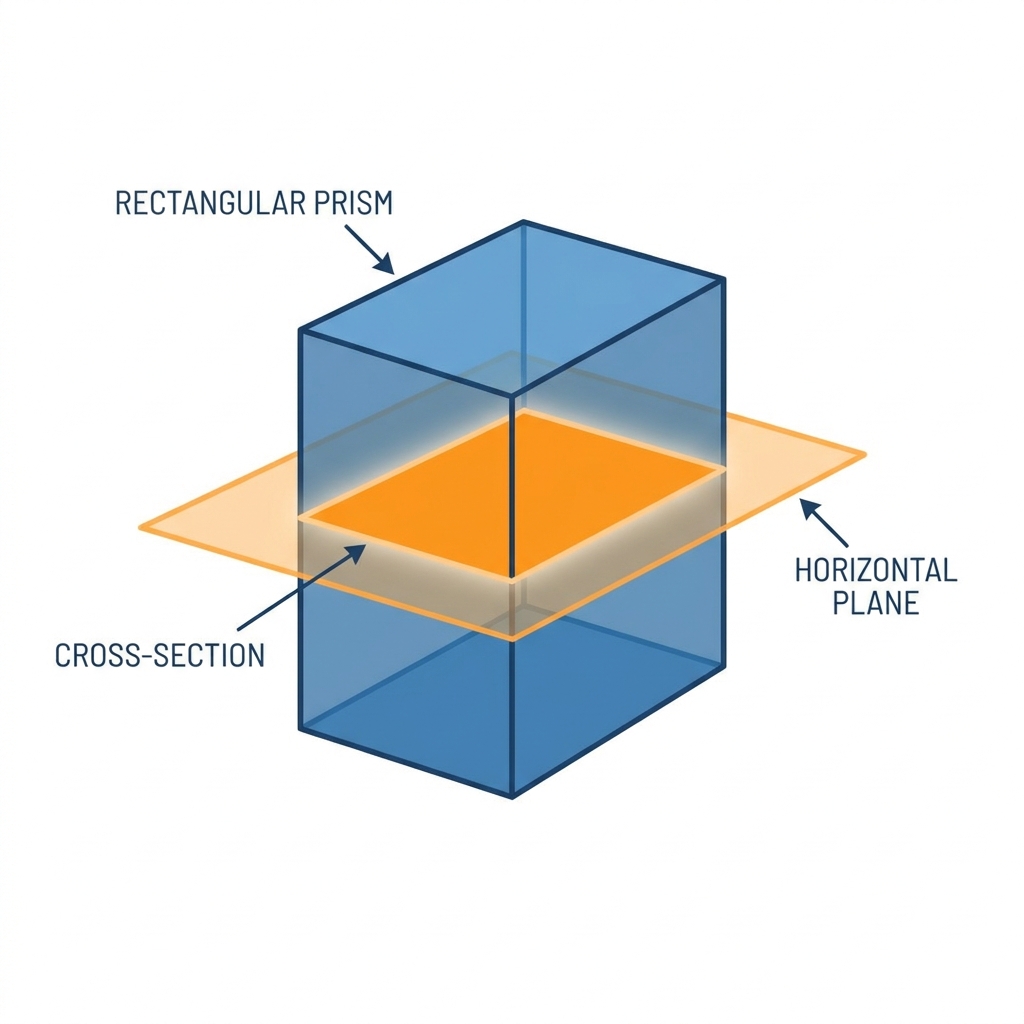
Slicing 3D Shapes, Examines how two dimensional planes create cross sections of solids
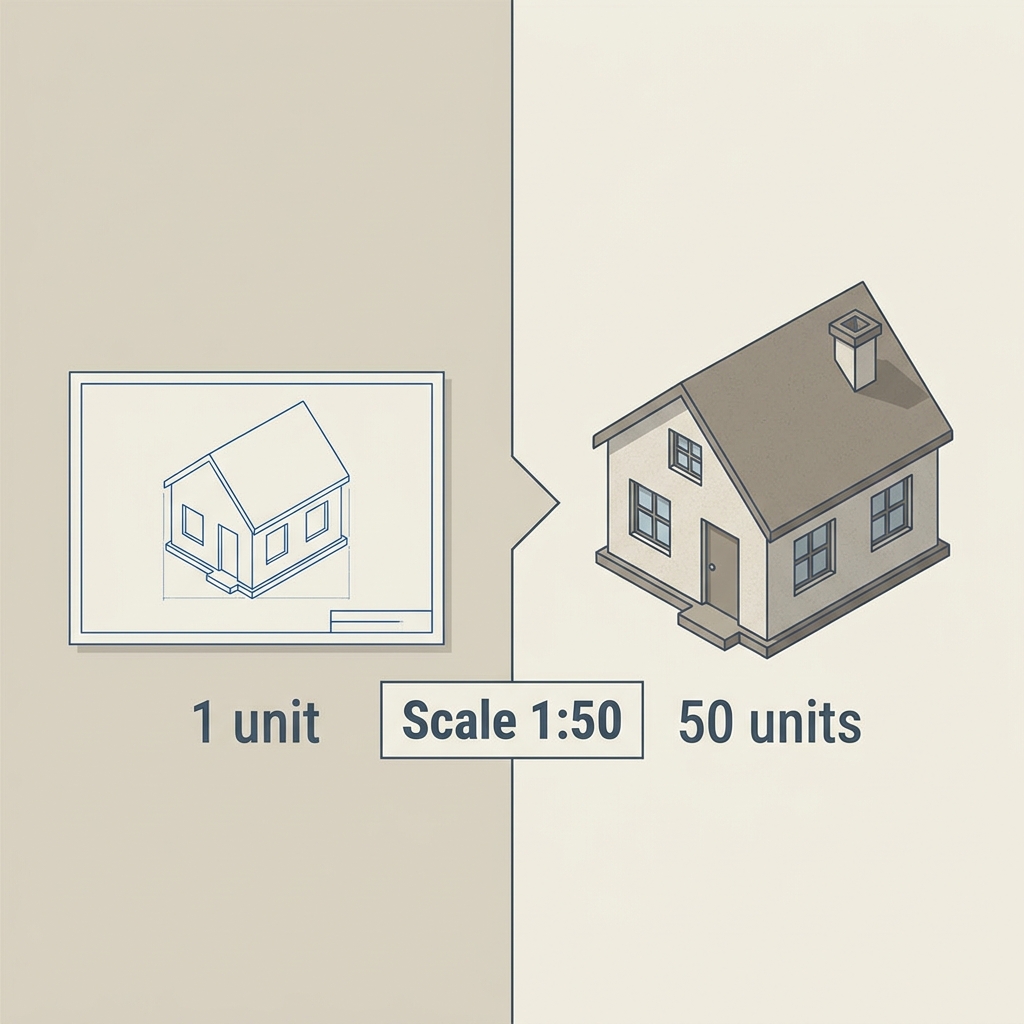
Understanding Scale Drawings, Teaches students how to interpret and create scaled geometric models
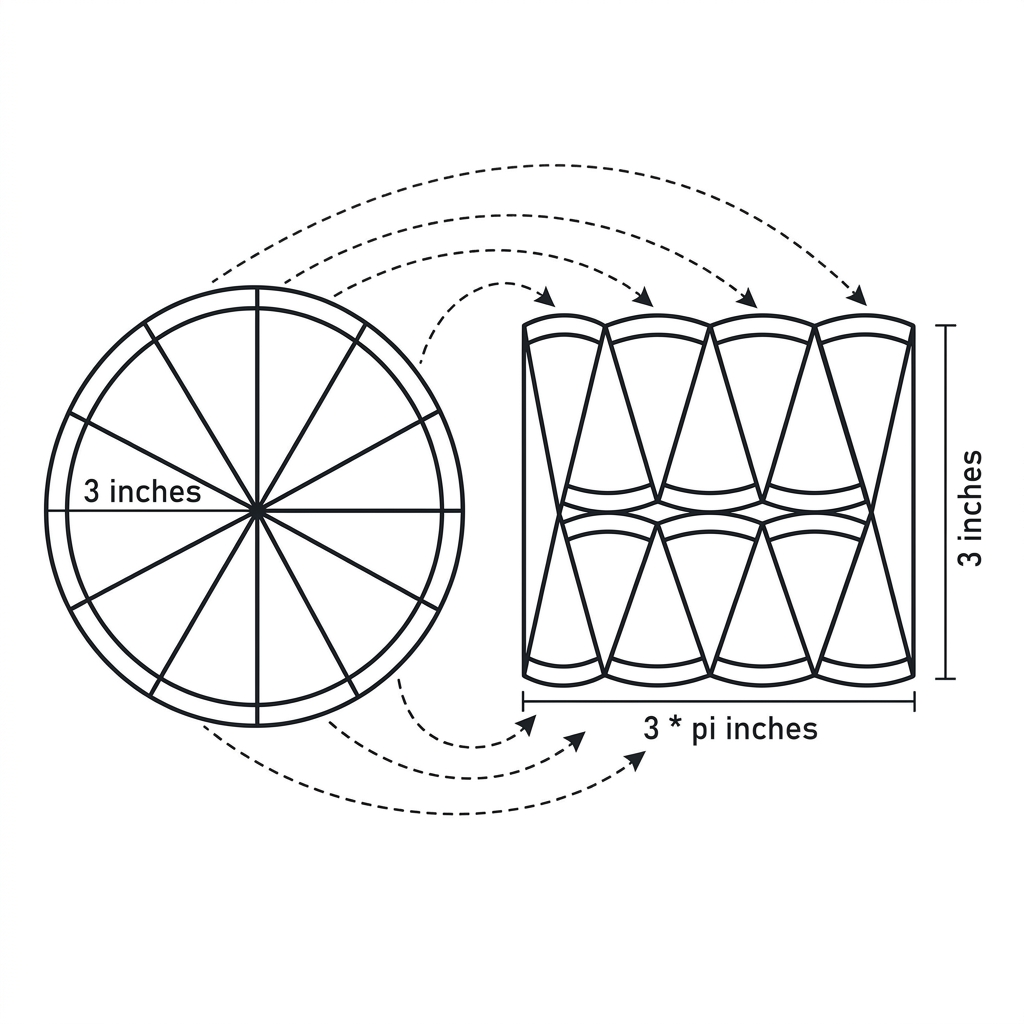
Understanding Circles: Area and Circumference, Covers formulas for circular area and the total distance around