

When students learn about multiplication, they often struggle to move beyond simple addition. Most fourth graders arrive at this topic already comfortable with the idea that multiplication is just repeated addition. They see 4 times 5 and immediately think of four groups of five items to get a total of 20. But shifting to multiplicative comparison is a different mental move. They struggle when they have to describe 20 as being four times as many as 5. They often try to use additive language instead, saying that 20 is 15 more than 5. It is a persistent habit that takes a bit of work to break.
This is where Comparing Quantities with Multiplication comes in. It is a 4th grade mathematics lesson designed to pull students out of that additive trap. The lesson covers the core concept of multiplicative comparison, which the text defines as a way to describe a quantity by saying it is a certain number of times as many as another quantity. It introduces the necessary vocabulary including factor and product, helping students see the equation as a relationship rather than just a calculation.
What the lesson asks students to do
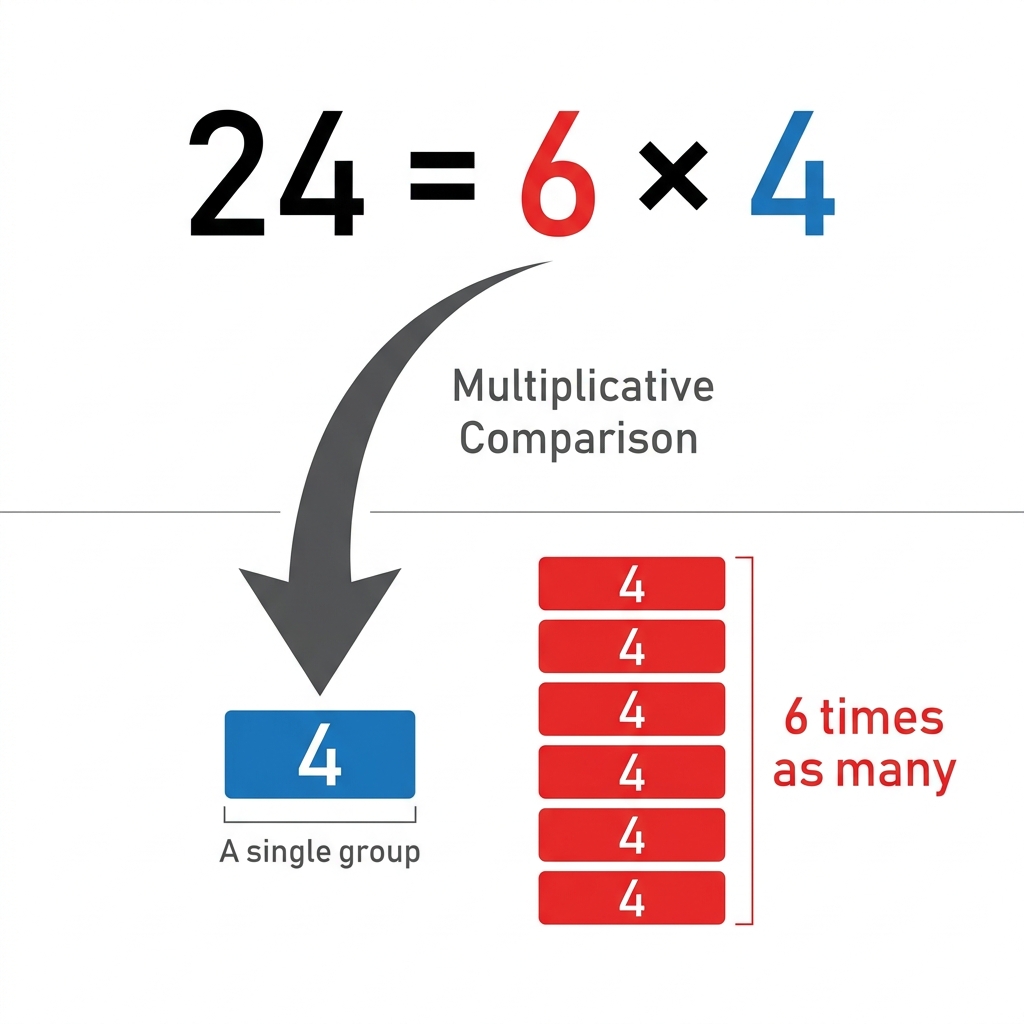
The lesson moves through the logic of multiplicative comparison for 4th grade by starting with what they know. It uses the prior knowledge that 20 equals 4 times 5 to show that 20 is actually 4 times as many as 5. From there, it moves into worked examples like the equation 24 equals 6 times 4. The material explicitly states: “This equation shows that 24 is 6 times as many as 4.” By having students map the numbers in the equation to the verbal comparison, they start to internalize the structure.
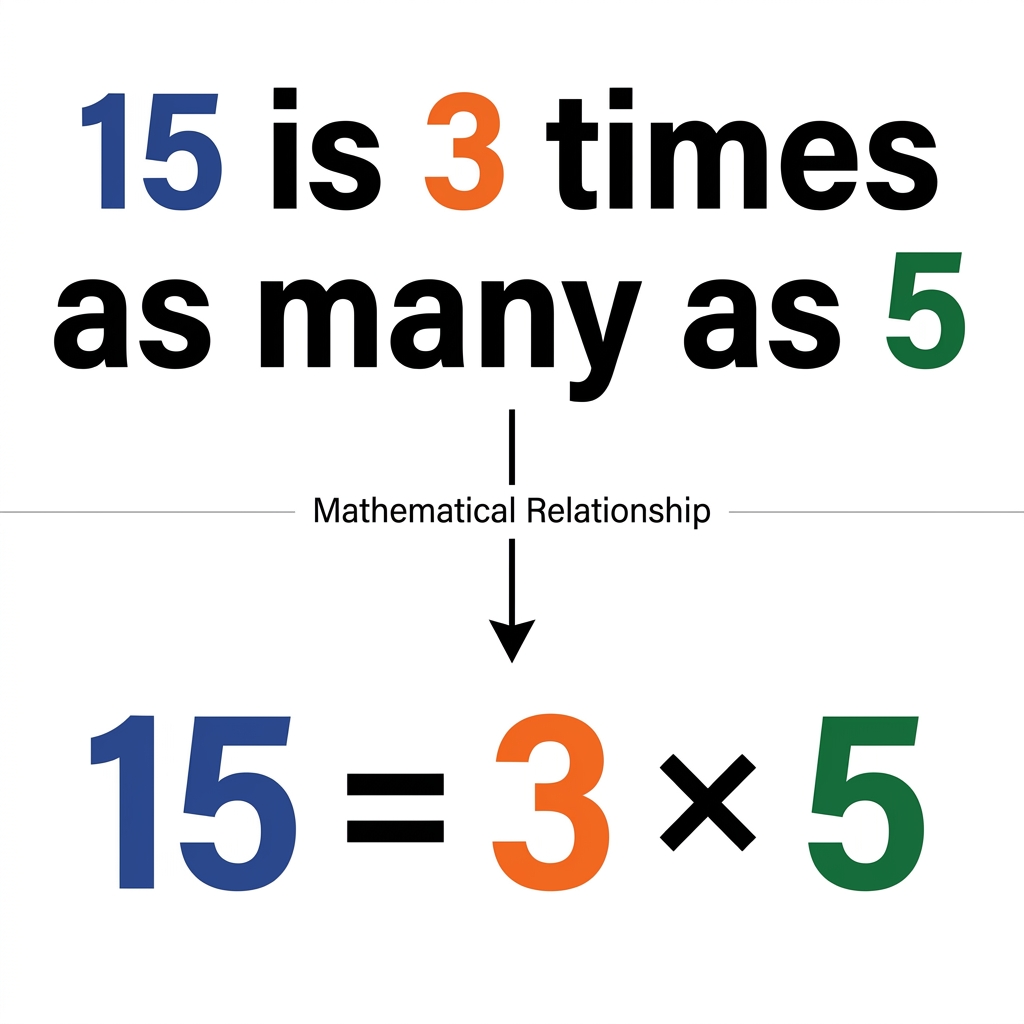
The standard at play here is CA.MATH.4.OA.1. This California-adopted standard requires that students interpret multiplication equations as comparisons and represent verbal statements as equations. It also asks them to distinguish multiplicative comparison from additive comparison. Educators in Los Angeles Unified, Fremont Unified, Ventura Unified, and Golden Plains Unified use this same standard to ensure students understand that multiplication is about scaling quantities, not just counting groups. It is a vital foundation for the fractions and proportional reasoning they will see in later grades.
Where the time goes in the classroom
You can count on about 45 minutes for this lesson. I find that most of that time disappears during the guided practice. The lesson presents a scenario about comparing the number of pages read by two students. It is simple, but it forces them to write the equation themselves. Watch for students who simply add the numbers of pages instead of finding the multiplier. I always check their work during this part to make sure they are correctly identifying which number represents the group size and which represents the factor.
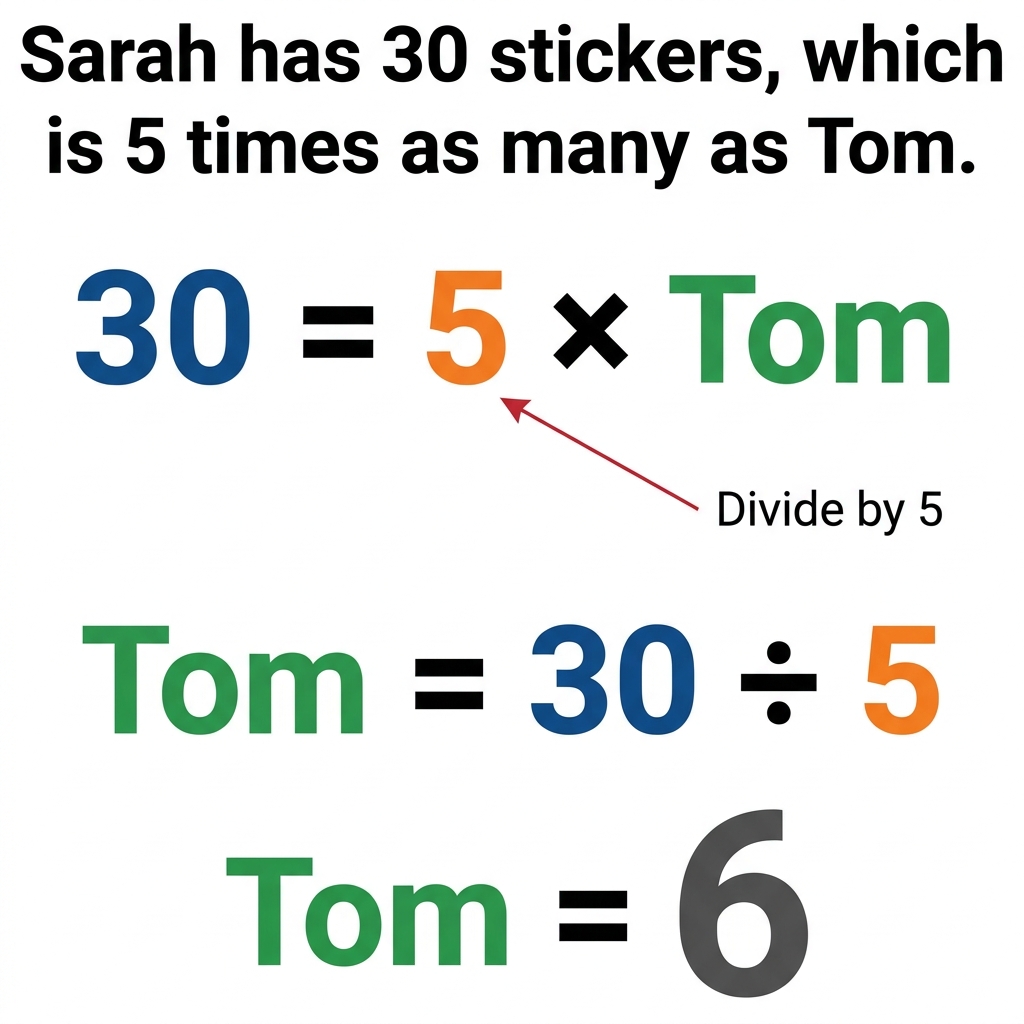
The lesson includes a “why it matters” section using a store manager who needs to order five times as many blue shirts as red shirts. I appreciate this touch because it shows that math is a tool for planning stock, not just a series of problems on a page. I would recommend using this lesson for a whole-class assignment, though it works just as well for a student who missed the week or needs some targeted intervention on this specific skill. If you find yourself in a pinch, it is a very reliable choice for a substitute day because the logic is linear and well-explained.
One caveat: keep an eye on how they define the factors. Some students will flip the numbers, not realizing that 24 equals 6 times 4 is distinct from other relationships. Just have them read the equation aloud every time. If they say the phrase “6 times as many as 4,” they usually catch their own mistakes. It is a straightforward lesson, but it requires that persistent verbal practice to really stick.
Related lessons
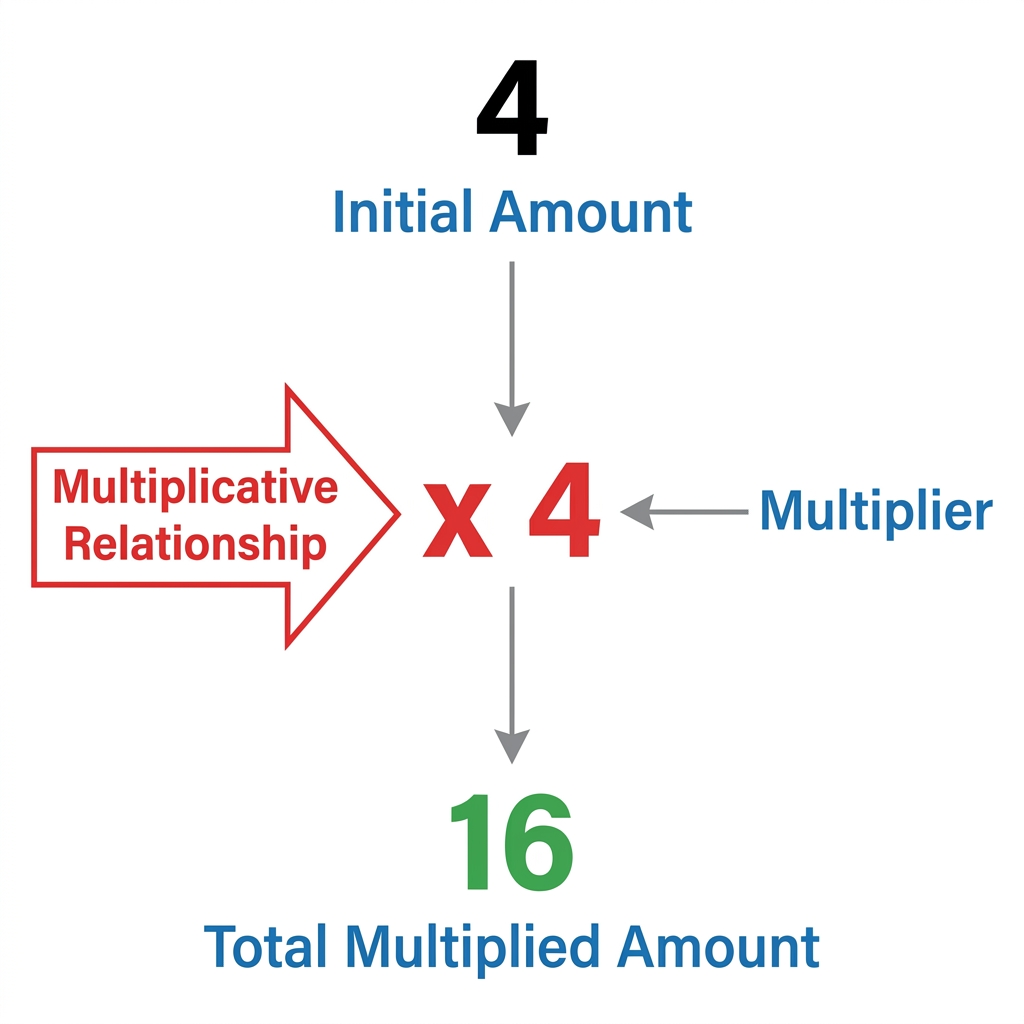
Understanding Multiplicative Comparison, Concepts for comparing quantities using multiplication in fourth grade mathematics
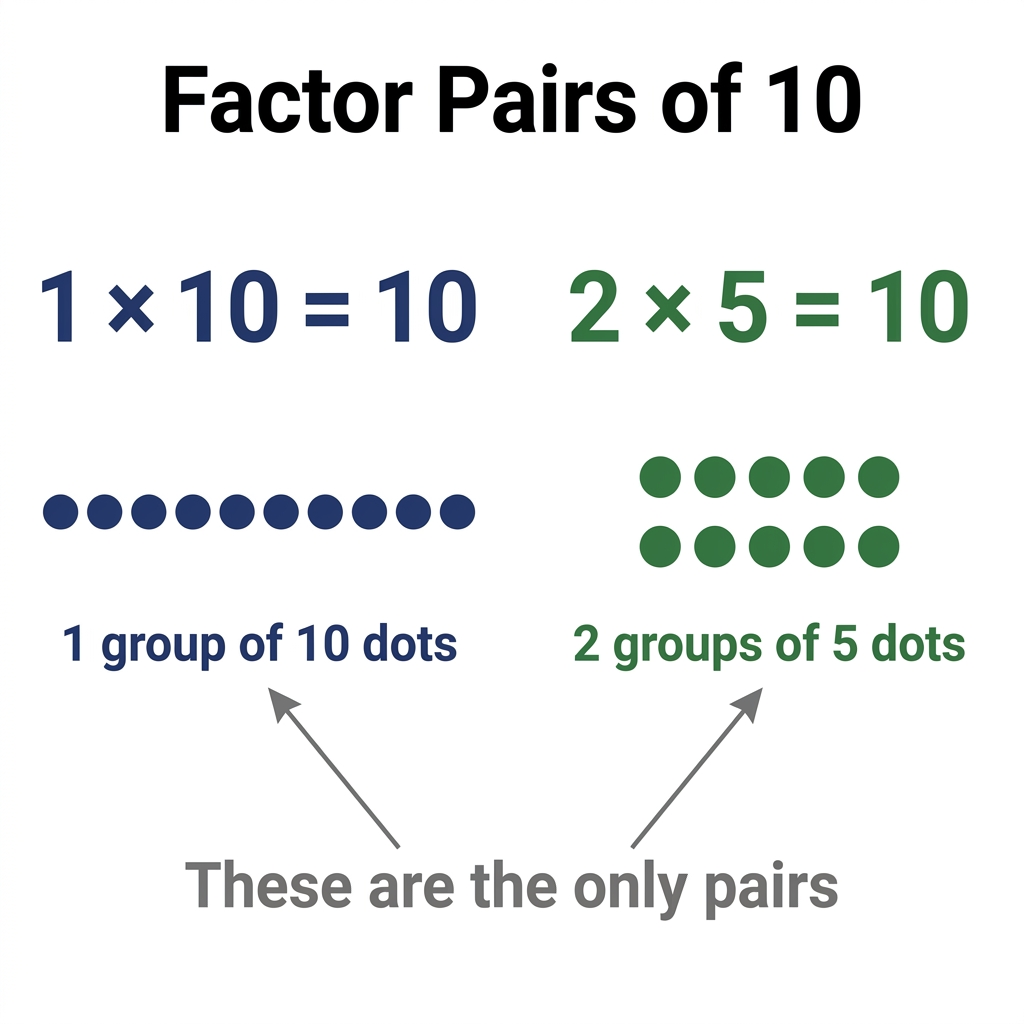
Finding Factor Pairs, Strategies for identifying all factor pairs of whole numbers
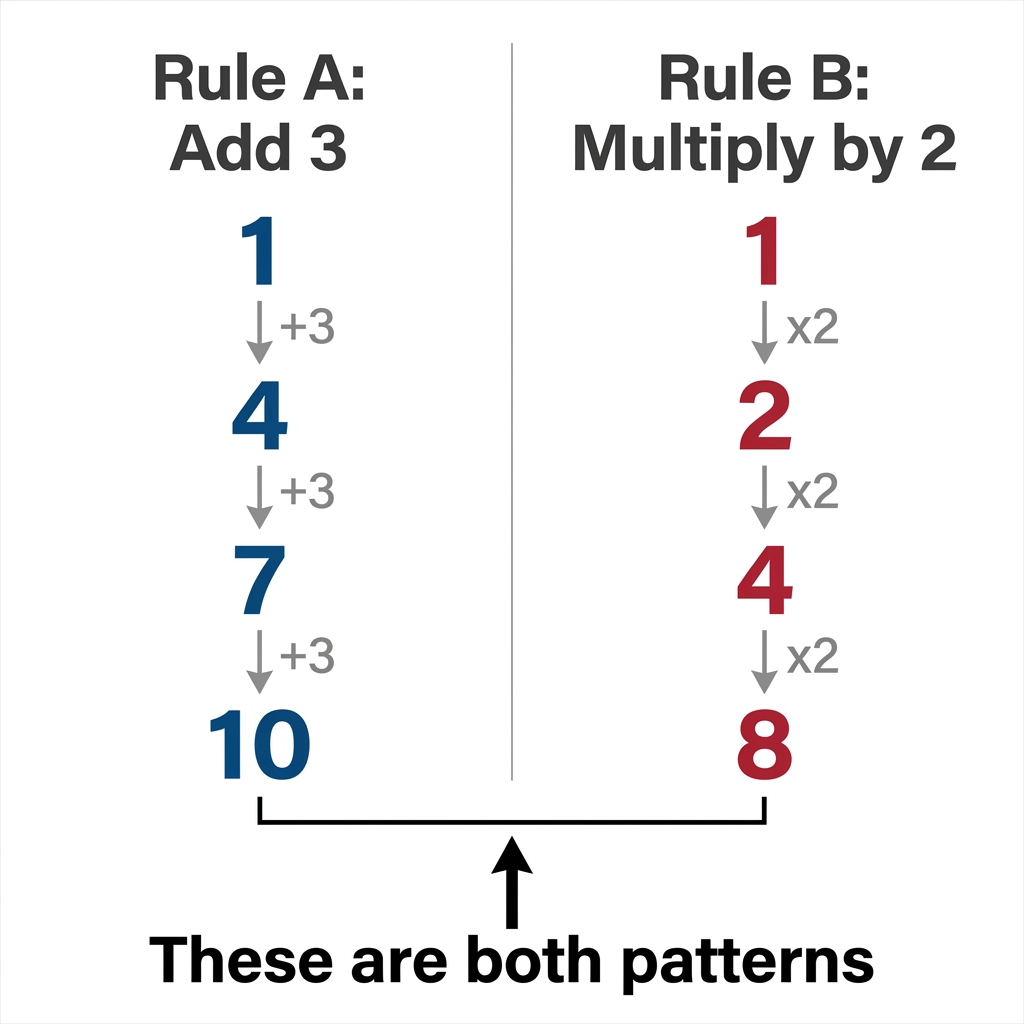
Exploring Number and Shape Patterns, Generating and analyzing numerical and geometric patterns with rules