

Usually, by the time we hit the middle of the year in eighth grade math, students have a firm grasp on basic exponents, but the leap to scientific notation can still trip them up. I like to drop Mastering Scientific Notation into the schedule right after we have solidified their understanding of properties of exponents. It is a natural bridge that keeps them from feeling overwhelmed by long strings of zeroes. Whether you are prepping for a mid-year check or just need a solid eighth grade scientific notation lesson, this one hits the mark without unnecessary fluff.
Students in Anaheim Union High School District, San Juan Unified, Atwater Elementary School District, and Pittsburg Unified all work toward the same proficiency in this domain, and it is a good feeling to know we are using shared, clear definitions across the state to get them there.
How this fits your year
What the lesson actually asks students to do
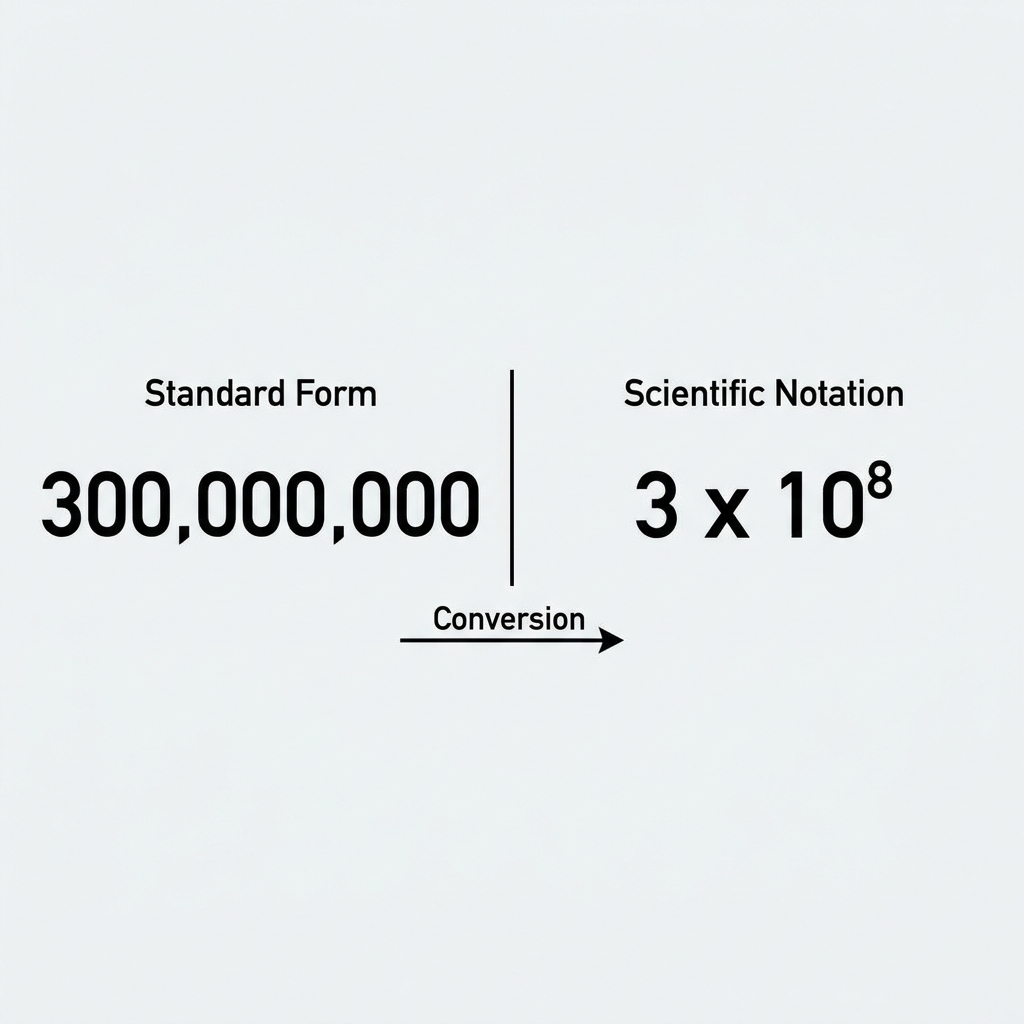
The core objective here is to get students comfortable using scientific notation to solve math problems and, importantly, selecting units that make sense for the scale they are measuring. The lesson defines scientific notation as a way to write very large or very small numbers as a product of a number between 1 and 10 and a power of 10. A power of 10 is described as a number formed by multiplying 10 by itself a certain number of times, written as 10 with an exponent.
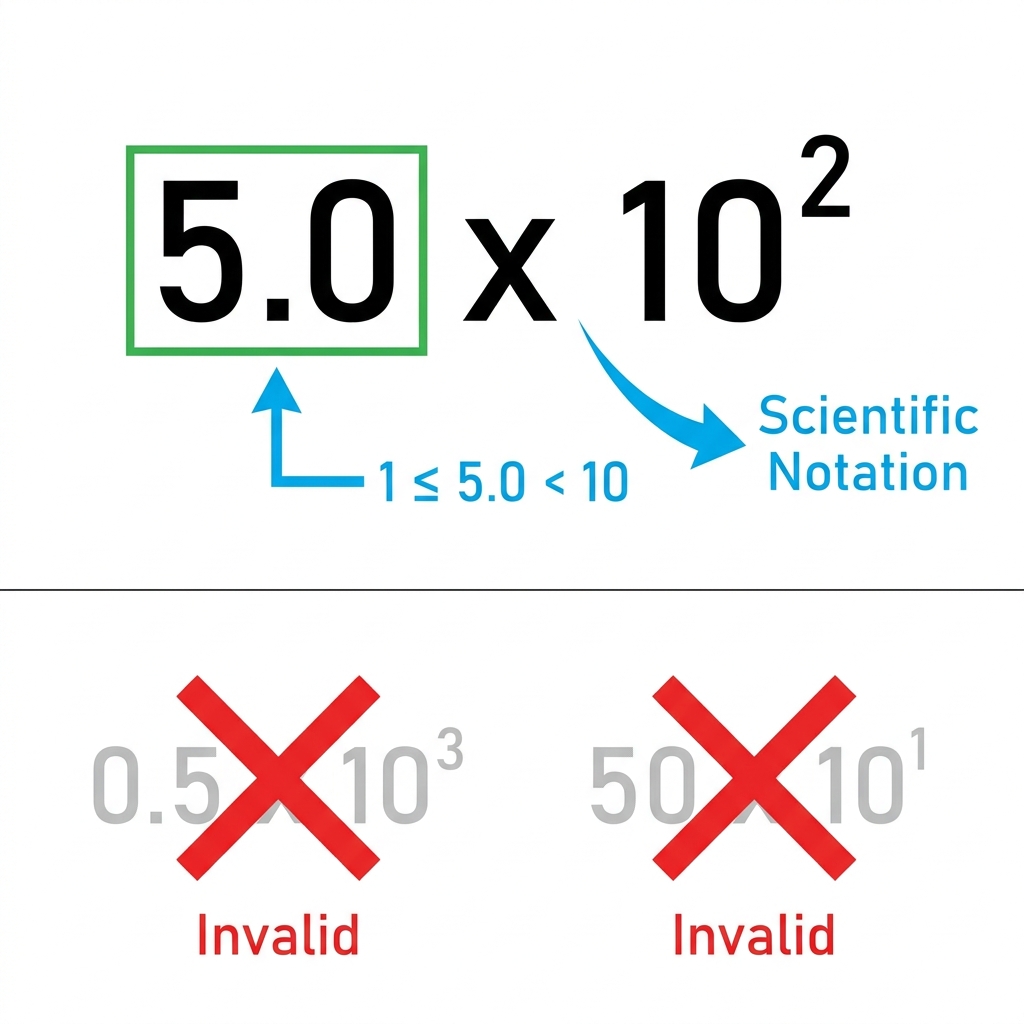
The worked example is straightforward: 5.0 times 10 to the power of 2 is scientific notation because 5.0 is between 1 and 10, and it is multiplied by a power of 10. The lesson builds on prior knowledge by reminding students that they already know how to multiply whole numbers. It then nudges them into the concept by explaining that when we work with very large numbers, we use scientific notation to make them easier to read. The real-world application here is about data analysis. The material points out that analysts use this to interpret satellite data that tracks weather patterns or changes in the Earth surface over time. This helps students see that it is not just about moving decimal points for the sake of an answer key.
Aligning with the state standards
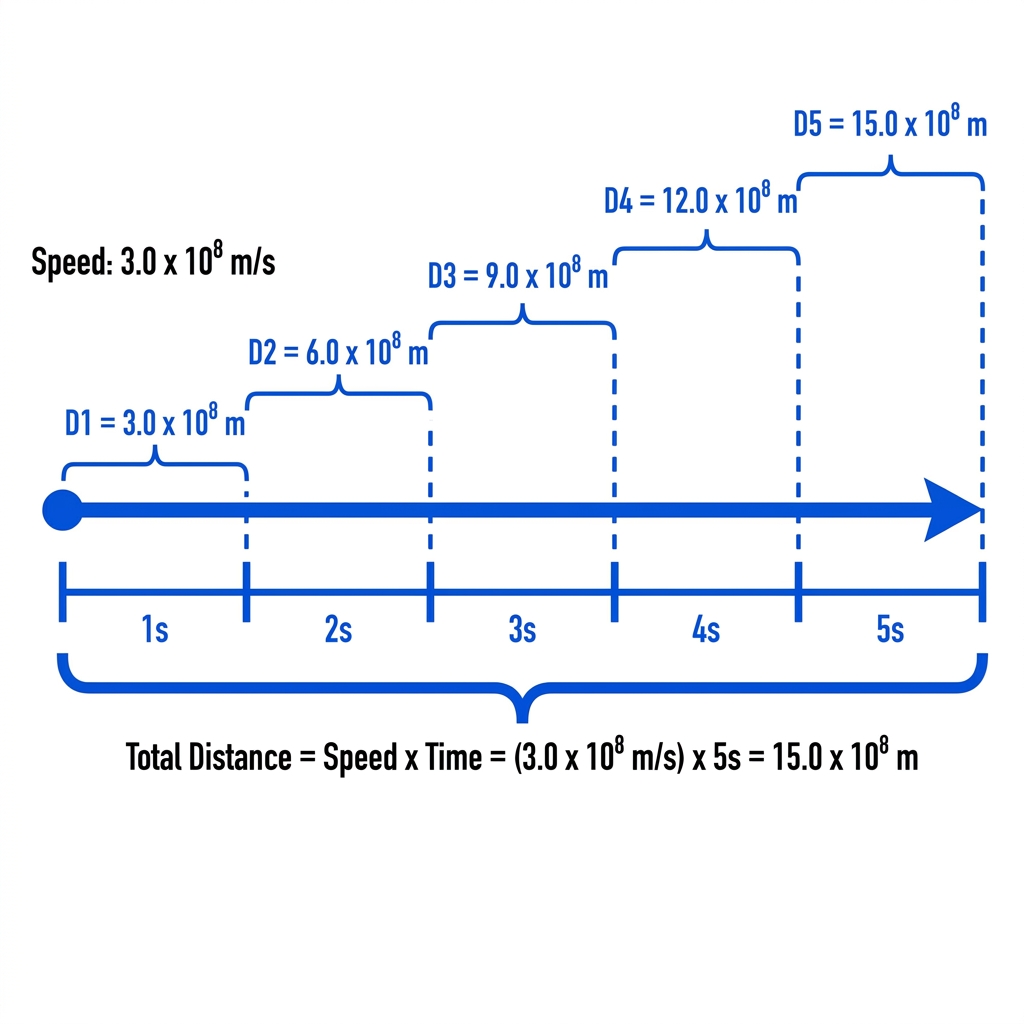
This lesson is built to address CA.MATH.8.EE.4, which is the California-adopted standard for work with radicals and integer exponents. This standard asks that students perform operations with numbers expressed in scientific notation, including problems where both decimal and scientific notation are used. It also covers the vital skill of choosing units of appropriate size for measurements of very large or very small quantities. For example, the standard suggests using units like millimeters per year for seafloor spreading. Finally, the standard requires students to interpret scientific notation that has been generated by technology. It is a heavy standard, but breaking it into these logical pieces makes the work much more manageable for an average 45-minute block.
Where students slip and how to support them
When you get into the guided practice, watch out for how they handle the scale. The lesson uses a scenario about measuring a virus, which is, of course, very small. This is where I see the most friction. Students tend to mix up negative exponents with negative numbers, forgetting that a negative exponent simply denotes a fractional value. My advice is to spend extra time during the virus measurement activity asking them to compare their result to the actual size of a cell or other microscopic objects. If they get a result that does not make physical sense, they often just accept it without looking back.
I find this material particularly useful for a student who missed the week or for independent study. It is also a lifesaver for a substitute day because the instructions are clear enough that a student can work through the definitions and examples independently. If you have a group that needs intervention, you can easily pull them aside to focus specifically on the transition between the decimal notation and the power-of-10 format, while the rest of the class handles the word problems.
Keep an eye on their choice of units. They often get the math right but pick a unit that is too large, resulting in a number that is still cumbersome to read. Remind them that the purpose is readability. If the answer is still difficult to manage, they have not yet mastered the selection of units. It is a quick lesson, but it gives them a real tool for handling complex data sets throughout the rest of the year.
Related lessons
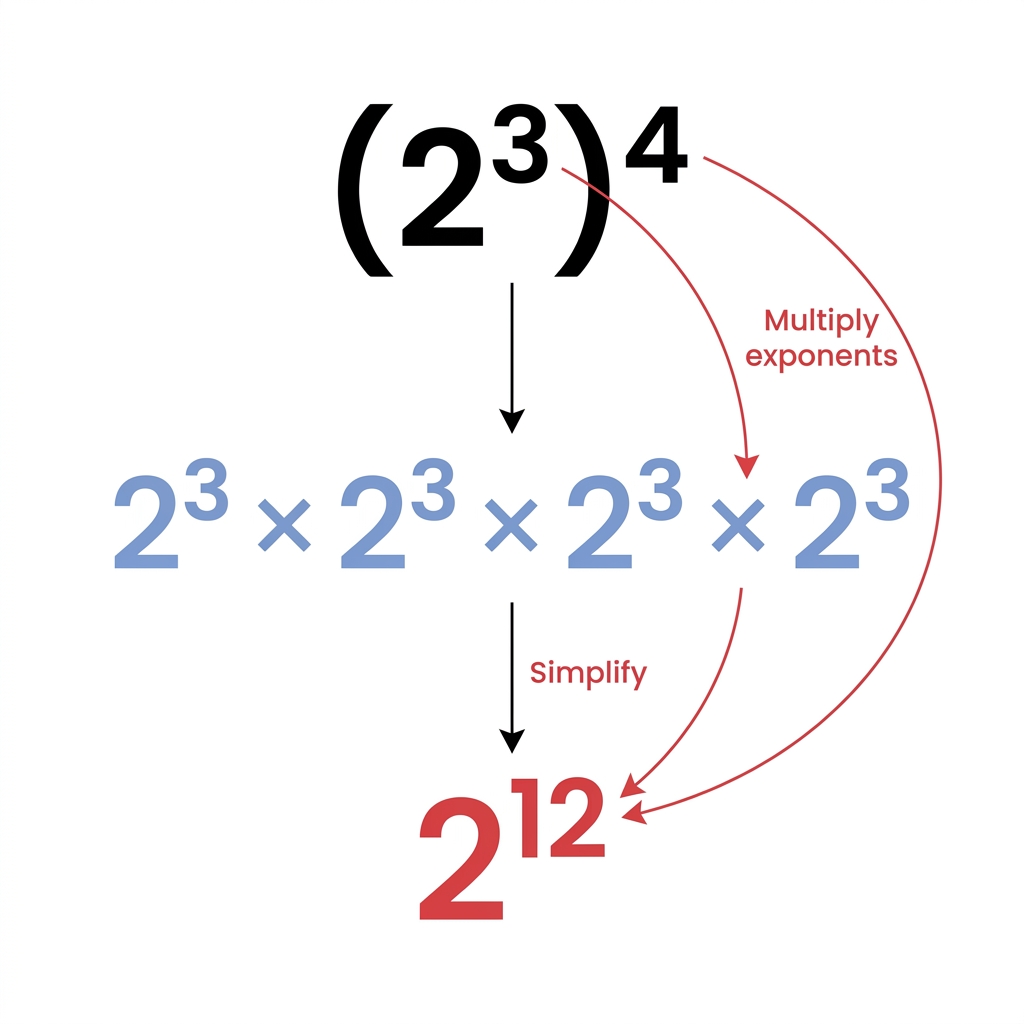
Understanding Integer Exponents, Covers rules for simplifying expressions with various integer exponent values
Understanding Slope and Linear Equations, Explains the relationship between constant rate and linear algebraic equations

Scientific Notation and Magnitude, Focuses on comparing the relative sizes of various scientific notation values