

When we look at the California state standard, we see a specific charge for teachers: Gather and synthesize information about technologies that have changed the way humans influence the inheritance of desired traits in organisms. It is a heavy lift for seventh graders, especially because students often collapse the history of farming into a single bucket. They struggle to see the difference between a farmer saving the best tomato seeds from last year and a lab technician using advanced tools to edit a genome. In my classroom, I found that students often assume all modification is the same, or conversely, they think everything happening in a field is just nature taking its course without human intervention. This confusion makes it difficult for them to grasp how we actually change the inheritance of traits.
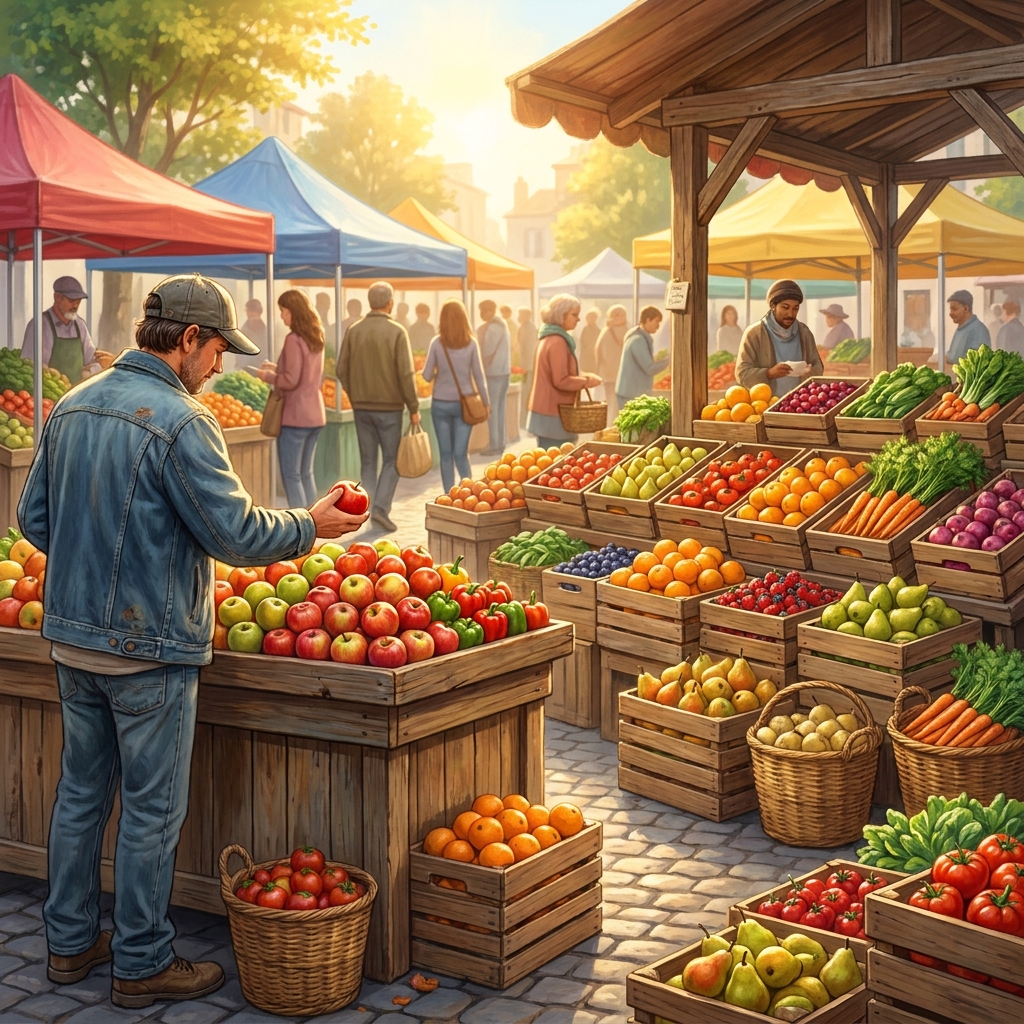
This is where Human Influence on Agricultural Traits steps in to clarify things. The lesson is designed for a seventh grade science class and provides a clear bridge between traditional breeding and modern biotechnology. The core concepts revolve around artificial selection, mutation, and biotechnology. By starting with the familiar ground of the California Central Valley, the lesson shows how farmers have worked with heirloom tomatoes for generations. It grounds the abstract science in a tangible observation task where a farmer looks at four different plants to choose the one with the largest fruit. It works because it starts with what they might recognize in their own pantry before moving to more complex laboratory concepts.
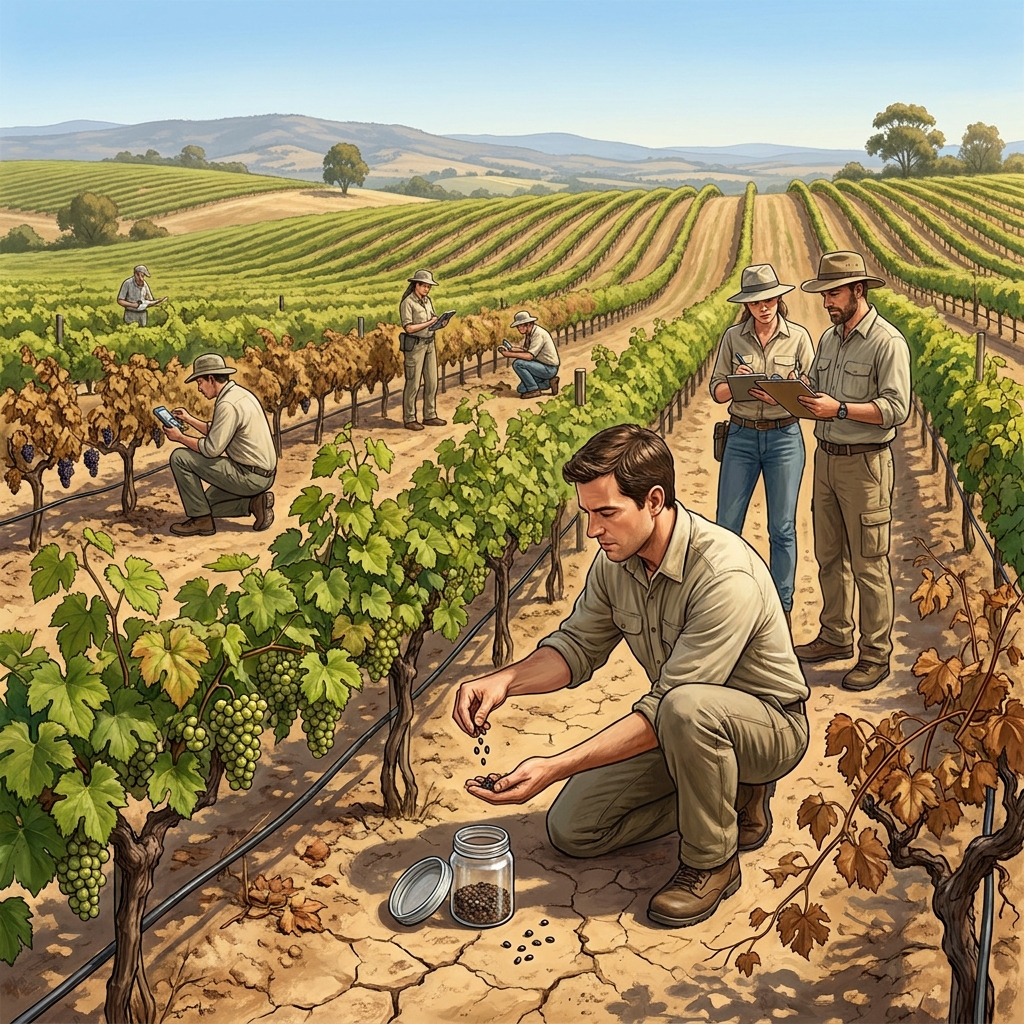
You will find this same standard taught across our state, from classrooms in the Tulare City School District to the William S. Hart Union High School District, the Byron Union Elementary School District, and the Merced City Elementary School District. This consistency is important because the curriculum provides a common language for discussing how humans influence inheritance. Whether you are teaching this as a whole-class assignment, an intervention for students who need more practice with the concepts, or as independent study material, it keeps the focus on the actual mechanics of change. The lesson also connects to the California-adopted MS-LS4-5 standard. It explains how technology is not just an add-on, but a fundamental tool for survival. One detail I appreciate is the explicit inclusion of the California-specific addition to the standard, which asks students to look at things like drought-resistant crop varieties, sustainable viticulture, and aquaculture innovations right off our own coast.
How the lesson manages complex science
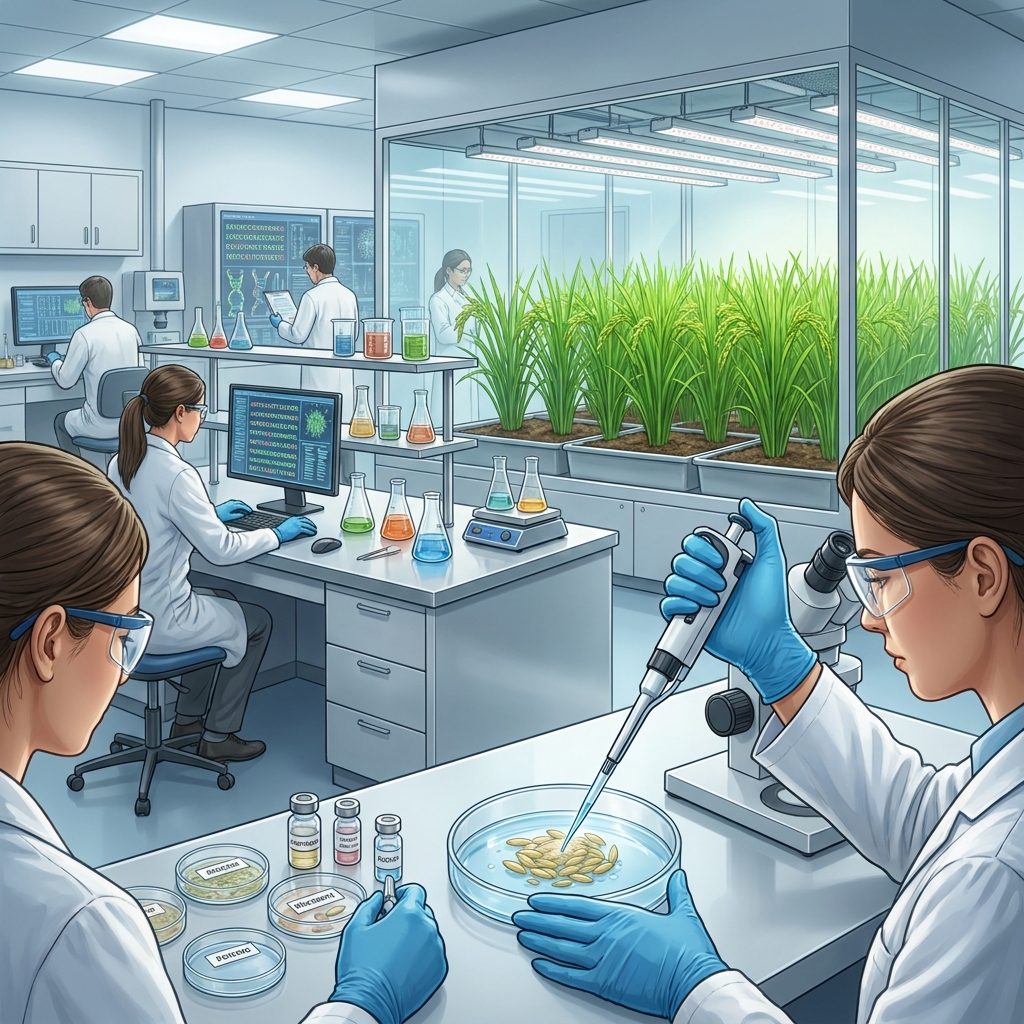
The lesson moves from those heirloom tomatoes into a much more precise territory. It uses the specific example of CRISPR, a tool used by scientists to edit the genes of rice to make it drought-tolerant. This is a vital distinction. When we talk about artificial selection, we are often talking about choosing traits that already exist within a population. When we talk about CRISPR, we are talking about changing the genome to introduce or refine a trait that allows for survival in harsh conditions. For a seventh grader, this distinction between selective observation and active gene manipulation is the key to mastering artificial selection biotechnology lesson materials. It stops them from thinking of biotechnology as magic and helps them see it as a targeted engineering process.
The guided practice is perhaps the strongest part of the lesson. It asks students to look at the phenomenon of kelp-integrated oyster farming. It forces them to synthesize what they have learned about human influence and apply it to a real, modern system. Instead of just memorizing definitions, they are analyzing how the integration of two different species helps create a more sustainable environment. I find that this is where students start to lose the idea that all human influence is negative or simple. They begin to see that it is a tool meant to ensure we still have enough food as the climate changes. That shift in perspective is exactly what we want for our students.
Where students often struggle with these topics
The biggest hurdle for seventh graders is usually the speed at which we move from simple observation to high-level genetics. If you rush through the heirloom tomato example, they will not have the mental framework to understand why CRISPR is different. I recommend spending a bit of extra time on the introductory activity. Ask them why a farmer would choose one tomato over another. If they can articulate the benefit of size or flavor, they can understand the pressure applied during artificial selection. Once that is locked in, the jump to laboratory-based biotechnology becomes much more manageable.
One limitation of the lesson is that it is quite dense for a forty-five-minute session. If your students are not already comfortable with the basic concept of genes or traits, they might get bogged down in the vocabulary. I suggest pre-teaching a few terms before opening the file. Make sure they understand that artificial selection and gene editing are parts of the same standard, one serving as the foundational concept and the other as the technological evolution. The lesson handles this well by keeping the examples very specific and avoiding excessive jargon, but a teacher who anticipates the need for a bit more scaffolding on the difference between traditional breeding and modern editing will see much better results. This is a practical resource for any teacher who needs to hit these life science standards with precision and wants to keep the discussion rooted in the reality of our food systems.
Related lessons
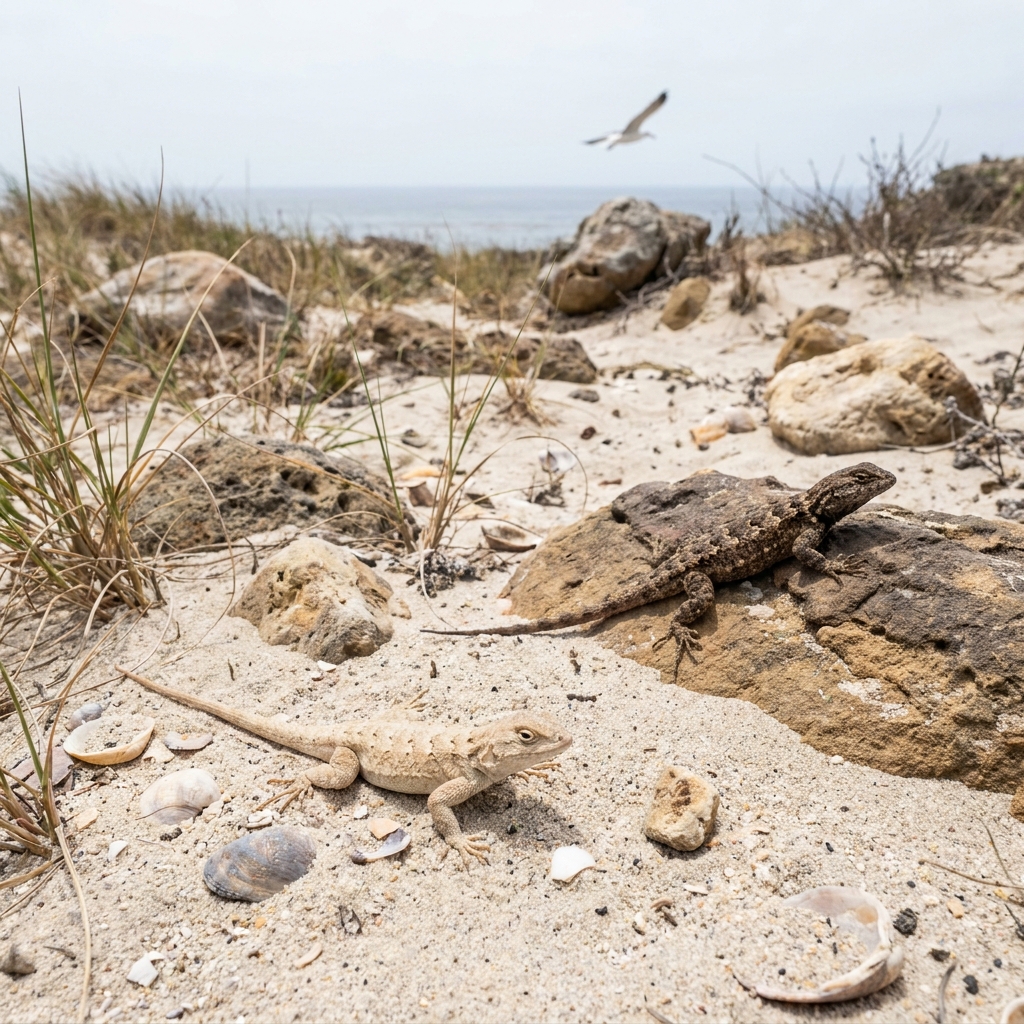
Survival of the Fittest: Traits and Environments, Explores how specific traits help organisms survive in various environments
The Body as a System, Covers how organ systems work together to keep bodies functioning
Ecosystem Disruptions and Population Stability, Discusses how environmental changes impact the stability of local populations