

You see an eighth grade student staring at a map of the United States in 1800. They trace the Mississippi River with their finger, looking confused as to why everyone was so worried about shipping routes when there was clearly plenty of room to roam. That moment is the perfect entry point for the Growth and Change in the Early Republic lesson. It connects that map work to the actual decisions made during the terms of the first four presidents.
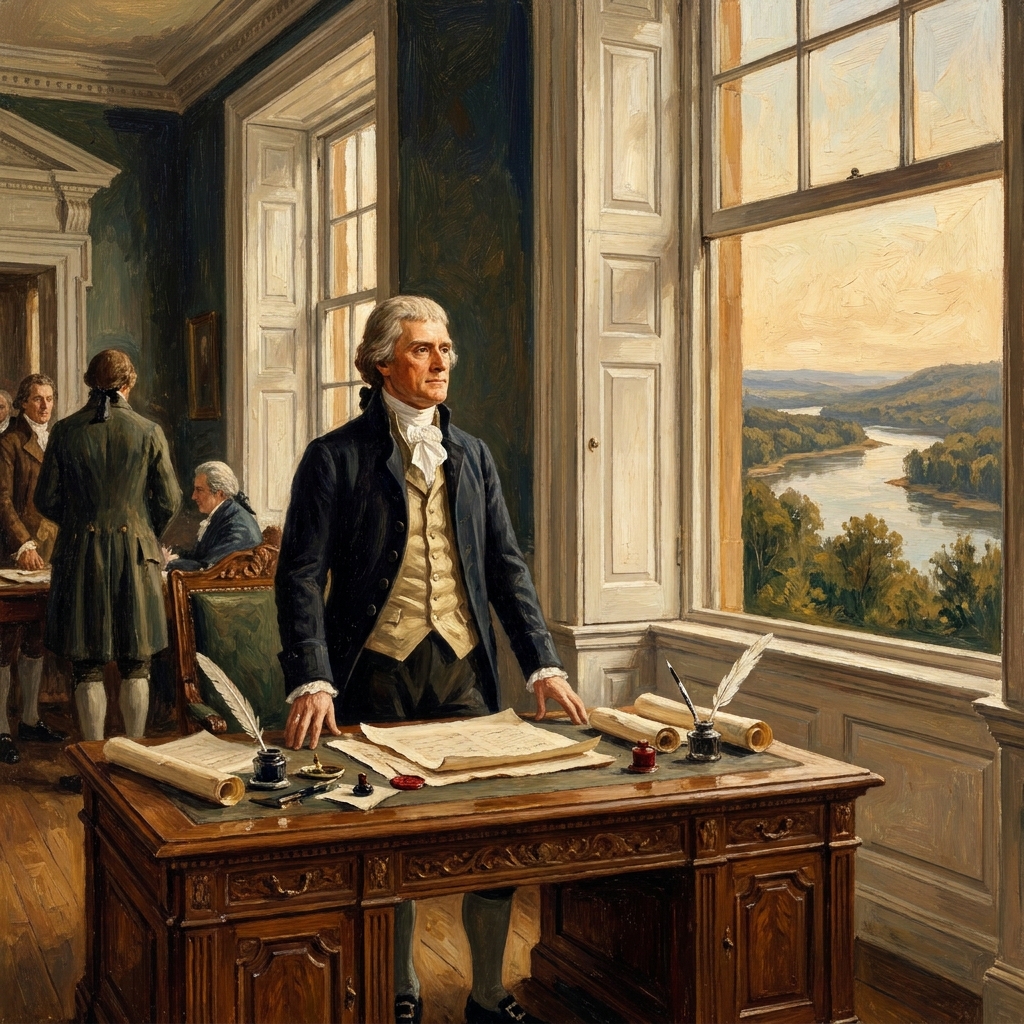
This 8th grade social studies lesson covers the foundational expansion of our country. It starts by acknowledging that the United States began as a collection of 13 original states along the Atlantic coast and that these states faced the immediate, practical problem of how to govern themselves while managing a shared political future. The lesson uses specific examples, such as the Louisiana Purchase in 1803, to show how President Thomas Jefferson doubled the size of the nation by purchasing land from France. This act was not just a transaction: it was a catalyst that forced the government to create new policies for managing vast territories.
Understanding the physical and political shift
The lesson asks students to grapple with three core definitions that help them organize this period. These are the building blocks for the rest of your 8th grade social studies year:
- Territorial expansion: The act of a nation acquiring new land, which alters its national borders and necessitates the creation of new systems of governance for those regions.
- Political division: A disagreement between groups of people about how the government should operate or what laws should be passed.
- Physical landscape: The natural features of an area, such as mountains, rivers, and plains, that affect how people travel and settle.
By engaging with these terms, students see that geography is not just a backdrop. It is an active player in how decisions are made. For instance, the guided practice focuses on the Mississippi River as the primary path for western farmers to ship goods to global markets. When you use this 8th grade territorial expansion lesson, you are helping them see that these early choices set the stage for our current city layouts and land usage. If they do not grasp why that river mattered, the later lessons on industrialization or western migration will feel unmoored.
The material serves CA.HSS-8.4.1, the California-adopted standard that requires students to describe the physical landscapes, political divisions, and territorial expansion of the country during the terms of the first four presidents. This standard ensures that students understand the aspirations and ideals of the people of the new nation as they pushed beyond their original borders. Teachers in districts such as Elk Grove Unified, Riverside Unified, Walnut Creek Elementary School District, and Carpinteria Unified all use this same standard to build a foundation for historical thinking across the state.
Practical application in the classroom
I find that this lesson works best when you stop to talk about the tension between the physical landscape and the political needs of the time. We often treat these early presidential terms as a static list of names and dates, but the reality is that the country was fragile. The physical geography created immense pressure for expansion, and that pressure created deep, long-lasting political divisions. When a student understands that the Mississippi River was not just a water feature but an economic lifeline, the Louisiana Purchase makes much more sense as a pragmatic, necessary move rather than just a name in a textbook.
You can use this lesson as a whole-class assignment to kick off your unit on growth and conflict. It also works perfectly for a student who missed the week and needs a solid overview, or for an independent study module where a student needs to get the main points without extra fluff. If you have a substitute teacher coming in, this lesson is structured enough to be self-contained but rich enough that the students will actually learn something substantive.
The biggest hurdle students hit is the idea that the government had to reinvent its systems of governance just because the map changed. They often assume that the rules for New York should work for the Louisiana Territory, but the lesson does a good job of showing that new land often demands new laws. It is a good time to remind your class that history is a series of responses to new circumstances, not just a set of pre-ordained events. If you approach the lesson with that mindset, your students will see the early republic as a project in progress rather than a finished story.
Related lessons
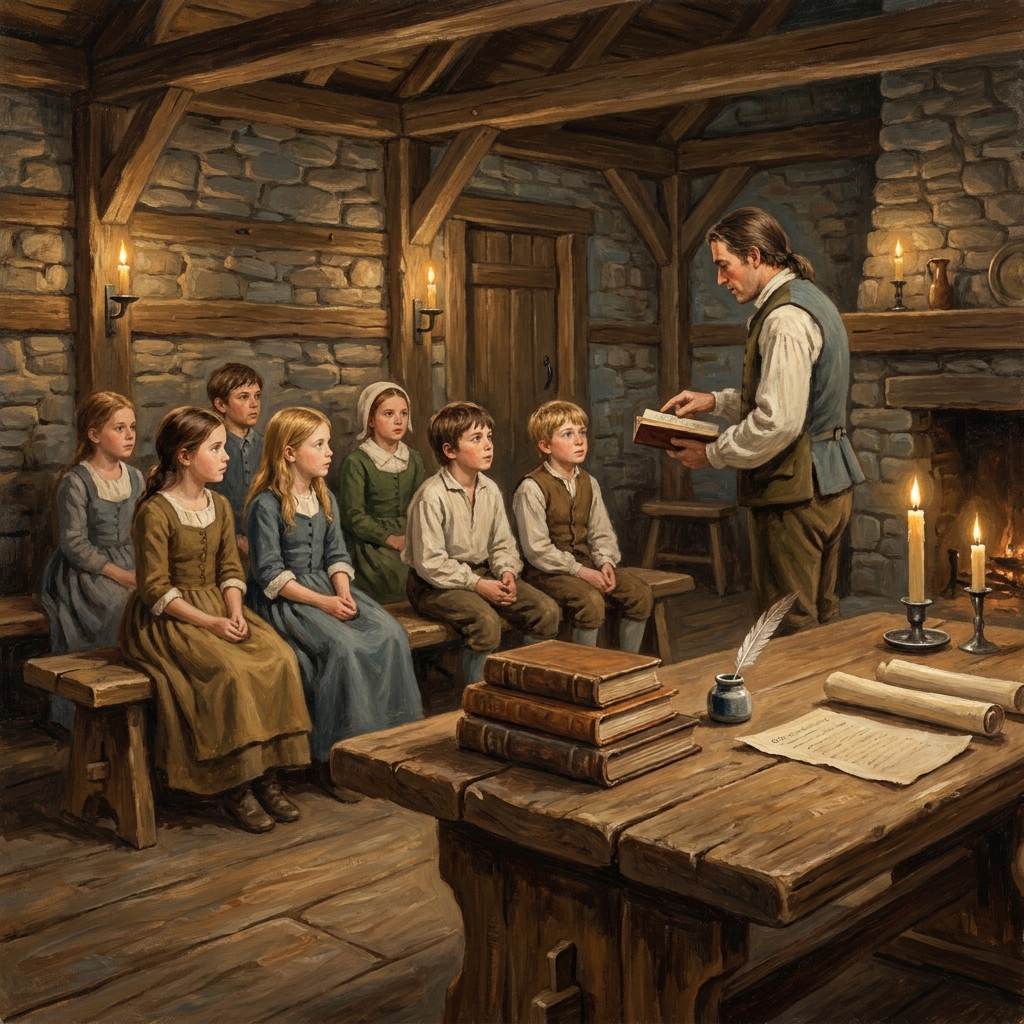
The Northwest Ordinance: Schools and Freedom, Covers early national land management and the role of schools
The Industrial Transformation of America, Discusses the rapid change in economic systems across the country
Privatizing the Frontier: The Land and Northwest Ordinances, Details the process of dividing and selling federal land