

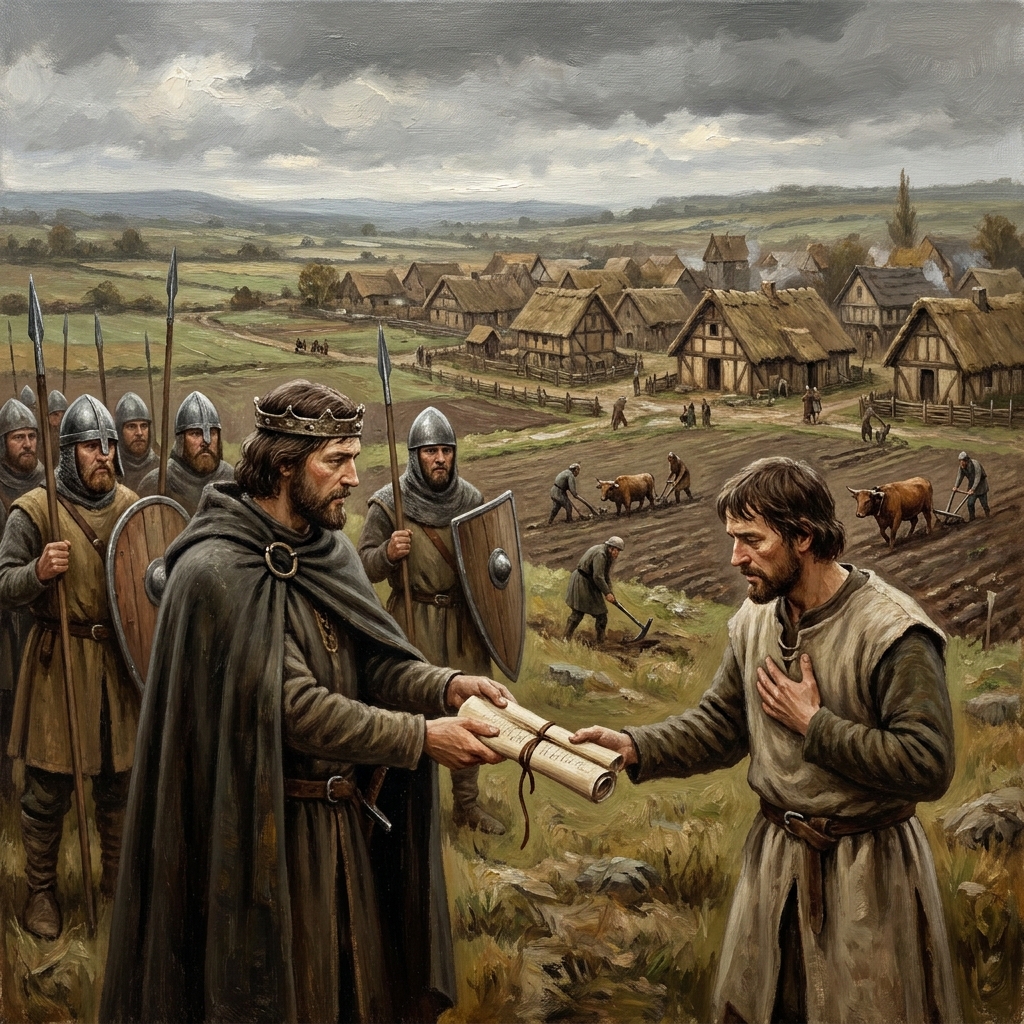
The biggest mistake seventh graders make when studying the Middle Ages is treating it like a fantasy story where the only thing that matters is how shiny a suit of armor is. They focus on knights and dragons while missing the entire structural backbone of the time. When I teach this, I find I have to pull them back to the reality that this was a rigid, survival-based system. Students need to understand that the lives of people back then were dictated by who owned the land, who worked the land, and where the boundaries of that land were drawn.
This is where Feudalism and Life in Medieval Europe comes in. It moves past the romanticized version of history and focuses on the actual mechanics of the feudal system. If you are teaching 7th grade social studies, this is a clean, straightforward way to handle the complexities of land ownership and social hierarchy without getting bogged down in unhelpful myths.
Addressing the common misconception about medieval systems
The standard governing this work is CA.HSS-7.6.3, which asks students to do four distinct things: understand the development of feudalism, recognize its role in the medieval economy, analyze how physical geography influenced it, and identify how these relationships built the political order. Whether you are teaching in Santa Ana Unified, Ontario-Montclair School District, Marysville Joint Unified, or Waterford Unified, this is the core requirement for your students to meet the California-adopted standard. It is not just about memorizing names; it is about grasping the mechanics of a society that functioned based on mutual, if unequal, obligation.
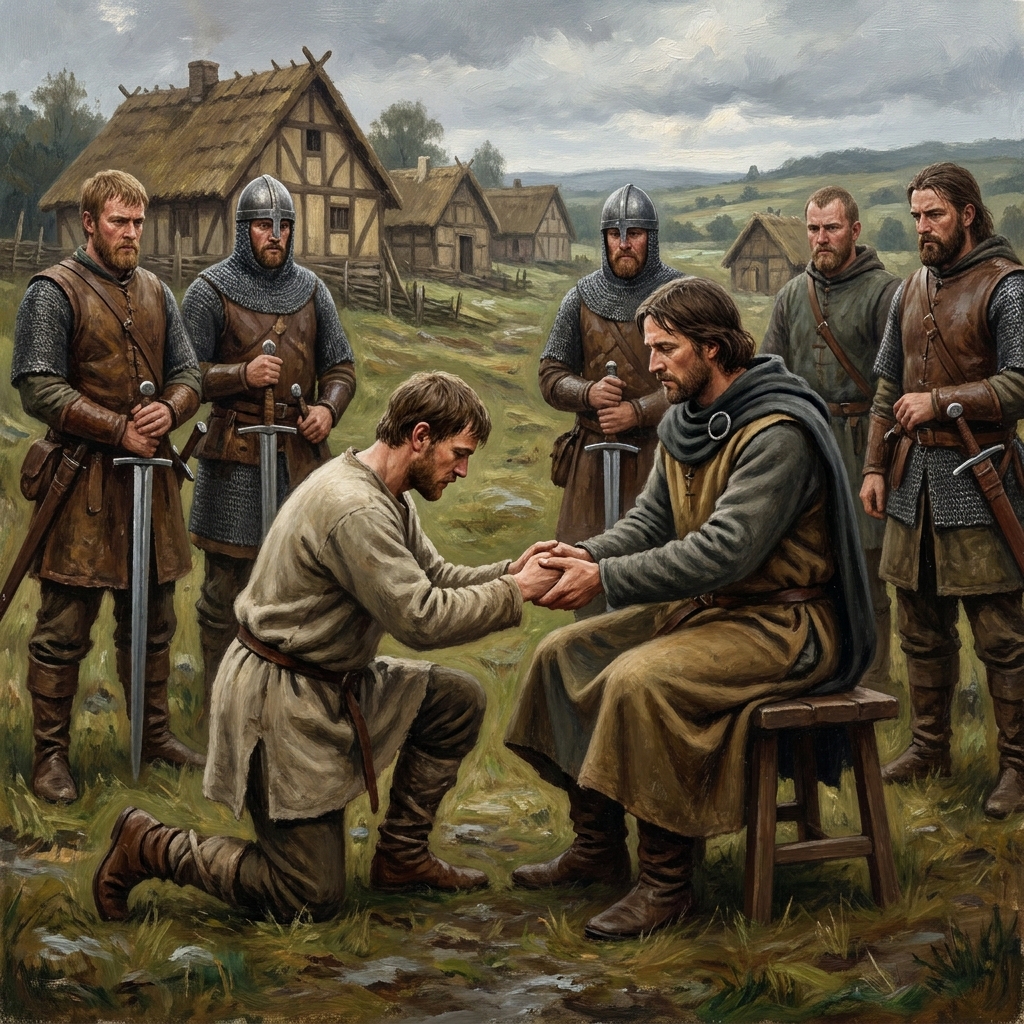
To reach this goal, the lesson defines key vocabulary terms that keep the discussion grounded. Feudalism is defined as a social and political system where land was held by lords and worked by peasants in exchange for protection and loyalty. The Manor is identified as a large estate owned by a lord that included farmland, a village, and a church, acting as the center of the medieval economy. Finally, a Vassal is defined as a person who received land from a lord and promised to provide military service or other support in return. These terms are the tools your students need to unpack the rest of the unit.
Analyzing the standard through a clear lens
You can find the feudalism in medieval Europe lesson useful because it relies on concrete examples rather than abstract theory. For instance, the lesson explains a scenario where a king grants a large estate to a noble, who then promises to provide soldiers for the king’s army in return. This shows students that feudalism was really a business arrangement of land for loyalty. It turns the hierarchy into a cause-and-effect relationship, which is much easier for a seventh grader to visualize than a flowchart of nobility.
The lesson also addresses the role of geography. Students look at how towns sprouted at the intersection of trade routes, moving away from the isolated life of the manor. By using natural harbors and river junctions to build infrastructure, these towns changed the economic environment entirely. This shift helps students see that feudalism wasn’t static; it changed based on where people lived and how they moved goods.
How the lesson uses scenarios to build understanding
I find this material works perfectly for a few different classroom situations. It is an excellent whole-class assignment for when you are starting the medieval history unit, but it also works well for a student who missed the week and needs to catch up on the foundational concepts of the era. If you are ever stuck with a substitute day, having this set and ready for students to work through is a reliable way to keep the class moving through the required curriculum. It requires about 45 minutes, which fits neatly into a standard middle school period.
By the time students finish this, they should understand that while we have replaced these bonds with modern laws and civic systems, the core human need for security and organization remains. Referencing CA.HSS-7.6.3 during your summary at the end of the class helps students connect these old power structures to the society they live in today. It keeps the history relevant without trying too hard to be trendy, which is exactly what a 7th grade class needs to keep their focus.
Where this material fits in your week
Related lessons
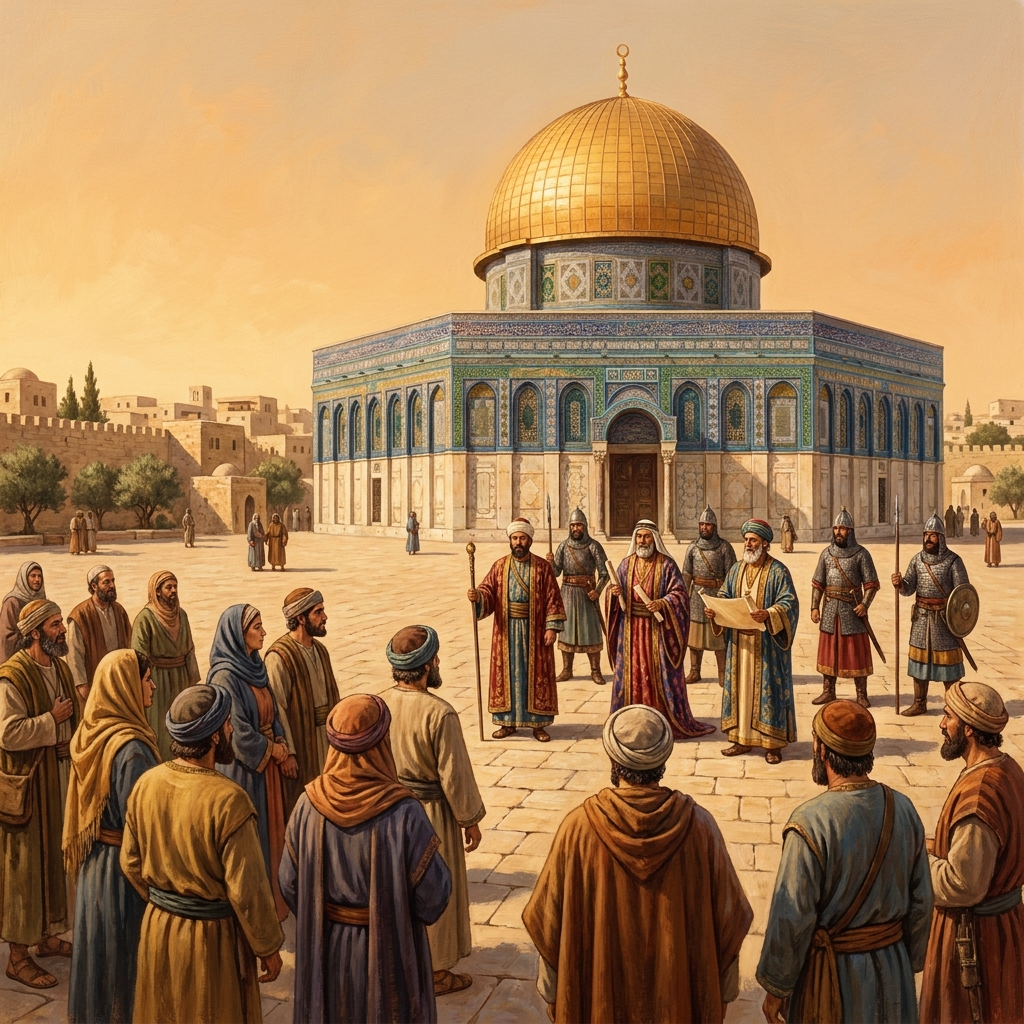
Islamic Civilizations in the Middle Ages, Overview of medieval Islamic history and societal advancements
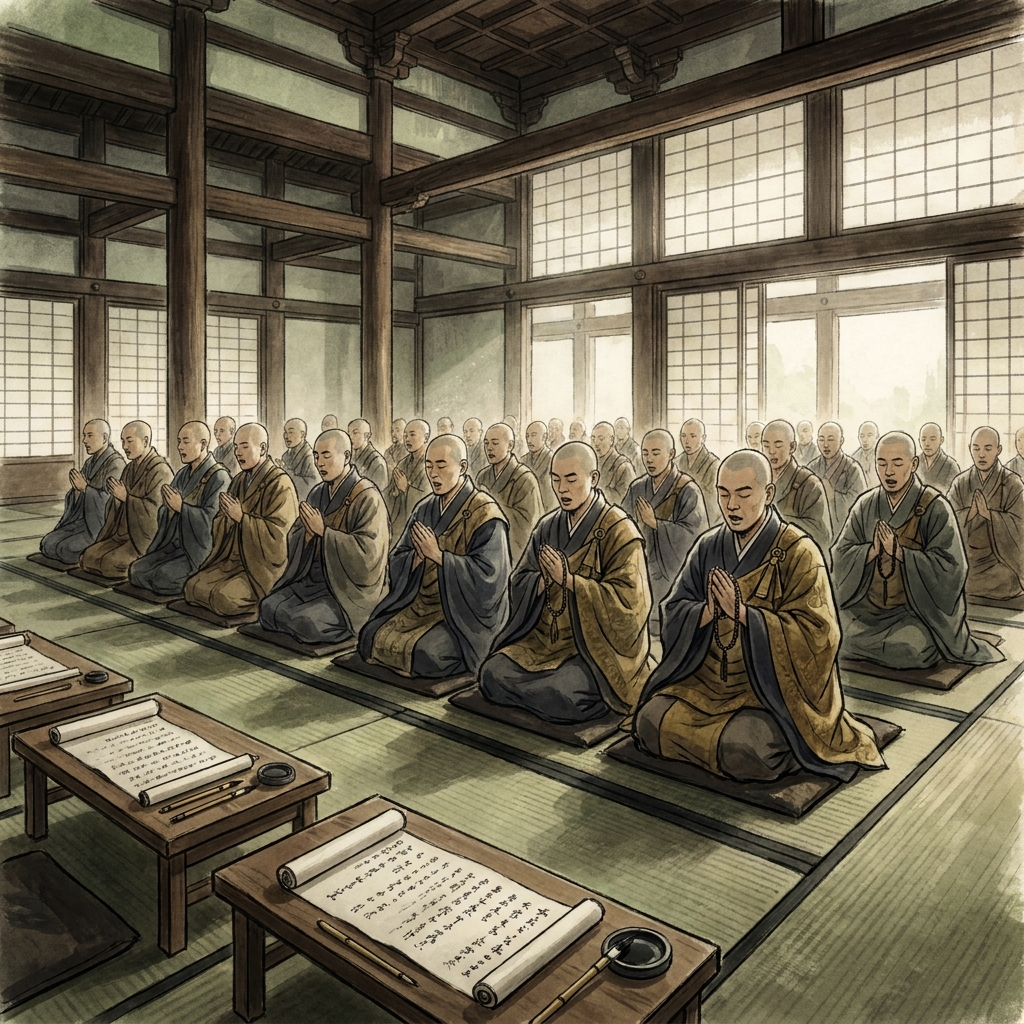
The Evolution of Japanese Buddhism, Historical progression of Buddhist practices in Japan
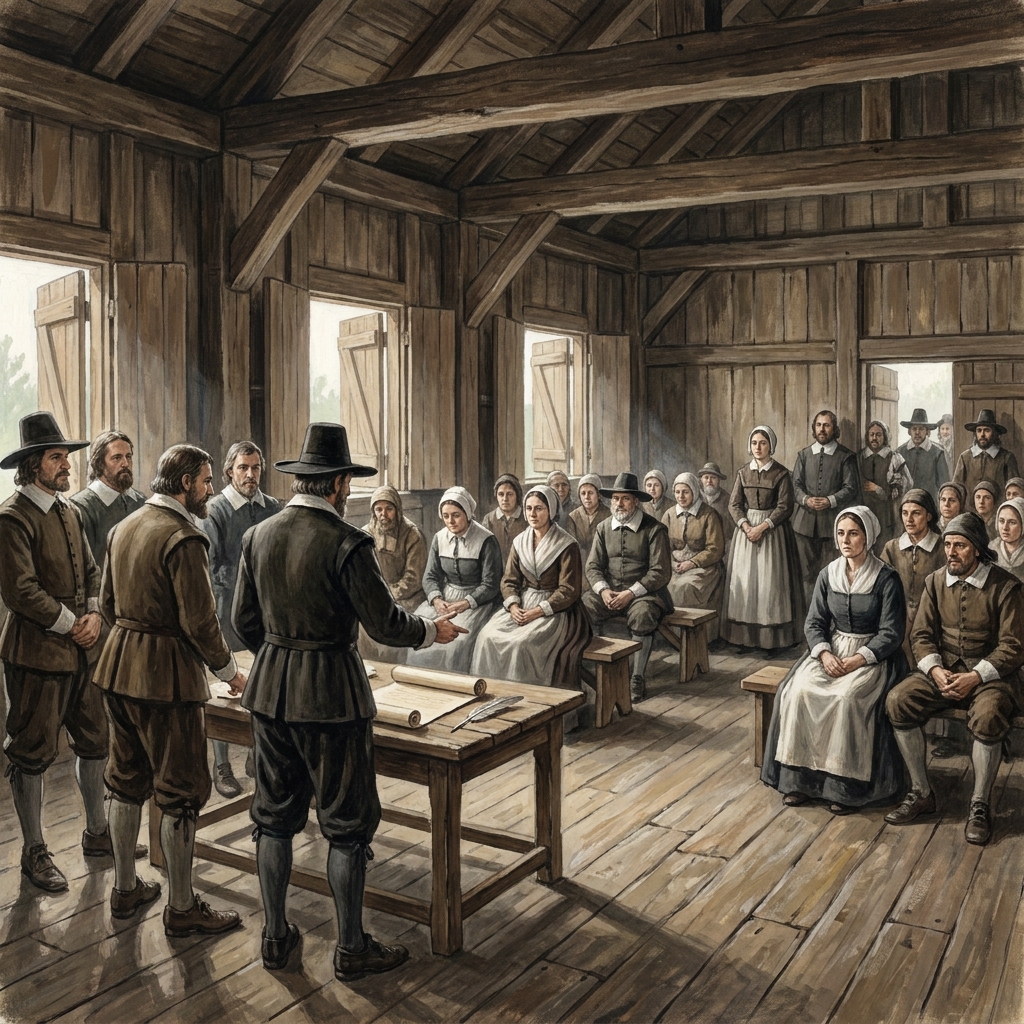
Protestant Self-Governance and Democratic Ideas, Connection between religious reforms and political structures