


When you present a class with a claim that solar panels reduce electricity bills by 50 dollars, the immediate reaction is often a mix of belief or skepticism. In a 5th grade English Language Arts classroom, this exact scenario acts as an entry point for Supporting Your Points with Evidence. It is a simple example, but it perfectly illustrates how a writer moves from a broad claim to concrete data. When students begin to dissect these small arguments, they start to see that informational writing is not just a collection of sentences, but a structure built on specific components.
This lesson introduces the vocabulary necessary for students to analyze text logic: a point is the main message, a reason explains why that point matters, and evidence provides the facts or data. Teachers at Mt. Diablo Unified, Orange Unified, Soledad Unified, and Panama-Buena Vista Union School District all follow the same expectation for students to map these connections in their reading. By walking the class through the relationship between these three terms, you give them a framework for evaluating not just textbooks, and additionally news articles or persuasive essays they might encounter elsewhere.
Breaking down the author’s logic
The core of this 5th grade informational text evidence lesson is the understanding that authors must prove their assertions. The curriculum asks students to identify the point, locate the supporting reason, and pull out the specific evidence. For instance, in a passage about school recycling programs, the class evaluates why these initiatives matter. Instead of just identifying the topic, the students must now isolate the author’s stance and the facts used to uphold it. This moves beyond basic comprehension and asks for structural analysis.

This work supports CA.ELA.RI.5.8, which requires students to explain how an author uses reasons and evidence to support particular points in a text. This is a California-adopted standard that demands more than finding the main idea. It asks students to isolate specific evidence and explain exactly how that evidence validates a specific point. If a student can tell you that a statistic about electricity costs justifies a claim about financial savings, they have mastered this standard.
Why this matters for student writers
When students learn to spot evidence in someone else’s work, their own writing improves. They begin to see that a paragraph needs more than just a strong opening sentence. It needs a scaffold of reasons and factual support. Watching them work through the provided guided practice is illuminating. You will notice that some students confuse the author’s opinion with the evidence itself. Catching this early is important. When you see a student struggling to find the evidence, point them back to the text and ask if the sentence they chose is a fact or an explanation.
Classroom applications
This lesson is quite flexible and works well as a whole-class assignment when you are beginning a new unit on informational texts. It also works as a high-quality bridge for a student who missed the week, as it covers the foundational skill of reading nonfiction. You might even consider using it for independent study if a student needs a quick review on identifying an author’s argument. Because the text scenarios are brief and clear, the students focus on the task of mapping evidence rather than getting lost in complex or overly long passages.

Common pitfalls to watch for
Students often stop at the first reason they find. They find one fact and assume their work is finished, ignoring the rest of the author’s claims. When they work on these pages, circulate and check for the depth of their responses. Ask them if the author has provided more than one reason to support their point. You are looking for them to distinguish between the primary argument and the supporting details. If a student can identify multiple pieces of evidence, they are ready to move on. If they struggle, have them work in pairs for the guided practice section before they attempt the individual exercise.
Related lessons
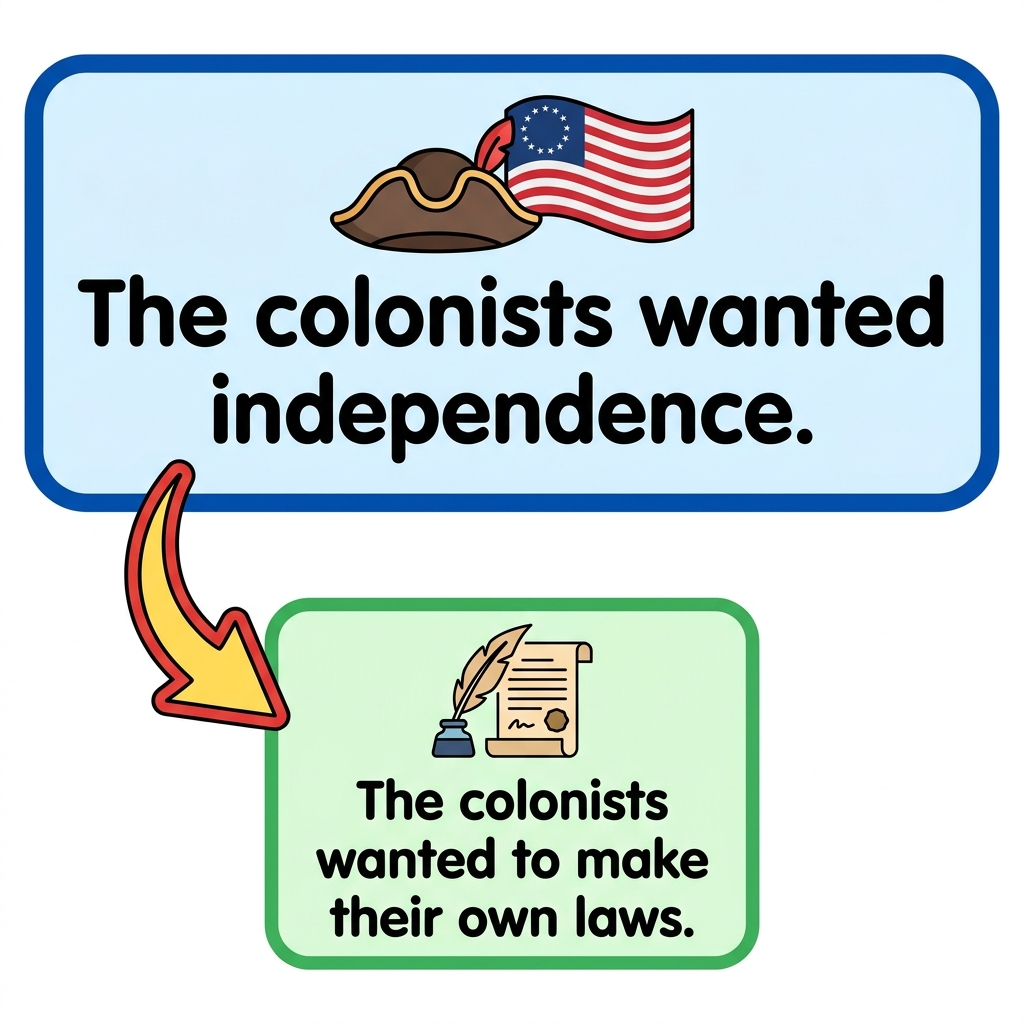
Finding Key Details in Informational Text, Teaches students to identify specific facts within an informational passage
Finding Main Ideas and Supporting Details, Focuses on identifying central points and their accompanying supporting information
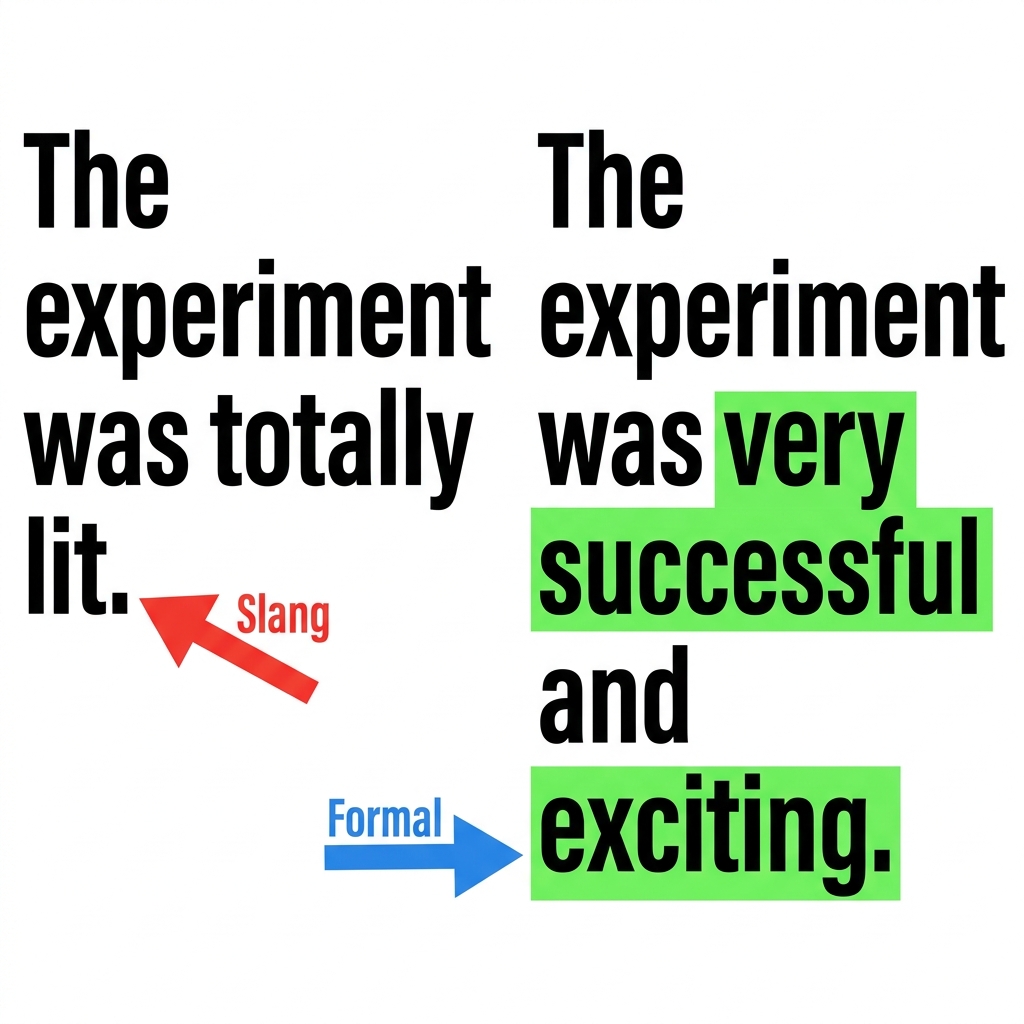
Understanding Words in Informational Text, Covers vocabulary acquisition and context clues in nonfiction reading materials