


Teaching second graders to slow down and articulate their thoughts is one of the quietest battles a primary teacher fights every single day.
We all know the frustration of a quick, one-word response when we are looking for a thoughtful explanation. The Speaking in Complete Sentences lesson is designed exactly for that moment in your 2nd grade English Language Arts block. It moves students past simple grunts or truncated phrases by giving them the specific tools to form sentences that actually carry weight. At its heart, the lesson defines a complete sentence as a group of words that expresses a whole thought and includes both a subject and an action. It also introduces the idea of a detail as a small piece of information that helps explain or describe something more clearly. By focusing on these two ideas, you are giving your students the structure they need to be understood clearly by everyone around them.
The expectation of CA.ELA.SL.2.6
When you look closely at the California-adopted standard CA.ELA.SL.2.6, you see it demands that students produce complete sentences when appropriate to the task and situation in order to provide requested detail or clarification. This standard is part of the broader Speaking and Listening cluster that centers on the presentation of knowledge and ideas. It is not just about being grammatically correct for the sake of a textbook. It is about matching the level of detail to the situation at hand. A student needs to know when a simple nod suffices and when they need to build a structural house for their words so that the listener is not left guessing.
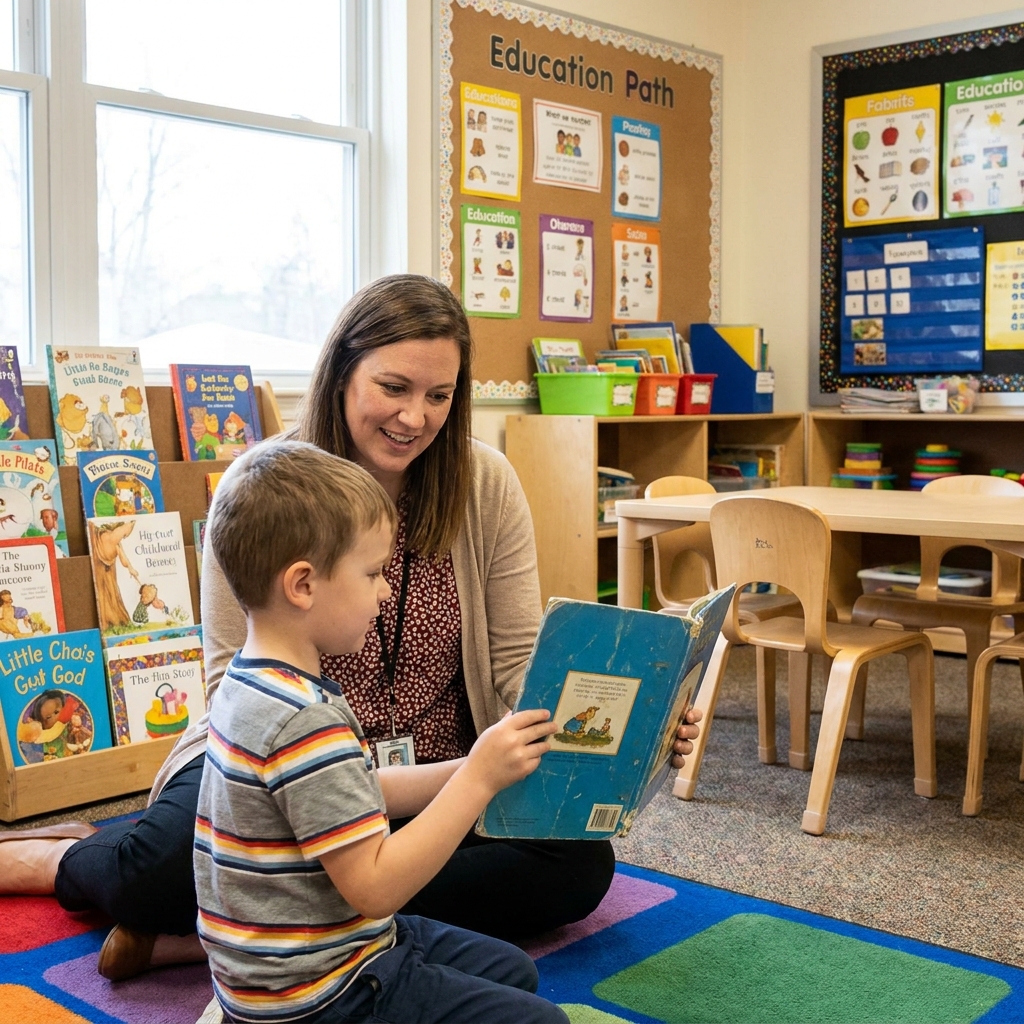
This is the same expectation being met in Fontana Unified, Riverside Unified, Pajaro Valley Unified, and Victor Elementary School District. Across all these regions, teachers are helping students recognize that language is a tool for clarity, not just a way to fill silence. The standard also references grade 2 Language standards 1 and 3, which remind us that the foundation here is built on understanding how English works, using nouns and verbs correctly to convey what is happening. If a student understands that every good sentence needs a subject and an action, they have the core components to build meaningful communication. I find that when we frame it this way, students stop seeing it as a grammar drill and start seeing it as a strategy for getting what they need, whether that is asking for help or telling a story about their day.
Using the lesson structure
This second grade speaking and listening lesson takes about forty-five minutes, which feels like a luxury in a packed school schedule. It starts with a simple, relatable hook: a teacher asking a student about a favorite book. It shows that when a student uses a complete sentence, the teacher truly understands the thought behind the answer. This is a powerful realization for a seven-year-old. The lesson then walks through examples in a science lab, using scenarios like observing a green plant or a magnet. The materials provide clear models like, The green plant grows toward the light, or, The magnet pulls the paperclip. These are perfect because they are simple, visual, and concrete. They show students that a sentence explains who is doing what. By the time students reach the guided practice, they are asked to imagine they lost their favorite blue pen and need to explain the situation to a clerk at the school office. This puts the abstract idea of a sentence into a real, high-stakes context for a second grader. It turns the lesson into a problem-solving session instead of a lecture.
Real-world application
The lesson does a fantastic job of explaining why this matters with a simple anecdote about talking to a doctor. It explains that when you talk to a medical professional, you have to be precise so they know how to help you feel better. If a student says, My stomach hurts, the doctor can identify the problem immediately. That is a concrete, tangible outcome that resonates with kids. I have used similar analogies in my own room, and it usually clicks with them right away. They realize that talking in complete sentences is not just a school rule, but a life skill that makes the world more efficient for everyone. This lesson works well as a whole-class assignment when you notice the communication in your room is becoming too clipped, or as a targeted intervention for a student who struggles to express their needs clearly. It is also an excellent resource for an independent study session or a day when a substitute needs a focused, manageable lesson that students can work through with success.
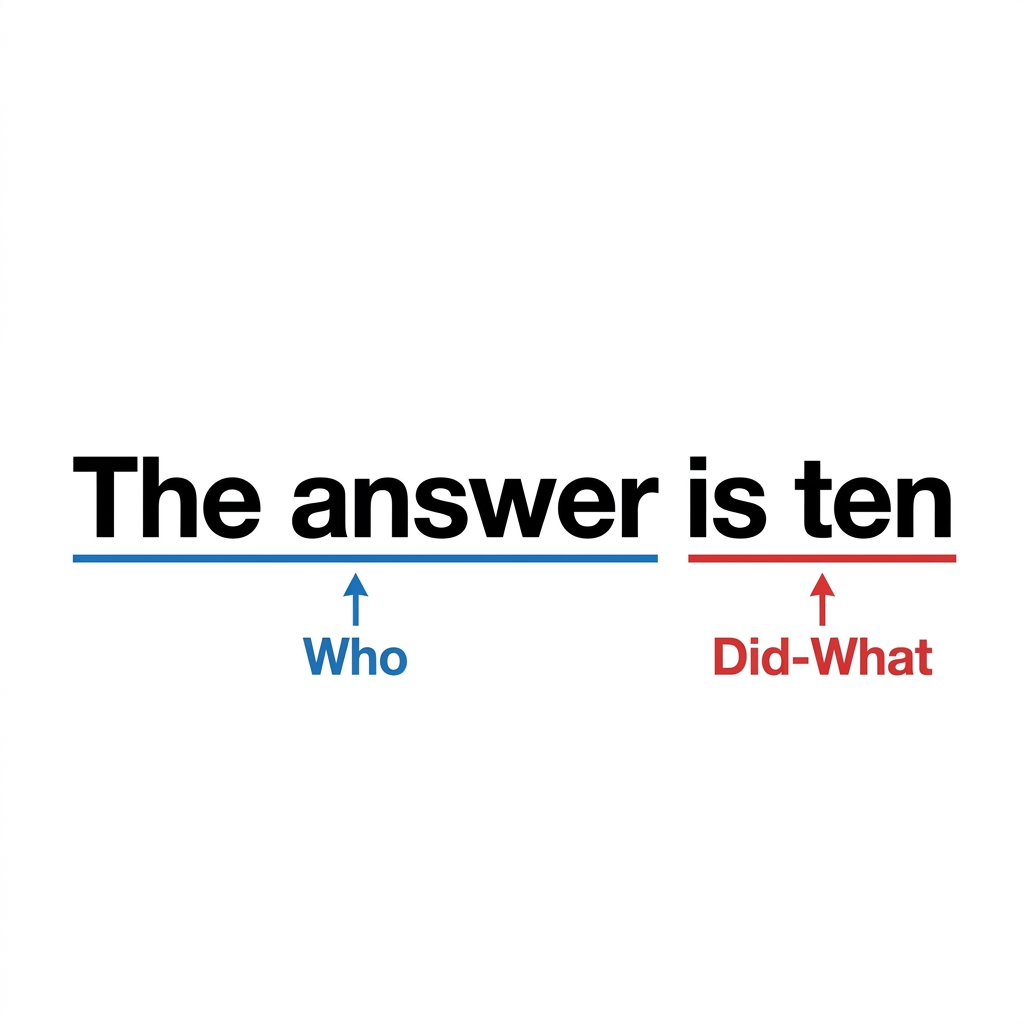
One limitation to keep in mind is that this requires students to be willing to slow down. Some students get so excited that they want to rush to the finish line, leaving out the subjects or verbs that make their message complete. You might need to model the slow-down process yourself before they start the independent practice. I suggest sitting with those students who tend to blurt and asking them to find the action in their sentence before they finish their thought. It helps them build that internal check system. It is also helpful to remind them that detail makes their story more interesting. If they say the plant grows, that is fine. If they say the green plant grows toward the light, they have painted a picture. That small shift turns a basic sentence into a clear, detailed piece of communication that hits the mark perfectly every time.
Related lessons
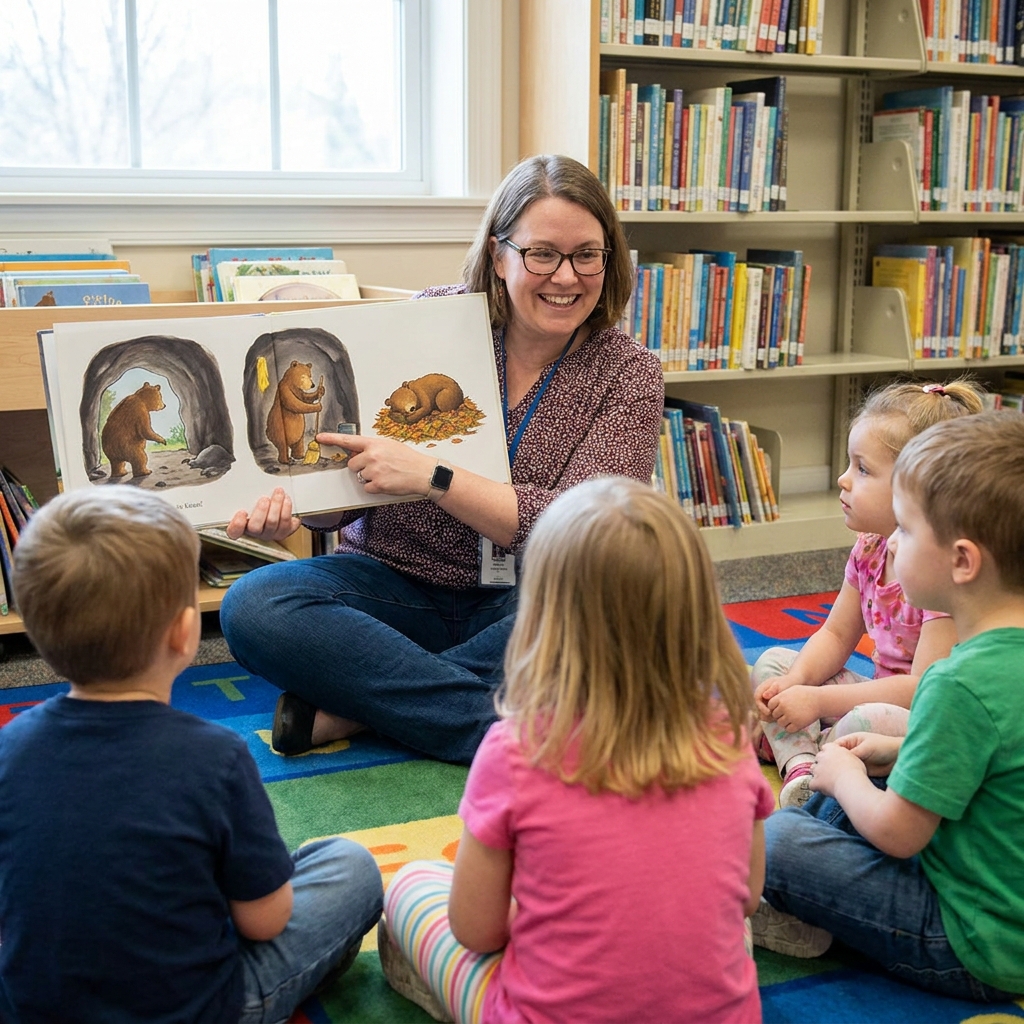
Listening and Following Directions, Covers active listening skills and following multi-step directions

Asking Questions to Learn More, Explains how to ask effective questions to gather more information
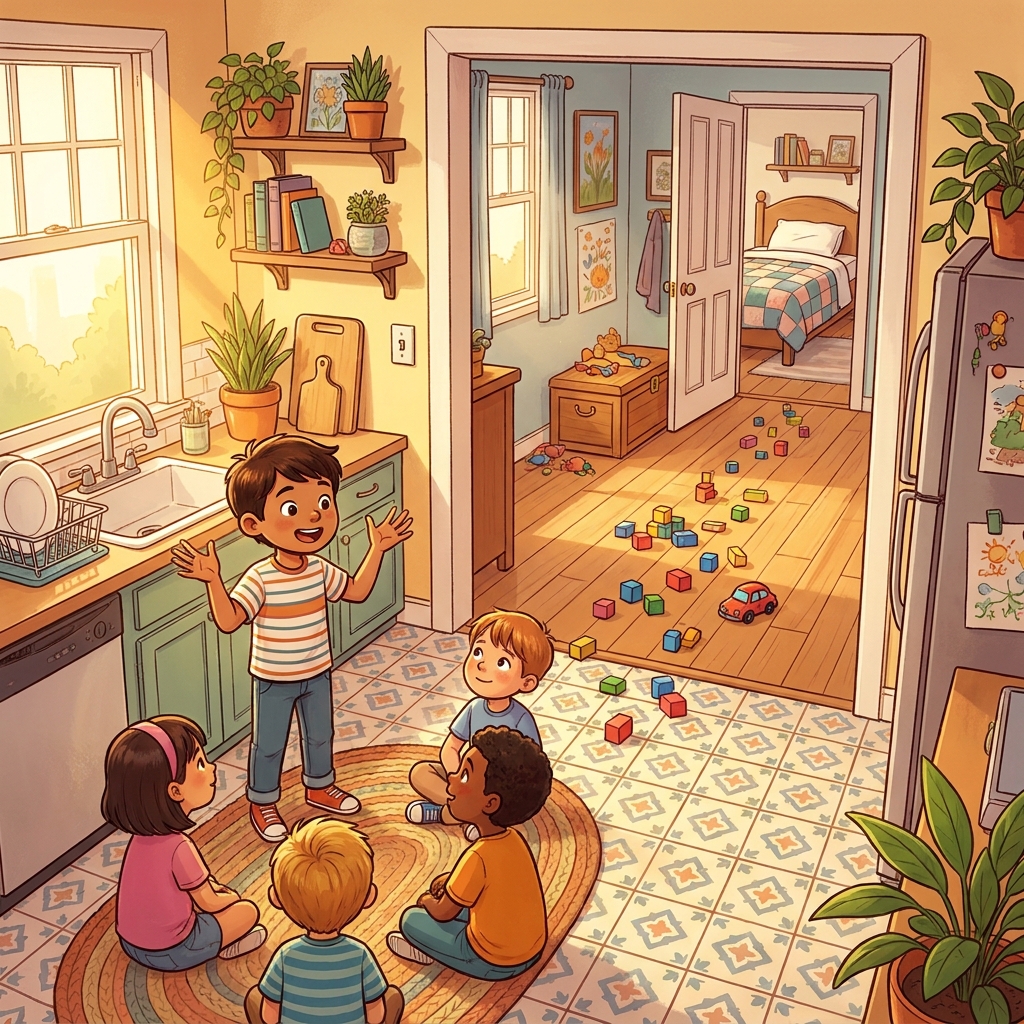
Making Stories Come Alive, Focuses on adding expression and detail to storytelling in class