

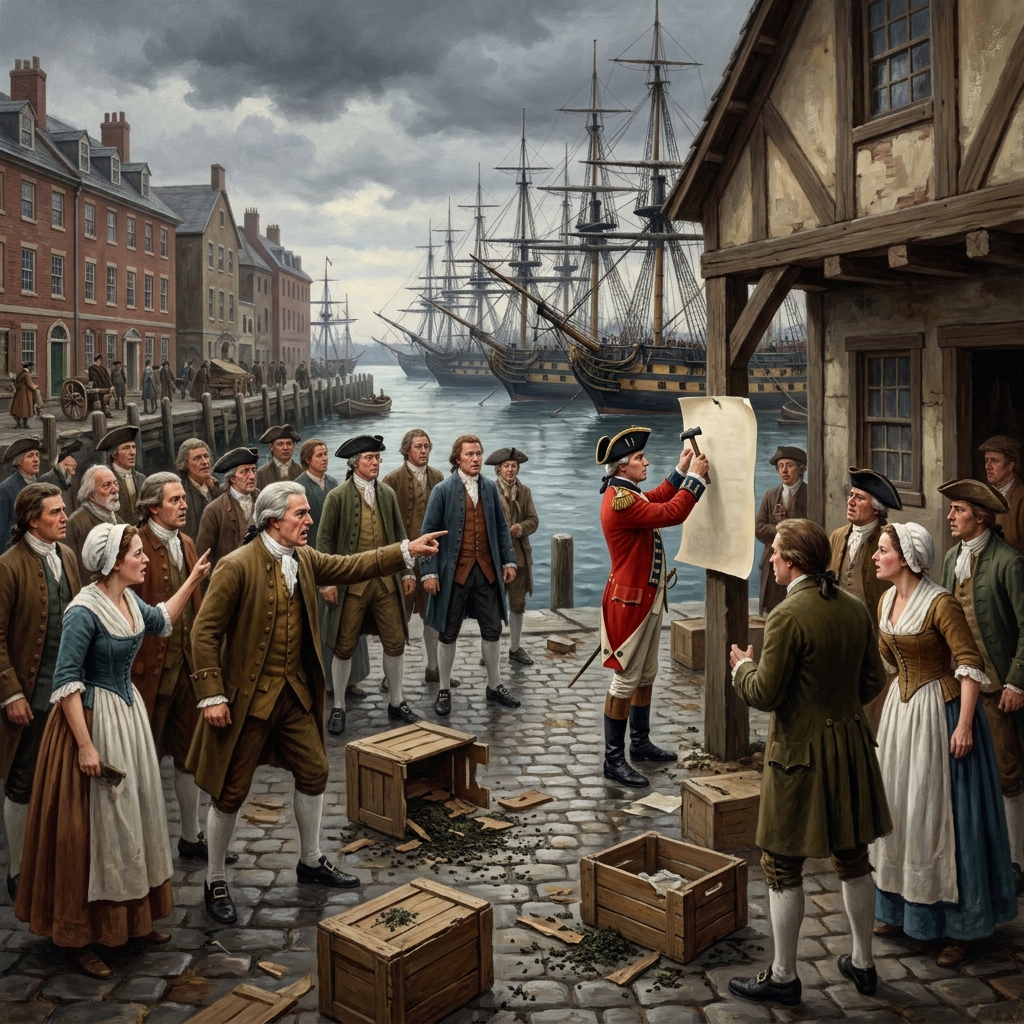
Last week, a student stopped me after the bell to ask why we spend so much time talking about complaints from the 1700s. She wanted to know if a few angry colonists in Massachusetts really changed how we live today. It was the perfect entry point for the Founding Principles: Grievances and Democracy lesson. This resource is designed specifically for 8th grade social studies, and it does a sharp job of moving students from just listing historical events to understanding the structural shifts in government that those events forced.
When you start your 8th grade social studies planning, this material fits neatly into your unit on the origins of the United States. The core goal is to help students connect colonial protests against British policies to the broader development of our constitutional democracy. It is a straightforward, no-nonsense look at how the shift from arbitrary power to a representative government happened because people decided to speak up.
Connecting colonial protests to constitutional democracy
The lesson starts by asking students to look at the 1760s through the eyes of the colonists. The British government needed cash to pay for their wars, so they pushed through the Stamp Act, which forced a tax on newspapers and legal documents. The lesson defines a grievance as a formal complaint against an authority that is perceived as unfair. This is a critical concept for 8th graders to grasp. It is not just complaining about a bad grade or a lost recess; it is about questioning the legitimacy of a law.

You will find the US History lesson on colonial grievances covers the Intolerable Acts as the primary case study for why our government looks the way it does now. The lesson notes that these acts were laws passed by Britain to punish Boston for the Tea Party. These acts closed the port of Boston and took away local control. It is a perfect example of why the founders were so obsessed with the idea of representation. They did not want a government that could strip away rights without consent. When you look at these examples, you are hitting the requirements of CA.HSS-8.1, which asks students to understand the major events preceding the founding of the nation and relate their significance to the development of American constitutional democracy.
It is important to remember that this standard is a foundational part of the curriculum across the state, from Temecula Valley Unified to Pajaro Valley Unified, and it is taught with the same expectations in Monterey Peninsula Unified and Exeter Unified as well. The lesson provides a clear path through the vocabulary that students need to master this standard, including grievance, representation, and due process. The material is designed so that students see the transition from an environment of arbitrary power, where a king could bypass laws at will, to a structure that relies on the Constitution as the supreme law.
How to use this in your classroom
This is a solid choice for a whole-class assignment when you are starting your unit on the American Revolution. It also works well for a student who missed the week and needs to get back on track quickly, as the narrative flow is very logical. If you have a student who is struggling with the concept of why a government needs checks and balances, the guided practice section on the Boston Tea Party is a great place to slow down. It frames the Tea Party as a protest against economic control and lack of representation, which helps move the discussion away from just the act of throwing tea and toward the underlying legal question.
I find the strongest part of this lesson is how it ties history to the present. The material argues that understanding grievances is necessary for being an informed citizen. When students see a law they think is unfair, they have a framework to express those concerns legally. The lesson explains that the colonists’ protests were the catalyst for creating a structure that ensures the people hold authority through representation. This makes the history feel less like a dry recitation of dates and more like the origin story of the rules we play by today.
Where students slip
The biggest hurdle for 8th graders here is usually the jump between a protest and a constitutional right. They might identify the protest but miss the point about due process. The lesson defines due process as the principle that the government must follow established legal rules and procedures before taking away a person’s rights or property. If a student struggles with this, remind them that the colonists were not just mad about paying taxes; they were mad that the government did not follow its own established procedures to get that money from them.
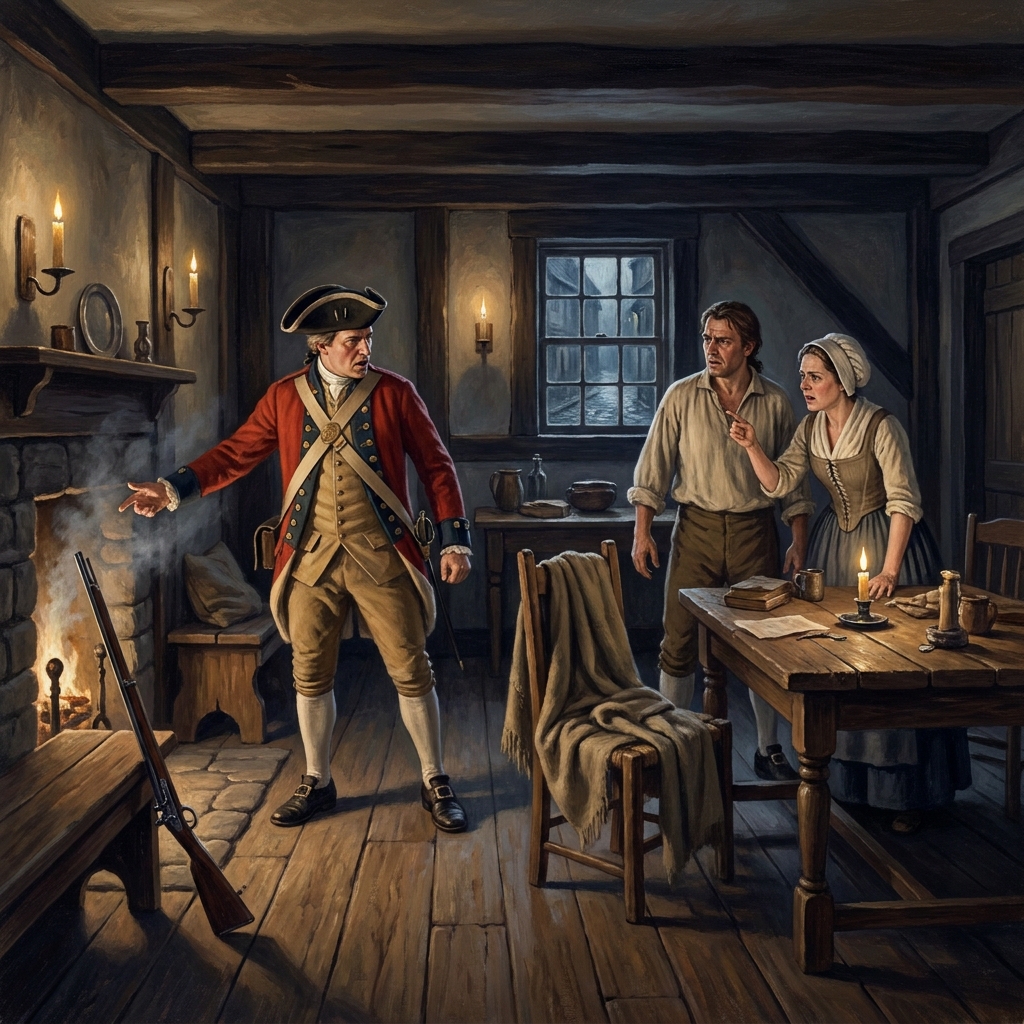
Keep an eye on how they handle the idea of arbitrary power. It is a dense term for an 8th grader. If they start to confuse arbitrary power with just being mean or unfair, prompt them to look back at the example of the King bypassing laws at will. That specific detail about the King is the anchor that helps them distinguish between a disagreement with a leader and a failure of the constitutional system. When you use this to lead the class, emphasize that the founders did not just want to throw out the King; they wanted to build a system where no single branch or leader could hold absolute power. Once they see that, they usually stop asking why we have to learn about the 1700s and start asking how we protect those principles today.
Related lessons
Voices of the Young Republic: Art and Life in Early America, explores cultural expression in the early United States period
Moving Forward: Migration After the Civil War, covers population shifts during American reconstruction and industrialization
Growth and Conflict: The Rise of American Capitalism, examines economic changes that shaped the early national era